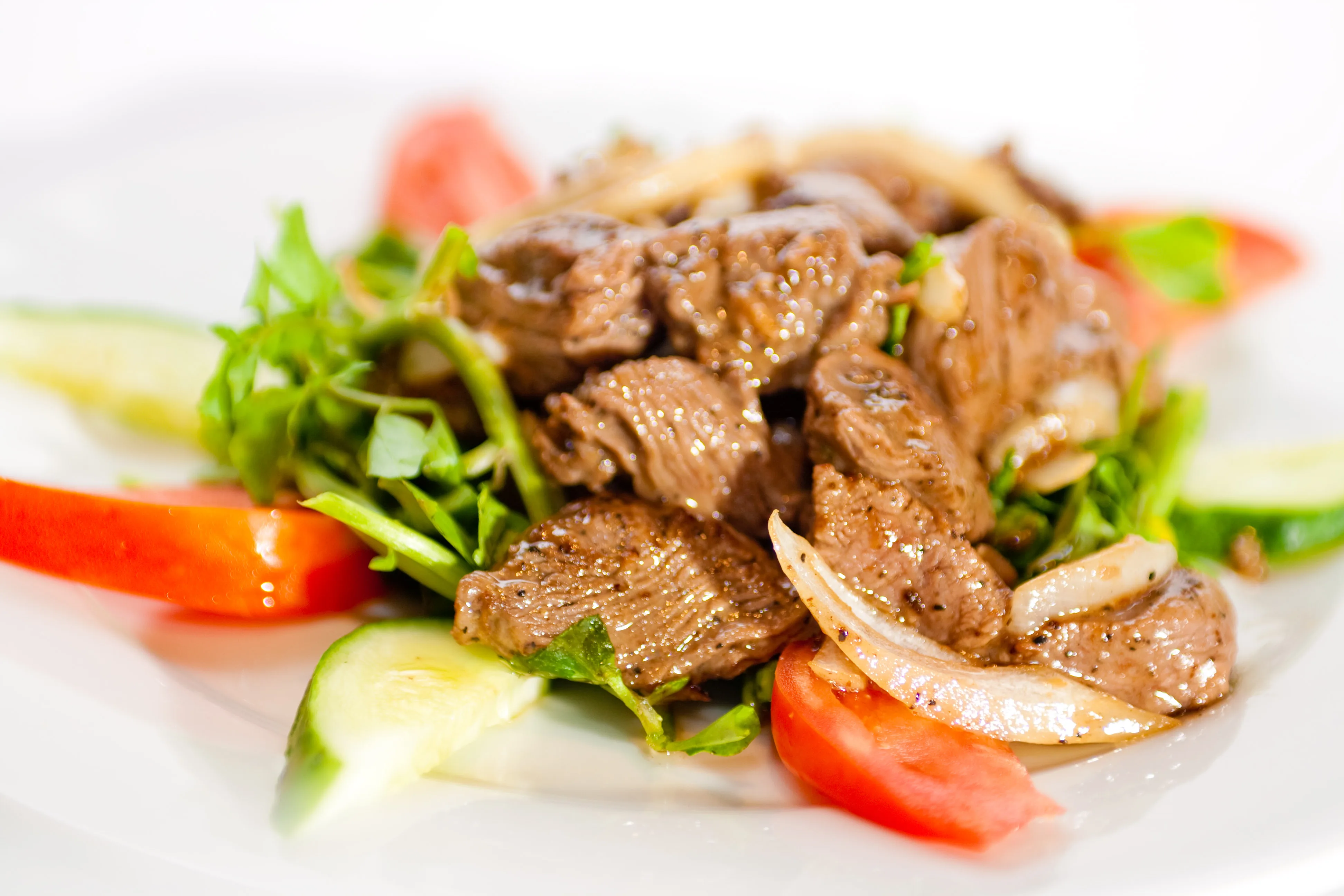
"Lok Lak is a Cambodian staple that pairs sizzling beef cubes with a lime-pepper dip, a flavor profile shaped by French and Khmer influences."
About Lok Lak
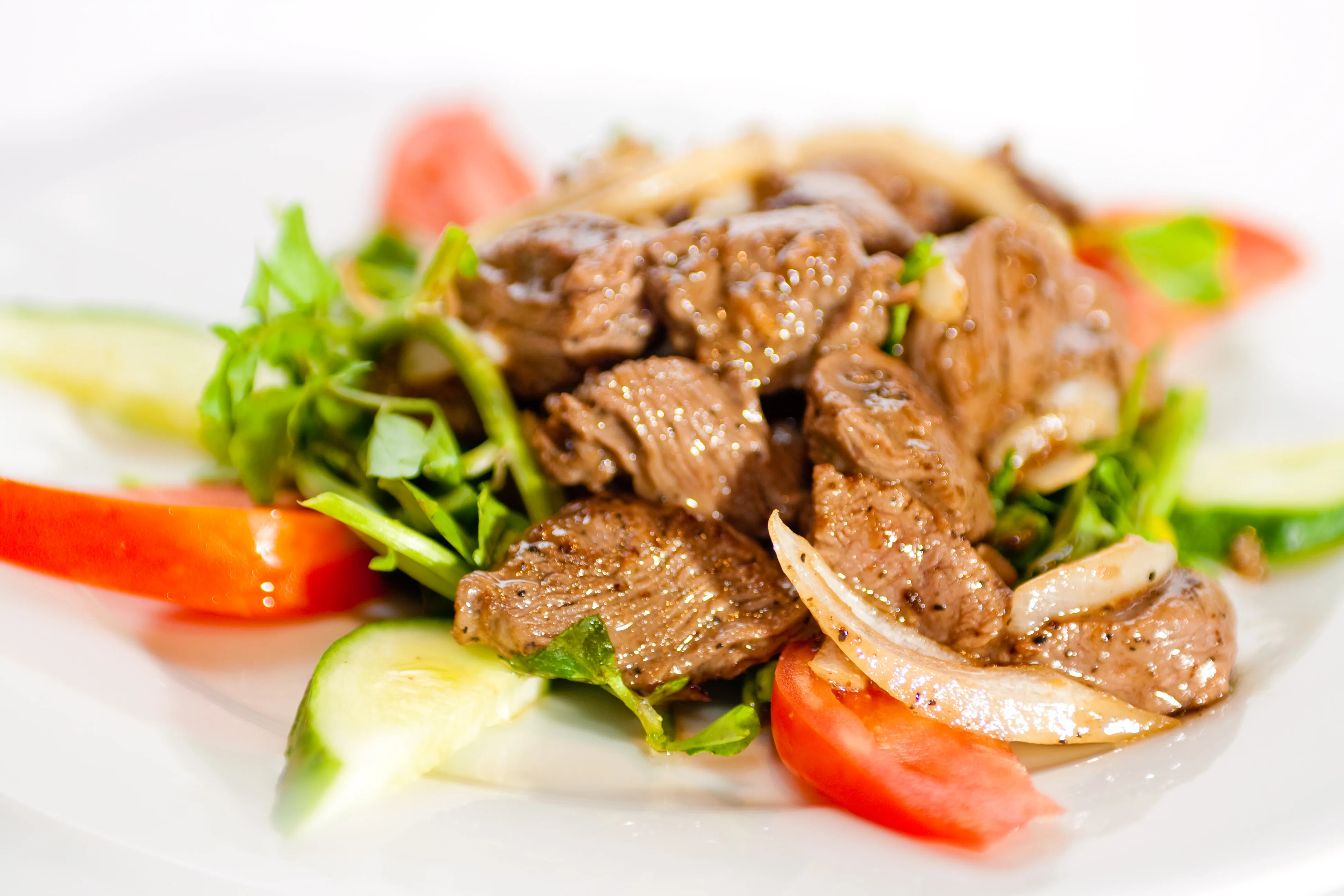
The 'Franco-Khmer' legacy: high-heat seared beef cubes marinated in oyster sauce and soy, served on a bed of fresh lettuce, tomatoes, and red onions; the 'non-negotiable' element is the dipping sauce: a high-precision blend of lime juice, sea salt, and 'Kampot' black pepper; originally influenced by French colonial presence, it has been fully reclaimed as a national pride dish known for its vibrant, citrusy acidity.
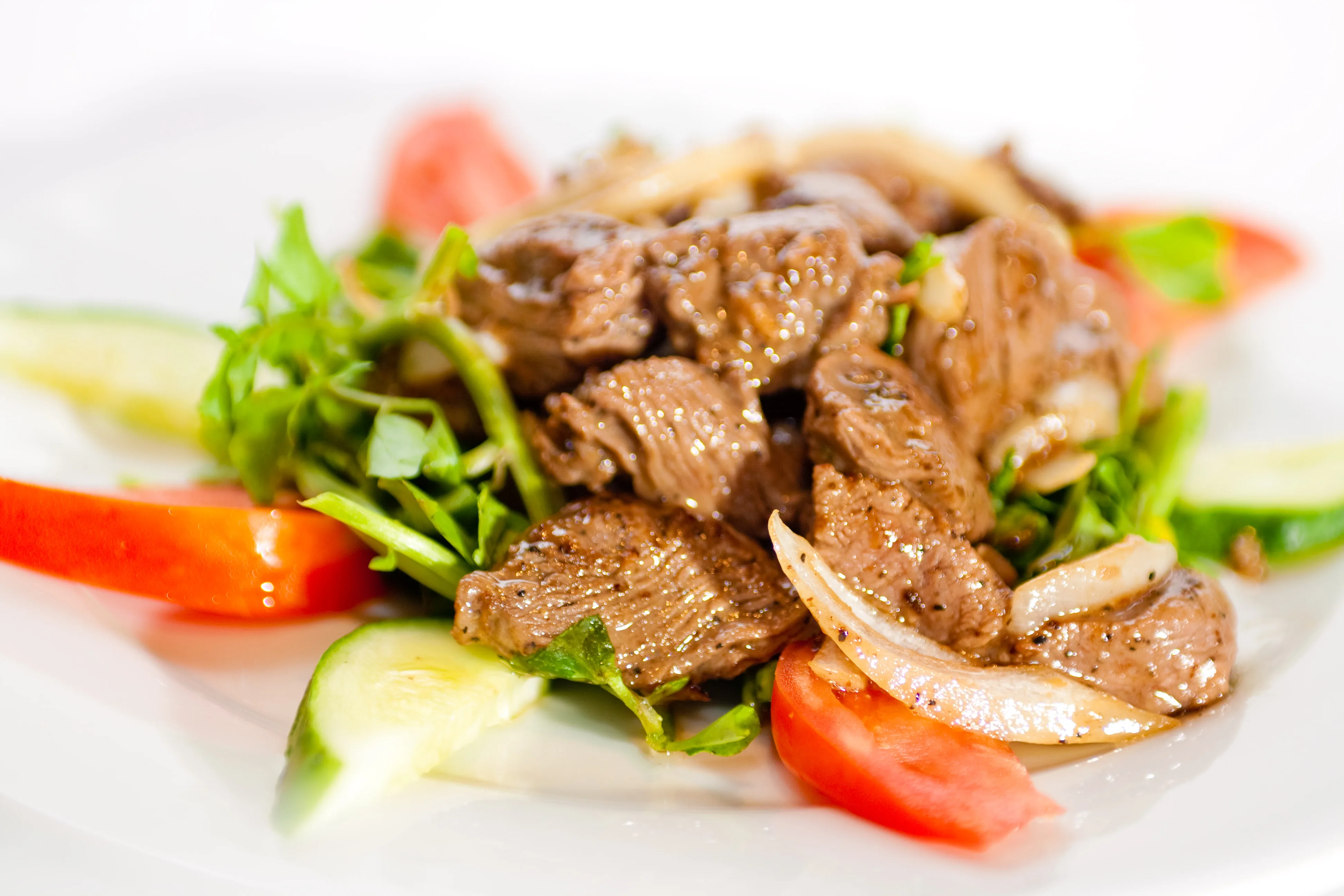
Lok Lak, a staple of Cambodia's cuisine
A Dish Defined
Lok Lak consists of bite-size beef cubes that are quickly seared over high heat, then rested on a bed of fresh lettuce, sliced tomato and red onion. The dish is completed with a dipping sauce made from lime juice, sea salt and Kampot black pepper, a combination that highlights the meat's richness.
Historical Roots
The preparation echoes the Vietnamese "shaking beef" (bò lúc lắc), a dish that emerged when French colonials introduced soy and oyster sauces to the region. In both cultures, beef was once a luxury reserved for celebrations, but today Lok Lak appears on everyday menus across Cambodia.
Cooking Technique and Flavor
Marination blends oyster sauce, soy sauce and a touch of fish sauce, then the cubes are tossed in a hot wok until a caramelised crust forms. The quick sear locks in juices, while the accompanying lime-pepper dip cuts through the richness with bright acidity and subtle heat from Kampot pepper.
When and How It Is Served
Lok Lak is commonly presented at lunch or dinner, often accompanied by steamed rice. Diners drizzle the sauce over the meat or dip each bite, balancing the savory beef with the crisp vegetables beneath.
What to Expect
A first bite reveals a smoky exterior that yields to a tender interior, while the lettuce adds a refreshing crunch. The lime-pepper sauce lifts the beef, leaving a clean, citrusy finish that lingers on the palate. The contrast of hot meat and cool greens creates a dynamic mouthfeel that feels both indulgent and balanced.
Why Try It
Lok Lak illustrates how Cambodian cuisine adapts foreign techniques while preserving local taste preferences. Its presence on street stalls and family tables underscores the country's culinary resilience and openness to cross-cultural exchange.
Insider Tips
Seek stalls or modest eateries that list Lok Lak on a chalkboard menu and serve it with fresh, crisp lettuce and tomatoes.
Pair the dish with a light, jasmine-scented rice and a glass of chilled palm sugar tea for contrast.
Ask the cook to adjust the lime-pepper dip for extra pepper if a sharper bite is preferred.