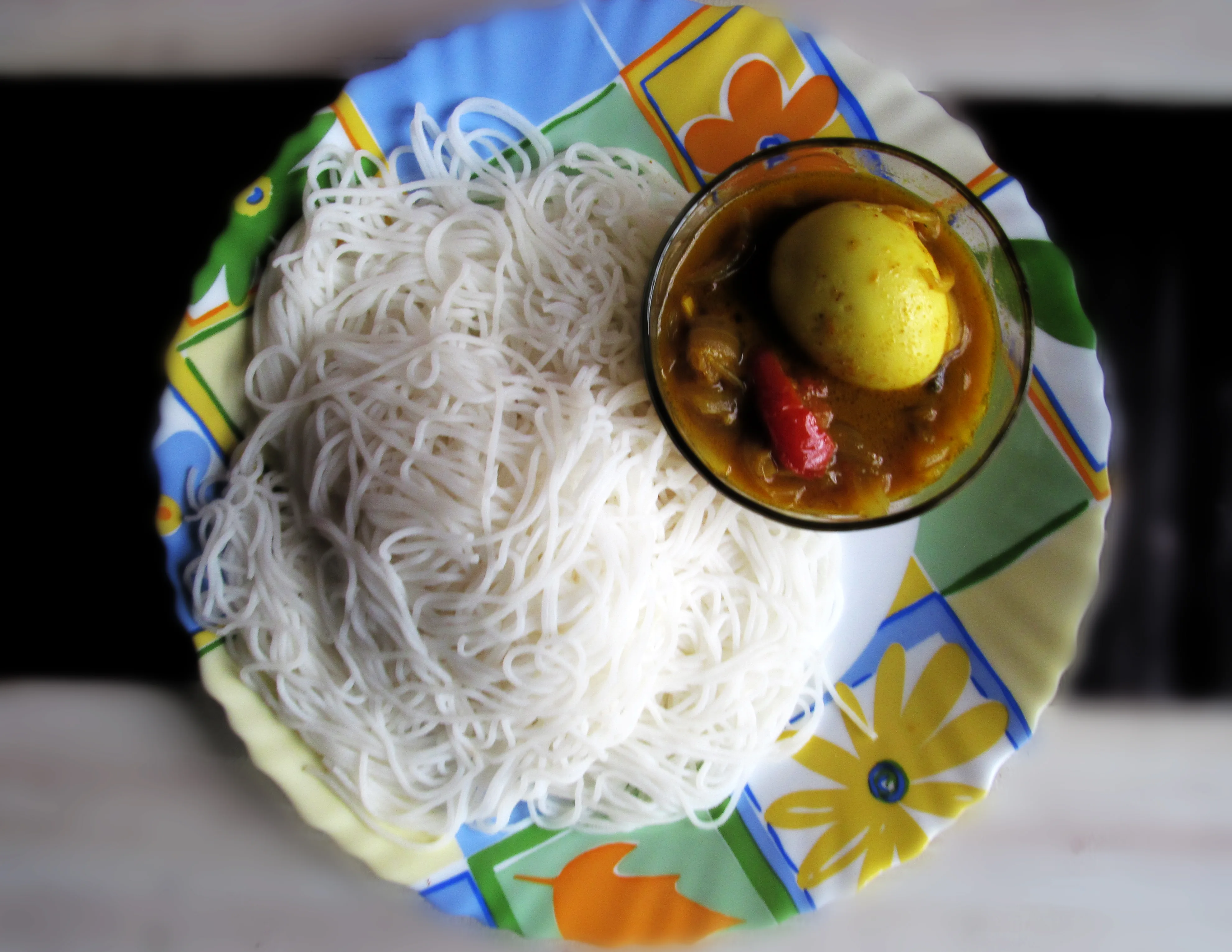
"String hoppers are delicate nests of steamed rice-flour noodles, pressed into fine threads and steamed soft, then eaten with curry, dhal and coconut sambol."
About String Hoppers
String Hoppers is one of Sri Lanka's most beloved dishes, representing the rich culinary tradition of the region.
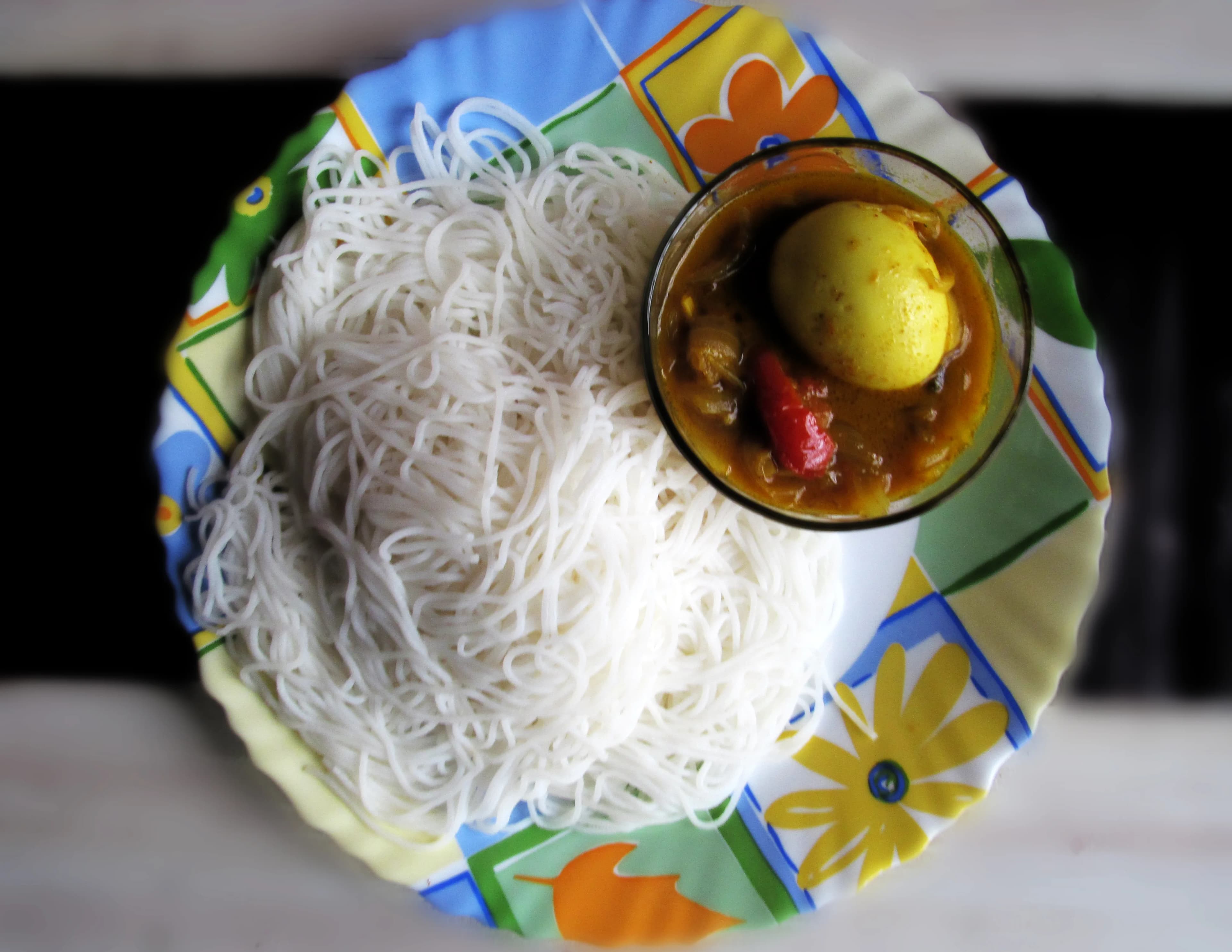
String Hoppers, a staple of Sri Lanka's cuisine
Steamed Noodle Nests
String hoppers, or idiyappam, are delicate nests of steamed rice-flour noodles, pressed through a mould into fine threads and steamed on small woven mats until soft. Light and almost neutral on their own, they are a staple breakfast and dinner across Sri Lanka and southern India. Their mildness makes them a perfect base for the island's bolder flavours.
The Method
A dough of rice flour and water is pressed through a perforated mould directly onto little mats, then steamed until just set. The result is a soft, lacy disc of fine noodles that holds together for serving. Made fresh and steamed gently, they are tender rather than firm.
Eaten With Curry and Sambol
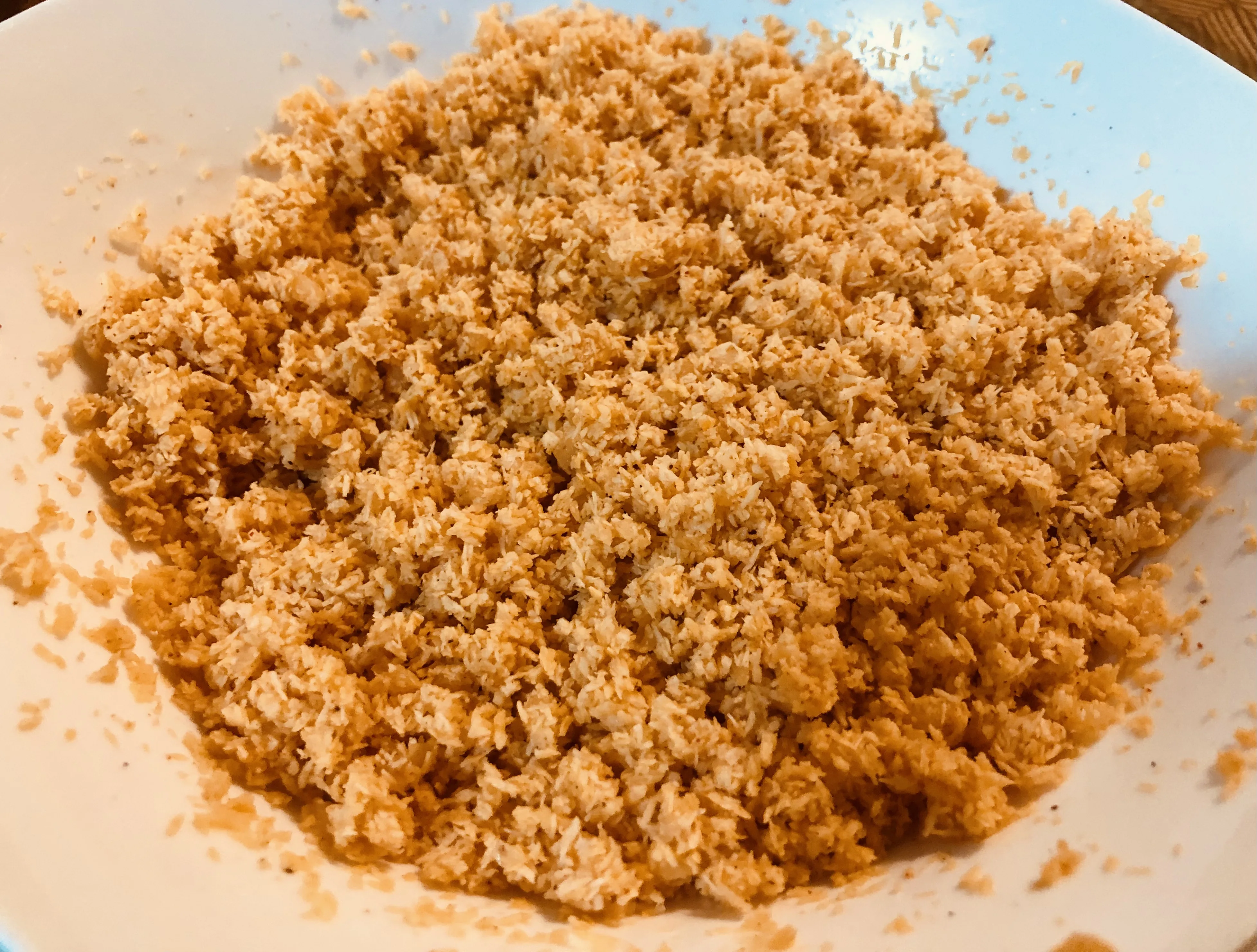
String hoppers are served in stacks and eaten with curries, dhal and a coconut sambol, the soft noodles soaking up the sauces. A favourite accompaniment is kiri hodi, a mild coconut-milk gravy that makes the meal especially soothing. The combination balances the island's fierier dishes.
A Gentle Staple
Light, soft and comforting, string hoppers show the gentler side of Sri Lankan cooking, a counterpoint to the heat of pol sambol and hot curries. They are a common breakfast and dinner, best eaten fresh and warm. With a mild gravy, a curry and a spoon of sambol, they make a quietly satisfying meal.
What to Expect
A plate of string hoppers comes as soft, lacy noodle nests stacked together, served with a mild coconut gravy, a curry and a spoon of sambol. Light and soothing, they soak up the sauces and offer a gentle counterpoint to Sri Lanka's hotter plates.
Why Try It
They are a staple Sri Lankan breakfast and dinner, a delicate steamed-noodle dish that shows the softer, soothing side of the island's cooking.
Insider Tips
Eat them with kiri hodi, the mild coconut-milk gravy that classically accompanies them.
They are a common breakfast and dinner; look for them fresh and warm.
Pair them with a sambol and curry for the full balance of mild and fiery.