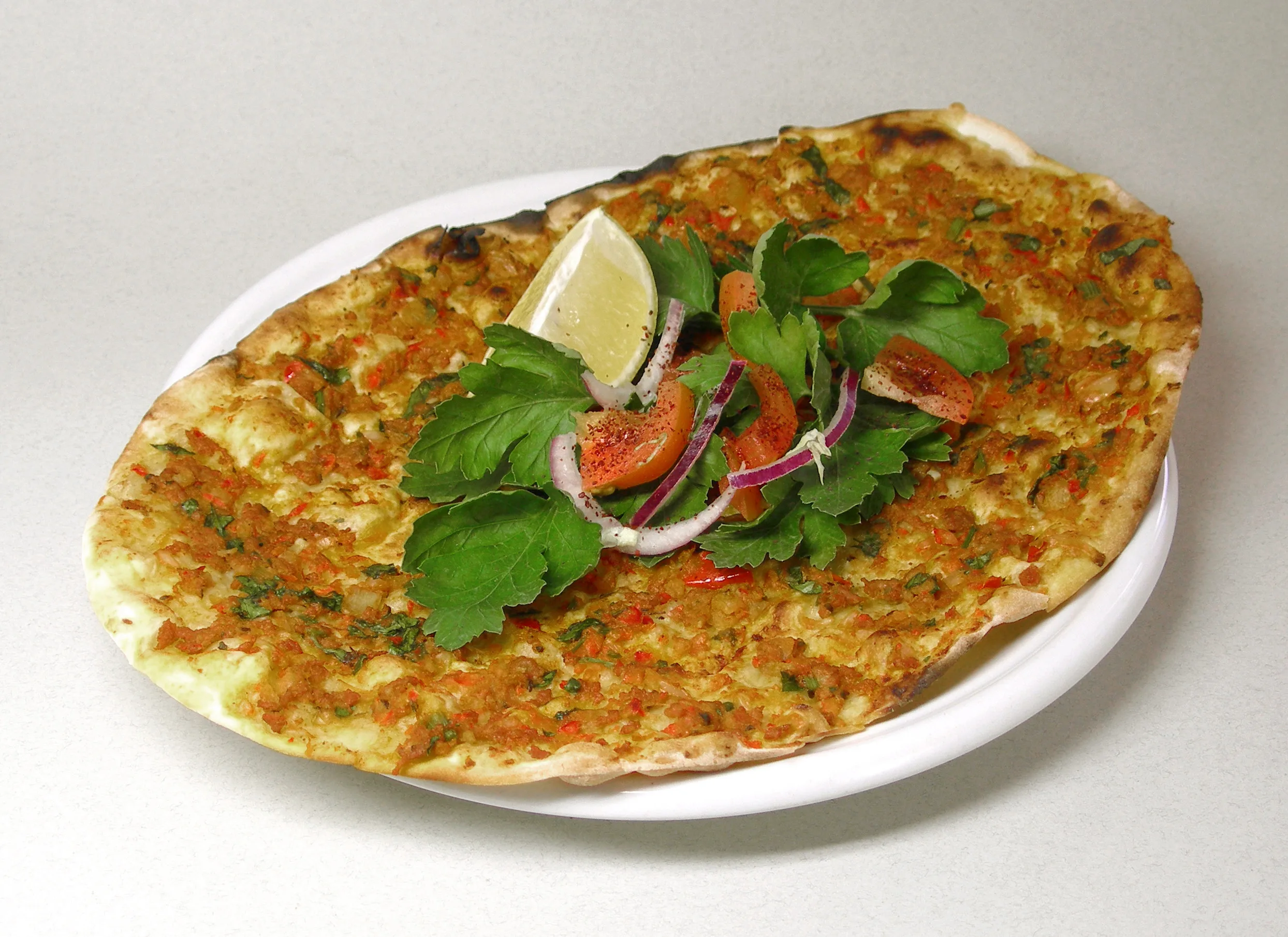
Turkey's most authentic kebab tradition is in Adana (lamb-tail fat on sword skewers) and Bursa (İskender with poured browned butter). The global döner is Turkey's least interesting export.
About Kebab
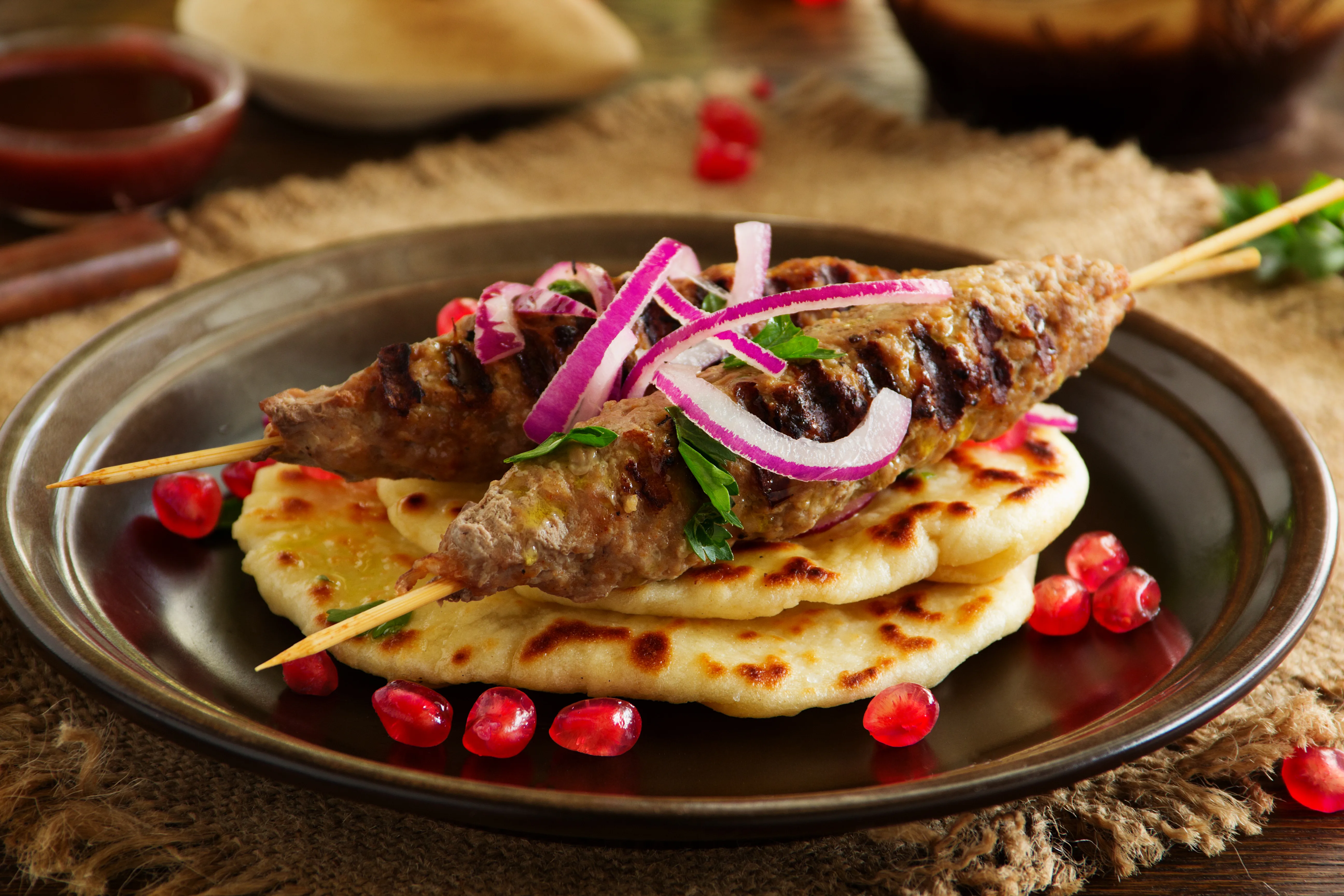
Turkey's most internationally replicated food in its most authentic form, the Adana kebab: a long cylinder of hand-minced fatty lamb tail, red bell pepper and red chilli wrapped tightly around a flat sword skewer and grilled over charcoal; the İskender kebab (Bursa) layers doner meat over pide bread and floods it with tomato sauce and browned butter; the döner is not Turkish street food's finest expression but its most exported one.
Adana and Iskender
Turkey's kebab tradition is far richer than the global doner suggests, and two regional dishes show it best. The Adana kebab is a long cylinder of hand-minced fatty lamb, red pepper and chilli pressed onto a flat sword skewer and charcoal-grilled. The Iskender, from Bursa, layers thin doner meat over pieces of pide bread, douses it in tomato sauce and pours sizzling browned butter over it at the table.
“Turkey's kebab tradition is far richer than the global doner suggests, and two regional dishes show it best.”
The Fat
The Adana kebab depends on fat, specifically sheep's tail fat blended into the lean lamb. That fat ratio is what keeps the kebab moist and gives it its richness as it chars over the coals. Without it, the kebab turns dry, which is why the fat is treated as essential rather than optional.
A Regional Map
Kebab in Turkey is a whole landscape of regional dishes, from the chilli-laced kebabs of the southeast to pistachio kebabs, yogurt-based ones and many more, each tied to a particular city. The hand-mincing, the wood or charcoal fire and the local spicing distinguish them. The mass-market doner is the least interesting corner of this tradition.
Grilled With Seriousness
Turkish kebab culture reveals a country that treats grilled meat with the seriousness others reserve for sauces, judging the cut, the fat, the fire and the rest. The best Adana is eaten in its home city, the definitive Iskender in Bursa. Served with flatbread, grilled vegetables and sumac onions, it is grilling raised to an art.
What to Expect
At an Adana kebab restaurant the skewer arrives from the charcoal grill, the lamb moist and slightly charred, the fat caramelised. With flatbread and sumac onion.
Why Try It
Turkish kebab culture reveals a country that takes grilled meat as seriously as France takes sauce.
Insider Tips
- Adana's own kebab restaurants are the reference point, seek them out in the city.
- İskender kebab at Kebapçı İskender in Bursa (the original family) is the definitive version.
- The sheep tail fat (kuyruk yağı) is essential in Adana kebab, if the kebab is dry, it's wrong.