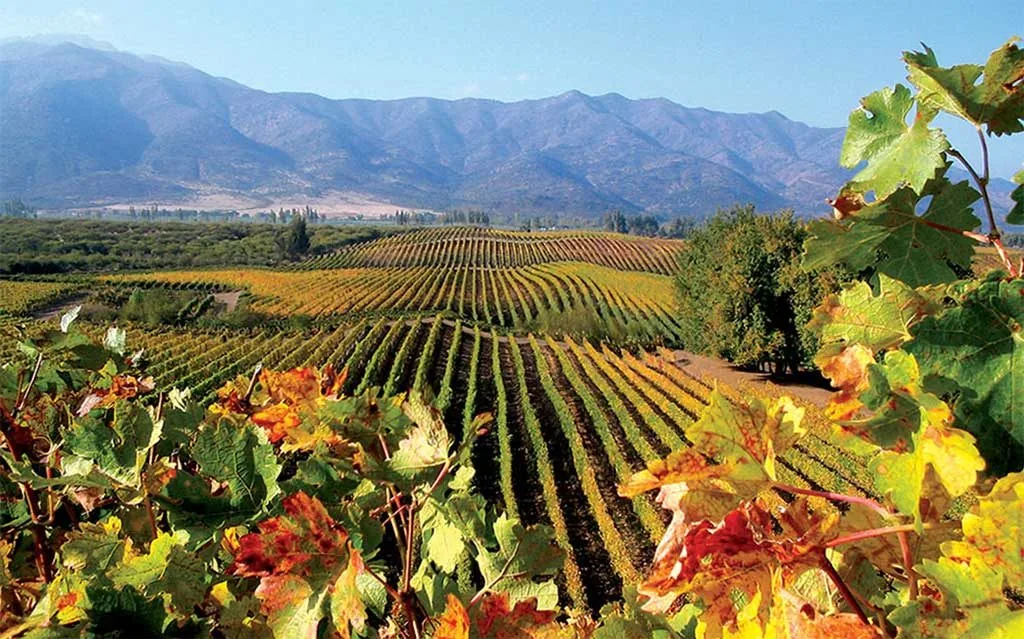
The cold Pacific fog that rolls over these hills each morning creates a microclimate that Chilean wine orthodoxy said was too cold for quality viticulture, Matetic proved otherwise.
About Matetic Vineyards
The Casablanca Valley emerged as a wine region in the 1980s when Pablo Morandé of Concha y Toro planted experimental plots near the coast and discovered that the cold fog influence produced fruit with a freshness that Chile's warm interior valleys could not match. The valley developed rapidly through the 1990s as producers recognised its potential for white wine and lighter-bodied reds. Matetic's Rosario sub-valley within Casablanca is the coldest and foggiest part of an already cool region. Jorge Matetic's decision to plant it with Syrah, a variety that requires warmth, seemed counterintuitive. The result was a cool-climate Syrah with a peppery, savory quality that bore no resemblance to the hot-climate Australian versions the market was used to, and found its own audience as a consequence. The biodynamic certification, achieved several years after the first planting, formalised practices that the estate had been following from the beginning, no synthetic fertilisers or pesticides, lunar cycle-based farming, the integration of the vineyard into the surrounding ecosystem.
What Matetic Vineyards actually is
Matetic sits in the Casablanca Valley about 80 kilometres west of Santiago, where the coastal range funnels cold Pacific fog into a microclimate that should be too cold for serious viticulture but is precisely right for Syrah, Sauvignon Blanc, and Pinot Noir. The estate covers 3,500 hectares of which around 150 are planted with vines, the rest is native Chilean forest, ravines, and the horse-breeding operations that the Matetic family maintained before the winery was established in 1999. The combination of biodynamic farming, cold-climate fruit, and the surrounding natural landscape produces wines with a tension and minerality that distinguishes them from the broad, warm-valley Chilean style that most of the world uses to define the country's output. The cellar doors and estate accommodation make Matetic one of the most complete winery visits in Chile, a full-day destination rather than a stop on a tasting circuit.
The Matetic family had farmed
The Matetic family had farmed the Rosario Valley estate for generations before Jorge Matetic decided in the late 1990s to convert part of the agricultural land to viticulture. The decision was against prevailing wisdom: Casablanca was still establishing itself as a wine region, and the Rosario microvalley within it, cooler and foggier than Casablanca's already cool central zone, seemed unpromising to conventional thinking about Chilean wine. The winery hired New Zealand viticulturalists and French winemakers to work alongside Chilean staff, adopting biodynamic principles for the vineyard management from the outset, a decision that was unusual in Chile in 1999 and remains relatively rare in a wine industry that favours high-yield conventional farming. The first commercial vintage was 2001. The wines found markets in Europe and North America before establishing their domestic reputation, which is a common pattern for premium Chilean producers.
Visiting Matetic Vineyards
The cellar tour covers the vineyards, the barrel room, and a tasting of the EQ range, the estate's top tier, named for the biodynamic principle of equilibrium. The barrel room is a long, vaulted stone space whose temperature and humidity are maintained by the building's thermal mass rather than mechanical cooling, an architectural decision that also produces a particularly good physical environment for tasting. The estate accommodation, a handful of rooms in the farmhouse complex, allows overnight stays that include evening meals using produce from the estate's organic gardens and morning horseback rides through the native forest. The fog that arrives most mornings from the Pacific, rolling over the coastal hills and settling in the valley, transforms the vineyard landscape into something more like northern California or Burgundy than the image most people hold of Chile's wine regions. Matetic is about 80 kilometres west of Santiago via the Ruta 68 highway to Casablanca. The estate requires advance booking for cellar visits and is not served by public transport, a rental car or organised wine tour from Santiago is the practical approach. Several Santiago tour operators run day trips to Casablanca Valley wineries that include Matetic.
The Experience
The fog is part of the Matetic experience. It arrives in the early morning, sometimes so thick that the vines disappear into it completely, and burns off by midday to leave the valley in clear, cool light. In the barrel room tasting, with the stone walls maintaining a steady 12 degrees regardless of the season outside, the cool-climate character of the wines makes physical sense as an expression of the environment you have just walked through. The EQ Syrah consistently rewards the attention it receives, the peppery nose, the fine tannin, the acidity that keeps the fruit lifted, and tasted in the barrel room with the estate visible through the open cellar door, it resolves into something more than a good wine.
Why It Matters
Matetic represents the premium end of a broader shift in Chilean wine production toward cool-climate, terroir-driven wine that challenges the warm-valley bulk wine image the country carried for decades. The biodynamic approach and the estate's integration of viticulture with conservation of native Chilean vegetation make it an example of what responsible wine production in a transitional ecology can look like.
Why Visit
Casablanca Valley is 90 minutes from Santiago and the drive through the coastal range is itself worth making. Matetic earns a specific visit for the combination of the biodynamic estate, the cool-climate landscape, and the quality of the tasting program. The EQ range is among the best wines produced in Chile and is most legible tasted in the place that made it.
✦ Photo Gallery
Best Season
🌤 September through November for the vineyard at its most active, budburst and flowering with the native forest in parallel bloom. March and April for the harvest, when the estate is at peak activity and the grapes can be tasted in the vineyard. Avoid July and August when fog and rain reduce the estate visit to the cellar alone.
Quick Facts
Best time to visit
September through November for the vineyard at its most active, budburst and flowering with the native forest in parallel bloom. March and April for the harvest, when the estate is at peak activity and the grapes can be tasted in the vineyard. Avoid July and August when fog and rain reduce the estate visit to the cellar alone.
Getting there
In Casablanca Valley, Chile; reach Casablanca Valley first, then continue to the site.
Location
Casablanca Valley, Chile
Type
attraction
Insider Tips
- 1
Book the cellar visit and tasting at least a week in advance through the estate website, walk-ins are not accepted.
- 2
The estate accommodation requires a two-night minimum stay and includes access to areas of the property not covered on the standard cellar tour.
- 3
The EQ Syrah is the wine to focus on, it is the most distinctive expression of the Rosario microclimate and the clearest argument for why the estate exists.
- 4
Several Santiago wine tour operators include Matetic on Casablanca Valley half-day or full-day itineraries, useful if you prefer not to drive the Ruta 68 yourself.
- 5
The native forest trails on the estate property are included in the accommodation package and give context for the conservation approach that underpins the biodynamic viticulture.