“A noble family turned a whole county into a single landscaped garden, complete with a 60-metre Moorish minaret in the Moravian countryside.”
About Lednice-Valtice Cultural Landscape
The Liechtenstein family developed the Lednice-Valtice estate over many generations, especially from the 17th to 19th centuries, transforming a vast area into an idealised English-style landscape garden uniting their two chateaux. They dotted it with follies, including the striking minaret and a romantic artificial ruin. The whole composition, a rare surviving designed landscape of such scale, is a UNESCO World Heritage Site.
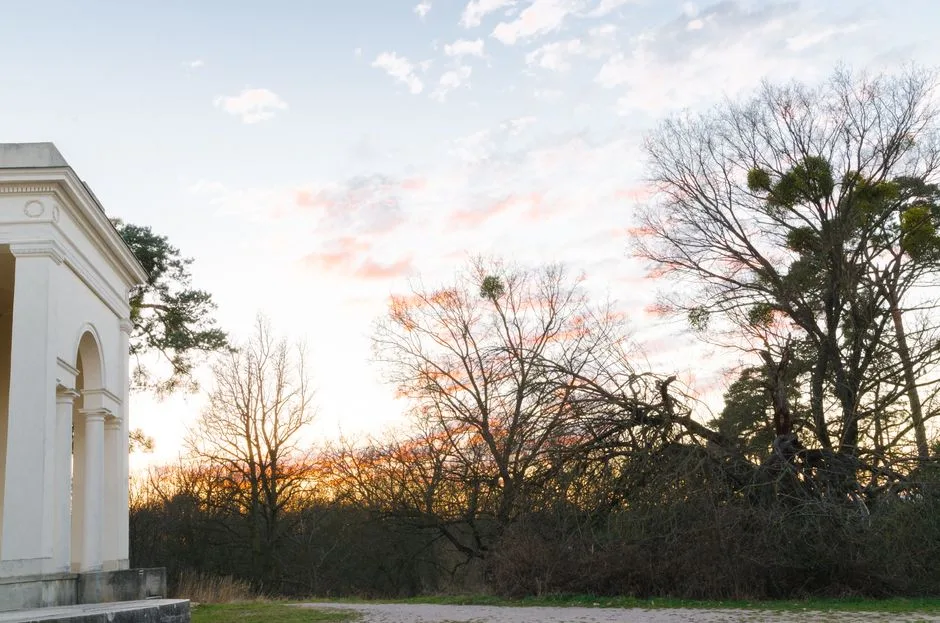
The Lednice-Valtice Cultural Landscape in the south of the Czech Republic is one of the largest designed landscapes in Europe, an enormous English-style park dotted with palaces, follies and romantic structures. Created over centuries by the noble Liechtenstein family, this 'Garden of Europe' is a UNESCO World Heritage Site of artificial lakes, woods and architectural surprises.
Created over centuries by the noble Liechtenstein family, this 'Garden of Europe' is a UNESCO World Heritage Site of artificial lakes, woods and architectural surprises.
A Garden the Size of a County
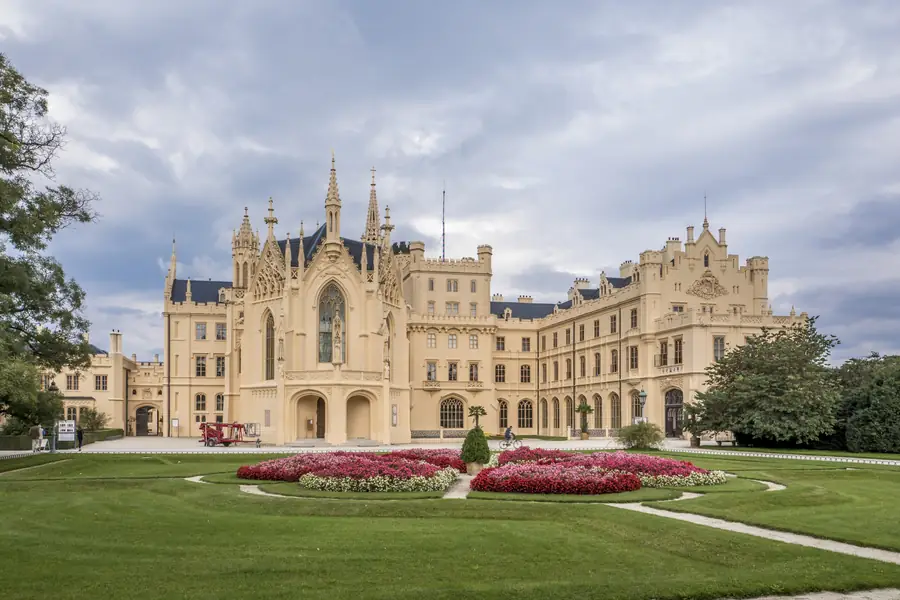
Covering some 280 square kilometres, the landscape was shaped by the princes of Liechtenstein, who linked their chateaux at Lednice and Valtice with an immense, carefully composed parkland of avenues, lakes and ornamental buildings. Among its romantic follies is a 60-metre Moorish-style minaret, an exotic tower rising incongruously from the Moravian countryside, alongside a Neo-Gothic chateau, a great palm house and classical temples scattered through the woods.
The Experience
You tour the lavish Neo-Gothic chateau of Lednice with its great palm house and gardens, climb the minaret for views over the parkland, and explore the woods, lakes and follies linking it to the Valtice chateau, by foot, bike, boat or carriage. The blend of grand palaces, exotic structures and serene landscape makes it a delightful and unusual destination, set in central Moravian wine country.
Why It Matters
The Lednice-Valtice Cultural Landscape is a masterpiece of landscape design and a UNESCO World Heritage Site, one of the largest artificial landscapes in Europe. It showcases the wealth, taste and ambition of the Liechtenstein dynasty and the Romantic ideal of the designed garden.
The Lednice-Valtice Cultural Landscape is a masterpiece of landscape design and a UNESCO World Heritage Site, one of the largest artificial landscapes in Europe.
Why Visit
Europe's largest designed landscape, a vast garden of palaces and follies including a Moorish minaret, in the Czech Republic's Moravian wine country.
✦ Insider Tips
- 1
Climb the 60-metre Moorish minaret for views.
- 2
Tour the Neo-Gothic Lednice chateau and palm house.
- 3
Explore the park by bike, boat or carriage.
- 4
It sits in Moravian wine country, ideal for tasting.