All landmarks and tourist attractions in Czechia
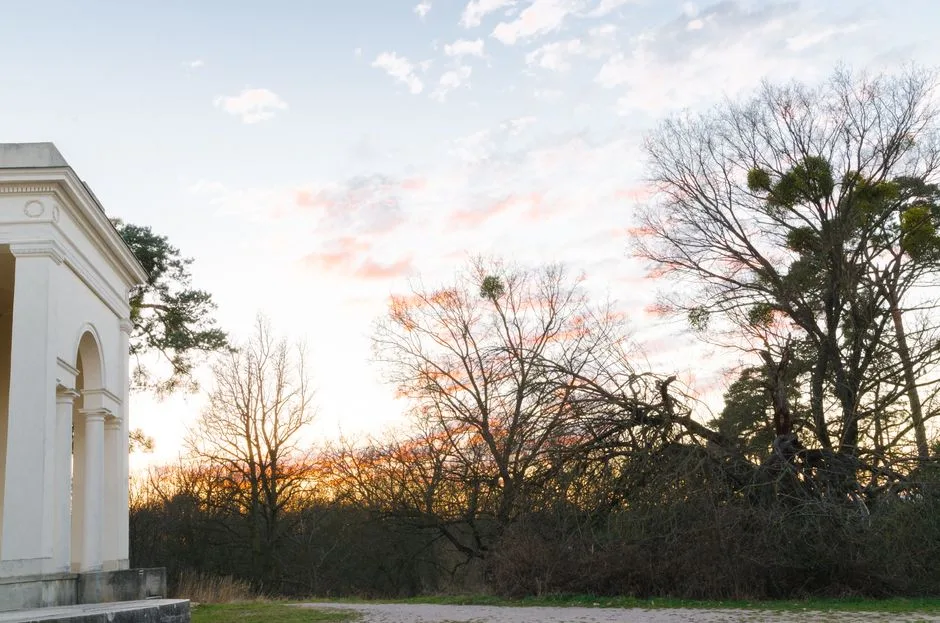
Lednice Valtice
For 250 years, the Liechtenstein family turned 283 square kilometers of Moravian flatland into a single designed landscape, two palaces, artificial lakes, and twenty-three follies including Europe's n
Explore →
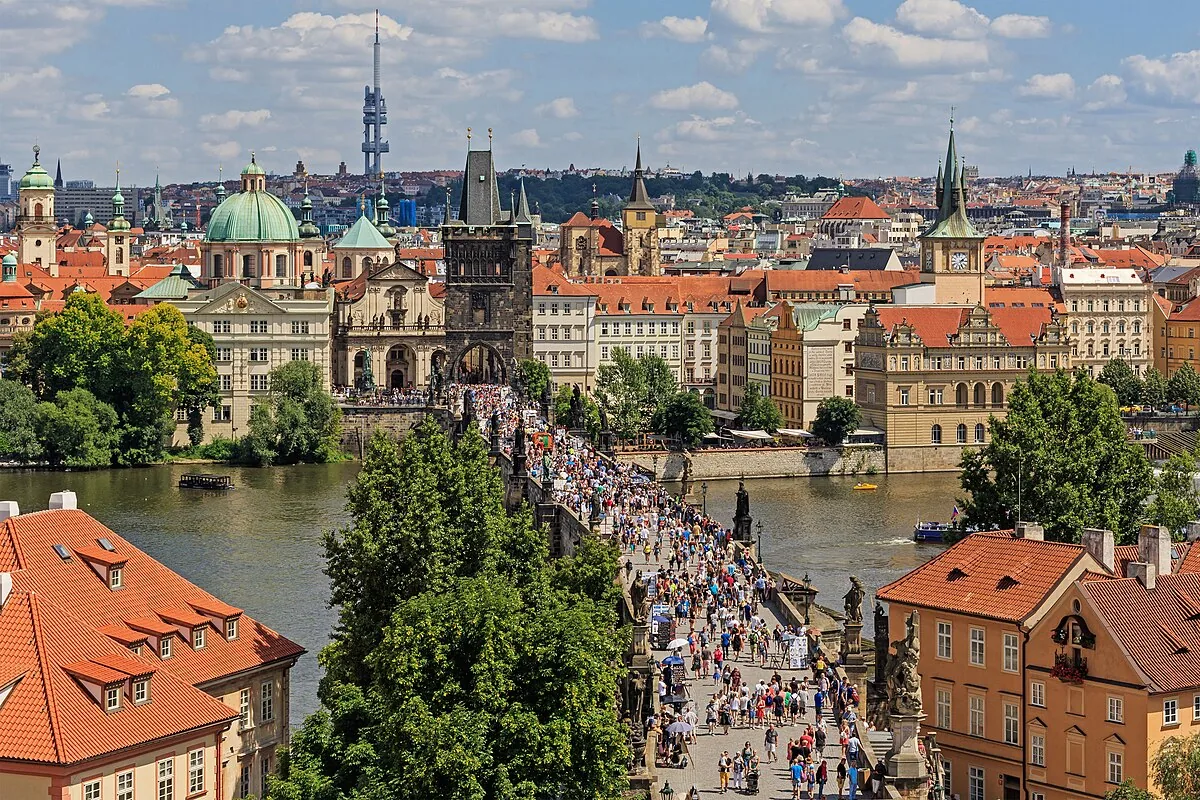
Charles Bridge
Thirty baroque statues flank this 14th-century Gothic sandstone span over the Vltava River; commissioned by Holy Roman Emperor Charles IV in 1357 to connect the Old Town with the Lesser Quarter; cross at 5 am when the pre-dawn mist obscures the bridge ends; the only sound is the rhythmic echoing of footsteps on granite cobbles and the distant splashing of the river weir.
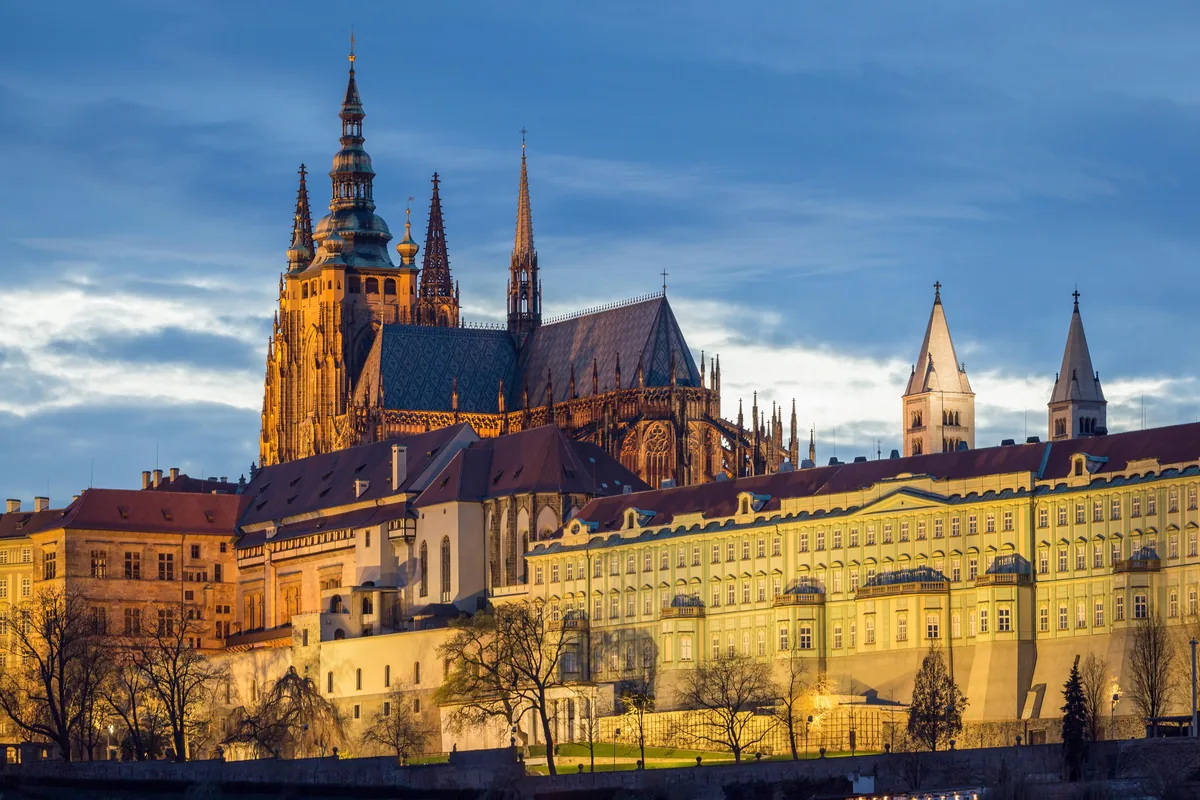
Prague Castle
The world largest coherent castle complex spans 70 hectares and serves as a 9th-century palimpsest of Romanesque; Gothic; and Renaissance architecture; the seat of Czech monarchs and presidents for over a millennium; arrive at the Hradčany square at opening; the changing of the guard ceremony provides a sharp; metallic clatter against the silence of the massive courtyards while the scent of old masonry lingers.
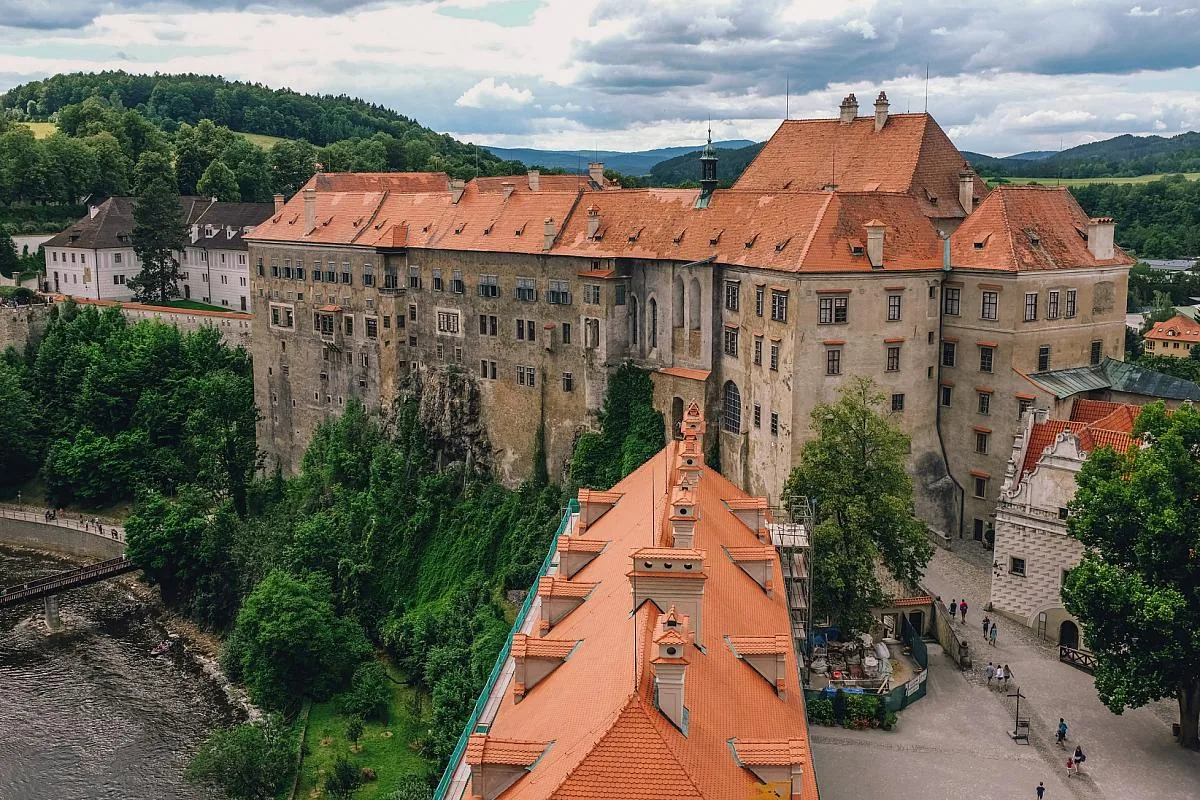
State Castle and Chateau Český Krumlov
A monumental 13th-century fortress perched on a sheer rock promontory above a hairpin loop of the Vltava River; featuring a rare; perfectly preserved Baroque theatre from 1766; walk the tiered gardens toward the castle tower at sunset; the sun-bleached terracotta roofs of the town below turn deep orange while the light hits the Renaissance mural paintings on the interior facade.
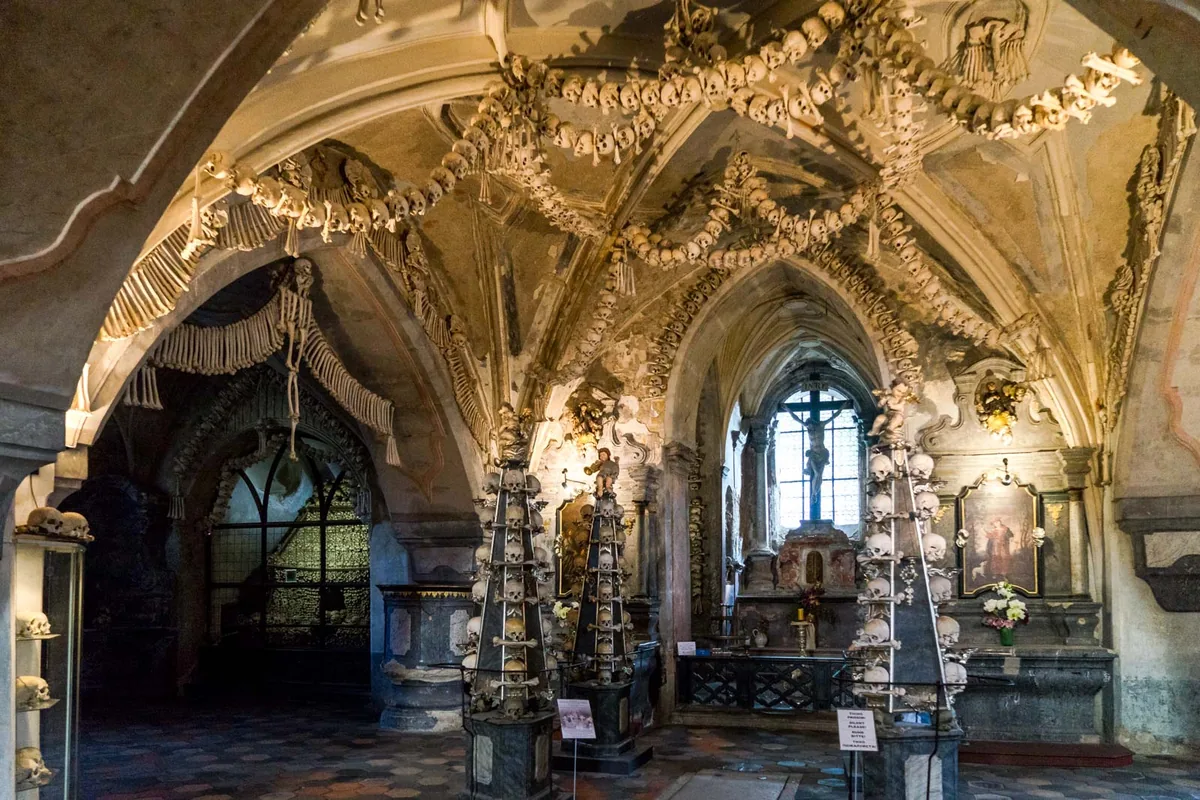
Sedlec Ossuary
The skeletal remains of 40;000 plague and war victims arranged into morbidly intricate Baroque decor; including a massive chandelier containing every bone in the human body; located beneath the 14th-century Cemetery Church of All Saints; descend the stairs at midday; the cool; damp air carries the faint scent of earth while shafts of light illuminate the dusty; yellowed texture of centuries-old calcium.
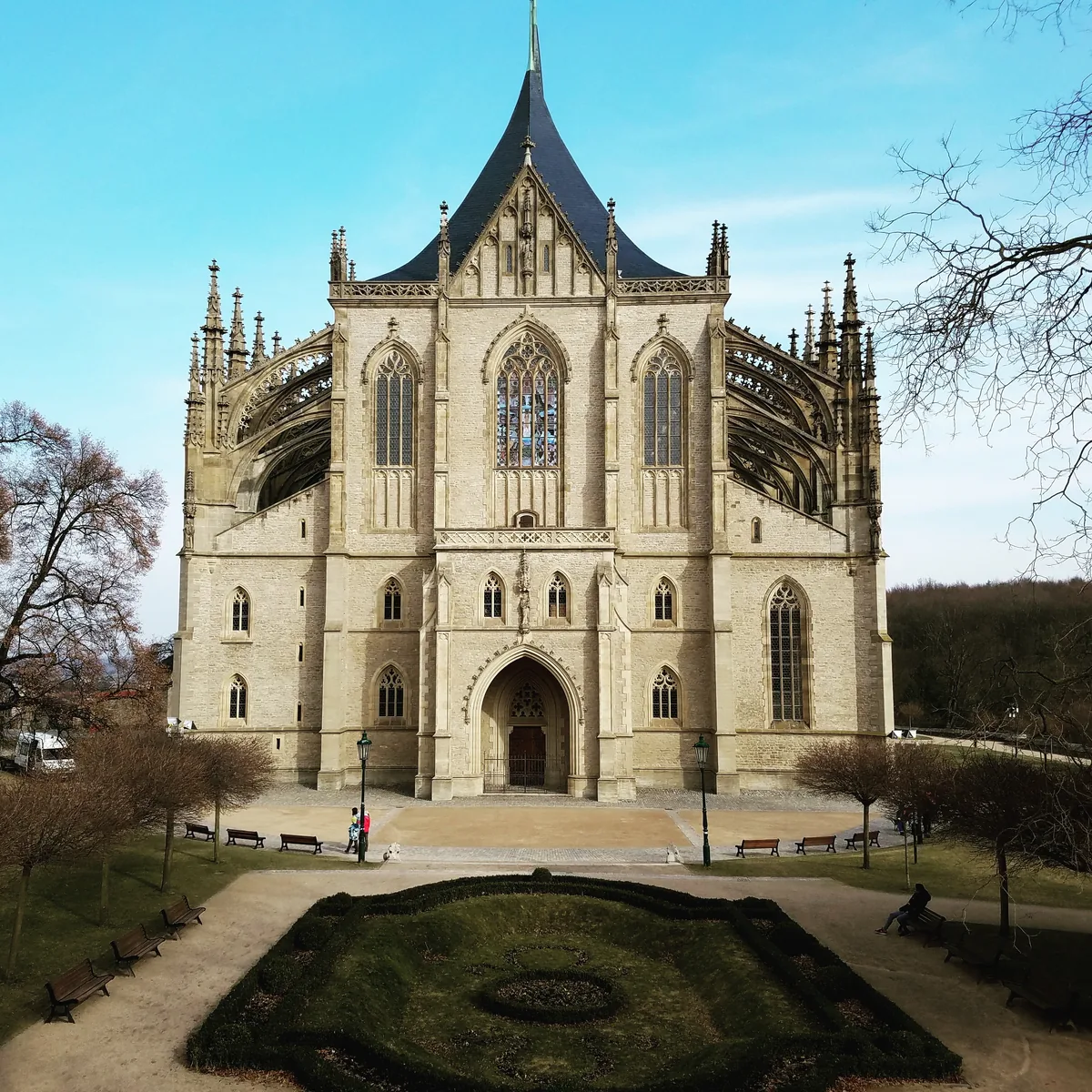
Saint Barbara Church
A 14th-century Late Gothic masterpiece dedicated to the patron saint of miners; featuring unique flying buttresses and three-tented roofs; the interior displays medieval frescoes of minting and mining; visit the upper galleries in late afternoon; the western sun penetrates the stained glass; casting vibrant violet and crimson pools across the ribbed vaulting and the cold; hand-carved stone pillars.
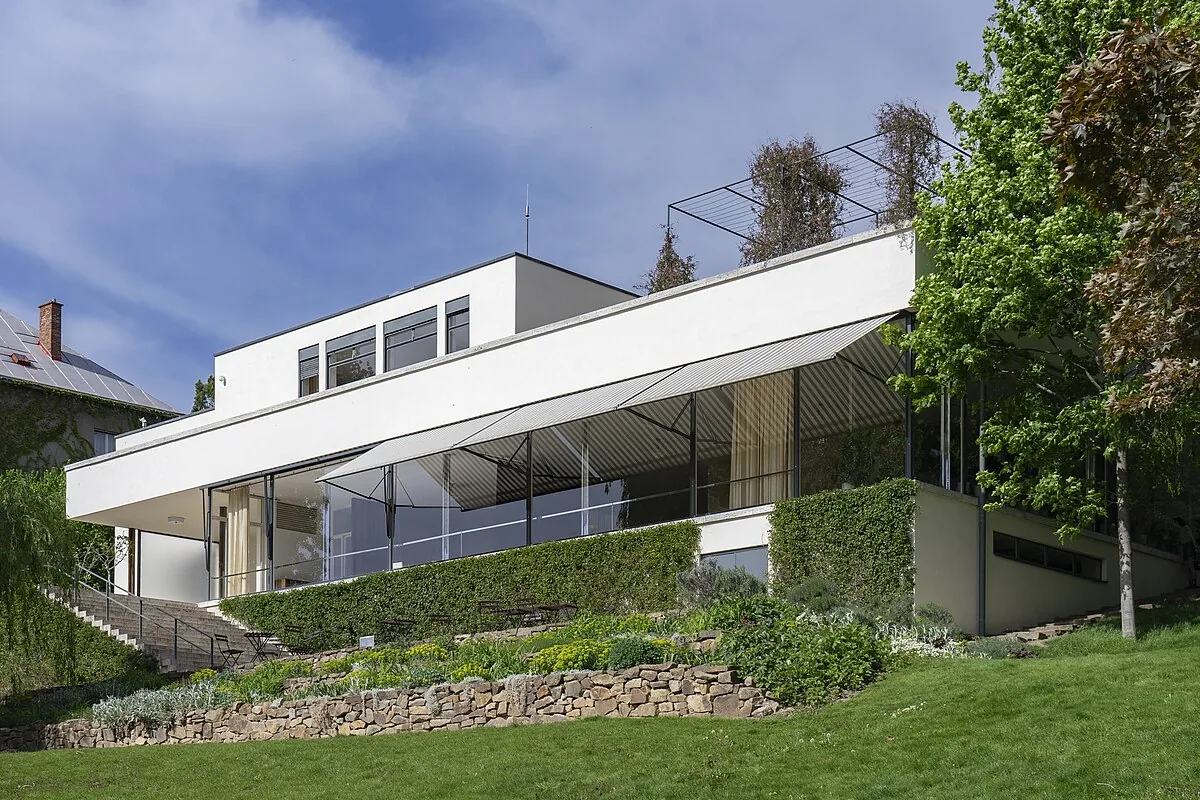
Villa Tugendhat
Mies van der Rohe 1930 Functionalist masterpiece is a radical manifesto of iron; glass; and rare stone; the onyx wall from Morocco turns translucent when hit by direct sunlight; stand in the main living space at 3 pm; the floor-to-ceiling windows disappear into the floor; merging the interior with the garden while the light reflects off the chrome-clad steel columns with surgical precision.
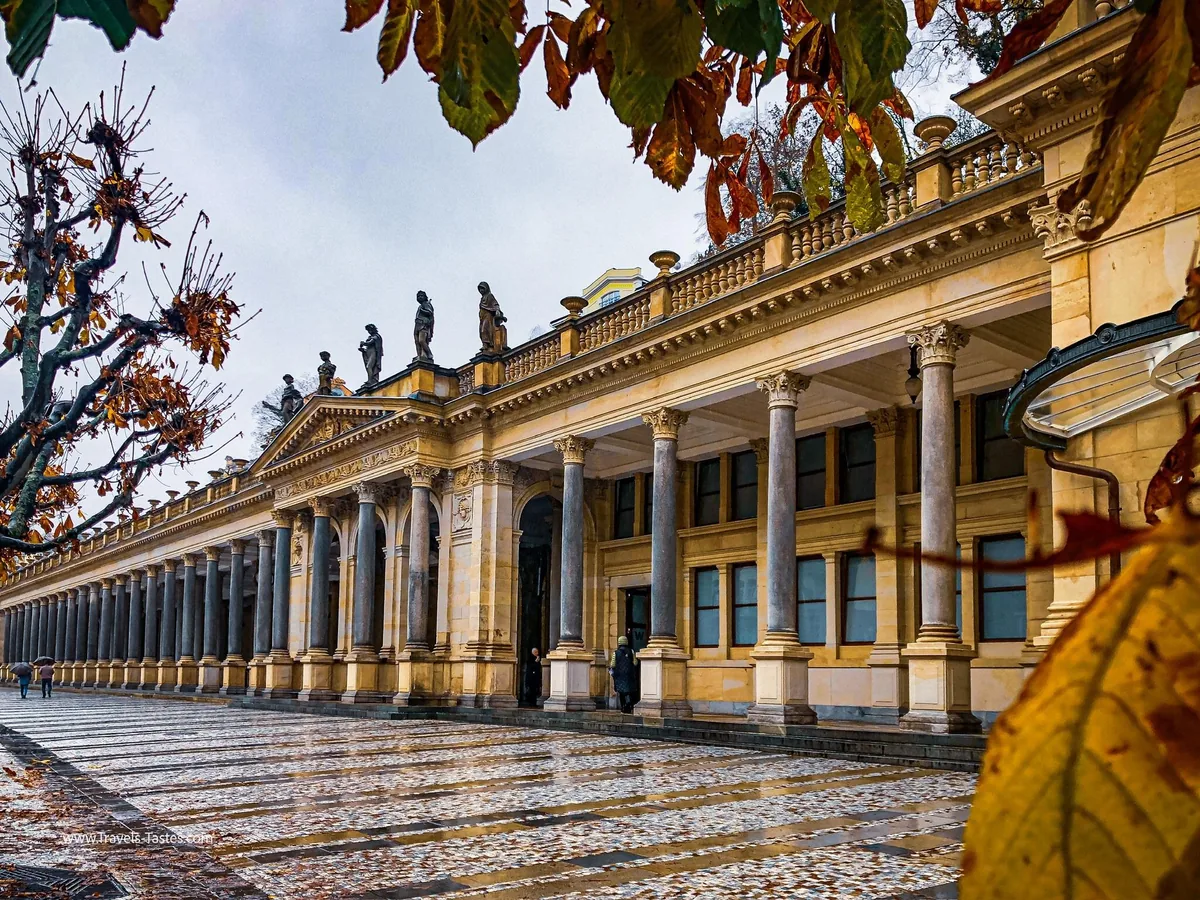
Mill Colonnade
A Neo-Renaissance limestone structure designed by Josef Zítek in 1881; housing five hot mineral springs beneath 124 Corinthian columns; the Corinthian portico stretches 132 metres along the Teplá River; arrive at 7 am; the steam from the thermal water rises in thick plumes against the morning light; the sound of porcelain cups clinking against the stone fountains marks the start of the daily spa ritual.
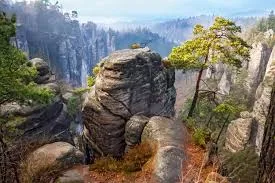
Bohemian Paradise
Towering 90-million-year-old quartz sandstone pinnacles rise from the forest floor to elevations of 400 metres; these 'rock cities' are remnants of a prehistoric sea bed; hike the Golden Trail toward the Mariánská viewpoint at dawn; the morning light catches the sun-bleached sandstone faces while the scent of pine needles and damp moss rises from the deep; shaded crevices of the canyons.
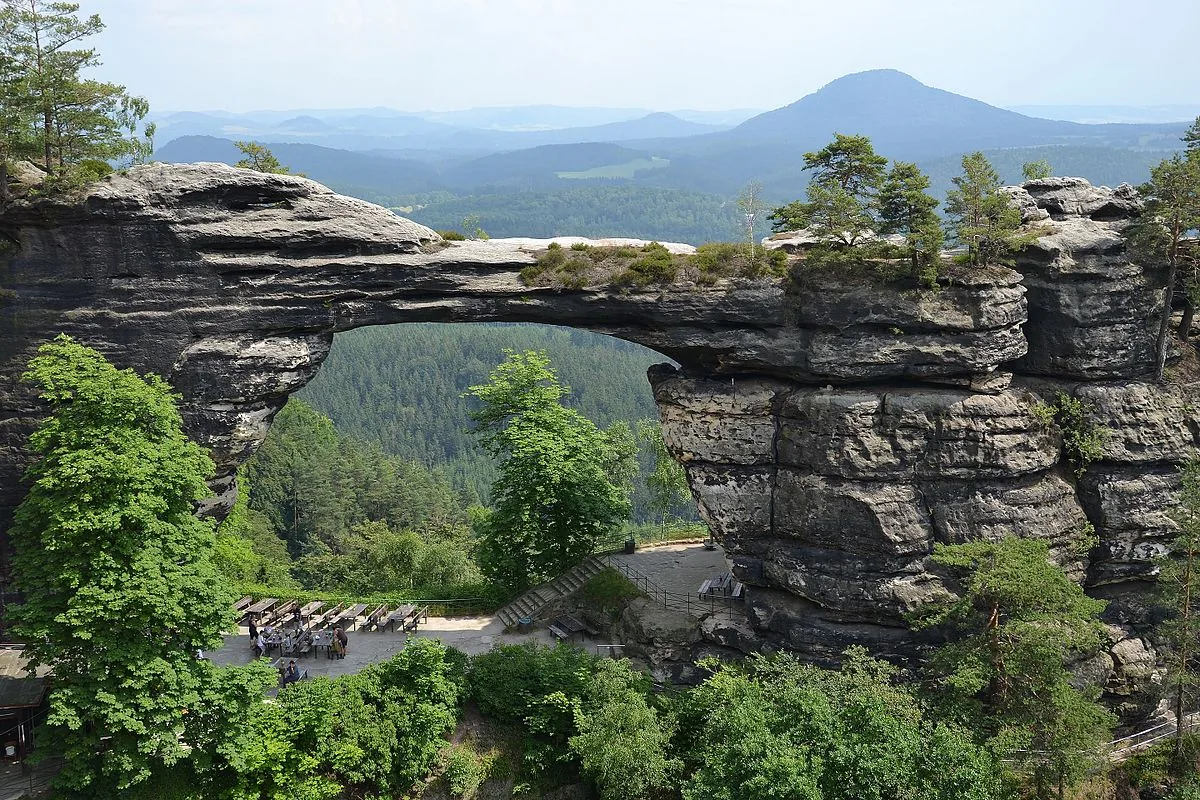
Pravčická brána
Europe largest natural sandstone arch spans 26 metres and towers 16 metres high within the Bohemian Switzerland National Park; a fragile geological formation from the Mesozoic era; reach the Falcon’s Nest viewpoint at opening; the horizontal light reveals the layered texture of the sedimentary rock while the sound of the wind through the spruce canopy provides a constant; low-frequency hum.
Lednice-Valtice Cultural Landscape
An artificial 280-square-kilometre English landscape garden containing a Neo-Gothic chateau; a 60-metre Moorish minaret; and a massive 19th-century palm house; the 'Garden of Europe' represents centuries of Liechtenstein family engineering; explore the turquoise ponds by boat at dusk; the light catches the white stone of the minaret while the air smells of blooming water lilies and wet alluvial soil.
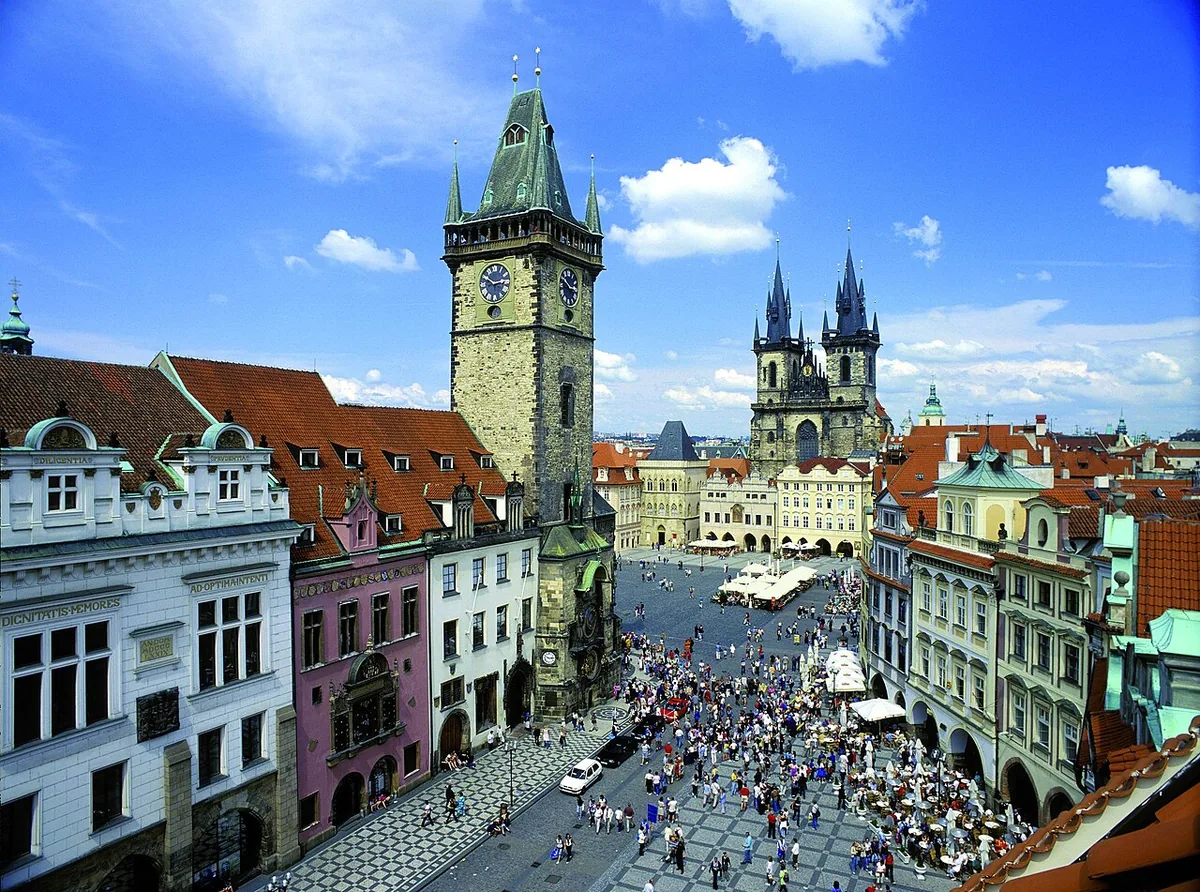
Old Town Square
The 10th-century heart of the capital is anchored by the Astronomical Clock; which has performed its mechanical 'Walk of the Apostles' every hour since 1410; the square is a clash of Gothic spires and Baroque facades; stand beneath the clock tower five minutes before the hour; the crowd falls silent in anticipation; then the whirring of 600-year-old iron gears erupts into a metallic chime.
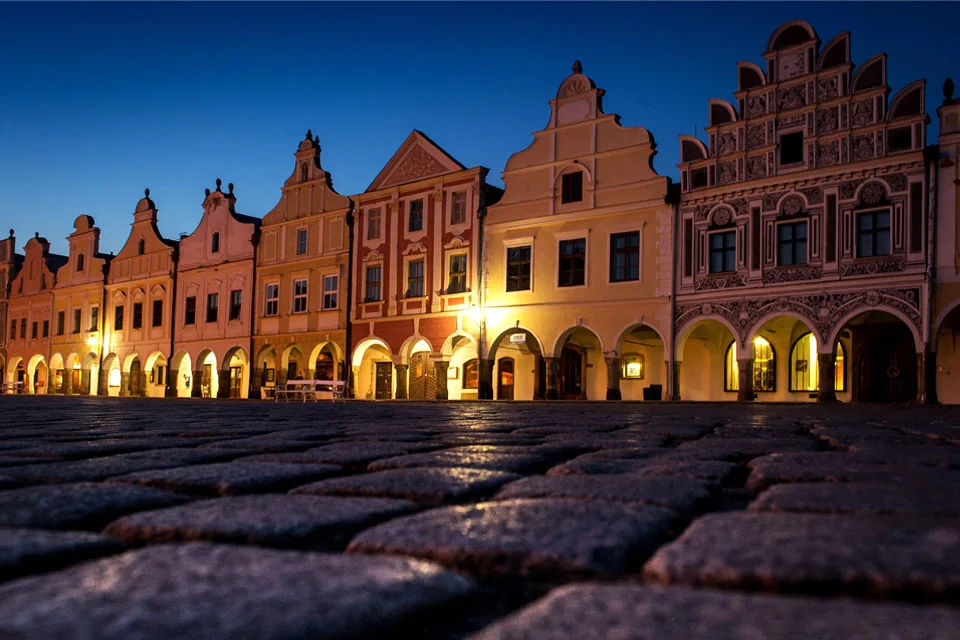
Zachariáš of Hradec Square
A perfectly preserved Renaissance triangular square defined by a continuous row of 16th-century high-gabled houses with sgraffito facades and arcades; the site remains unchanged since the 1500s; walk the arcades at 10 am; the rhythmic architecture creates a play of deep shadow and bright light across the cobbles; the air is still; carrying only the faint scent of fresh pastry from the corner bakeries.
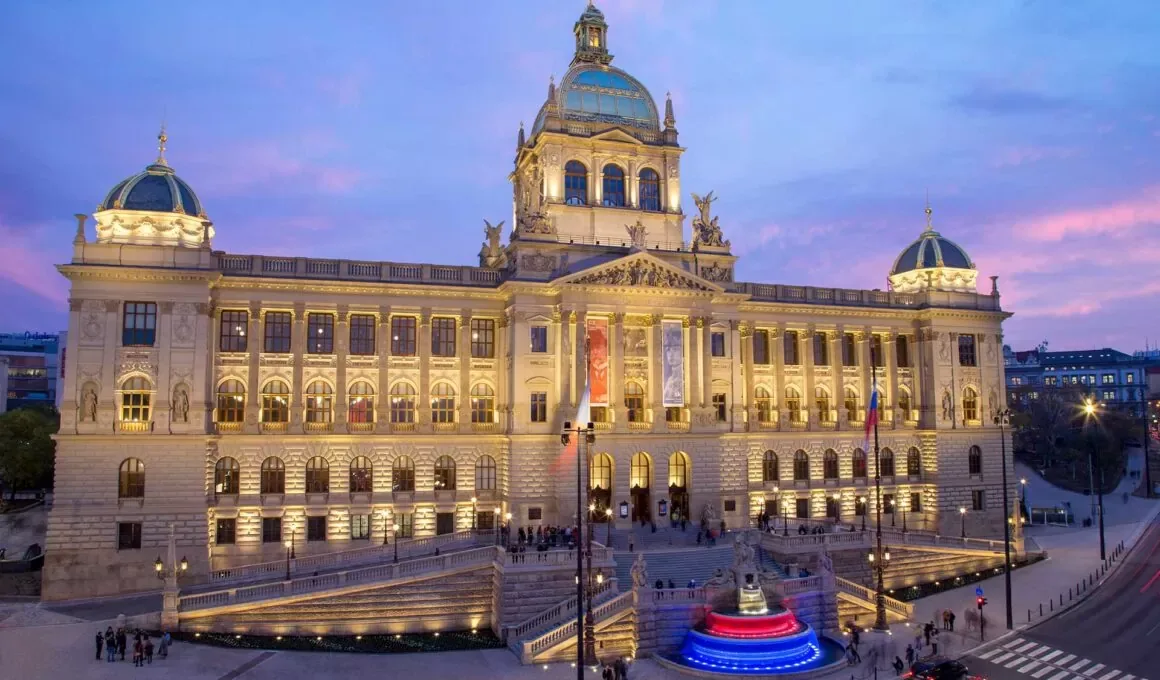
National Museum
An imposing Neo-Renaissance monument at the head of Wenceslas Square; housing 14 million items from natural history to archaeology; the 1891 Pantheon features statues of Czech national heroes beneath a massive glass dome; stand in the central hallway at midday; the sun reflects off the polished marble floors and gilded stuccowork; creating a grand; echoing atmosphere that defines the Czech National Revival.
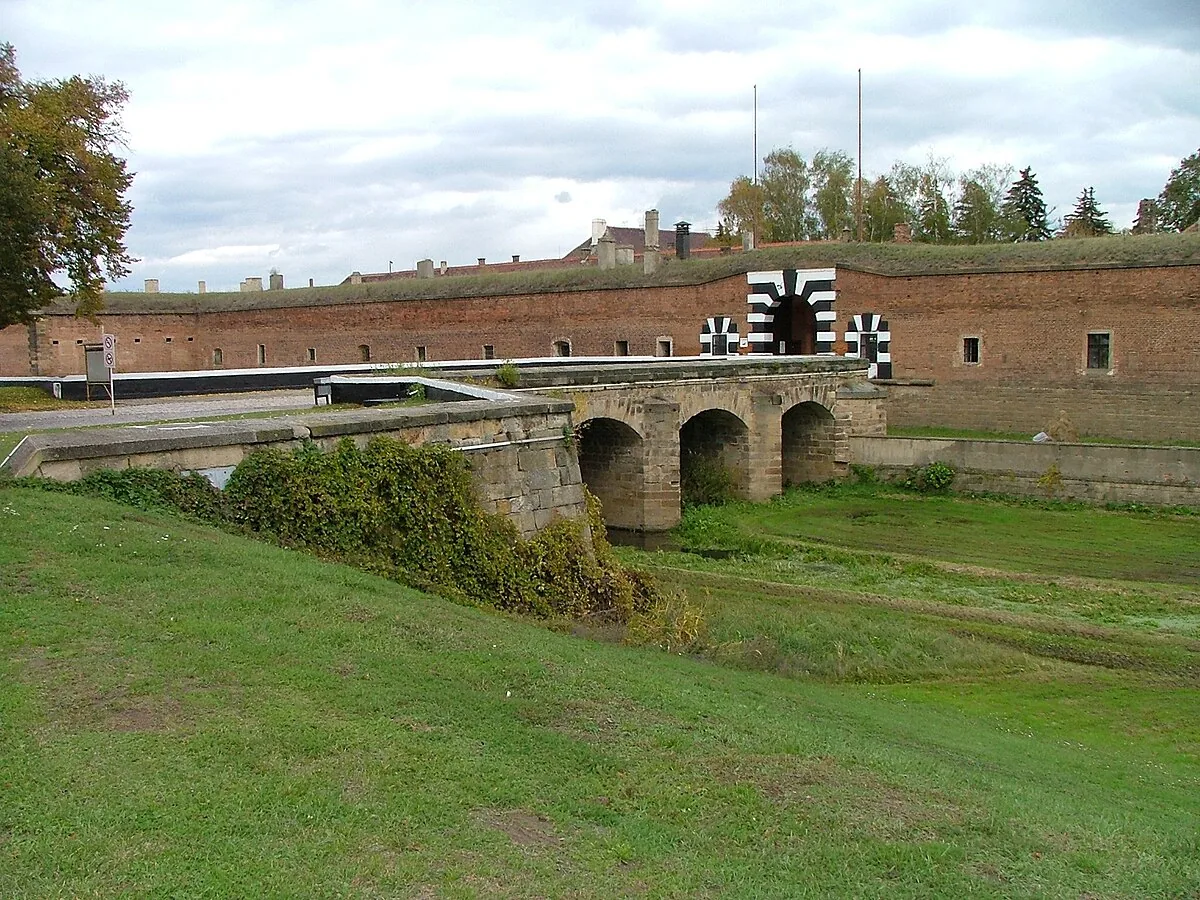
Terezín Small Fortress
An 18th-century star-shaped brick stronghold used by the Gestapo as a political prison and transit camp during the Holocaust; the red-brick tunnels and damp cells remain largely in their original state; enter the main gate through the tunnel at 9 am; the cold humidity of the masonry is immediate while the stark; grey light in the courtyard emphasises the brutal; functionalist geometry of the site.
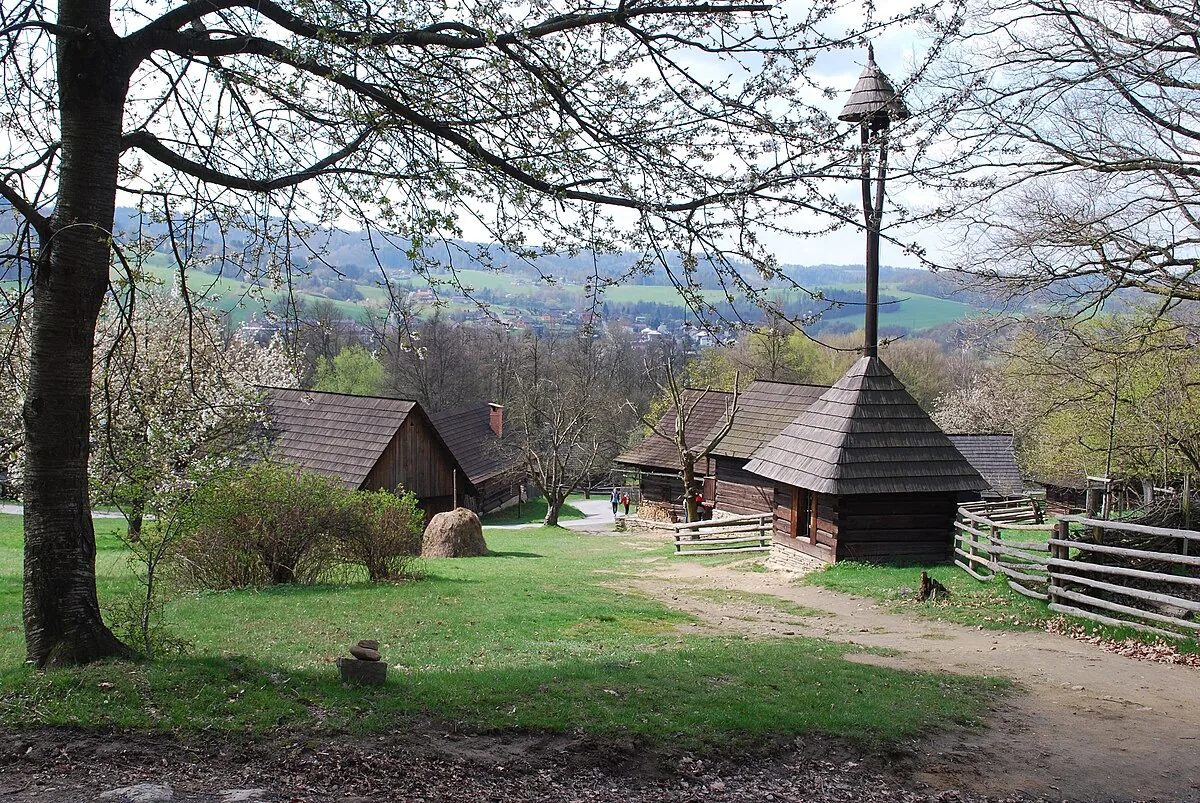
Wallachian Open Air Museum
The largest and oldest of its kind in Central Europe; preserving the hand-hewn timber architecture and folk traditions of the Moravian highlands since 1925; the complex includes working water mills and wooden churches; visit the wooden town section during a local festival; the smell of burning wood and fermented cabbage fills the air while the sound of hand-hammered copper tools echoes from the blacksmith’s hut.
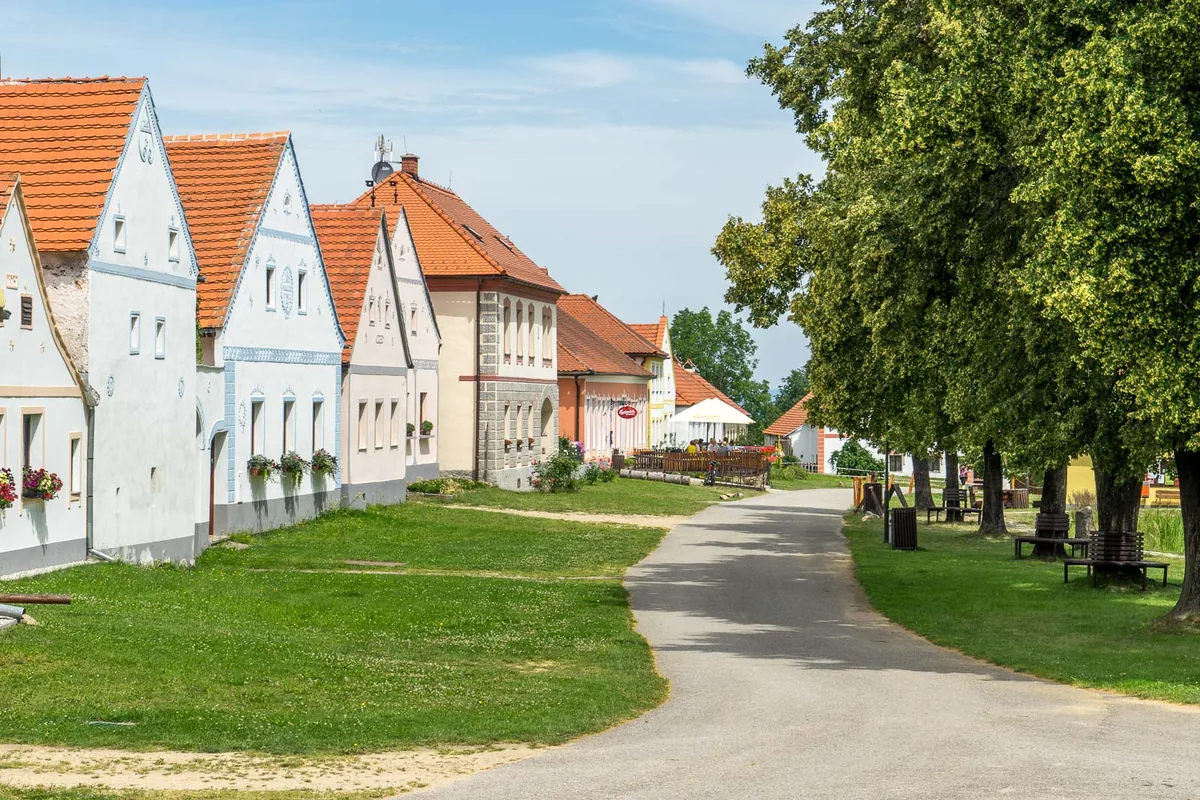
Holašovice Historic Village
A 13th-century South Bohemian hamlet consisting of 23 brick farmsteads built in the unique 'Folk Baroque' style; the gable ends are decorated with colourful; hand-painted floral motifs and scrolls; arrive in the central green at midday; the intense light saturates the yellow and white plaster of the facades; the absolute quiet is broken only by the distant clucking of poultry and the rustling of linden trees.
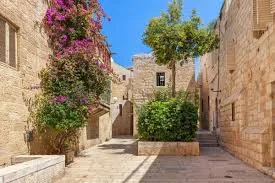
Jewish Quarter
One of Europe best-preserved Jewish ghettos; featuring a dense labyrinth of 123 houses; two synagogues; and a cemetery with 3;000 tombstones dating to 1625; the district represents centuries of peaceful coexistence with the neighbouring Christian basilica; walk the narrow; sun-bleached alleys at twilight; the shadows stretch across the rough stone walls while the smell of damp river air drifts from the Jihlava.
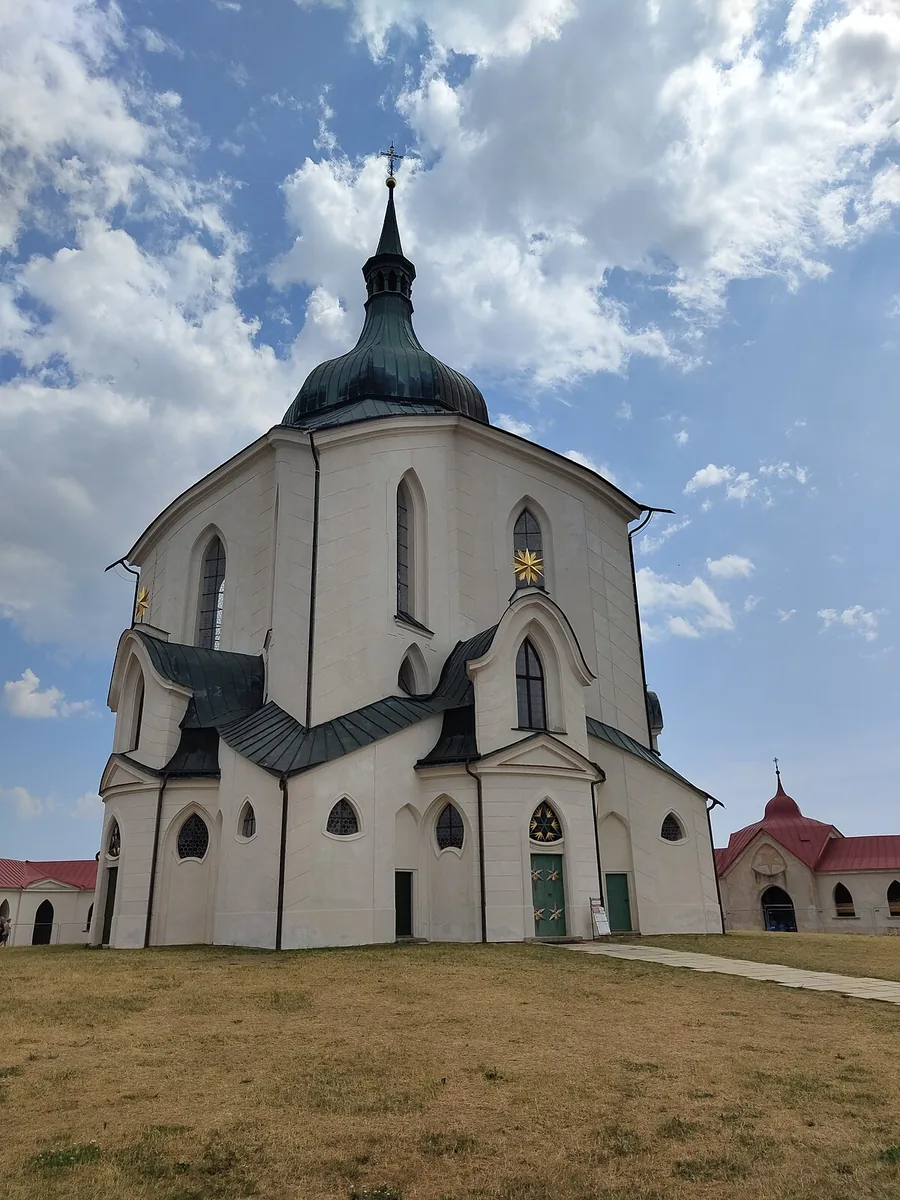
Pilgrimage Church of Saint John of Nepomuk
A 1720 Baroque Gothic masterpiece by Jan Blažej Santini-Aichel; designed around the symbolic number five with a star-shaped ground plan and five portals; the interior is an ethereal play of light and mathematical symmetry; enter during a morning service; the acoustics are hauntingly clear as light hits the white and gold stuccowork; the air is cool and smells of beeswax and ancient dust.
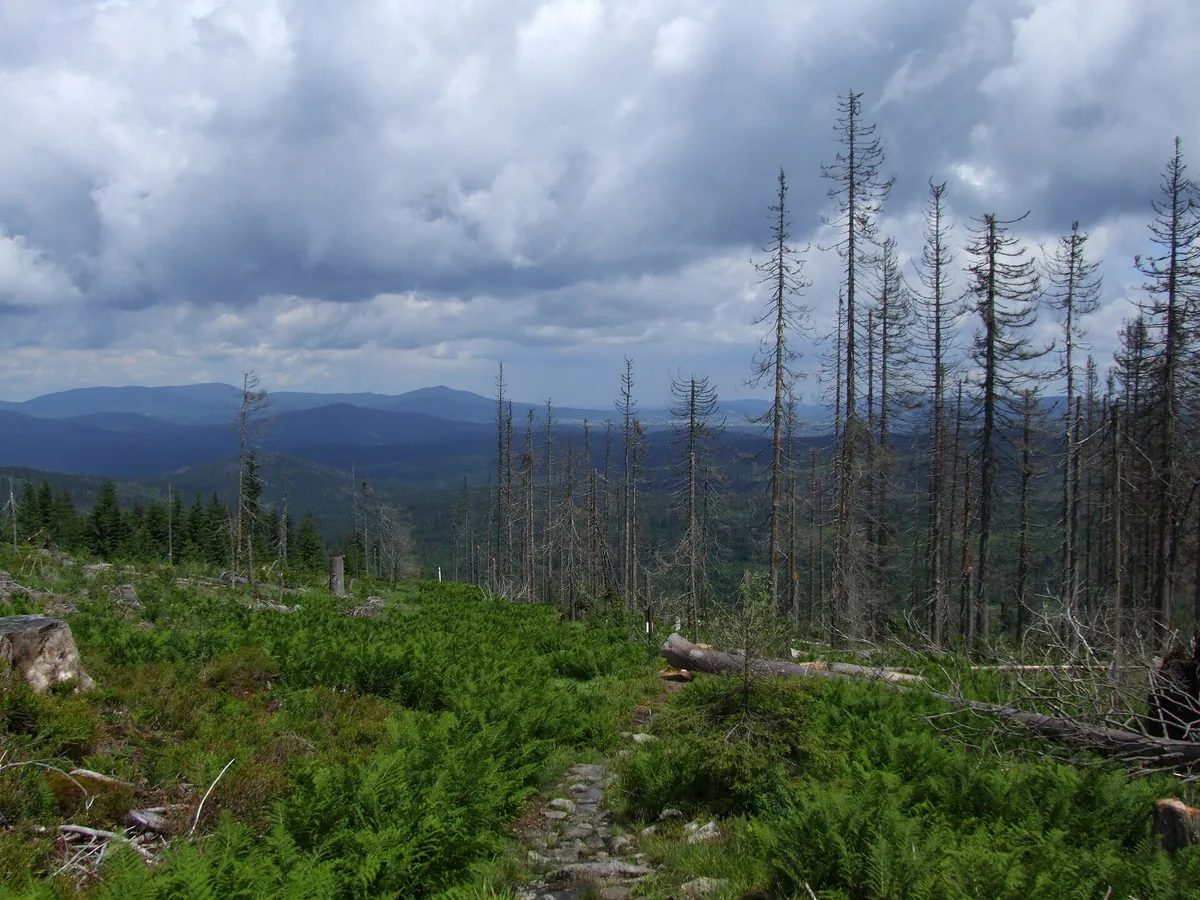
Boubín Primeval Forest
A 666-hectare core zone of spruce and fir forest that has remained untouched by human hands for over 400 years; featuring giant trees over 50 metres tall and moss-slicked basalt boulders; hike the circular trail after a rainstorm; the humidity is high and the air is thick with the scent of decaying wood and fresh resin; the silence is absolute; muffled by the deep layers of forest floor peat.
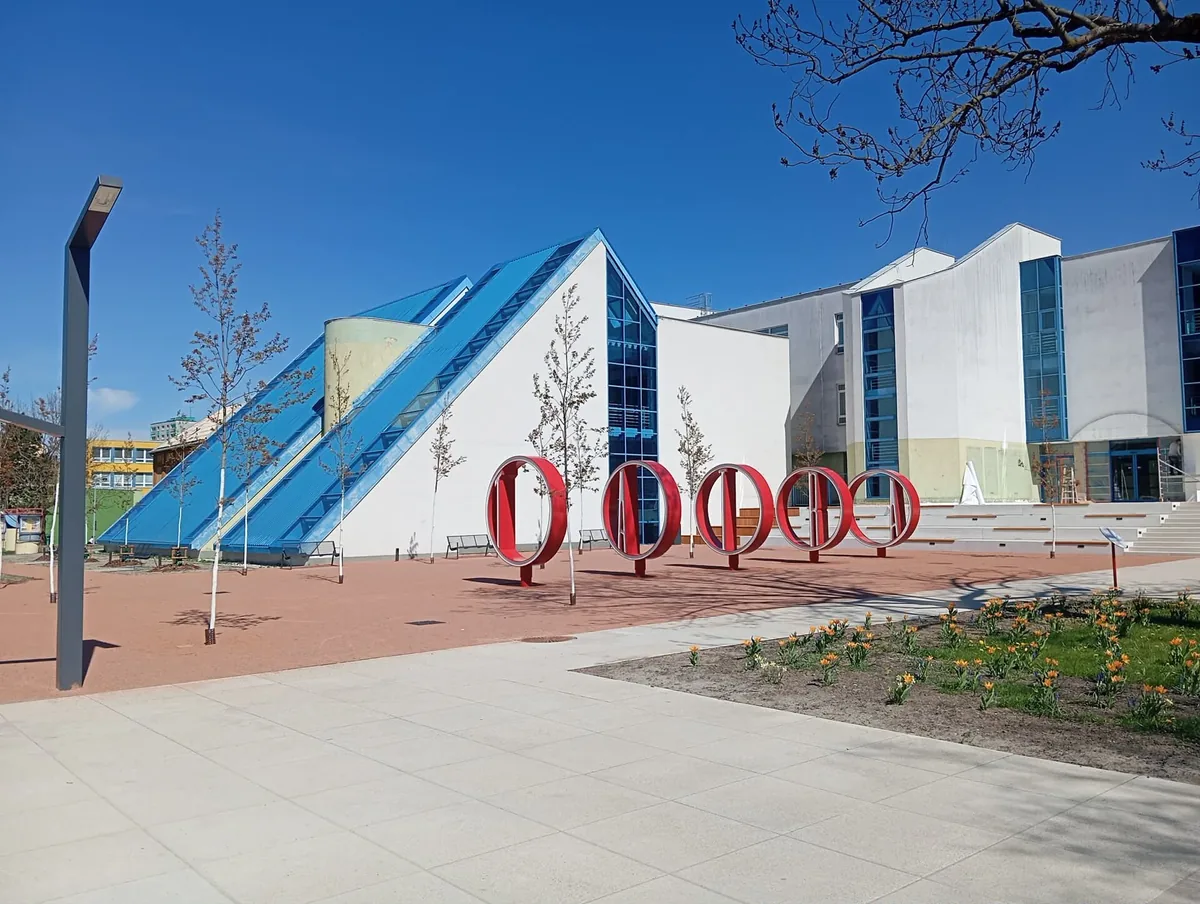
Tatra Technical Museum
A specialist repository dedicated to the avant-garde automotive history of the Tatra company; featuring the aerodynamic; streamlined luxury cars of the 1930s that influenced the Porsche 911; the collection is housed in a modern industrial space; walk the main hall at 11 am; the light gleams off the hand-polished steel and chrome of the T77; highlighting the revolutionary curves that defined 20th-century industrial design.
Cesky Krumlov
The Rosenbergs, the Eggenbergs, the Schwarzenbergs, and Egon Schiele all left something in Český Krumlov. The Baroque theatre they left behind still has its original stage machinery. The town below th
Jewish Quarter Prague
The names of 77,297 Bohemian and Moravian Jews who were killed in the Holocaust are written by hand on the walls of the Pinkas Synagogue. The Old-New Synagogue next to it has been in use since the 127
Saint John Of Nepomuk Church
An architect built a pilgrimage church whose entire plan is composed of fives, for a saint with a five-starred crown, in a style he invented by combining Gothic structure with Baroque space. Nobody el