Before this canal opened in 1869, ships from Europe to Asia had to sail all the way around Africa.
About The Suez Canal
The Suez Canal was constructed under the direction of Ferdinand de Lesseps and opened in 1869 after years of labour, linking the Mediterranean and Red Seas across the Egyptian isthmus. It became a strategic and economic prize, central to global trade and the subject of international crises, and was later nationalised by Egypt. It remains one of the world's busiest and most important shipping routes.
What The Suez Canal actually is
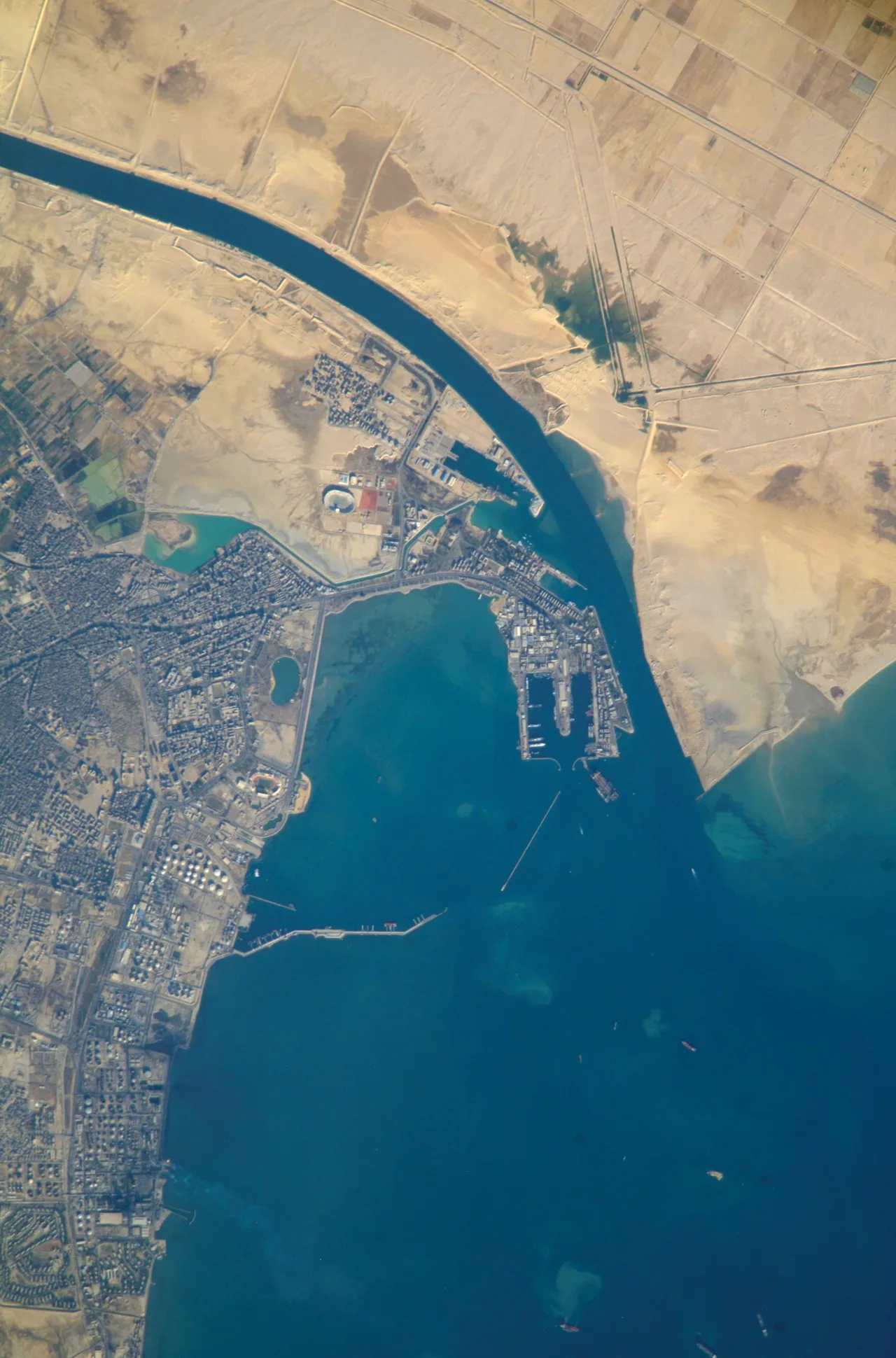
The Suez Canal is one of the most important waterways in the world, a 193-kilometre artificial channel cutting through Egypt to connect the Mediterranean Sea with the Red Sea. Opened in 1869, it transformed global trade by allowing ships to pass between Europe and Asia without sailing all the way around Africa, and it remains a vital artery of international commerce.
“The Suez Canal is one of the most important waterways in the world, a 193-kilometre artificial channel cutting through Egypt to connect the Mediterranean Sea with the Red Sea.”
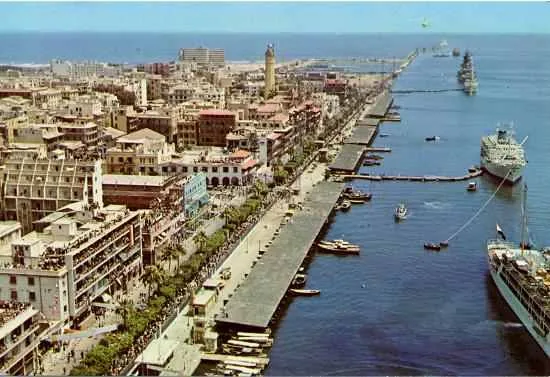
The Suez Canal, Egypt
A Shortcut Between Two Seas
Before the canal, ships travelling between Europe and Asia had to make the long and dangerous voyage around the southern tip of Africa. The Suez Canal, built across the desert isthmus over a decade and opened in 1869, created a direct sea route between the Mediterranean and the Red Sea, slashing journey times and reshaping world trade. Today thousands of vessels a year, including the largest container ships, glide through the narrow blue ribbon of water amid the surrounding sands.
The Experience
You can watch the canal from towns along its banks, such as Port Said and Ismailia, where the surreal sight of enormous container ships and tankers seeming to glide through the desert is unforgettable. Museums and viewpoints explain the canal's history and engineering. While not a typical tourist attraction, witnessing this great artery of world trade in action is a remarkable experience.
Why It Matters
The Suez Canal is one of the most significant feats of engineering and one of the most strategically important waterways in human history, central to global trade and geopolitics for over 150 years. It is a monument to ambition and a vital link between continents and economies.
Why Visit
One of the world's most important waterways, where you can watch giant ships glide through the Egyptian desert on the Suez Canal connecting two seas.
Insider Tips
- 1
Watch giant ships pass from Port Said or Ismailia.
- 2
Visit a canal museum for the history and engineering.
- 3
It opened in 1869, transforming world trade.
- 4
The cooler months are most comfortable for visiting.