All landmarks and tourist attractions in Egypt
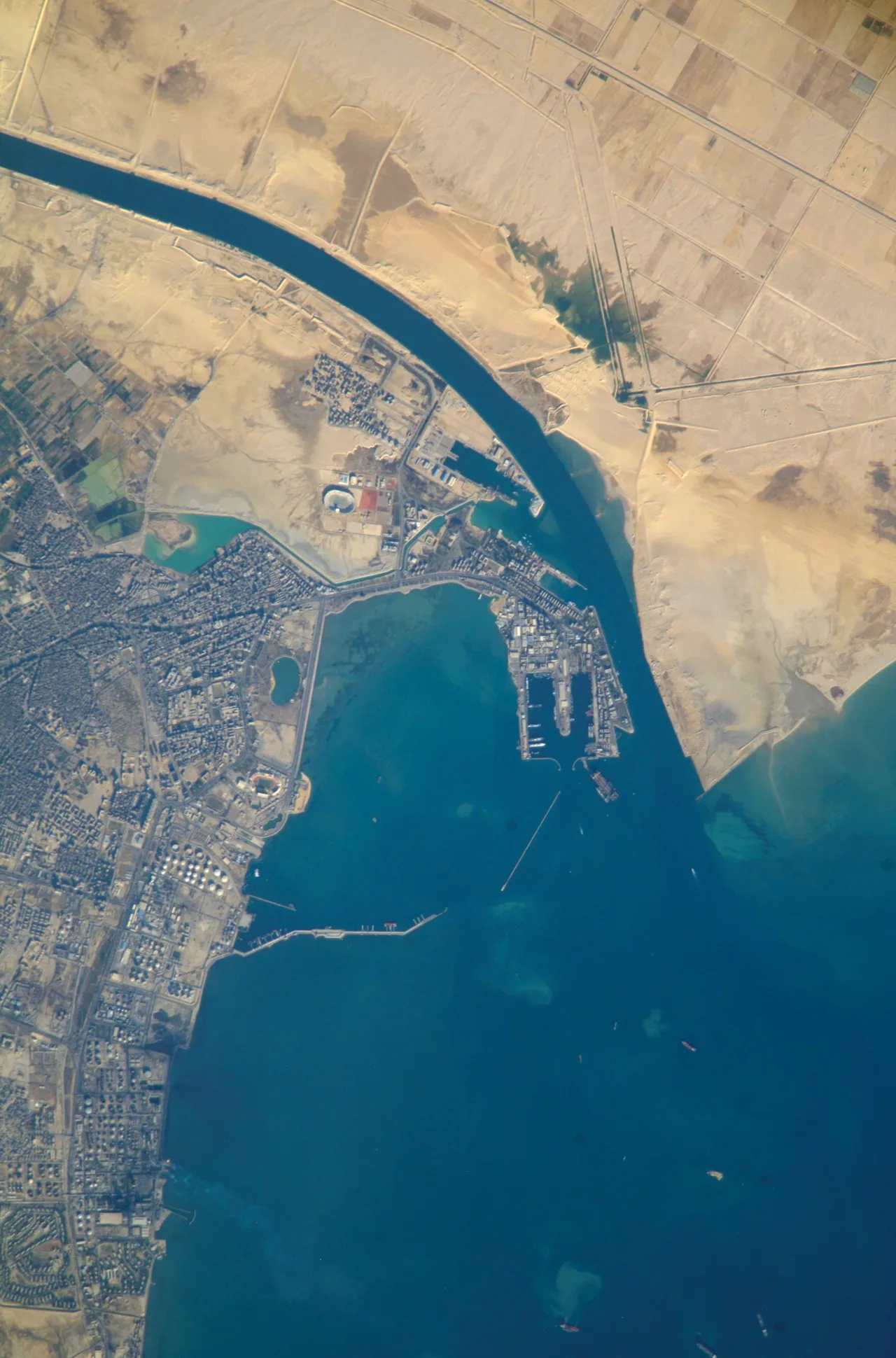
Suez Canal
Up to 15 percent of global trade passes through this 193-kilometer desert channel each year, and you can watch the ships from the bank in Ismailia.
Explore →
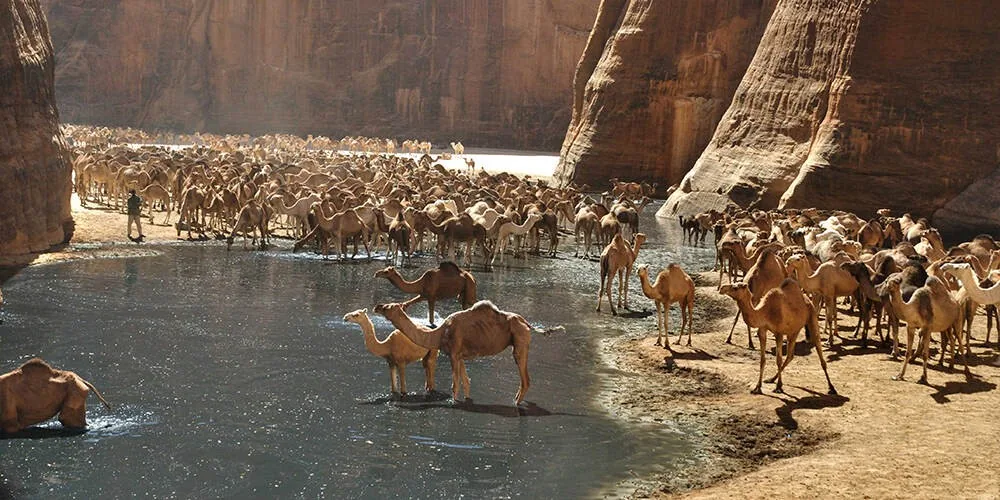
Wadi El Gemal
Egypt's least disturbed Red Sea reef system, a coastal mangrove forest, and ancient Pharaonic gold mines share a single protected desert park south of Marsa Alam.
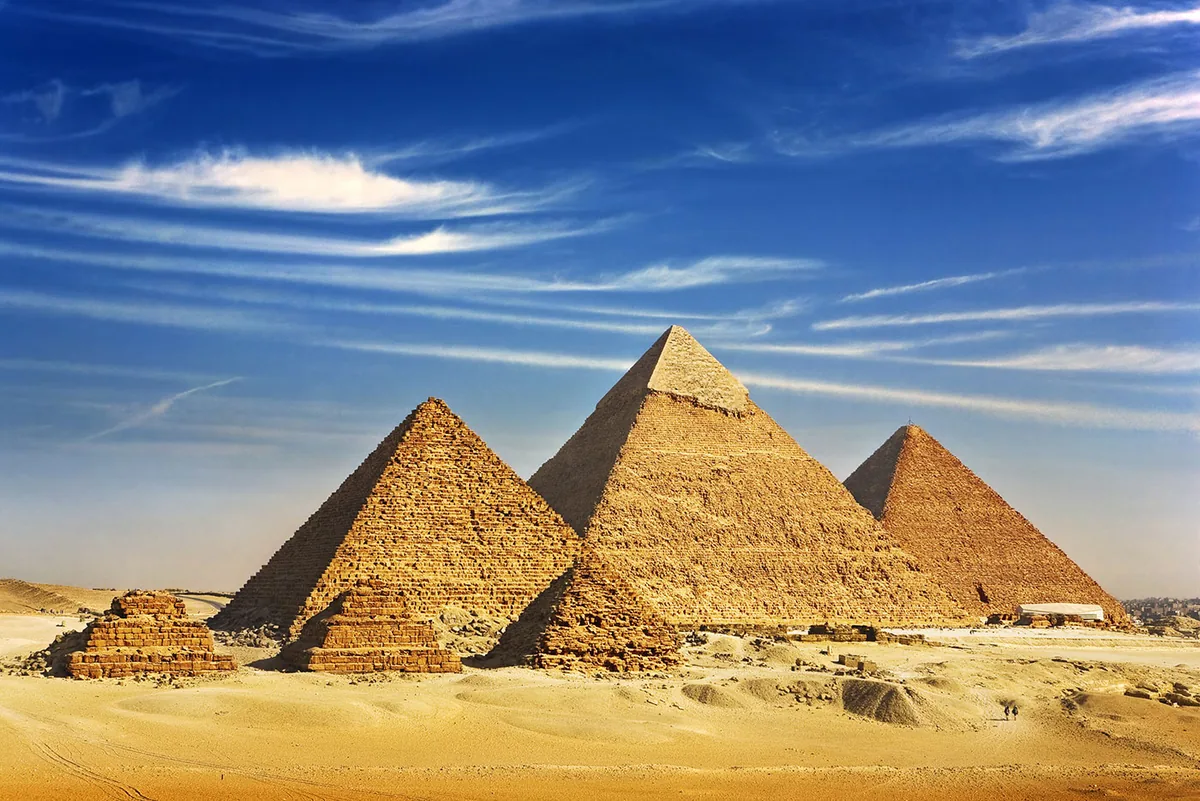
Pyramids of Giza
The last standing Wonder of the Ancient World; these 4th-dynasty limestone massifs were engineered with such precision that the Great Pyramid faces true north within three-sixtieths of a degree; enter the Grand Gallery at 8 am; the air is tight and smells of dry dust and ancient stone while the sheer scale of the 50-ton granite lintels overhead creates a crushing sense of antiquity.
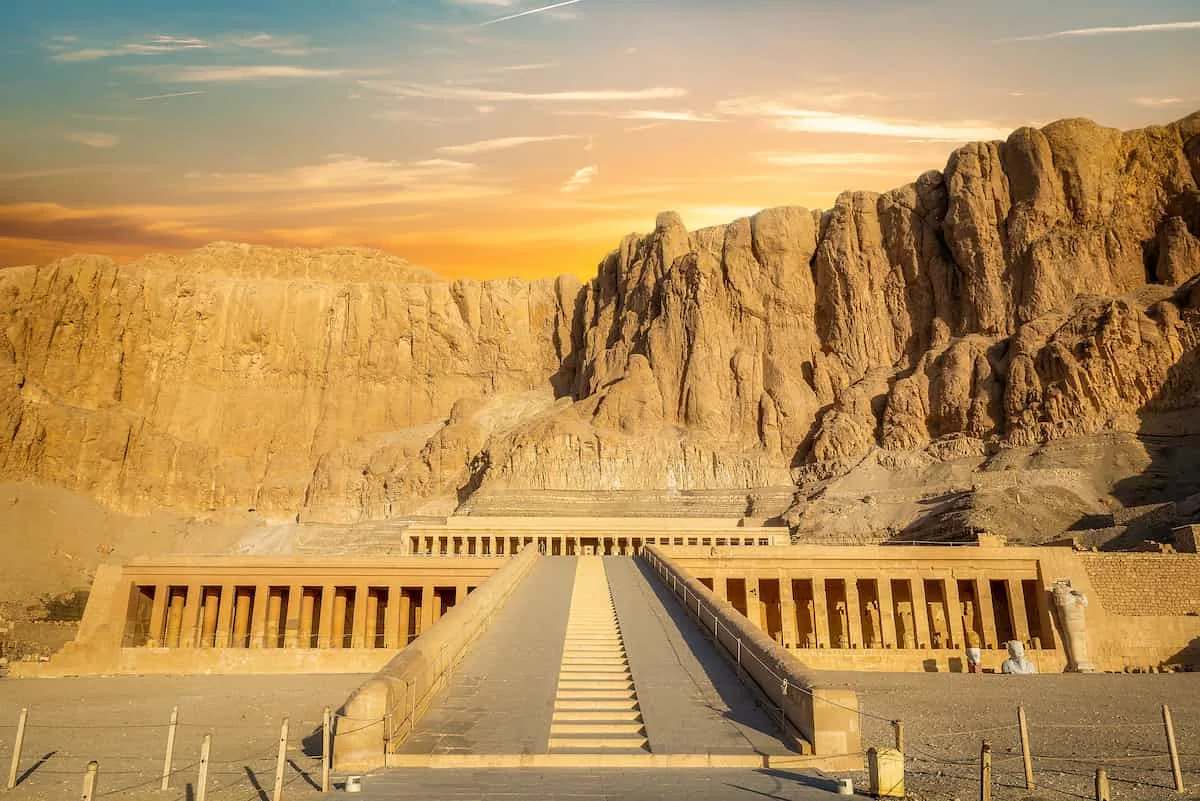
Valley of the Kings
A hidden necropolis of 63 royal tombs carved into the limestone of the Theban Hills; the 14th-century BC subterranean chambers retain vivid polychrome reliefs of the Book of Gates; descend into the tomb of Seti I at midday; the heat outside vanishes as you enter a cool; silent world where the ceiling is painted a deep; astronomical lapis lazuli dotted with yellow stars.
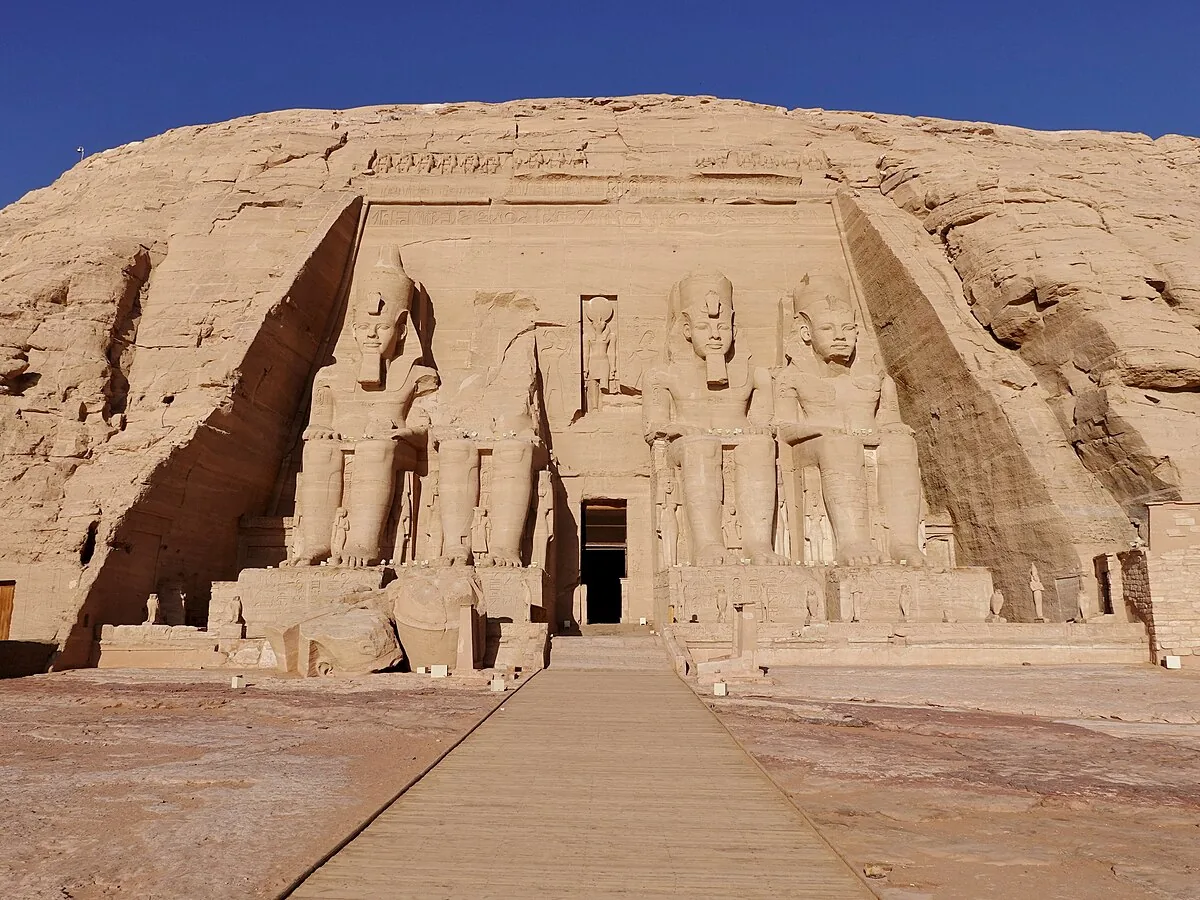
Abu Simbel
Two rock-cut temples commissioned by Ramesses II in 1264 BC; featuring four 20-metre statues carved directly into a sandstone cliff; the alignment ensures that twice a year the sun penetrates 60 metres into the sanctuary to illuminate the gods; arrive at 5 am; the pre-dawn light turns the facade a deep; saturated ochre while the desert wind rattles the dry palm fronds in the distance.
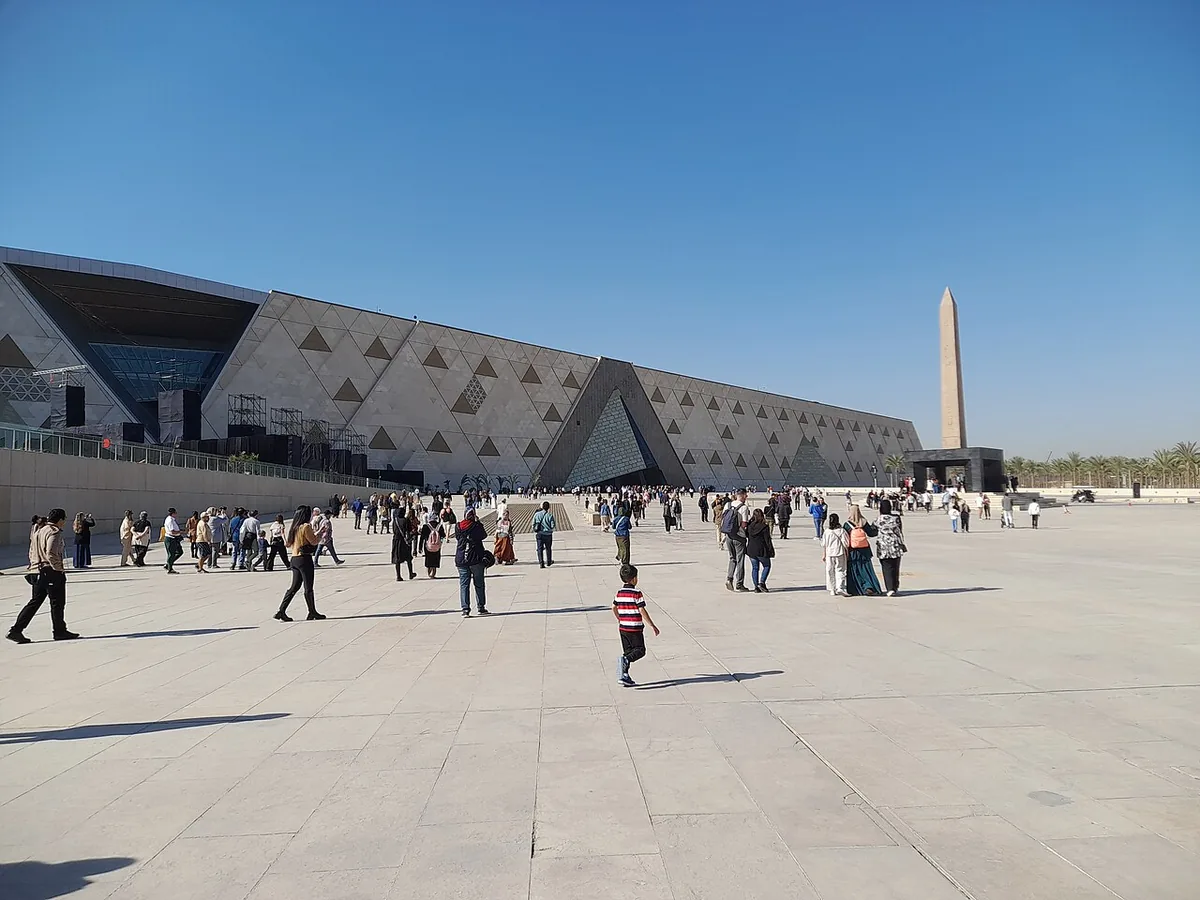
The Grand Egyptian Museum
A 21st-century architectural monolith of translucent alabaster and steel housing the complete 5;000-piece Tutankhamun collection; the grand staircase features 87 colossal statues representing 3;000 years of pharaonic rule; stand at the base of the Ramesses II colossus at noon; the glass walls filter the Giza sun into clinical beams that highlight the mirror-polished texture of black granite and red quartzite.
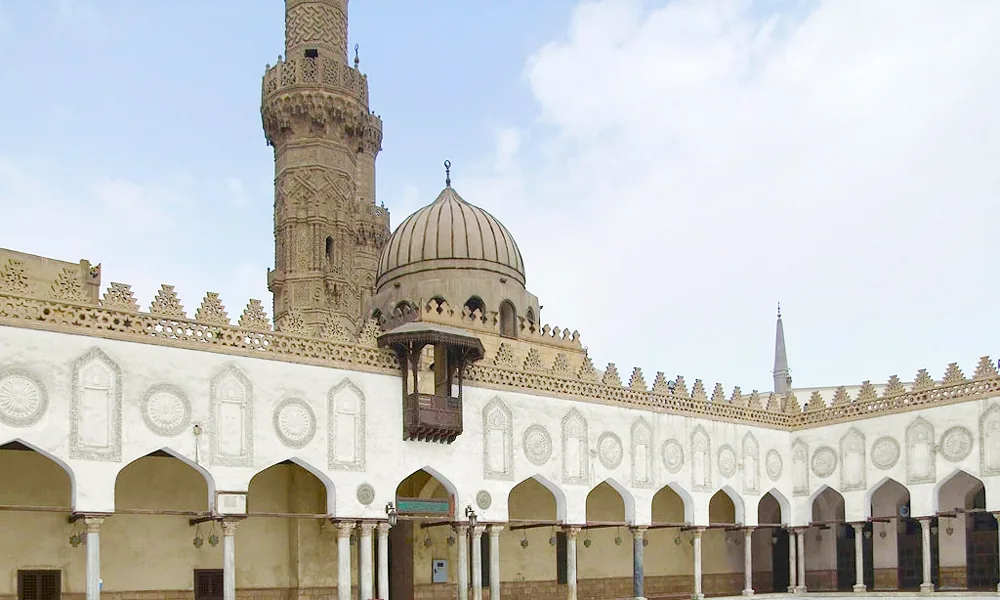
Al-Azhar Mosque
The spiritual heart of Islamic Cairo; founded in 970 AD; features a sprawling white marble courtyard surrounded by five distinct Fatimid and Mamluk minarets; the interior serves as one of the world oldest universities; enter during the Dhuhr prayer; the cool marble floor offers respite from the city heat while the low murmur of students reciting in the shaded riwaqs echoes off the hand-carved arabesque stucco.
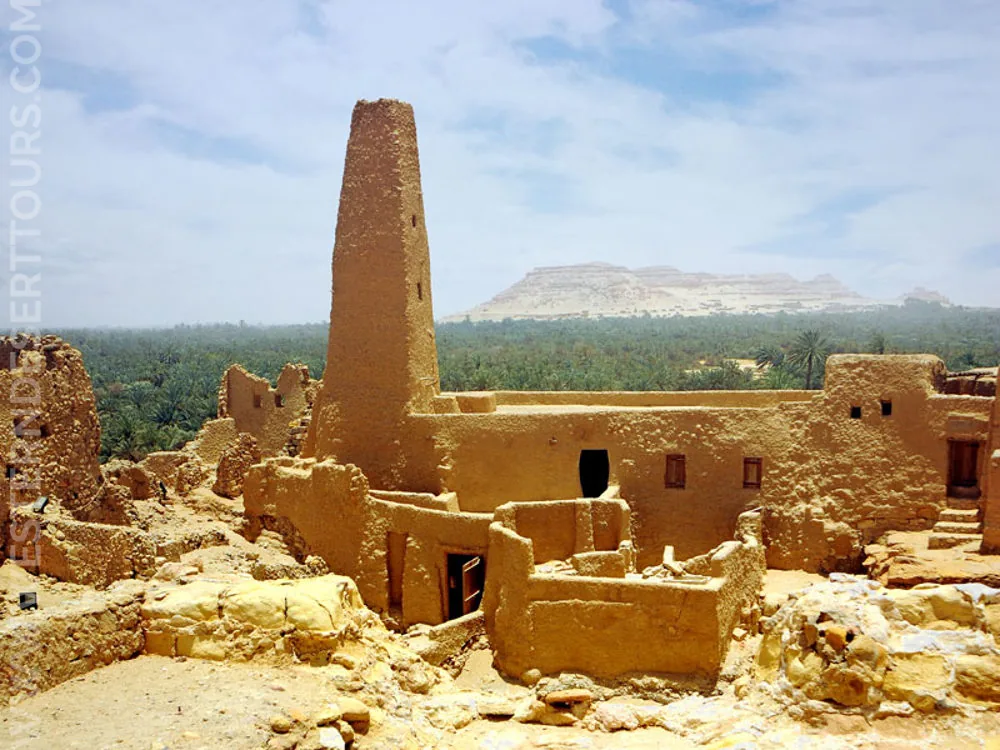
Temple of the Oracle of Amun
The 6th-century BC ruins where Alexander the Great sought divine confirmation of his lineage; perched on the mud-brick rock of Aghurmi; the site overlooks a sea of 300;000 date palms; climb the sun-bleached limestone steps at sunset; the salt-lake horizon turns violet as the desert air cools rapidly; the only sound is the rustle of fronds and the distant; sharp call of a kestrel.
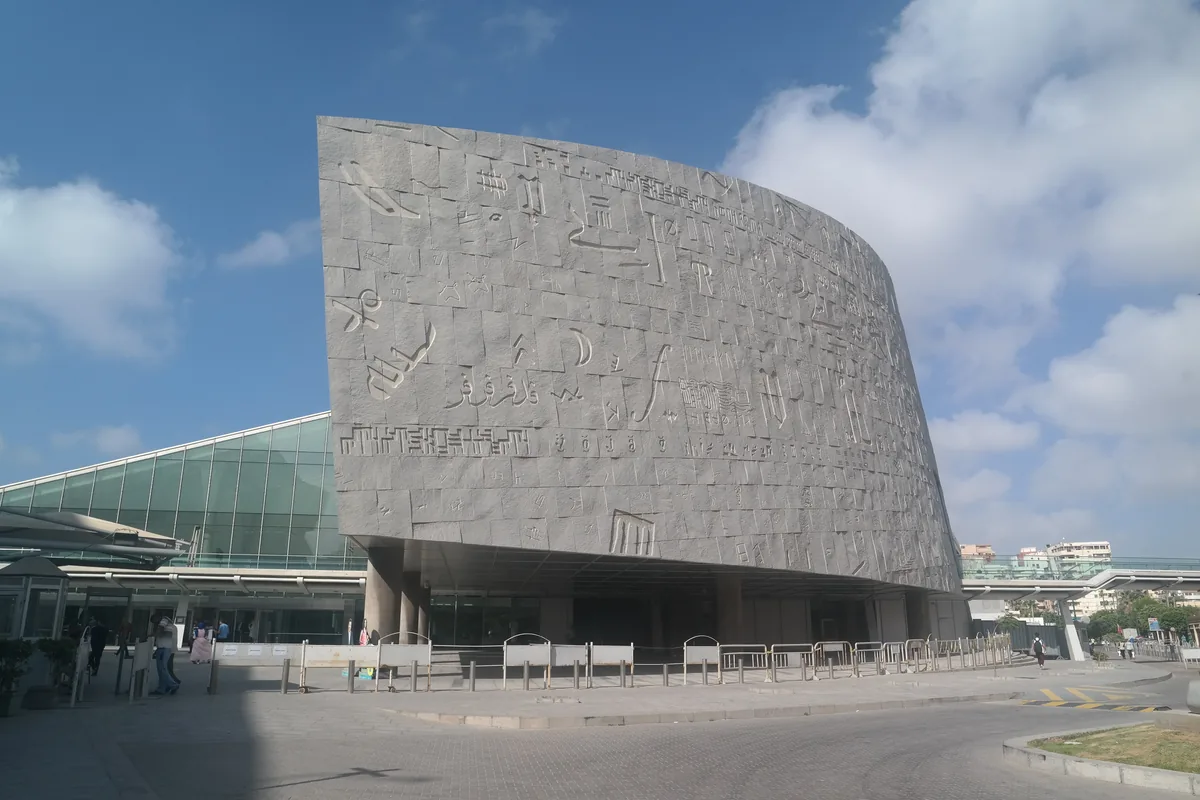
Bibliotheca Alexandrina
A 2002 granite-clad cylinder tilting toward the Mediterranean; its 160-metre diameter roof is composed of glass and aluminum panels to reflect the sun; the outer wall is etched with characters from 120 different scripts; stand in the main reading room at 4 pm; the interior turns amber as light cascades through the skylights; highlighting the vast; multi-tiered levels of wood and grey stone.
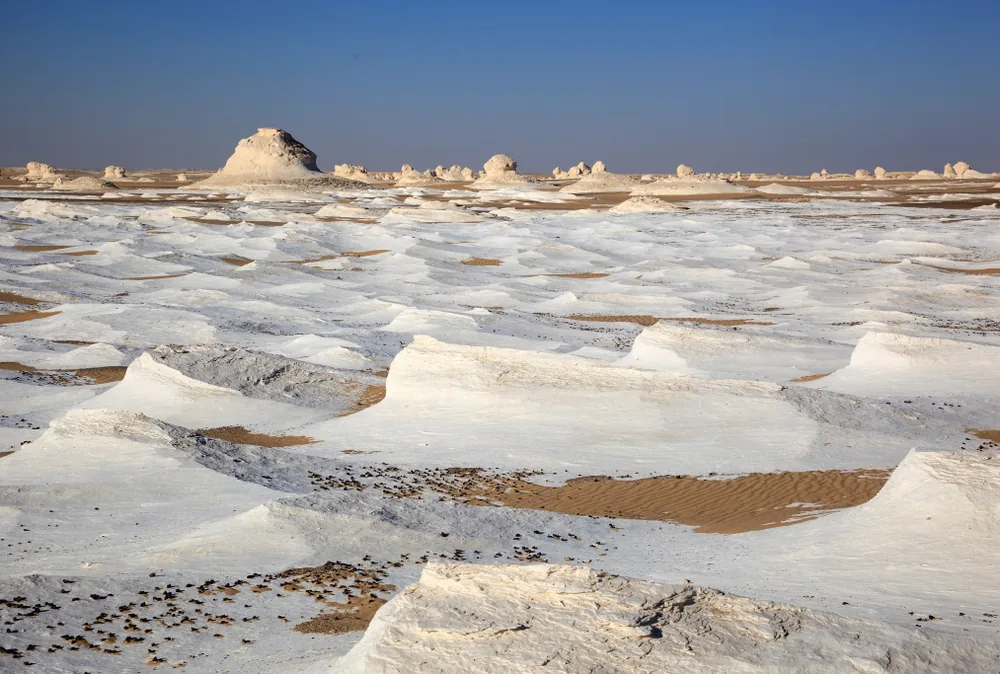
White Desert National Park
An otherworldly landscape of chalk-white wind-eroded ventifacts that resemble giant mushrooms and monoliths rising from the Farafra Depression; the calcium formations contrast sharply with the yellow Saharan sands; camp near the 'Crystal Mountain' at midnight; the moon reflects off the white stone with such intensity it mimics a snowfield; the silence of the deep desert is absolute; broken only by the shifting of fine sand.
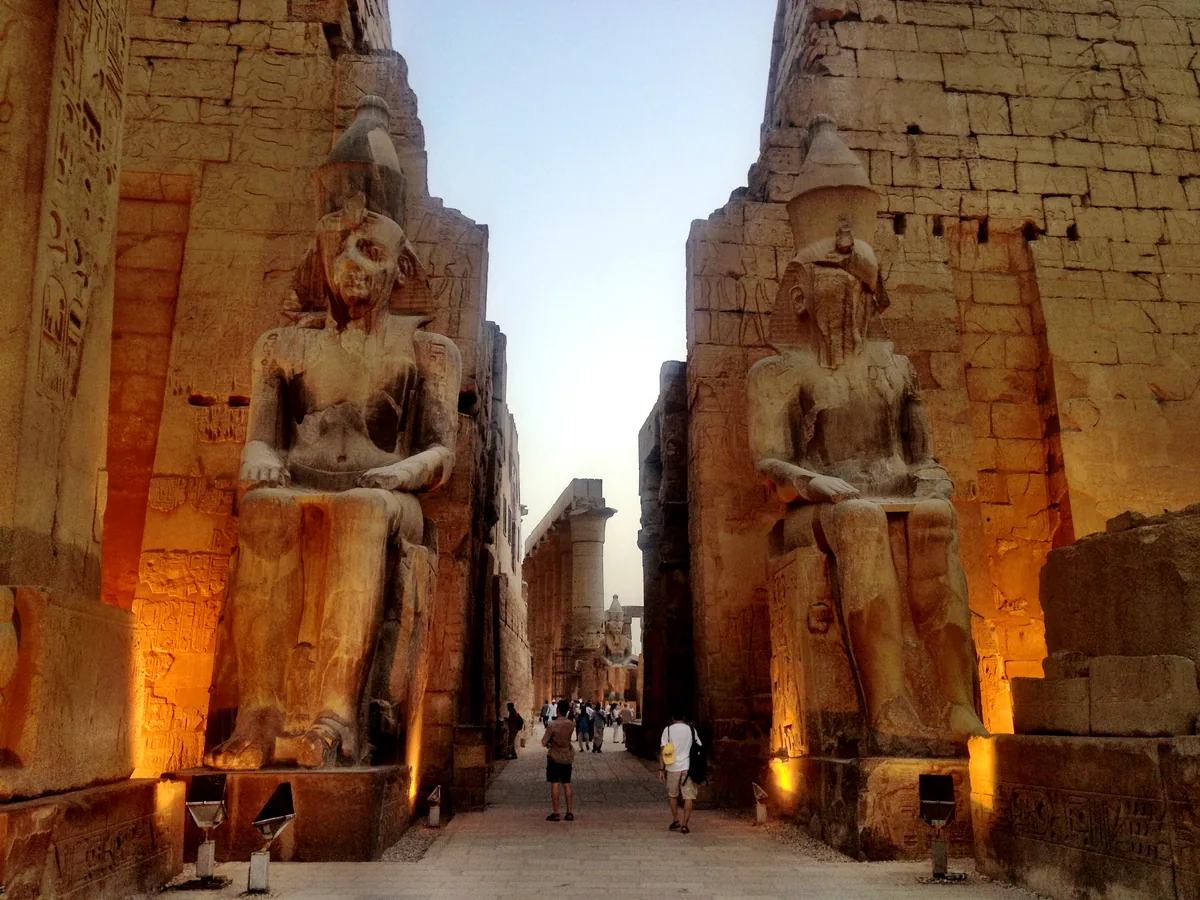
Karnak Temple Complex
A massive 100-hectare open-air museum where 134 papyrus-shaped columns in the Great Hypostyle Hall stand 21 metres high; built over 1;500 years by successive pharaohs; walk the Sphinx Avenue at dusk; the shadows of the massive pylons stretch across the hand-hammered stone while the evening light catches the deep-cut hieroglyphs; the scale is large enough to swallow ten European cathedrals whole.
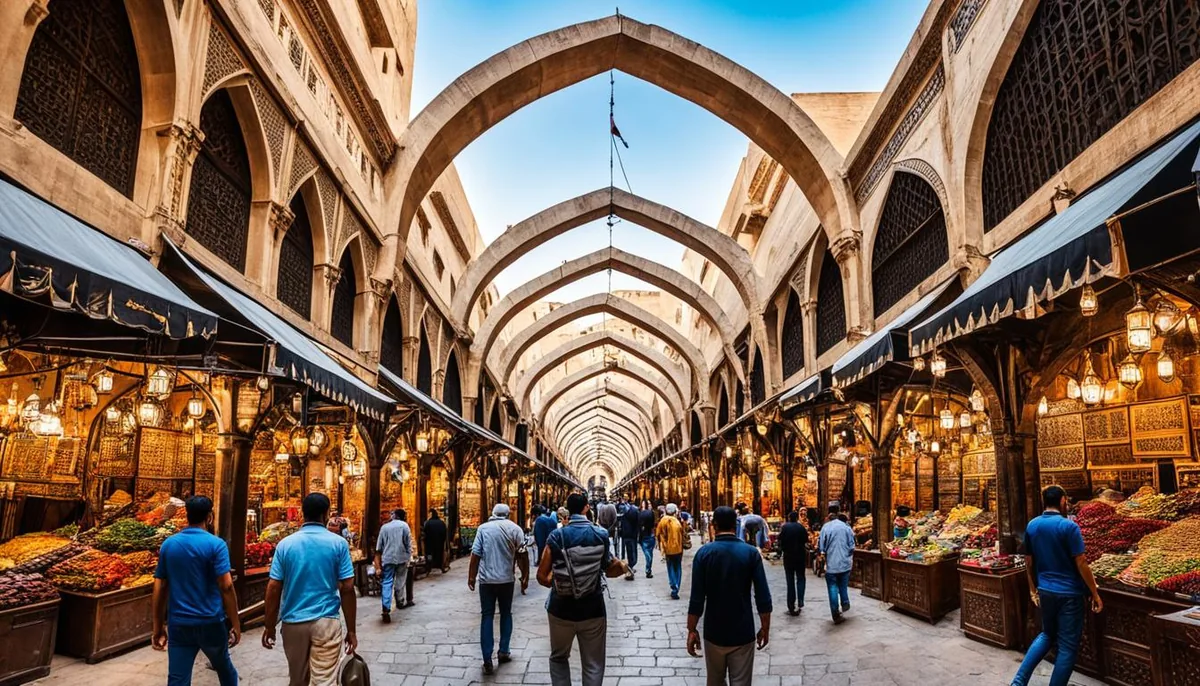
Khan el-Khalili
A 14th-century Mamluk-era souq consisting of a labyrinth of narrow stone alleys and vaulted copper-smith quarters; the air is thick with the scent of hand-ground saffron; frankincense; and old leather; find the El-Fishawy cafe at 10 pm; the light from brass filigree lamps flickers against the smoke-stained walls while traders bargain in five languages simultaneously; the rhythmic clinking of brass tea trays provides a constant pulse.
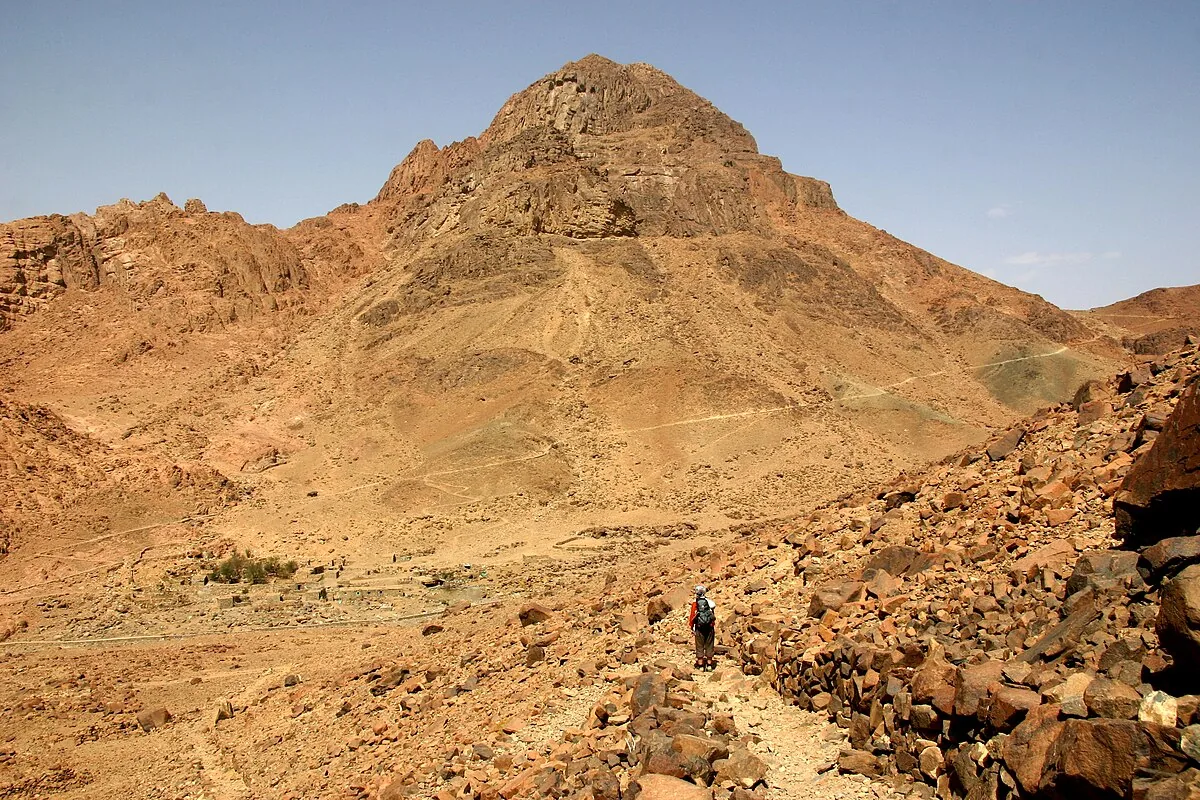
Mount Sinai
The 2;285-metre granite peak where 6th-century St. Catherine’s Monastery sits at the base of the biblical 'Mount Horeb'; the mountain is a rugged mass of jagged red basalt and granite; reach the summit by 5 am; the pre-dawn cold is sharp as the sun ignites the jagged Sinai peaks into a saturated; fire-red panorama; the wind carries the distant; rhythmic tolling of the monastery bells below.
Wadi el-Gemal National Park
A 4;770-square-kilometre coastal reserve where the 'Valley of the Camels' meets the turquoise Red Sea; featuring ancient Roman emerald mines and mangrove forests; snorkel the offshore reefs at 9 am; the light penetrates the crystal water to reveal sun-bleached coral towers and green sea turtles; the scent of salt and dry desert scrub meets at the shoreline; far from the resort hubs.
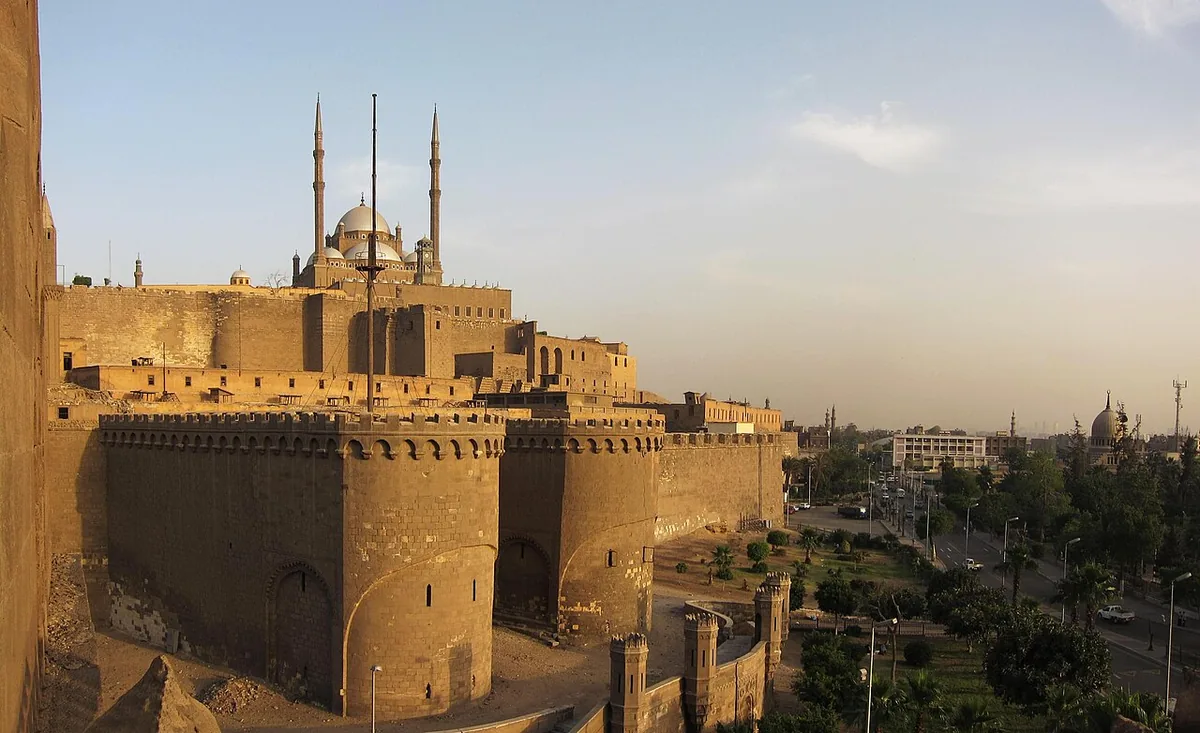
Cairo Citadel
A 12th-century Islamic fortification built by Saladin; dominated by the Ottoman-style Muhammad Ali Mosque with its towering twin minarets and lead-covered domes; the limestone ramparts overlook the sprawling megalopolis; stand on the western terrace at 4 pm; the low sun turns the city haze into a golden veil while the call to prayer from a thousand mosques echoes simultaneously off the ancient walls.
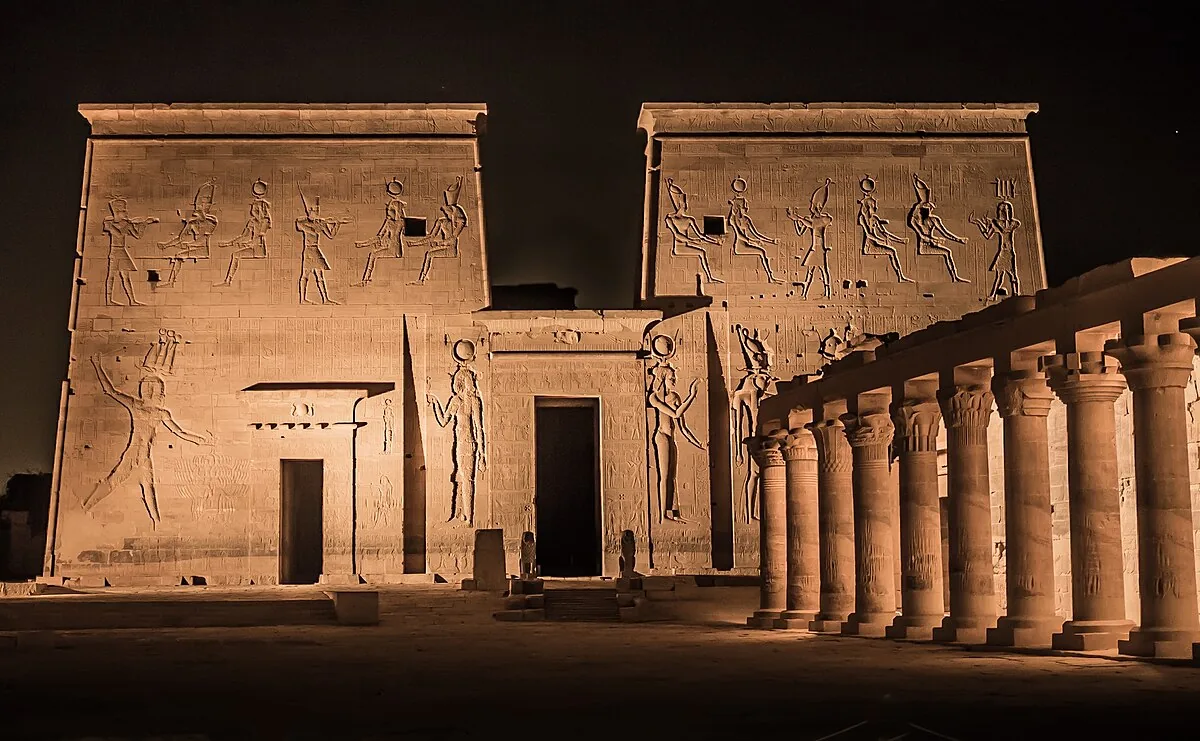
Philae Temple
A Ptolemaic temple dedicated to Isis; salvaged from the rising Nile and relocated to Agilkia Island stone by stone; the architecture features graceful colonnades and reliefs from the 4th century BC; arrive by wooden motorboat at sunrise; the temple appears to float on the mirrored water; the scent of Nile mud and blooming jasmine is pervasive as you walk the sandstone sanctuary alone.
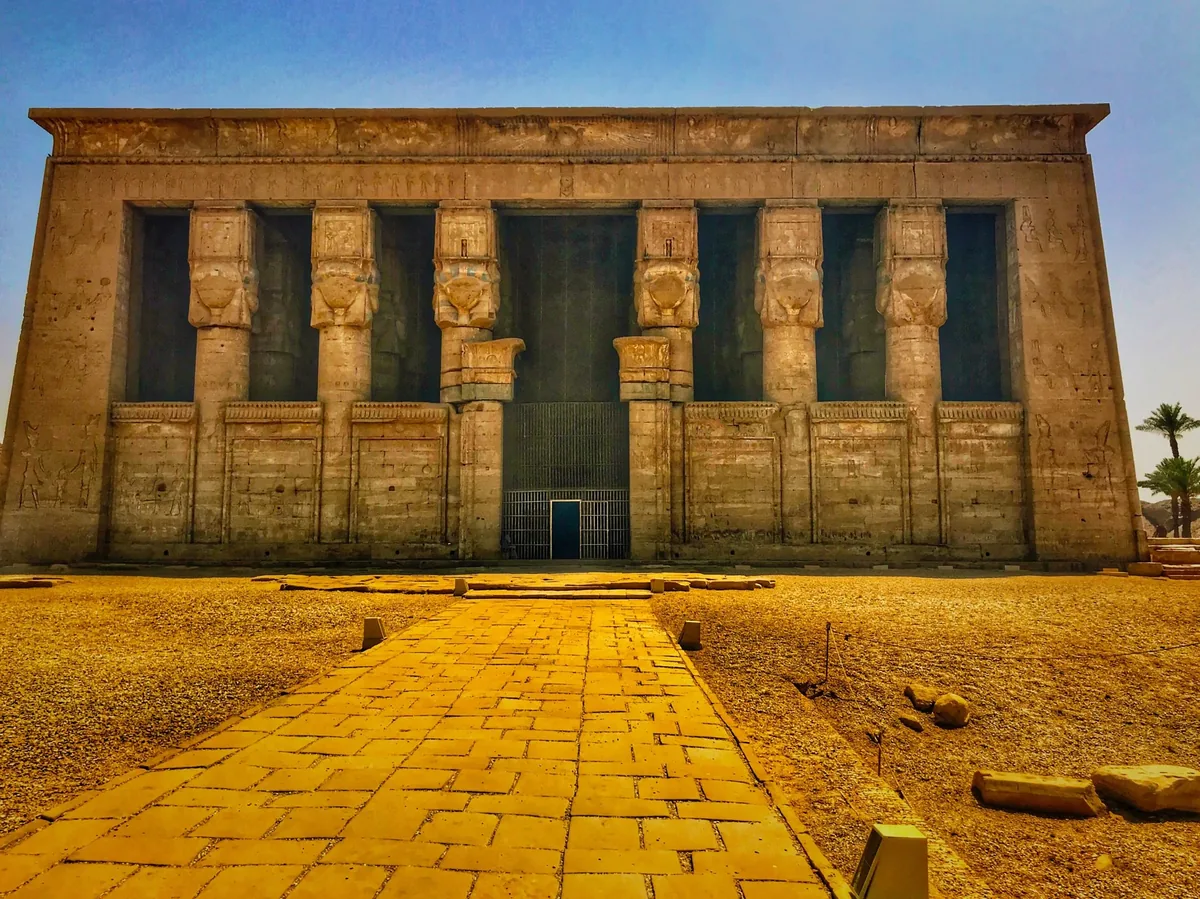
Temple of Hathor
One of the best-preserved temple complexes in Egypt; famous for its 1st-century BC astronomical ceiling painted in rare; vivid Egyptian blue; the columns are topped with the four-faced head of the goddess; explore the subterranean crypts at opening; the air is cool and smells of ancient dust while the torchlight reveals reliefs so crisp they appear freshly carved into the yellow sandstone.
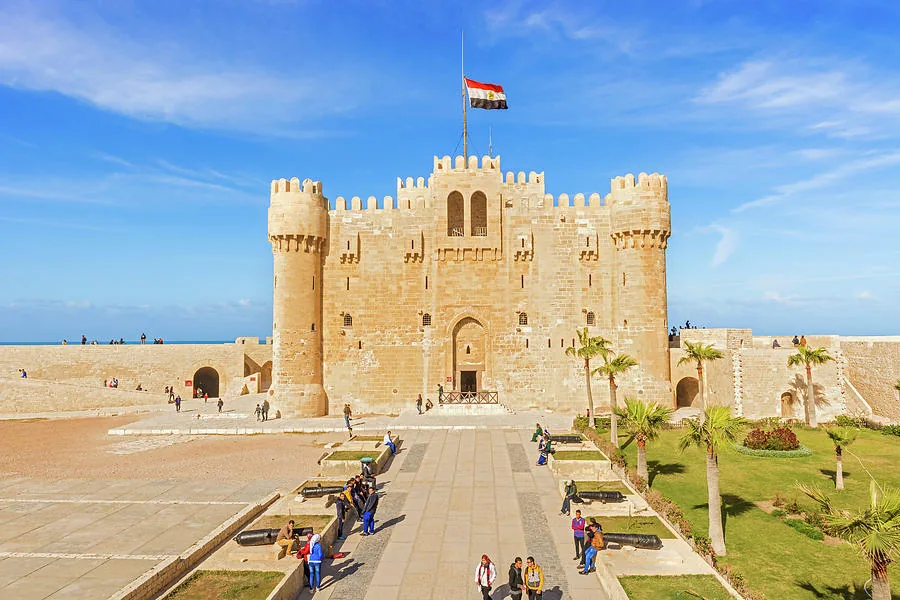
Citadel of Qaitbay
A 15th-century defensive fortress built on the exact site of the Lighthouse of Alexandria using the original fallen limestone blocks; the architecture is a masterwork of Islamic military design with sea-facing embrasures; walk the outer ramparts at midday; the Mediterranean salt spray hits the white stone while the sound of the crashing surf echoes through the vaulted; limestone corridors of the interior.
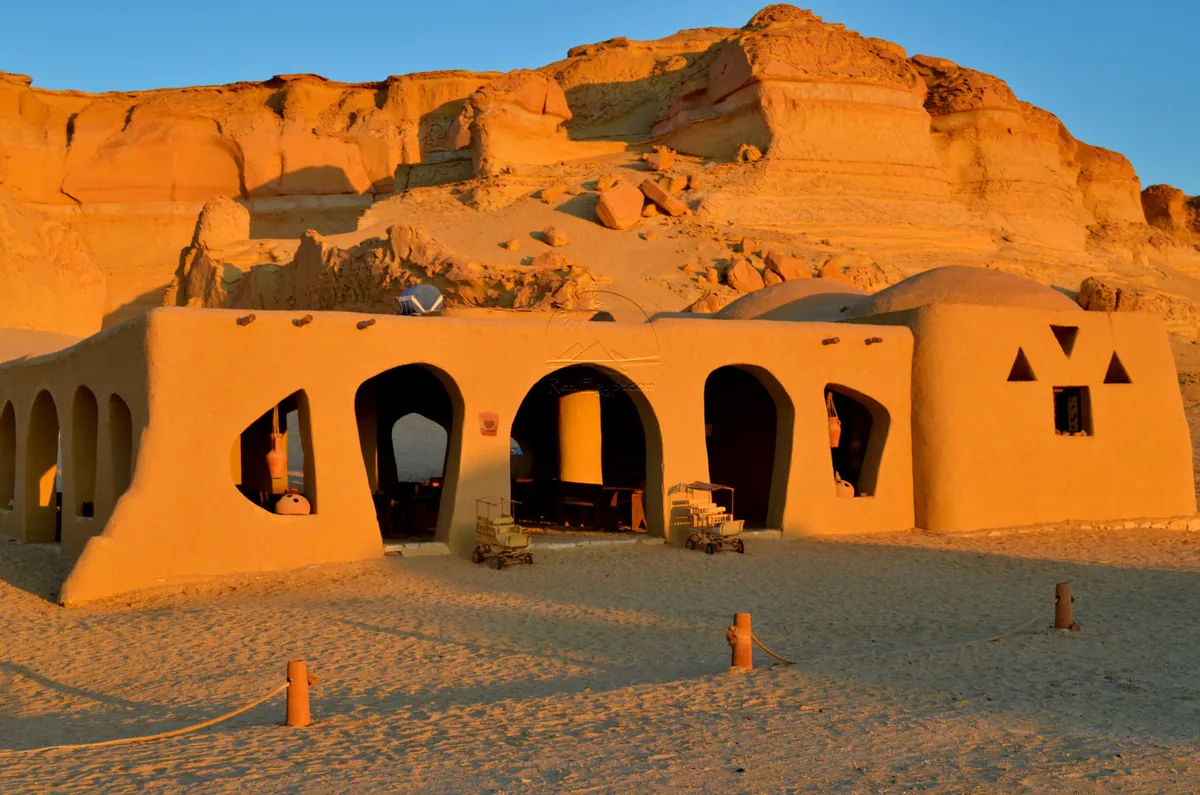
Wadi Al-Hitan
An open-air paleontological site in the Western Desert where 40-million-year-old whale skeletons with hind limbs are preserved in sun-bleached sandstone; the site documents the transition of whales from land to sea; walk the marked trail at dawn; the horizontal light highlights the fossilized vertebrae emerging from the sand; the environment is a stark; wind-scoured basin that feels older than human history.
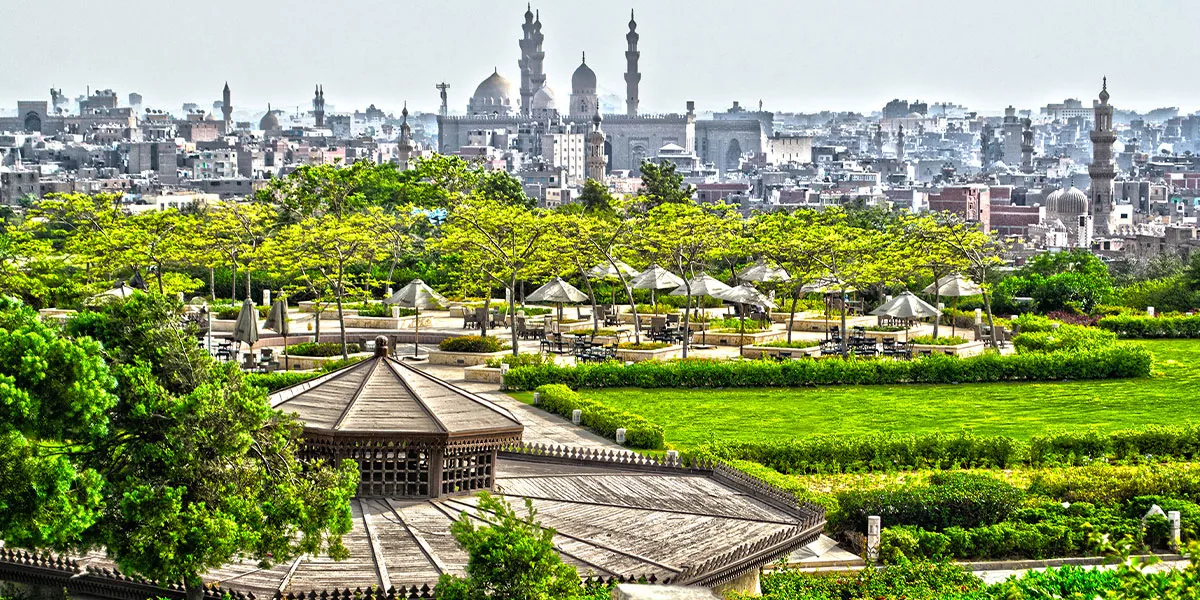
Al-Azhar Park
A 30-hectare urban sanctuary built atop 500 years of rubble; now a lush landscape of royal palms and fountains framed by the 12th-century Ayyubid wall; the garden follows traditional Islamic geometry; sit near the northern lake at sunset; the scent of blooming jasmine is heavy as the sun dips behind the minarets of the Citadel; the city roar is softened to a distant; rhythmic hum.
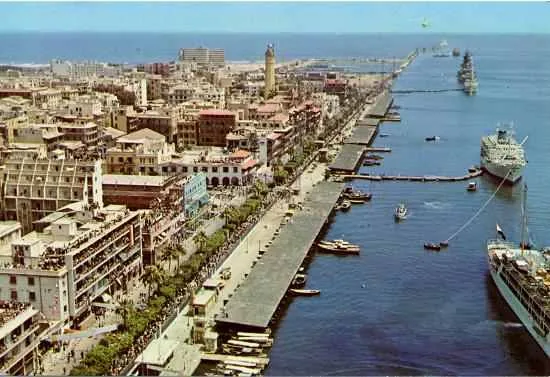
The Suez Canal
The 193-kilometre engineering marvel connecting the Mediterranean to the Red Sea; first opened in 1869; the canal is a narrow blue ribbon cutting through the Saharan sands; stand on the Port Fuad bank at noon; the sight of a 400-metre container ship gliding silently through the desert is a jarring; surreal scale-shift; the air smells of diesel and salt while the desert heat ripples the horizon.
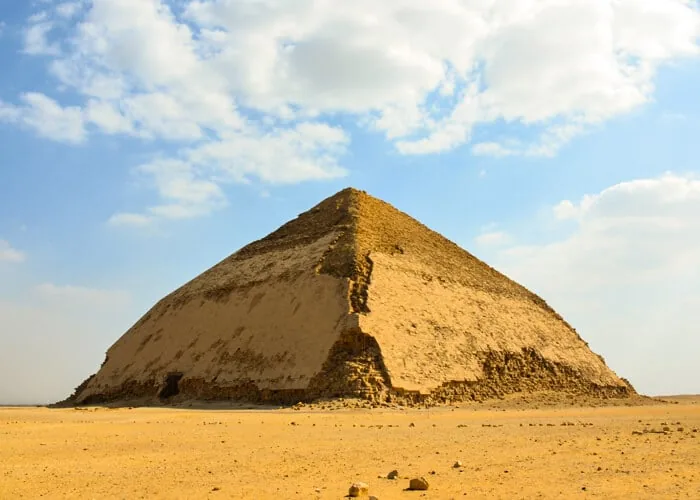
Dahshur Necropolis
A royal cemetery featuring the 26th-century BC Bent Pyramid and the Red Pyramid; the first successful smooth-sided pyramid ever built; these structures lack the crowds of Giza; offering a raw experience of Old Kingdom scale; descend the 60-metre tunnel into the Red Pyramid; the sharp scent of ammonia and the deep; resonant echo of your own breath against the massive stone blocks is all-encompassing.
Grand Egyptian Museum
The largest archaeological museum ever built displays over five thousand objects from Tutankhamun's tomb alone, more than has ever been shown from a single excavation.
Temple Of Oracle Of Amun
Alexander the Great crossed the Western Desert in 331 BCE to consult the oracle here, and the divine answer he received shaped his claim to rule Egypt.