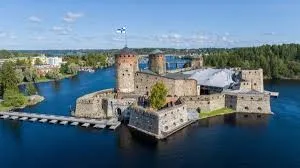
“The national museum of Finland's Sámi people in Inari presents the history and culture of the EU's only indigenous people from a community perspective, beside a lake that has been a Sámi fishing water for two thousand years.”
About Sámi Museum Siida
The Sámi have inhabited Fennoscandian Arctic lands for at least two millennia. Nineteenth and twentieth-century assimilation policies suppressed language and culture; Siida, opened in 1998 and expanded in 2021, was established partly as a vehicle for cultural reclamation with direct community involvement.
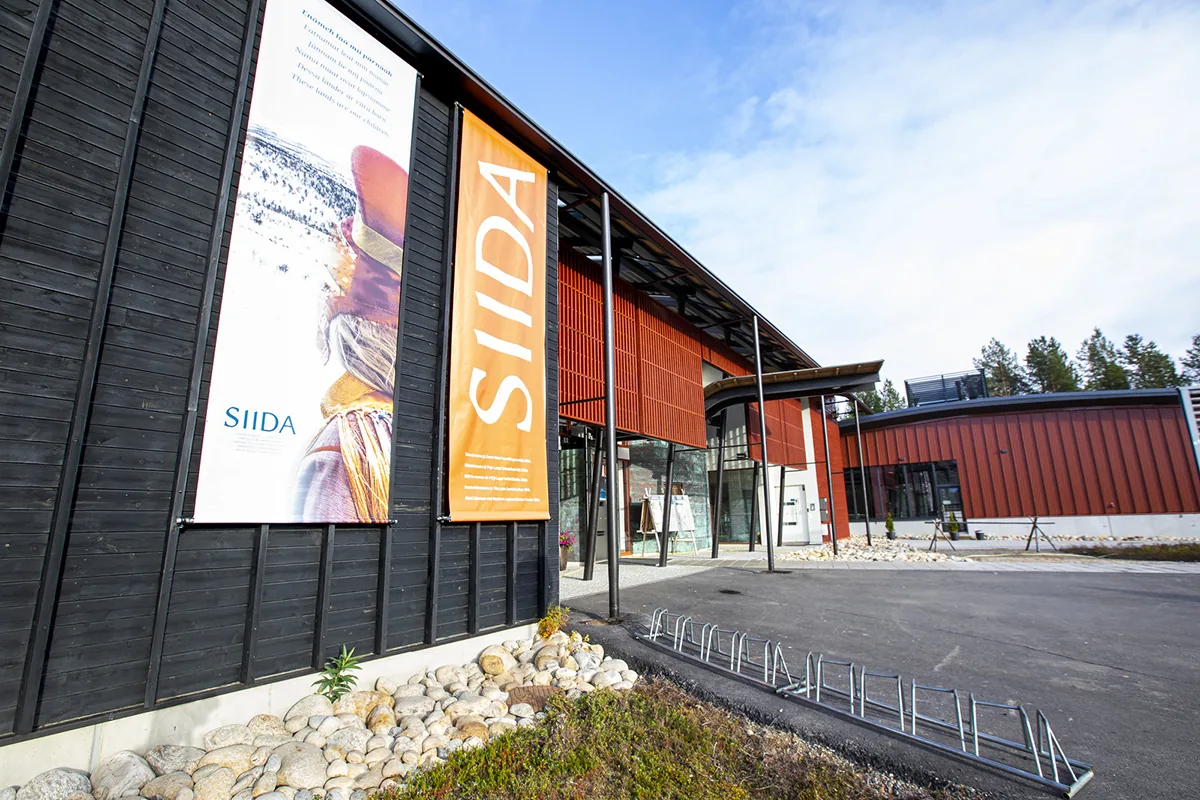
Sámi Museum Siida
Siida is the national museum of the Finnish Sámi people in Inari, a village in the far north of Finnish Lapland on the shore of Lake Inari. The museum opened in 1998 and documents the culture, history, and contemporary life of the Sámi, the indigenous people of northern Scandinavia and the Kola Peninsula, with particular focus on the Inari Sámi, one of the nine Sámi groups, whose traditional territory centers on this area. The building was redesigned and expanded in a major renovation completed in 2021.
Siida is the national museum of the Finnish Sámi people in Inari, a village in the far north of Finnish Lapland on the shore of Lake Inari.
The Sámi are the only indigenous people of the European Union and have inhabited the Fennoscandian Arctic for at least two thousand years. Their traditional livelihood combined reindeer herding, fishing, and hunting across the taiga and tundra of northern Finland, Norway, Sweden, and Russia. Assimilation policies in the nineteenth and twentieth centuries, including forced boarding schools, language suppression, and pressure to abandon traditional dress, caused significant cultural damage that the Sámi community has been working to reverse for decades. Siida was established partly as a vehicle for this cultural reclamation, presenting Sámi history from a Sámi perspective with input from community members.
The permanent exhibition covers the natural environment of the Sámi homeland alongside Sámi cultural history, the two are presented as inseparable. The outdoor section preserves traditional buildings and equipment used for reindeer herding, fishing, and seasonal habitation. Lake Inari, visible from the museum, is one of Finland's largest lakes and one of the most important traditional Sámi fishing waters; boat trips to the island of Ukonsaari, a sacred Sámi site, are available in summer. The Sámi Parliament of Finland is based in Inari, and the village has a community cultural presence beyond the museum.
Inari is approximately 330 kilometres north of Rovaniemi on the E75 road. Bus service from Rovaniemi takes approximately four hours. The village has guesthouses; a car makes the surrounding area, including the fell landscape and lake shores, significantly more accessible.
Inari is approximately 330 kilometres north of Rovaniemi on the E75 road.
The Experience
Passing through the permanent exhibition linking Sámi cultural history to the natural environment of their homeland, explore the outdoor traditional buildings and herding equipment, and take a summer boat trip to Ukonsaari sacred island on Lake Inari.
Why It Matters
The national museum of the Sámi people of Finland, the EU's only indigenous people, presenting indigenous Arctic culture from an insider perspective in central the traditional Sámi homeland.
Why Visit
Siida is one of very few museums in Europe where the community whose culture is displayed has meaningful control over how that culture is presented. The result is a more honest and specific account of indigenous Arctic life than any museum presenting Sámi culture from outside would produce.
✦ Insider Tips
- 1
The boat trip to Ukonsaari island requires advance booking through the museum, the island is a sacred site and visitor numbers are managed.
- 2
The Inari Sámi language, Inarinsaami, is distinct from the better-known Northern Sámi; the museum explains this linguistic complexity clearly.
- 3
Allow two to three hours for the permanent exhibition; it covers ecology and culture in enough depth that rushing produces a superficial experience.
- 4
The village of Inari has a small grocery and a few restaurants, stock up in Ivalo (40km south) if staying multiple nights.