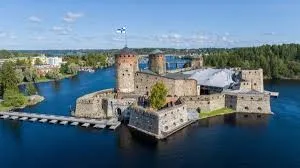
“Eight hundred people live year-round on a UNESCO-listed sea fortress fifteen minutes by ferry from Helsinki, in a residential community built inside an eighteenth-century Swedish military fortification.”
About Suomenlinna
Built from 1748 as Sweden's eastern naval defense, Suomenlinna passed to Russia after an 1808 siege and to Finland at independence in 1918. The Swedish commander Augustin Ehrensvärd is buried under a cannon barrel on the island.
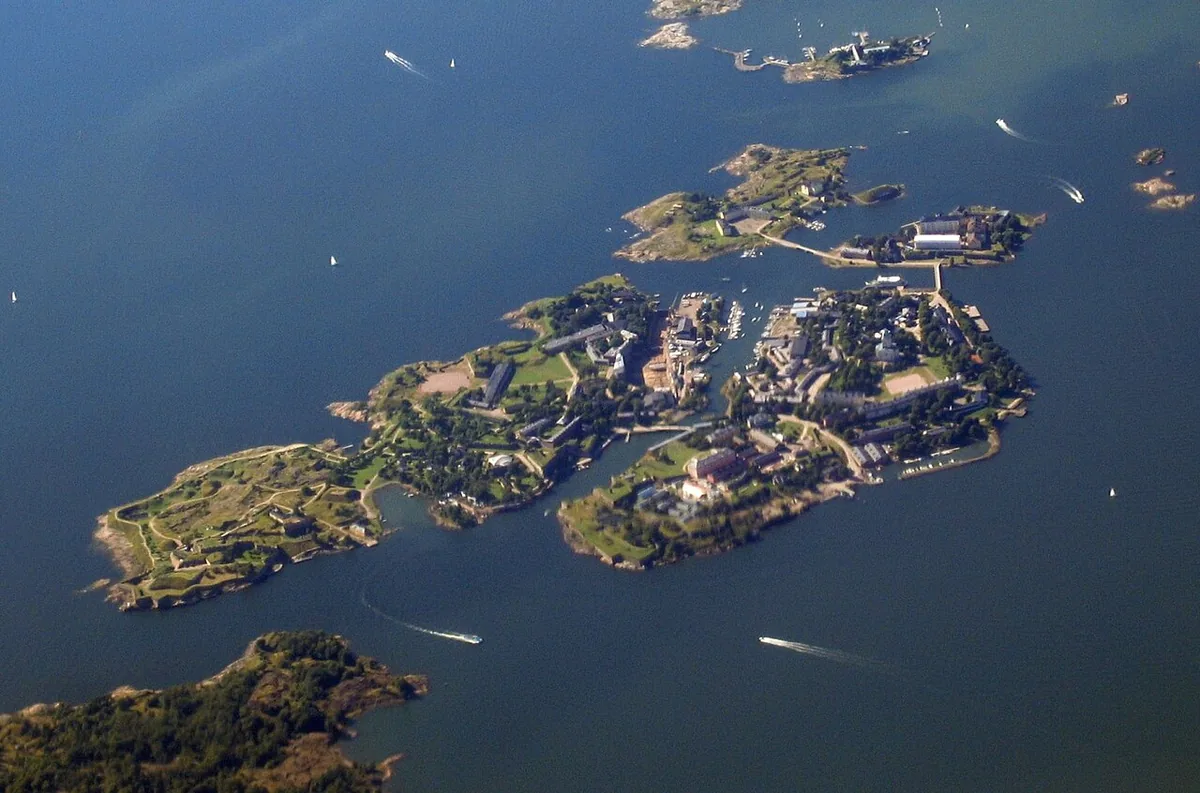
Suomenlinna
Suomenlinna is a sea fortress spread across six islands at the entrance to Helsinki's harbor, a fifteen-minute ferry ride from the city's Market Square. Built in 1748 by Sweden to defend its eastern empire, it passed to Russia in 1808 and then to Finland in 1918. Around eight hundred people live here year-round, making it one of the most unusual permanently inhabited UNESCO World Heritage Sites in Europe, a working residential community whose streets, churches, and gardens happen to sit on an eighteenth-century military fortification.
Suomenlinna is a sea fortress spread across six islands at the entrance to Helsinki's harbor, a fifteen-minute ferry ride from the city's Market Square.
The fortress was originally called Sveaborg , Swedish Fortress, and its construction was one of the largest building projects in Scandinavian history, employing thousands of workers over decades. The Swedish commander Augustin Ehrensvärd oversaw the initial phase and is buried here, in a tomb beneath a cannon barrel. The fortress was surrendered to Russia in 1808 after a siege, without the dramatic last stand the Swedish navy had anticipated, a capitulation that remains a source of historical debate in Finland. Under Russian rule it was expanded and remained an active military base; Finland took it over at independence and used it as a prison before converting it to a residential and heritage site.
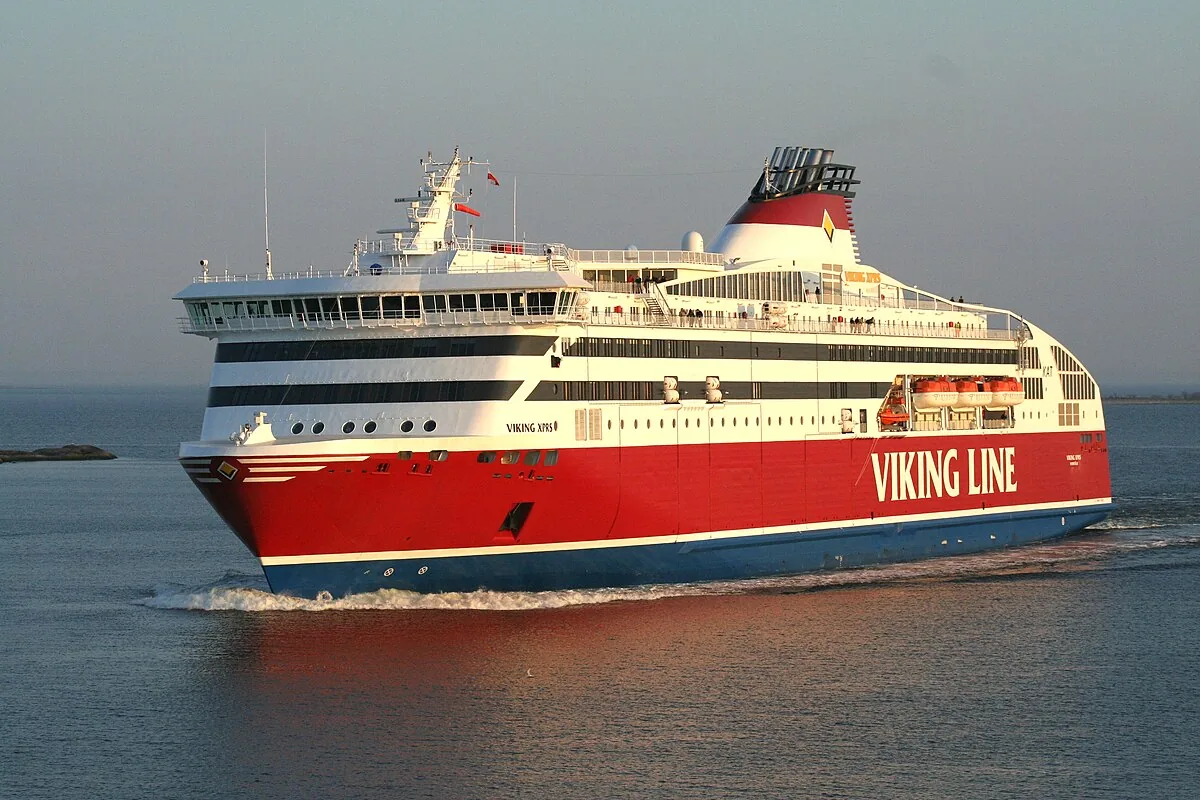
The ferry journey from the Market Square is the start of the visit, with the fortress walls and bastions appearing on the horizon as the boat crosses the open harbor. The main island's lanes pass workshops, a brewery, cafes, and the dry dock, one of the oldest still in use in Scandinavia, before reaching the outer bastions facing the sea. The Suomenlinna Museum covers the fortress's three-nation history. A submarine on permanent display can be entered. In winter, the ice sometimes allows walking across from the mainland; in summer, the outer walls and sea-facing bastions make the most vivid areas to explore.
Ferries depart from Helsinki's Market Square
(Kauppatori) every twenty to forty minutes depending on the season. The crossing takes approximately fifteen minutes. Ferry tickets are covered by Helsinki's standard public transport day ticket. In winter, an icebreaker may be needed to maintain the route.
(Kauppatori) every twenty to forty minutes depending on the season.
The Experience
Walk the inhabited fortress lanes past a working brewery and an eighteenth-century dry dock, visit the three-nation history museum, board the submarine on permanent display, and reach the sea-facing outer bastions for open views over the Gulf of Finland.
Why It Matters
A UNESCO World Heritage Site and one of the largest sea fortresses in the world, still inhabited, with active workshops, cafes, and a residential community integrated into a military heritage site.
Why Visit
The combination of fortress architecture and lived-in community is genuinely unusual. Suomenlinna doesn't feel like a monument, it feels like a place where people actually live, which happens to have 270 years of military history in the walls.
✦ Insider Tips
- 1
A Helsinki day transit ticket covers the ferry, no separate purchase needed.
- 2
The outer King's Gate bastion on the southernmost island requires a walk from the main landing; it's the most dramatic part of the fortifications.
- 3
The Suomenlinna brewery is a working craft brewery with a taproom, worth stopping at in the afternoon.
- 4
The dry dock in the main island is one of the oldest functioning dry docks in Scandinavia and is easy to overlook on the way to the outer islands.