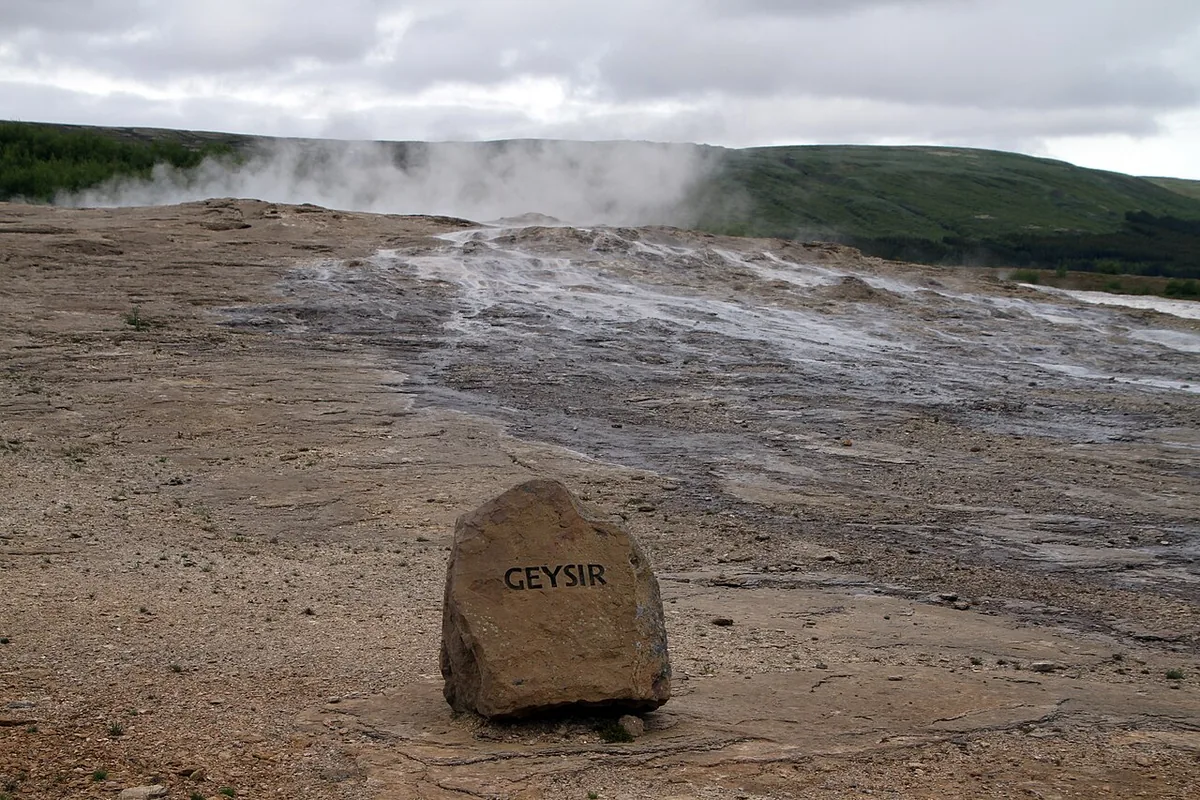
“Four 'lifting stones' still lie on this beach, once used to test whether a man was strong enough to join a fishing crew; failing the lightest meant you were 'useless'.”
About Djúpalónssandur
Djupalonssandur was a fishing station for centuries, its boats launched into a dangerous sea. The lifting stones were the practical entrance exam for crews, since rowing the open boats demanded great strength. In 1948 the British trawler Epine wrecked on the rocks here with heavy loss of life, and its rusted remains were left on the beach as a memorial to the dead.
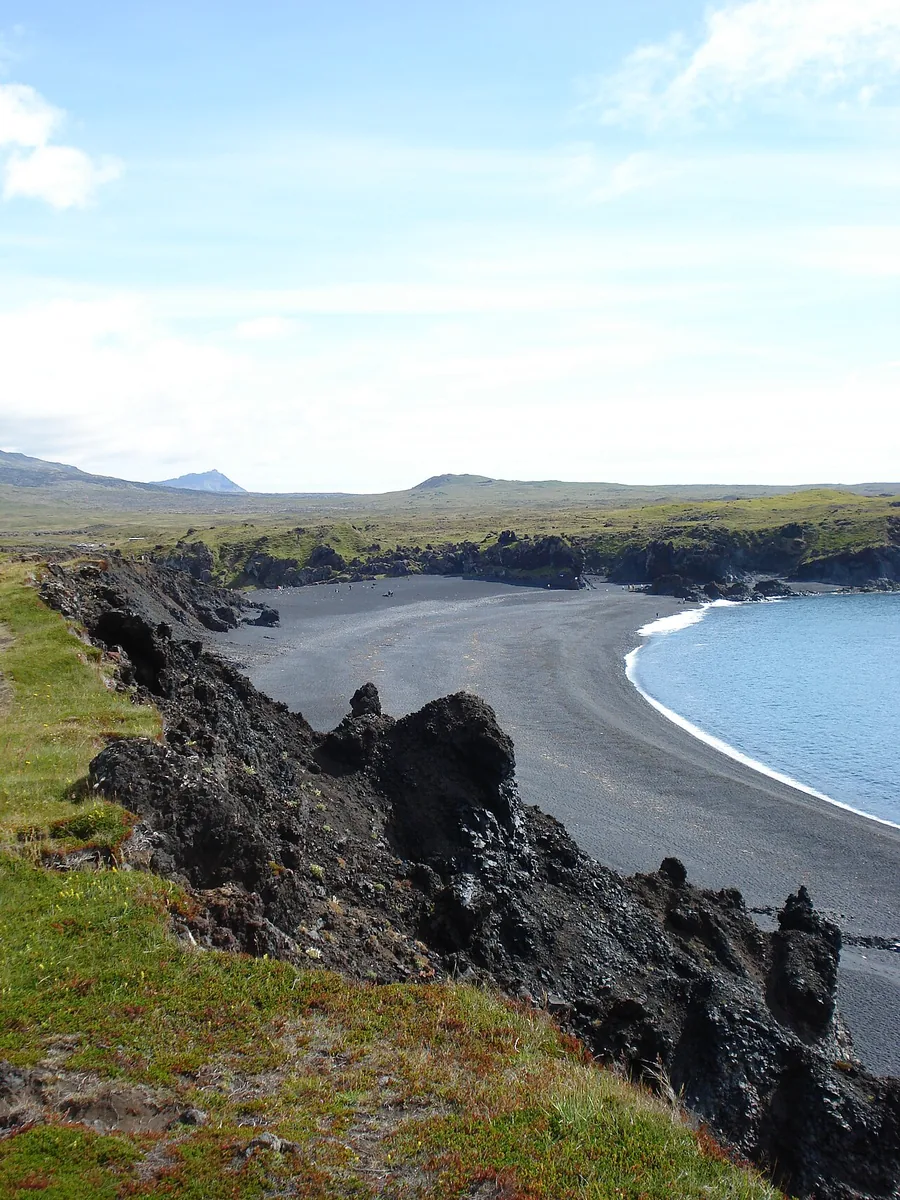
What Djupalonssandur is
Djupalonssandur is a black pebble beach on the Snaefellsnes peninsula, reached through a gap in dramatic lava cliffs and rock formations. Smooth black stones, called Djupalonsperlur or 'pearls', cover the shore, scattered with the rusted iron wreckage of a British trawler that ran aground here in 1948, left in place as a memorial.
Djupalonssandur is a black pebble beach on the Snaefellsnes peninsula, reached through a gap in dramatic lava cliffs and rock formations.
The Lifting Stones
On the beach lie four large stones once used by fishermen to test their strength when applying for a place on a crew. They are named by weight: Fullsterkur, 'full strength', at 154 kilograms; Halfsterkur, 'half strength'; Halfdraettingur, 'weakling'; and Amlodi, 'useless'. A man had to lift at least the third onto a ledge to be considered fit for the open boats. The stones still sit on the beach for visitors to try.
The Experience
You walk down through a gateway of jagged lava pinnacles to a cove of glossy black pebbles, freshwater lagoons and the scattered iron ribs of the shipwreck. The four lifting stones sit waiting to be tested, and most visitors try and fail at the heavier ones. The combination of strange rock, black stones and wreckage gives the beach a brooding, story-filled feel.
Why It Matters
Djupalonssandur preserves a vivid, tangible piece of Iceland's hard fishing past, from the strength test that decided men's livelihoods to the wreck that records the cost of the sea. It is one of the most atmospheric and storied beaches on the Snaefellsnes peninsula.
Djupalonssandur preserves a vivid, tangible piece of Iceland's hard fishing past, from the strength test that decided men's livelihoods to the wreck that records the cost of the sea.
Why Visit
A dramatic black-pebble beach with strange lava formations, the historic fishermen's lifting stones to test yourself on, and a 1948 shipwreck left as a memorial.
✦ Insider Tips
- 1
Try the lifting stones, but know that even the 'weakling' is heavy.
- 2
Leave the shipwreck iron untouched; it is a memorial to those who died.
- 3
Keep well back from the surf; the waves here are powerful and dangerous.
- 4
Walk down through the lava gateway for the full dramatic approach.