Cathedral of the Assumption — Moldova
🏙️ ModernMoldova

Cathedral of the Assumption

A high-gravity 19th-century five-domed sanctuary; featuring 'shatter-crisp' sky-blue walls and high-precision silver iconography; 'insiders' admire the panoramic city view from the porch.

LocationMoldovaTypeattraction🌤 Late spring and early autumn are ideal, as the temperature inside the subterranean church is perfectly cool and the town of Căuşeni is pleasantly green.Search on Map

Dug deep into the soil to remain shorter than an Ottoman rider on horseback, this subterranean cathedral hides Moldova’s most spectacular secret behind barn-like stone walls.

About Cathedral of the Assumption

A high-gravity 19th-century five-domed sanctuary; featuring 'shatter-crisp' sky-blue walls and high-precision silver iconography; 'insiders' admire the panoramic city view from the porch.

Half-buried in the earth to avoid offending the eyes of the Ottoman occupiers, the Cathedral of the Assumption in Căuşeni is one of the most haunting and historically significant buildings in Eastern Europe. From the outside, it looks more like a humble stone barn or a fortification than a cathedral, its low profile and thick walls giving away nothing of the artistic explosion inside. This is the only church in Moldova with a fully preserved cycle of frescoes from the eighteenth century, a subterranean sanctuary where every square inch of the walls and ceiling is covered in vivid, religious narratives. The air inside is cool and still, smelling of ancient stone and the faint ghost of incense. It is a place of secrecy and resilience, a structure that was literally forced into the ground to protect the faith it housed.

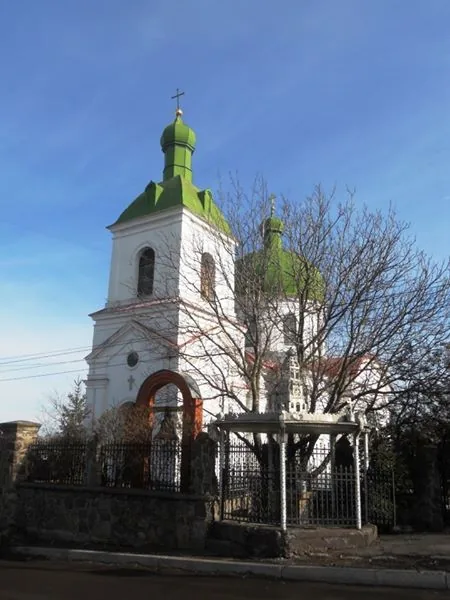
From the outside, it looks more like a humble stone barn or a fortification than a cathedral, its low profile and thick walls giving away nothing of the artistic explosion inside.

Cathedral of the Assumption in Moldova — photo 2

Cathedral of the Assumption, Moldova

Built in the seventeenth and eighteenth centuries, the cathedral’s strange design was a direct response to Ottoman rule. The local Tartar governors forbade any Christian church from being taller than a soldier on horseback, forcing the architects to excavate deep into the clay. The result was a 'semi-subterranean' church, where you must descend several stone steps to reach the nave. Between 1763 and 1767, the interior was decorated by the master painters Stancul and Radu, who created a masterpiece of late-Byzantine art that survived the subsequent Russian and Soviet eras. For decades, the church sat in a state of decay, its frescoes threatened by damp and neglect. A massive, multi-million dollar restoration project recently completed has saved these unique artworks, revealing colors and details that hadn't been seen clearly in generations.

Descending the steps into the narthex, you notice the immediate shift from the bright, dusty street of Căuşeni to the dim, reverent atmosphere of the interior. The sound of the town fades instantly, replaced by a profound silence that seems to amplify the smallest whisper. You notice the smell of the damp limestone, a cool, mineral scent that has preserved the pigments for centuries. As your eyes adjust to the low light, you notice the frescoes emerging from the walls—crowded scenes of saints, martyrs, and biblical events that wrap around the curved ceiling in a continuous loop of color. You feel the height of the space, which is surprisingly airy once you are inside the excavated floor. Most visitors overlook the subtle portraits of the donors near the entrance, showing the local elite who funded the church in defiance of the local laws. You notice the deep reds and ochres of the paintings, colors derived from local minerals that have stood the test of time and occupation.

Căuşeni is located about 70 kilometers southeast of Chisinau, a drive of roughly one hour through the rolling southern plains. Regular minibuses run from the capital’s central station directly to the Căuşeni terminal. The cathedral is a short walk from the town center, tucked away in a quiet courtyard that belies its international importance. The site has recently been modernized for tourists, with a glass enclosure protecting the exterior and a small visitor center providing historical context.

Căuşeni is located about 70 kilometers southeast of Chisinau, a drive of roughly one hour through the rolling southern plains.

The Experience

You feel a sense of compression as you enter, only for the space to open up as you descend into the nave. The sound of your own breathing is the only thing you hear as you gaze at the 'Last Judgment' on the back wall, a terrifyingly detailed masterpiece. You notice the way the light from the small, high windows catches the gold leaf, making the saints appear to flicker in the dimness. Most visitors miss the small graffiti left by travelers from centuries ago, etched into the stone pillars. The moment that lingers is looking up at the pantocrator in the dome, realizing that this entire artistic world was once hidden from view, protected by the very earth it was built into.

Why It Matters

The Cathedral of the Assumption is a UNESCO-recognized masterpiece and the only church of its kind in the region. It represents the ultimate architectural compromise of the Ottoman period and preserves the most important collection of post-Byzantine frescoes in Moldova. It is a testament to the ingenuity and spiritual endurance of the Moldovan people under foreign rule.

Why Visit

Visit Căuşeni because there is nothing else like this in the world. It is a time capsule of 18th-century art that was nearly lost to history. The experience of descending into the earth to find a cathedral made of light and color is one of the most powerful cultural moments you can have in the Balkans.

Insider Tips

  • 1

    Allow your eyes at least five minutes to adjust to the dim light inside to see the full detail of the frescoes.

  • 2

    Check the visitor center hours before you go; the church is strictly managed to protect the delicate paintings.

  • 3

    The exterior is now covered by a protective glass structure—don't let the modern shell deter you from entering.

  • 4

    Photography is strictly prohibited inside to protect the pigments from light damage; buy the high-quality book in the gift shop instead.

  • 5

    Combine the trip with a visit to the nearby Purcari wine region for a full day in the southeast.

Free Travel Tools
Games & Discover

Featured

Conquer the World

195 nations. One dart. Build your empire.

New Game

FateLand

Three darts. The world decides your fortune, heartbreak & legacy.

FateLand
Fortune. Heartbreak. Legacy. Throw & find out.
Show on Map