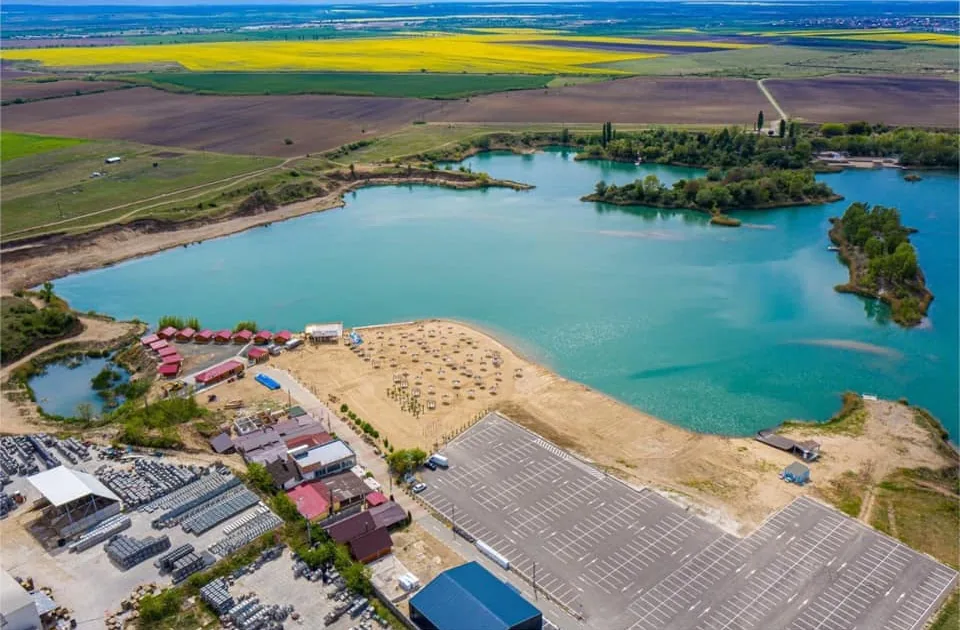
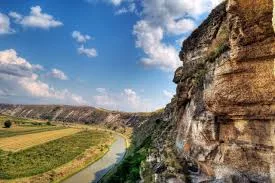
“This concrete giant tamed the wild Dniester in just three years, creating a 120-square-kilometer reservoir that drowned old villages to power a new empire.”
About Dubasari Dam
The full historical context is covered in the main article above.
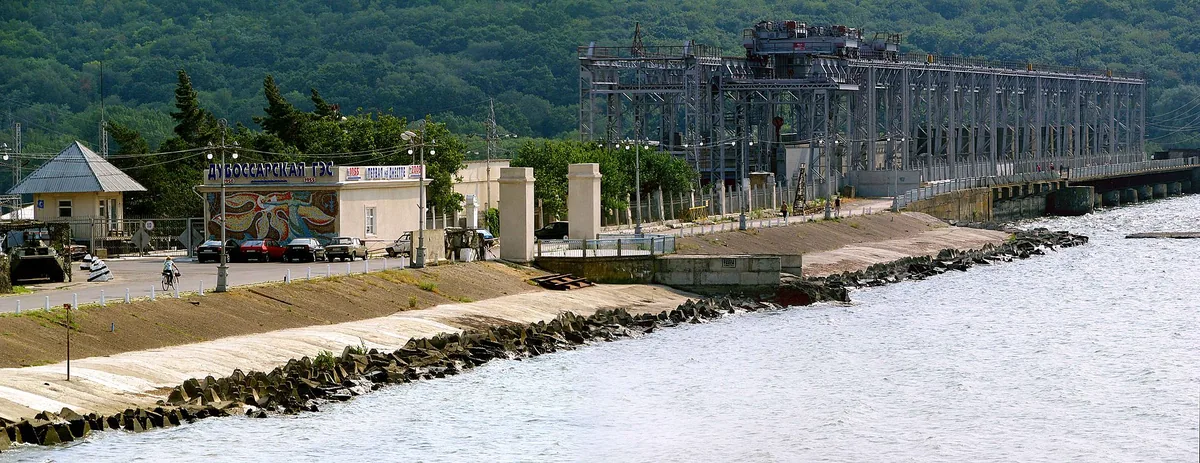
Stretching across the Dniester River with a monumental
Stretching across the Dniester River with a monumental Soviet-era confidence, the Dubasari Dam is a colossal feat of engineering that defines the landscape of central Moldova. This concrete titan holds back the river to create the Dubasari Reservoir, a vast expanse of water that looks more like an inland sea than a dammed river. The air here vibrates with a low-frequency hum, the sound of massive turbines converting the flow of the Dniester into electricity. The dam itself is a relic of 1950s industrial ambition, featuring the heavy, rhythmic aesthetic of the period. To stand on the banks near the spillway is to feel the sheer, terrifying power of the water as it crashes through the gates, creating a permanent mist that catches the sunlight in shimmering rainbows. Here human ingenuity has permanently altered the geography of the valley, creating a vital source of energy and a unique microclimate for the surrounding hills.
Stretching across the Dniester River with a monumental Soviet-era confidence, the Dubasari Dam is a colossal feat of engineering that defines the landscape of central Moldova.
What it represents
Construction began in 1951, a time when the Soviet Union was obsessed with the electrification of its western borderlands. Thousands of workers were brought in to tame the temperamental Dniester, a river known for its spring floods and shifting banks. The dam was completed in 1954, representing a triumph of Soviet civil engineering and significantly changing the local economy. Beyond its industrial purpose, the creation of the reservoir submerged several old villages and fertile lands, a sacrifice made in the name of progress. During the conflict of the early 1990s, the dam became a strategic flashpoint of immense importance, a physical bridge and a source of power that neither side could afford to lose. Today, it remains a heavily guarded and vital piece of infrastructure, standing as a silent witness to the complex political history of the Transnistria region.
Approaching the dam, The change
Approaching the dam, The change in the wind, which picks up speed as it whistles across the flat expanse of the reservoir. Nearby, the water is a constant, thunderous presence, a deep roar that makes conversation difficult near the edge of the spillway. The smell of wet concrete and freshwater spray, a scent that defines the industrial riverside. The light at sunset is particularly dramatic, as the sun dips behind the western hills and reflects off the massive concrete pillars of the dam, casting long, geometric shadows across the churning water below. There is a feeling of slight tremor in the ground beneath your feet, a visceral reminder of the thousands of tons of water held in check by the concrete wall. What most skip is the smaller, decorative elements of the Soviet architecture, the star motifs and industrial carvings that hint at the era of its birth. At the top of the viewpoint, The contrast between the still, deep blue of the reservoir and the frothing, white chaos of the river below the dam.
The dam is located near
The dam is located near the city of Dubasari, about 50 kilometers northeast of Chisinau. Because it sits on the line of control between the central government and the breakaway region of Transnistria, travelers should be prepared for security checkpoints. The journey by car takes you through the scenic vineyards and orchards of the Criuleni district. While local buses run to the area, a private vehicle offers the best vantage points for viewing the dam from the Moldovan-controlled side of the river.
The dam is located near the city of Dubasari, about 50 kilometers northeast of Chisinau.
The Experience
First is the temperature drop as the river mist clings to your skin, a sharp contrast to the dry heat of the central Moldovan plains. Audible: the turbines is a mechanical heartbeat that you feel in your chest as much as you hear with your ears. The thing that registers is the way the light catches the spray, creating fleeting prisms of color against the grey Soviet concrete. Most visitors miss the quiet fishing spots along the lower banks, where the water eventually regains its composure after the violence of the spillway. The bit that stays with you is looking north toward the reservoir, where the water seems to stretch infinitely into the horizon, hiding the secrets of the valley it submerged.
Why It Matters
The Dubasari Dam is a primary artery of the region's energy grid and a monument to mid-century industrialization. It represents the era of 'The Great Construction Projects' and remains a critical geopolitical asset. Historically, it marks the physical boundary of the Dniester's transition from a natural river to a managed industrial waterway.
Why Visit
Visit Dubasari for a sense of scale that is rare in Moldova. While the country is known for its intimate villages and rolling hills, the dam offers a brutal, impressive contrast. It is the best place to understand the industrial legacy of the 20th century and to see the raw power of the Dniester being put to work.
✦ Insider Tips
- 1
Bring your passport; even if you don't plan to cross into Dubasari, the proximity to the checkpoint means security may ask for ID.
- 2
The best photography spots are on the high banks of the Criuleni side, offering a full profile of the structure.
- 3
Check the local water release schedule if possible; seeing the dam with all gates open is a rare and powerful sight.
- 4
Avoid flying drones near the dam, as it is a high-security facility and the 'peacekeeping' forces are very sensitive.
- 5
Look for the local vendors nearby who sell fresh fish caught from the reservoir, it is a local staple.