A 230-year-old stone titan, this cathedral was built by a prince to prove that the northern plains could hold a sanctuary as grand as any in the imperial capitals.
About St. Nicholas Cathedral
Work on the cathedral was a major engineering feat for late 18th-century Moldova, requiring craftsmen from across the region. It was originally dedicated to St. Nicholas to protect the merchants and travelers who flocked to Bălți's famous markets. During the 19th century, the building was expanded to include a taller bell tower, which served as a navigational landmark for miles. While the interiors were looted during various conflicts, the structural integrity of the Galician stone remained intact. The modern era has seen a revival of the cathedral’s school and social programs, ensuring it remains as vital today as it was under the prince's patronage.
What St. Nicholas Cathedral actually is
In the northern city of Bălți, St. Nicholas Cathedral works as a formidable example of Byzantine-inspired architecture, its massive walls holding the secrets of three centuries. This structure defines the city’s skyline with its sturdy, dark-domed silhouette. The cathedral feels like a fortress of faith, designed with thick masonry that was intended to last until the end of time. The exterior is relatively austere, letting the geometry of the arches and the height of the central tower provide the drama. Inside, however, the atmosphere shifts into a thick weave of color and gold. It remains the most important spiritual center for the north of the country, acting as a quiet guardian for the people of Moldova’s second-largest city.
“Nicholas Cathedral works as a formidable example of Byzantine-inspired architecture, its massive walls holding the secrets of three centuries.”
St. Nicholas Cathedral, Moldova
Prince Gheorghe Panaite
Prince Gheorghe Panaite founded this cathedral between 1791 and 1795, inviting Galician architects to design a space that would be colossal. The builders chose a rare plan for the region, resulting in a church that feels both Eastern Orthodox and subtly Central European. It was built during a time when Bălți was becoming a significant trade hub, and the cathedral's scale was meant to reflect the city’s growing wealth. Over the years, it faced fires and political upheavals, including the challenging years of state atheism when many religious sites were closed. The cathedral managed to remain a focal point for the community through sheer local willpower. Subsequent renovations have added more ornate frescoes and modern comforts, but the core of the building remains the heavy, 18th-century stone that Panaite’s masons first laid.
Walking toward the entrance, The cool
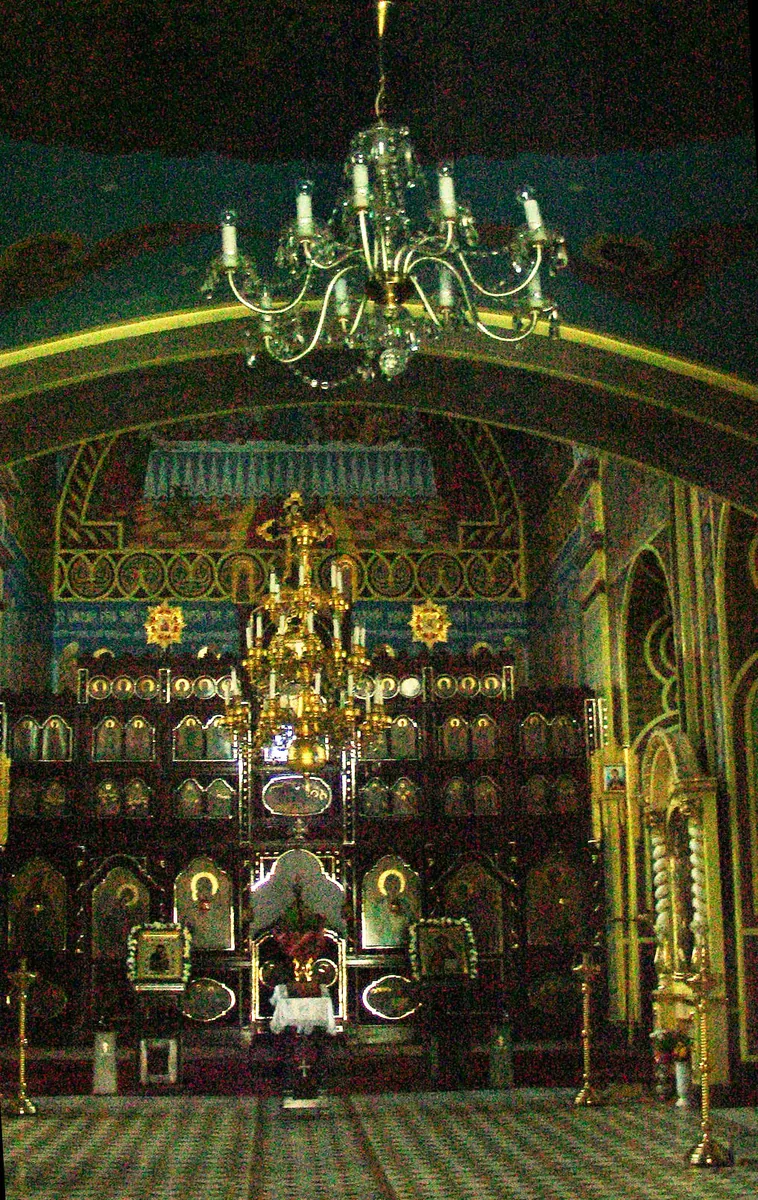
Walking toward the entrance, The cool shadow cast by the towering bell tower, which seems to loom over the surrounding plaza. Nearby, the bells here is distinct; it is a deep, resonant bronze toll that can be heard across the entire central district. The smell of drying flowers and old wood entering the narthex. The interior light is filtered through stained glass and high, narrow windows, creating a soft, amber glow that illuminates the smoke from the censers. A sense of vibration of the low-frequency chanting during a service, which fills the cavernous space with a sense of ancient mystery. Most visitors find themselves staring at the massive central chandelier, a work of art that holds dozens of flickering lights. The floor is made of large, uneven stone slabs that creak slightly walking, adding to the feeling of standing in a place of significant age.
Located in the very center
Located in the very center of Bălți, the cathedral is the most recognizable landmark in the city. Most visitors arrive from Chisinau via the M14 highway, a journey of about two hours. Once in Bălți, you can reach the cathedral by taking any bus or trolleybus heading to the Central Plaza. It is a short walk from the main theatre and the central market, making it an easy addition to any walking tour of the northern capital.
“Located in the very center of Bălți, the cathedral is the most recognizable landmark in the city.”
The Experience
The temperature is always several degrees cooler inside the thick stone walls, even on the hottest July days. You hear a single person praying at the back of the cathedral echoes through the arches, emphasizing the building's vastness. Something like a sense of humility when looking up at the pantheon of saints painted in the highest reaches of the dome. Most visitors miss the small collection of historical icons kept in the side chapel, some of which survived the fires of the 19th century. The grain of the dark, polished wood on the benches provides a warm contrast to the cold stone floor. The moment the sun hits the golden iconostasis in the afternoon, the entire front of the church seems to catch fire with light.
Why It Matters
St. Nicholas Cathedral is the cultural soul of northern Moldova. It represents the historical independence and ambition of Bălți, standing as born from the city's role as a bridge between diverse cultures and religious traditions. It is one of the few examples in the country where 18th-century Byzantine proportions are executed with such defensive, massive stone masonry.
Why Visit
Visit this cathedral to feel the true weight of Moldovan history. It lacks the polish of Chisinau’s churches, offering instead a raw, powerful experience of northern spirituality. It is the best place to understand the architectural transition from the medieval to the modern era in this part of Europe.
Insider Tips
- 1
Walk around the exterior to see the varied stonework, which shows the different layers of historical repairs.
- 2
The cathedral is most active on Saturday evenings and Sunday mornings; visit then to experience the full liturgical choir.
- 3
Be sure to look at the bell tower from the far end of the square to appreciate its slightly tapering, defensive design.
- 4
The church shop sells small, locally made religious medals that are unique to the Bălți region.
- 5
Respect the silence inside, as this cathedral is frequently used by locals for private reflection throughout the day.