“Once one of twenty wooden sentinels on this ridge, this 19th-century mill is the last survivor of a time when the wind alone fed the entire Dniester valley.”
About Talmaza Windmill
The Talmaza Windmill was constructed around 1850, utilizing a design that was common in the Bessarabia region but is now exceedingly rare. Its octagonal 'Dutch' style top allowed the miller to adjust to the shifting winds of the steppe, a critical feature for a structure that operated nearly year-round. During the 1920s and 30s, it was a social hub where farmers from across the district would gather and exchange news while waiting for their grain. While it ceased commercial operations in the 1950s, it remained a landmark for navigational purposes and was eventually designated a monument of national importance, leading to the preservation work seen today.
Standing like a weary giant on a ridge
Standing like a weary giant on a ridge overlooking the vast Dniester river valley, the Talmaza Windmill is one of the last survivors of a forgotten era of Moldovan agriculture. This wooden structure, with its weathered sails and sturdy octagonal base, is a masterpiece of vernacular engineering. The air on this hill is perpetually moving, carrying the dry scent of sun-baked wheat and the faint, sweet smell of the nearby river marshes. Unlike the meticulously restored windmills of Western Europe, Talmaza possesses a raw, honest beauty that speaks of hard work and the relentless passage of time. It remains a lonely silhouette against the wide horizon of southeastern Moldova, a place where the wind is not just a weather pattern, but a traditional source of life and sustenance.
Standing like a weary giant on a ridge overlooking the vast Dniester river valley, the Talmaza Windmill is one of the last survivors of a forgotten era of Moldovan agriculture.
Built in the mid-nineteenth century
Built in the mid-nineteenth century, the windmill was once part of a much larger network of over twenty such structures that dotted the hills of Talmaza. The village was known as a breadbasket for the region, and these mills were the high-tech processing centers of their day. The Tihon family, who owned and operated this specific mill for generations, constructed it entirely from local wood and stone, using a 'pivot' design that allowed the entire top of the structure to be turned into the wind. It survived the mechanization of the twentieth century and the collectivization of the Soviet era, though many of its neighbors were demolished or fell into ruin. In recent years, a focused effort by historians and the local community has saved it from collapse, reinforcing the wooden skeleton while preserving the original grinding stones that once turned the valley's grain into flour.
Inside
Approaching the mill, The texture of the silvered wood, which has been etched by decades of wind and rain. The sound is the most striking element; it is a mix of creaks, groans, and the low-frequency whistling of the wind passing through the gaps in the sails. First, the smell of ancient dust and old timber stepping inside the lower chamber, where the massive wooden gears once turned with the weight of the harvest. Something of vibration of the wind in the structure, a subtle trembling that makes the mill feel like a living thing. People tend to miss the ingenious wooden pegs and joinery that hold the entire mechanism together without the need for iron bolts. Looking out through the high windows, The Dniester winding like a silver ribbon through the floodplains, a view that provides a staggering sense of the scale of this landscape.
Location and access
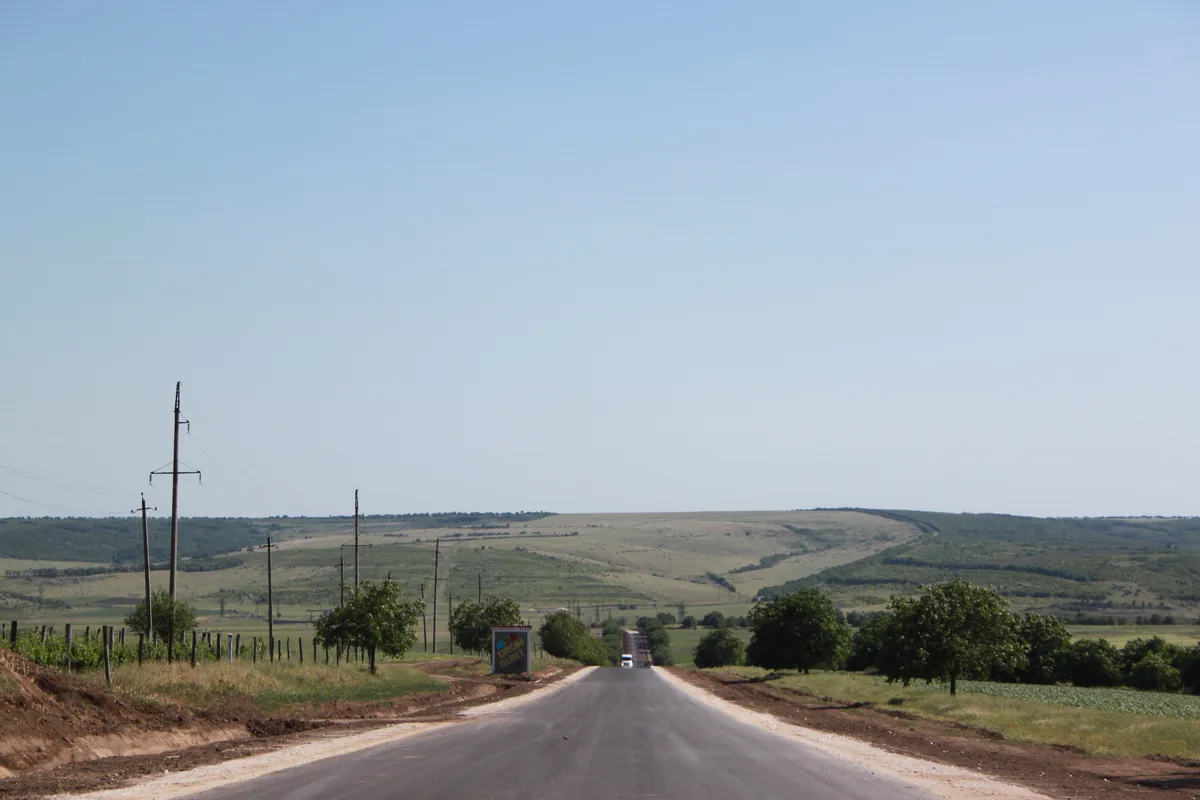
Talmaza is located in the Ștefan Vodă district, about 100 kilometers southeast of Chisinau. The drive takes you through the famous Purcari wine region, making it an excellent addition to a southern wine tour. While public minibuses do serve Talmaza from the capital, the windmill is situated on a high ridge about two kilometers outside the main village center, so having your own vehicle or hiring a driver is highly recommended. The final stretch involve navigating dirt tracks that can be challenging after heavy rain, but the sight of the mill on the horizon is worth the navigation.
Talmaza is located in the Ștefan Vodă district, about 100 kilometers southeast of Chisinau.
The Experience
Start with the way the light filters through the gaps in the wooden siding, creating a tiger-stripe pattern of sun and shadow across the interior. The air inside feels still and heavy, a contrast to the bracing wind just outside the door. Something of roughness of the massive millstones, realizing the sheer force required to set them in motion. Most visitors miss the small carvings on the interior beams, initials and dates left by millers and farmers over the last century. The element that stays with you is standing on the leeward side of the structure and watching the sunset, as the long shadow of the sails stretches out across the fields like a giant hand.
Why It Matters
The Talmaza Windmill is one of the most important monuments of industrial folk architecture in Moldova. It represents a vanished way of life and the sophisticated understanding of natural forces possessed by 19th-century craftsmen. Its presence on the ridge is a powerful visual link to the agricultural history of the Dniester basin and a product of the durability of traditional wooden construction.
Why Visit
Visit Talmaza for the solitude and the silhouette. It is one of the few places in Moldova where you can see a major historical structure in a landscape that still feels largely untamed. It is a pilgrimage site for photographers and those who find beauty in the weathered, functional relics of the past.
✦ Insider Tips
- 1
Bring a wide-angle lens; the mill’s position on the ridge makes for incredible panoramic photography against the sky.
- 2
Combine your visit with a stop at the Purcari or Et Cetera wineries, which are only a twenty-minute drive away.
- 3
Wear boots, as the ridge can be overgrown with tall grass and the dirt paths are often uneven.
- 4
Look for the local caretaker in the village; if you are lucky, they may have the key to let you into the upper gears.
- 5
Check the weather forecast for high winds; the structure is most evocative when the air is moving aggressively.