Over 150 species of trees from around the world were gathered here by a banker who wanted to turn the northern steppe into an English country estate.
About Taul Park
The full historical context is covered in the main article above.
What Taul Park is
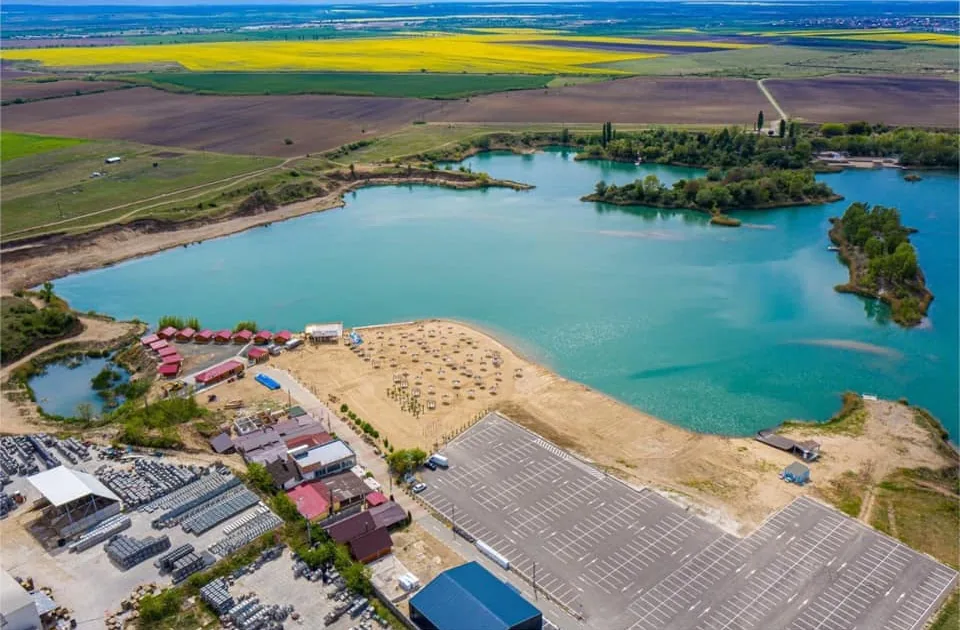
In the quiet northern reaches of Moldova, Taul Park is a masterclass in landscape architecture, a sweeping 46-hectare estate like a piece of the English countryside dropped into the northern steppe. This is the largest park in the country, designed around the elegant Pommer Manor at the turn of the twentieth century. The park is a complex arrangement of exotic trees, winding paths, and a central lake that reflects the changing moods of the northern sky. The air is clean and carries the scent of pine needles and damp earth. It is a place of grand vistas and intimate corners, where the rigid geometry of the manor’s gardens transitions seamlessly into a wilder, more romantic forest. Taul is a monument to the cosmopolitan tastes of the pre-revolutionary aristocracy, offering a sense of scale and refinement that is unique in the Moldovan interior.
purchased the land, 1900
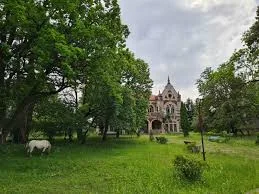
The estate was the dream of Ivan Pommer, a wealthy banker from Chisinau who purchased the land in 1900. He commissioned the renowned landscape architect Ipolit Padalko to create a park that would showcase over 150 species of trees and shrubs from across the globe. Between 1901 and 1912, Padalko transformed the flat landscape into a three-dimensional work of art, planting species that had never been seen in the region. The manor itself, built in an eclectic style with red brick and white stone, was the centerpiece of this botanical paradise. During the Soviet period, the estate was used as an agricultural college, which helped preserve the park even as the manor fell into disrepair. In recent years, restoration efforts have begun to breathe life back into the architectural elements, though the park’s true glory remains its massive, mature trees that have survived two world wars and several political regimes.
Walking along the main avenue,
Walking along the main avenue, The rhythmic spacing of the trees, a deliberate design that creates a sense of movement as you head toward the manor. Nearby, the wind through the exotic conifers is a high, whistling tone, different from the broad-leaf rustle of the native oaks. The smell of cedar and spruce, a sharp, resinous aroma that clings to the shaded pathways. The manor house, though showing its age, still possesses a quiet dignity; The intricate brickwork and the tall windows that once looked out over the meticulously kept lawns. There is a feeling of soft, thick grass of the upper meadows, which offer wide views of the northern horizon. Most visitors spend their time near the lake at the bottom of the hill, where the weeping willows create a curtain of green over the water. First, the sheer variety of leaf shapes and bark textures, a living library of trees that makes every turn in the path a new discovery.
Location and access
Taul is located in the Dondușeni district, about 200 kilometers north of Chisinau. The drive takes you through the heart of the northern agricultural belt, a journey of roughly three hours. Regular buses run from the northern terminal in the capital to Dondușeni, where local taxis or connecting vans can take you to the park gates. The park is a central part of the village of Taul and is easily accessible on foot once you arrive. A private vehicle is highly recommended to combine a visit here with the nearby 'Toltry' limestone reefs of the north.
The Experience
The cool air as you move into the 'forest' zone of the park, where the dense canopy blocks out the midday sun. Audible: the village disappears, replaced by the chatter of squirrels and the rustle of birds in the undergrowth. The crunch of gravel under your feet as you explore the miles of trails that crisscross the estate. Most visitors miss the small stone bridges and hidden benches that were designed to offer specific 'photogenic' views of the manor. The bit that stays with you is standing on the manor’s terrace as the light fades, imagining the garden parties and carriage rides that once defined life on this northern frontier.
Why It Matters
Taul Park is the most significant dendrological monument in Moldova. It represents the height of landscape design in the region and preserves a unique collection of non-native plant species. Culturally, it is a rare surviving link to the late-imperial period, showcasing the global ambitions and botanical interests of the Moldovan elite before 1917.
Why Visit
Visit Taul if you love trees and history. It is the best place in Moldova for a long, contemplative walk through a landscape that feels like a living painting. It offers a scale and botanical diversity that you won't find anywhere else in the country, providing a peaceful escape into a different century.
✦ Photo Gallery
Best Season
🌤 October is the absolute best time for Taul, as the diverse collection of trees turns every conceivable shade of yellow, orange, and red, creating a spectacular autumn display that is unmatched in the region.
Quick Facts
Best time to visit
October is the absolute best time for Taul, as the diverse collection of trees turns every conceivable shade of yellow, orange, and red, creating a spectacular autumn display that is unmatched in the region.
Getting there
In Donduseni, Moldova; reach Donduseni first, then continue to the site.
Location
Donduseni, Moldova
Type
attraction
Insider Tips
- 1
Bring a picnic; there are very few facilities in the village of Taul, and the park meadows are perfect for an outdoor lunch.
- 2
Plan for at least three hours to walk the full circuit of the park and see the lake.
- 3
Keep an eye out for the rare ginkgo biloba and red oak trees, they are some of the oldest specimens in the country.
- 4
The manor house is currently undergoing slow restoration; stay behind the barriers for safety as the roof tiles can be loose.
- 5
The best light for photography of the red-brick manor is in the mid-afternoon when the sun hits the southern facade.