Perched on the highest ridge of the south, this ancient oak forest is a cool, green island of legends where warriors once hid from the armies of empires.
About Tigheci Forest
The full historical context is covered in the main article above.
Rising above the southern plains like a fortress
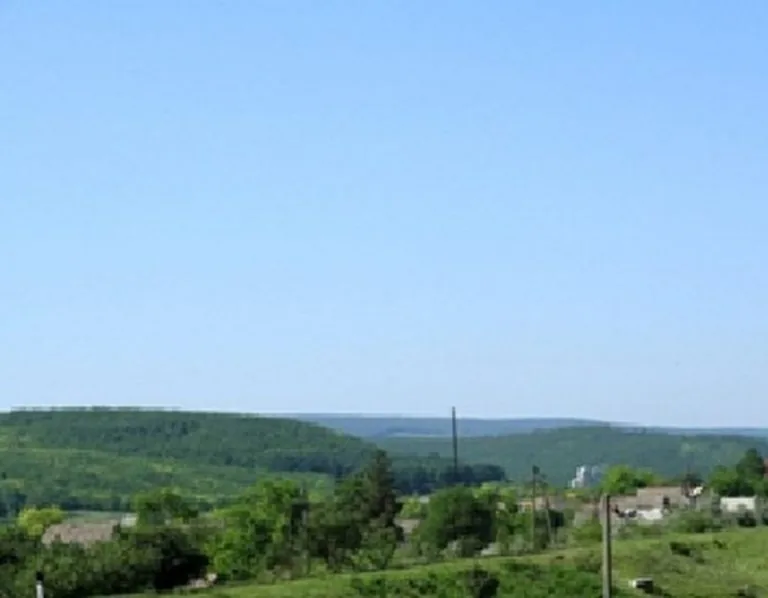
Rising above the southern plains like a fortress of green, the Tigheci Forest is an ancient woodland that feels entirely out of place in the arid landscape of the south. This is the highest point in southern Moldova, a plateau where the air is noticeably cooler and the vegetation is startlingly lush. The forest is dominated by massive, centuries-old oaks and silver linden trees that create a dense canopy, casting the forest floor into a perpetual twilight. The sound of the wind here is different, it is a deep, seafaring rustle through the leaves rather than the sharp whistle of the open steppe. Tigheci is a vital ecological island, a sanctuary for deer, wild boar, and rare forest birds that find no shelter in the surrounding agricultural lands. It is a place of deep shadows and hidden springs, offering a quiet, shaded respite from the intense southern sun.
Local legend claims that the Tigheci Forest
Local legend claims that the Tigheci Forest was once part of a vast, unbroken woodland that stretched across the entire region, serving as a defensive hideout for Moldovan warriors during the Ottoman invasions. The rugged terrain and dense growth made it nearly impenetrable to cavalry, earning it a reputation as a 'holy' forest that protected the people. Historically, it was a royal hunting ground, preserved by successive rulers who valued its timber and its wildlife. Unlike many other forests in the region that were cleared for vineyards during the twentieth century, Tigheci survived due to its steep slopes and the poor quality of its soil for traditional farming. Today, it is a protected landscape reserve, serving as a living museum of the original flora that once covered the Moldovan hills before the era of intensive cultivation.
Walking into the forest
Walking into the forest from the sun-drenched road, The immediate shift in the atmosphere, the light softens into a dappled green and the temperature drops by several degrees. The smell is a heady mixture of damp earth, decaying oak leaves, and the sweet, heavy perfume of linden blossoms in the early summer. The clatter of woodpeckers hammering in the distance, a sharp, rhythmic tapping that echoes through the stillness of the trees. The forest floor is a complex blend of moss, ferns, and wildflowers that change with the seasons, from the snowdrops of early spring to the deep reds of the autumn maple leaves. The spongy, soft texture of the leaf litter under your feet, a contrast to the hard, cracked earth of the plains below. People tend to miss the small, stone-lined springs that bubble up in the ravines, which have provided cool water to travelers and hunters for hundreds of years. The detail that stays with you is reaching the forest edge on the highest ridge, where the trees suddenly part to reveal a panoramic view of the southern vineyards stretching toward the horizon.
Location and access
Tigheci Forest is located in the Cantemir district, about 100 kilometers south of Chisinau. The drive takes you through the rolling southern hills, a landscape defined by sheep pastures and vineyards. The forest is best accessed from the village of Tigheci, where several dirt tracks lead up into the woodland. While there are no formal visitor centers, the forest is open to those who enjoy hiking and birdwatching. A private vehicle with high clearance is recommended if you plan to explore the deeper tracks within the reserve.
The Experience
The silence is not empty, but filled with the rustle of hidden animals and the creak of old branches. The light filters through the silver linden leaves, creating a shimmering, ethereal quality that makes the woods feel much older than the surrounding world. The moisture rise near the hidden ravines, where the air is thick with the scent of wild mint. Most visitors miss the ancient boundary stones that mark the old limits of the hunting grounds, now half-swallowed by moss and roots. The moment of true connection comes when you find a clearing where the sun hits a patch of wild peonies, their bright red petals glowing against the dark forest floor.
Why It Matters
Tigheci Forest is one of the most important biodiversity hotspots in southern Moldova. It represents a relic of the post-glacial forests that once dominated the region and serves as a critical genetic reservoir for the pedunculate oak. Historically, it is a site of significant folklore, symbolizing the resilience of the Moldovan landscape against human encroachment.
Why Visit
Visit Tigheci if you want to see the 'wild' side of the Moldovan south. While everyone else is in the wineries, you can have these ancient ridges to yourself. It is the best place in the region for hiking and birdwatching, offering a perspective on the landscape that is vertical, green, and steeped in local myth.
✦ Photo Gallery
Best Season
🌤 June is magical for the linden bloom when the entire forest smells like honey, while October offers a spectacular display of autumn colors that are mirrored in the vineyards below.
Quick Facts
Best time to visit
June is magical for the linden bloom when the entire forest smells like honey, while October offers a spectacular display of autumn colors that are mirrored in the vineyards below.
Getting there
In Cantemir, Moldova; reach Cantemir first, then continue to the site.
Location
Cantemir, Moldova
Type
attraction
Insider Tips
- 1
Carry plenty of water, as the climb to the ridge is steeper than it looks and the springs can be hard to find.
- 2
Bring a good pair of binoculars; the forest is a major stopover for migratory raptors in the spring.
- 3
Ask a local in Tigheci village for the path to the 'Gorgan,' the highest point with the best views.
- 4
Wear long trousers and use insect repellent, as the dense undergrowth is home to a healthy population of ticks.
- 5
Check the weather before heading out; the clay tracks leading to the forest become impassable for standard cars after rain.