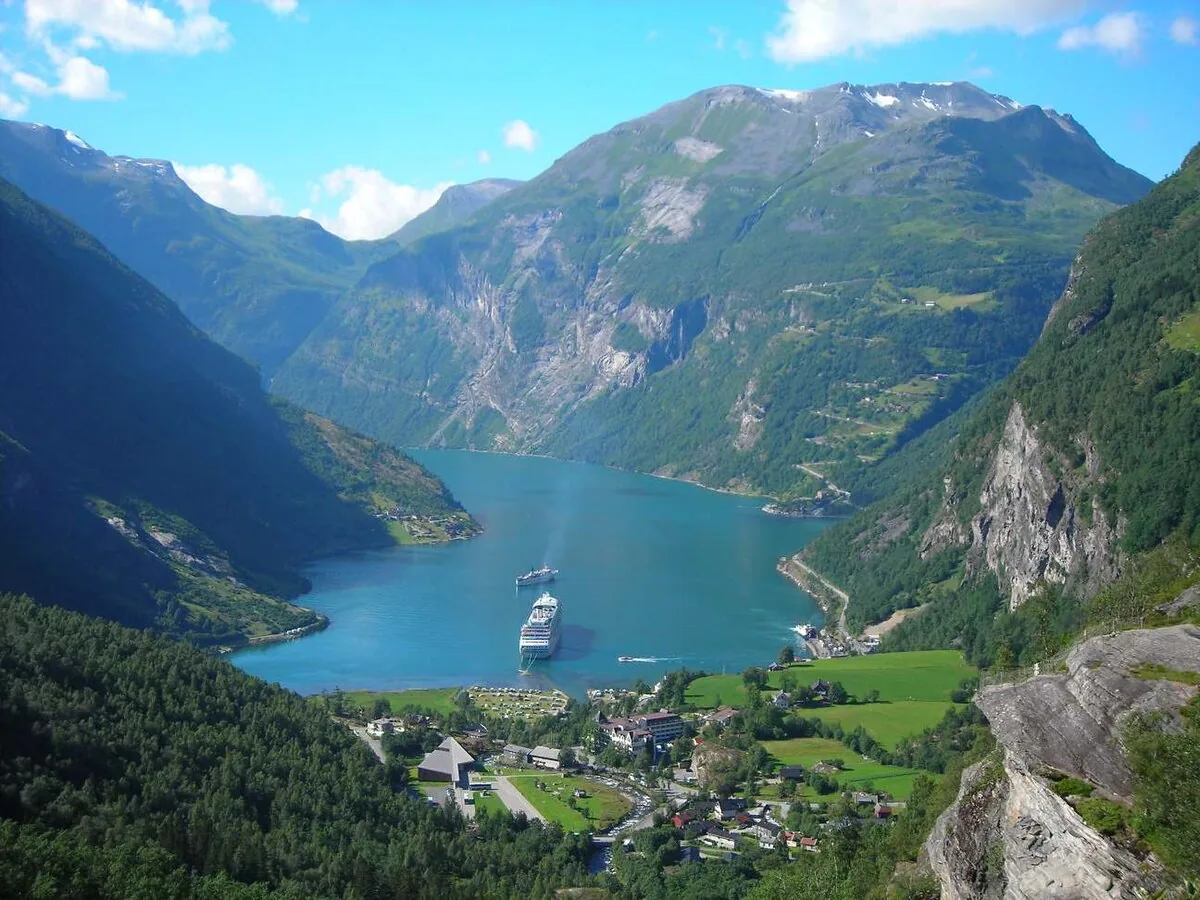
“A bear climbs out of its den and into the afterlife on a slab of Arctic stone, part of a 7,000-year-old storybook that was only rediscovered fifty years ago.”
About Alta Rock Carvings
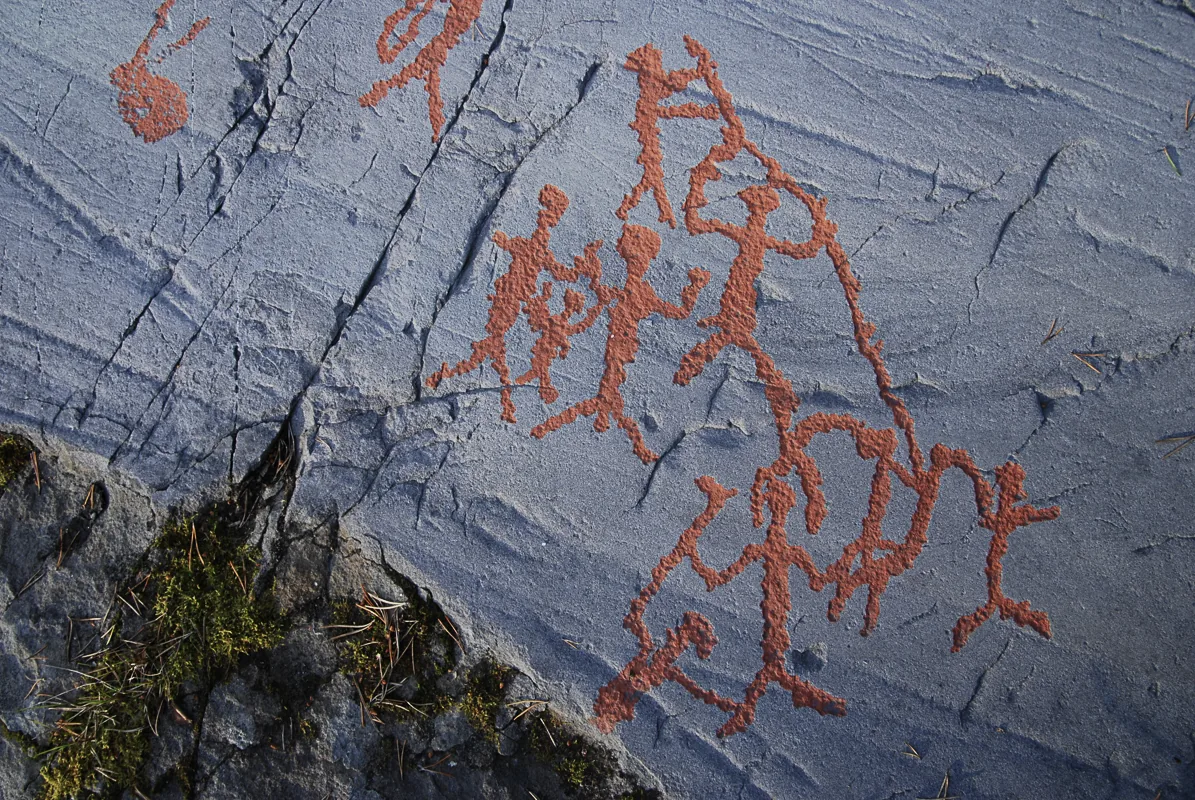
The people who created these images were part of a post-glacial culture that followed the retreating ice north. They used quartz chisels to peck their designs into the hard rock, likely during seasonal gatherings where stories were shared and rituals performed. The carvings suggest a complex spiritual world; some scenes depict shamans and dancers, while others seem to be practical tallies of successful hunts. The site was added to the UNESCO World Heritage list in 1985, recognizing its unique status as a bridge between the Stone Age and the modern world. It remains a sacred site for the local Sami people, whose own ancestors likely contributed to the later stages of the carvings.
Thousands of petroglyphs lie etched into the smooth
Thousands of petroglyphs lie etched into the smooth coastal rocks of the Altafjord, creating a massive, outdoor library of prehistoric life. These carvings, ranging from 2,000 to 7,000 years old, depict a world where the relationship between humans and nature was one of profound interdependency. The walk along a series of wooden boardwalks that wind through the Hjemmeluft bay, looking down at scenes of reindeer hunting, bear trapping, and prehistoric seafaring. It is one of the largest concentrations of rock art in the world, and certainly the most diverse in the circumpolar north. The carvings are not hidden in a cave but exposed to the Arctic sky, where the shifting sun brings the flat red-painted figures to life.
Thousands of petroglyphs lie etched into the smooth coastal rocks of the Altafjord, creating a massive, outdoor library of prehistoric life.
The first carvings were discovered by chance
The first carvings were discovered by chance in 1972 by a local resident, leading to a massive archaeological effort that eventually uncovered over 6,000 individual figures. The artists were hunter-gatherers who lived on the shores of the fjord, returning to these specific rocks over thousands of years as the land rose out of the sea following the retreat of the glaciers. This process, known as isostatic rebound, means that the oldest carvings are found highest on the hillside, while the 'newer' ones are closer to the current shoreline. They serve as a chronological record of changing tools, social structures, and religious beliefs, showing a transition from a world dominated by large land animals to one focused on the resources of the sea.
Walking through the site, the air is often surprisingly still, smelling of heather and the distant salt of the fjord. The isolation of the Arctic landscape, where the dwarf birches are the only things breaking the horizon. It becomes clear how the red ochre, added by modern conservators to make the etchings visible, glows against the grey schist. At once, the specific details in the carvings: the curved bows of the hunters, the intricate antlers of the reindeer, and the large, multi-person boats that suggest a surprisingly sophisticated maritime culture. A strange sense of continuity seeing a carving of a bear's footprints trailing across a rock, exactly as they might look in the snow today. You catch of the water lapping against the rocks below provides a timeless soundtrack to the experience, unchanged since the first chisel struck the stone. The rock carvings are part of the Alta Museum, located about five kilometers from the center of Alta. The city is a major hub in Finnmark and is easily reached by air from Oslo or Tromsø. Once in Alta, a local bus or a short taxi ride will take you to the museum. The outdoor area is accessible via a well-maintained network of paths that cover roughly three kilometers of terrain.
The Experience
The low Arctic sun is your best friend here; as it hits the rocks at an angle, the shallow grooves of the carvings cast tiny shadows that make the figures pop. The first thing you register is the humor and humanity in the drawings, a small dog following a hunter or two people holding hands. A vastness of time when you realize that the oldest carvings were already 'ancient history' to the people who made the newest ones at the bottom of the hill. First, the silence of the fjord, which seems to respect the age of the site. The most striking moment is standing at the highest point and looking down at the modern city of Alta, realizing that humans have been standing on this exact spot, watching the same water, for seventy centuries.
The low Arctic sun is your best friend here; as it hits the rocks at an angle, the shallow grooves of the carvings cast tiny shadows that make the figures pop.
Why It Matters
The Alta rock carvings are the only UNESCO site in Norway north of the Arctic Circle. They are internationally significant for their quantity, quality, and the long period of time they represent. They provide an without equal window into the minds of prehistoric people, showing that even in a survival-based society, art and storytelling were fundamental to the human experience.
Why Visit
Visit Alta because it is one of the few places on earth where you can 'read' prehistory in its original context. Unlike a museum where artifacts are removed from their environment, here the art and the landscape are one. It is a humbling, grounding experience that makes the modern world feel like a very recent and very loud addition to a much longer story.
✦ Insider Tips
- 1
Go in the late evening during the midnight sun; the long shadows make the etchings much clearer and the atmosphere is incredibly peaceful.
- 2
The museum itself has an excellent indoor section that explains the 'isostatic rebound', the rising of the land, which is key to understanding the site's timeline.
- 3
Look for the 'bear's den' carving; it is a remarkably sophisticated piece of storytelling that depicts the animal's life cycle.
- 4
The museum cafe serves excellent local waffles with brown cheese, a perfect way to warm up after a long walk along the fjord.