All landmarks and tourist attractions in Norway
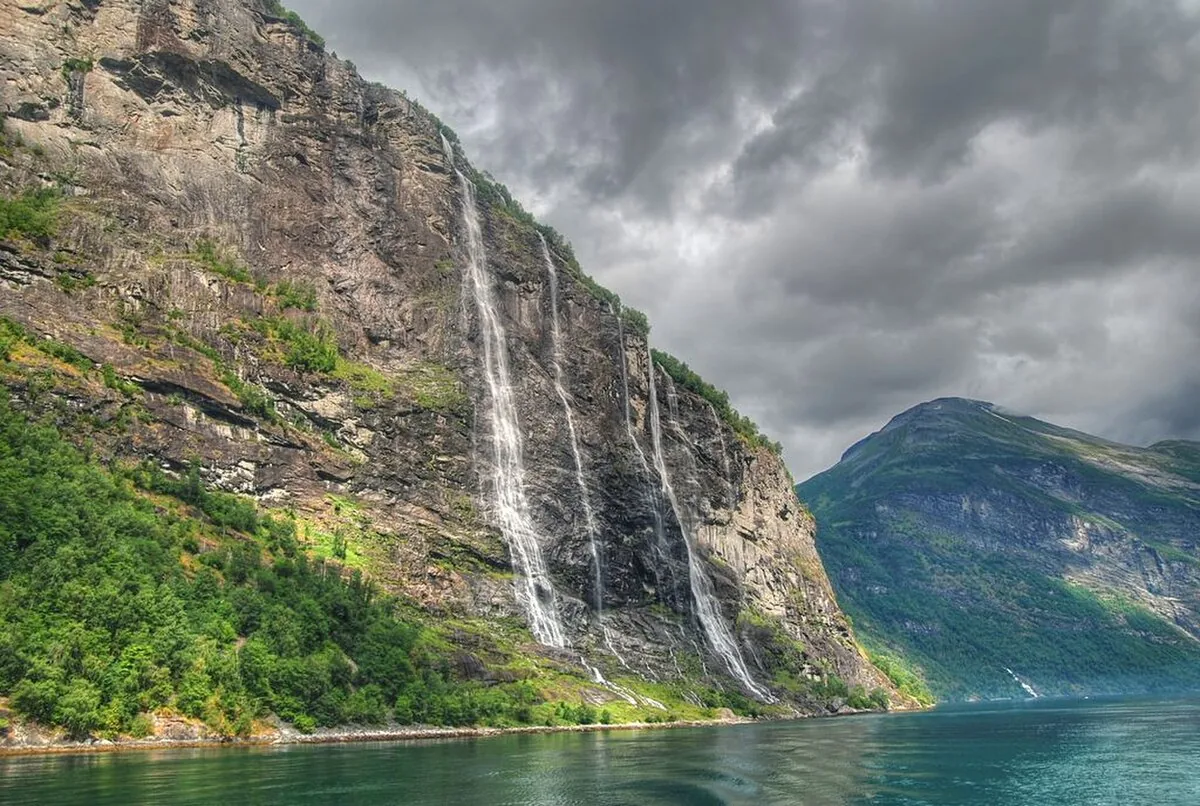
Geirangerfjord
A deep-blue UNESCO-protected branch of the Storfjord encased by 800-metre vertical cliffs and the legendary Seven Sisters waterfalls; the landscape was sculpted by a 2,000-metre thick ice sheet during the last ice age; kayak the shoreline at 7 am when the water is a perfect mirror; the only sound is the rhythmic thundering of glacial melt hitting the fjord surface.
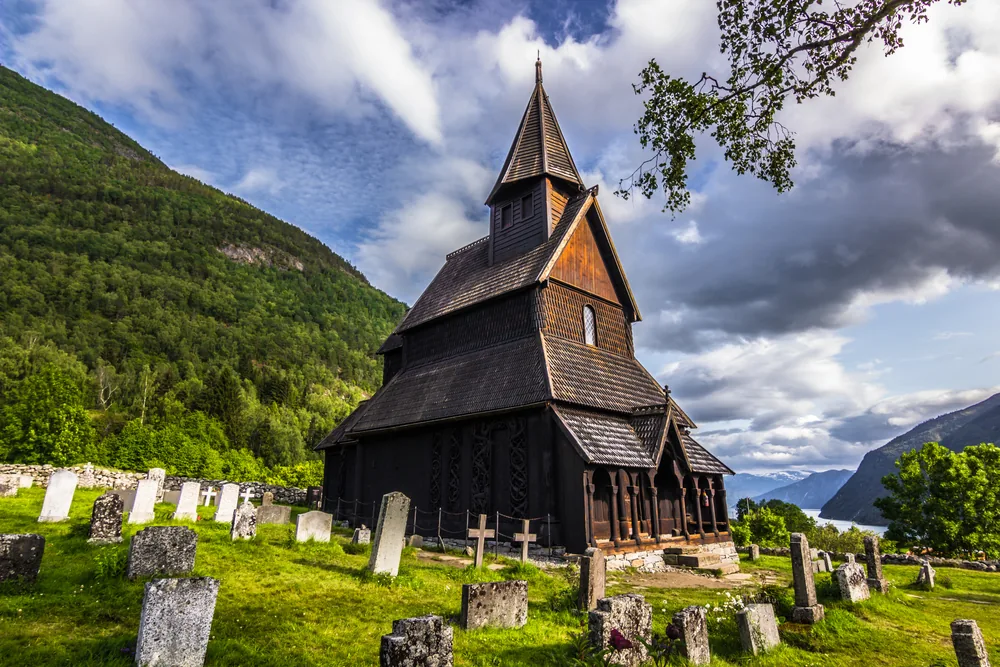
Urnes Stave Church
The world oldest surviving stave church built around 1130 AD; showcasing a seamless blend of Christian architecture and pre-Christian Viking Urnes-style animal carvings; the dark wood is pine heartwood impregnated with natural resin; enter the nave at 3 pm; the interior turns amber when sun hits the high clerestory windows; the air is thick with the scent of 900-year-old tar.
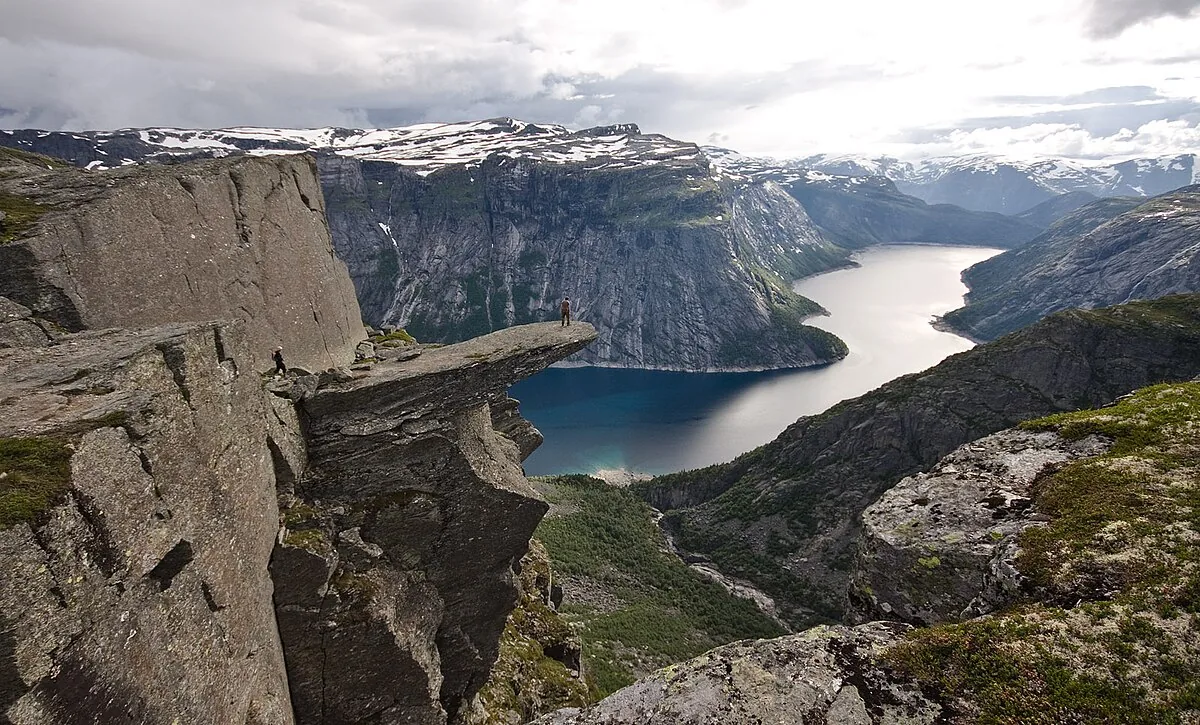
Trolltunga
A horizontal rock slab jutting 700 metres above Lake Ringedalsvatnet; formed by the abrasive freeze-thaw cycles of a retreating glacier 10,000 years ago; the granite tongue overlooks a glacial valley of moss-slicked basalt; reach the precipice at sunrise after an 11-hour trek; the thin air is bitingly cold while the surrounding peaks are bathed in a sharp; clinical blue light.
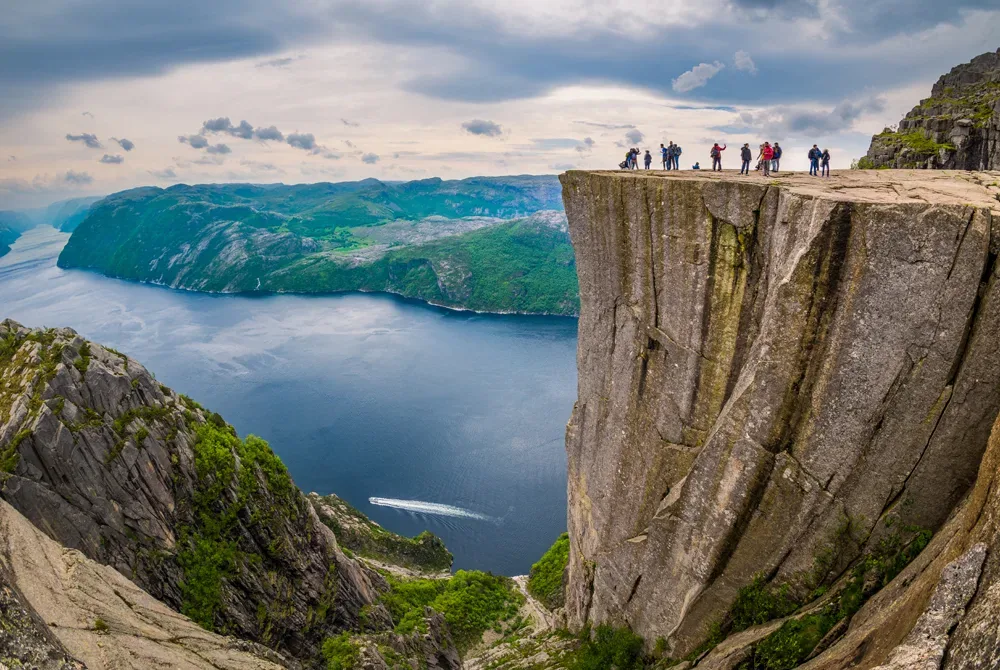
Pulpit Rock
A 604-metre flat-topped cliff rising vertically above the Lysefjord; a massive tectonic fracture line defines the 25-by-25 metre plateau; the grey granite drops into a 42-kilometre fjord abyss; sit at the very edge during a light mist; the clouds swirl beneath your feet while the wind carries the metallic scent of wet stone and the distant roar of a passenger ferry below.
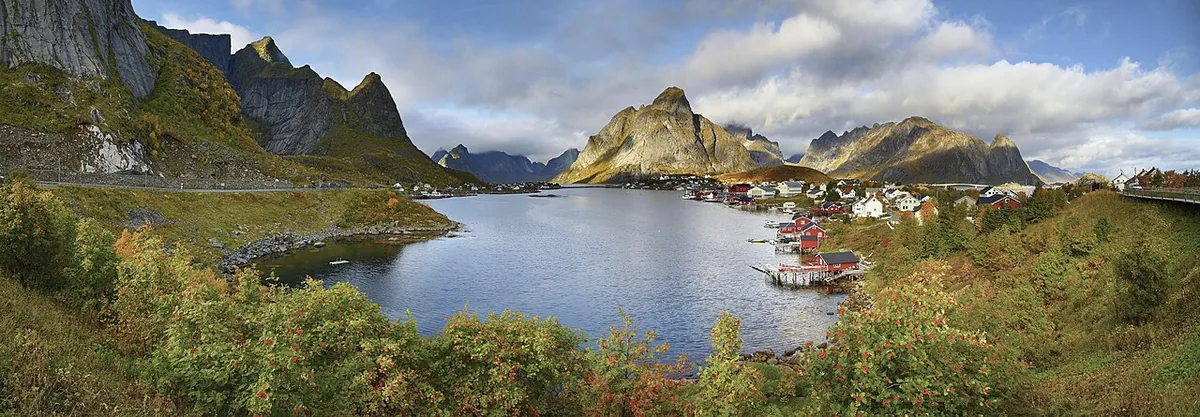
Reine
A traditional fishing village of red rorbuer cabins perched on granite islets beneath the 448-metre Reinebringen peak; the village anchors a 1,000-million-year-old mountain range rising directly from the Norwegian Sea; stand on the bridge at midnight during June; the sun remains suspended over the horizon; turning the water into liquid gold while the scent of salt-dried stockfish pervades the air.
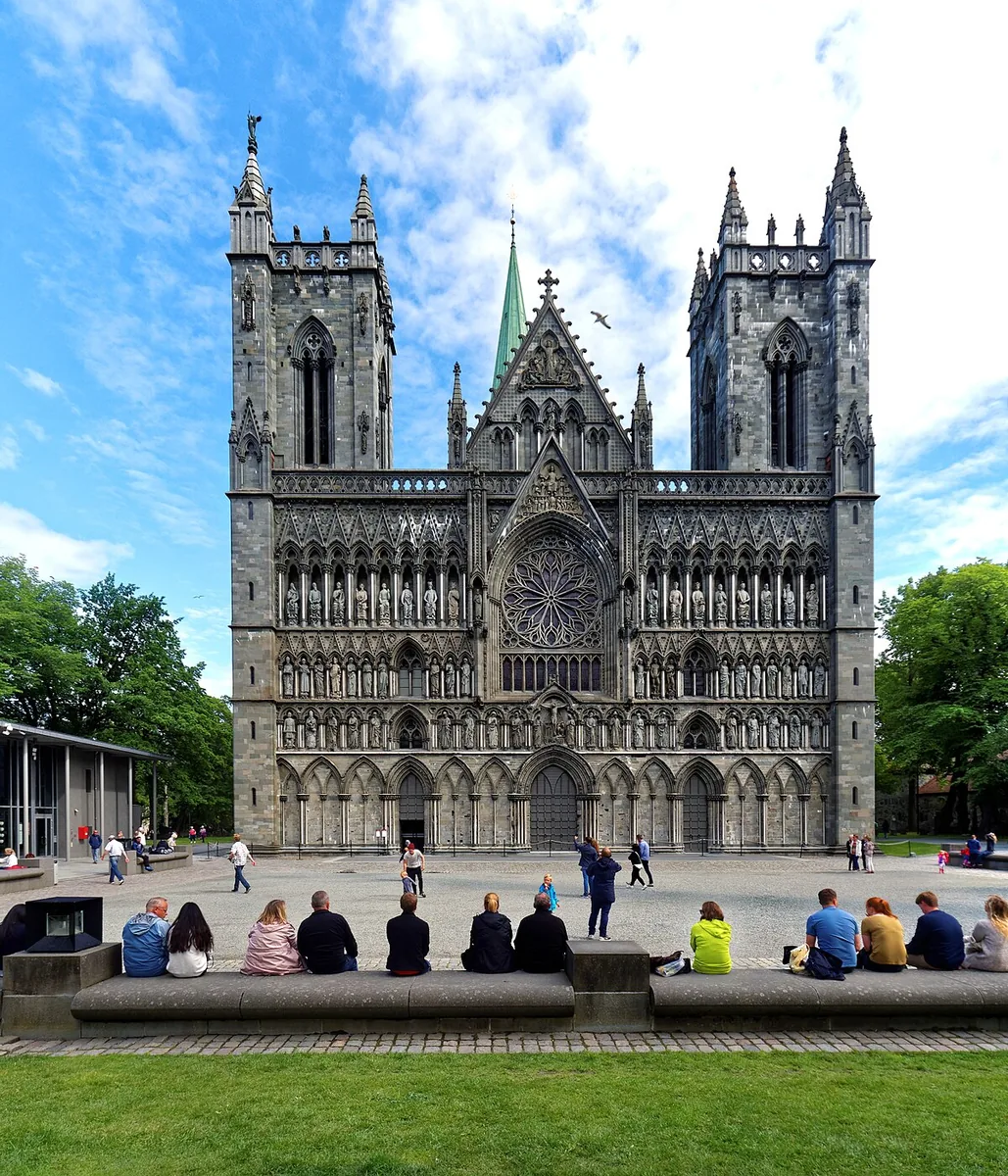
Nidaros Cathedral
The northernmost Gothic cathedral in the world; built over the burial site of Saint Olav in 1070 and featuring a massive rose window with 10,000 pieces of stained glass; the facade is a tapestry of soapstone carvings; attend an organ recital in the nave; the sound of 9,600 pipes vibrates through the cold stone floors while the interior turns violet under the western light.
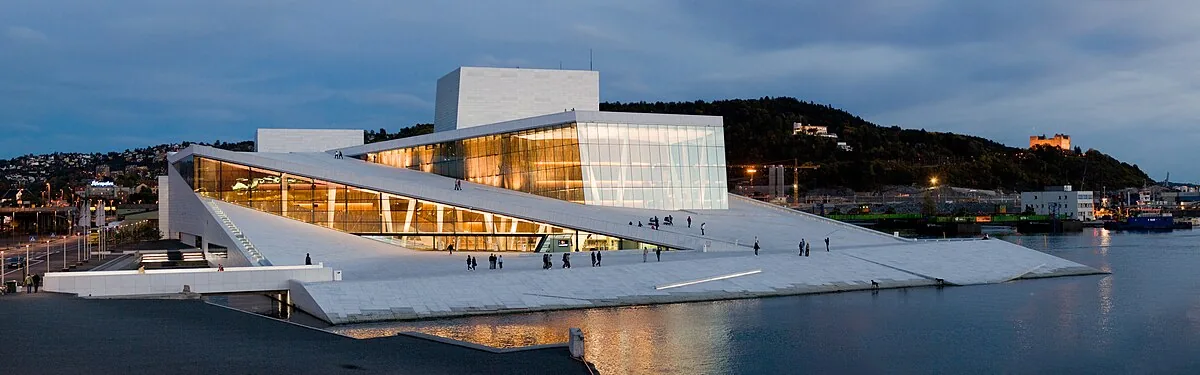
Opera House
An 1,100-room marble and glass structure designed to resemble a white glacier emerging from the Oslofjord; the roof is a 16,000-square-metre public plaza of slanted Italian carrara marble; walk the ramp to the summit at sunrise; the salt air is crisp while the white stone reflects the morning light with surgical intensity; silencing the noise of the surrounding city.
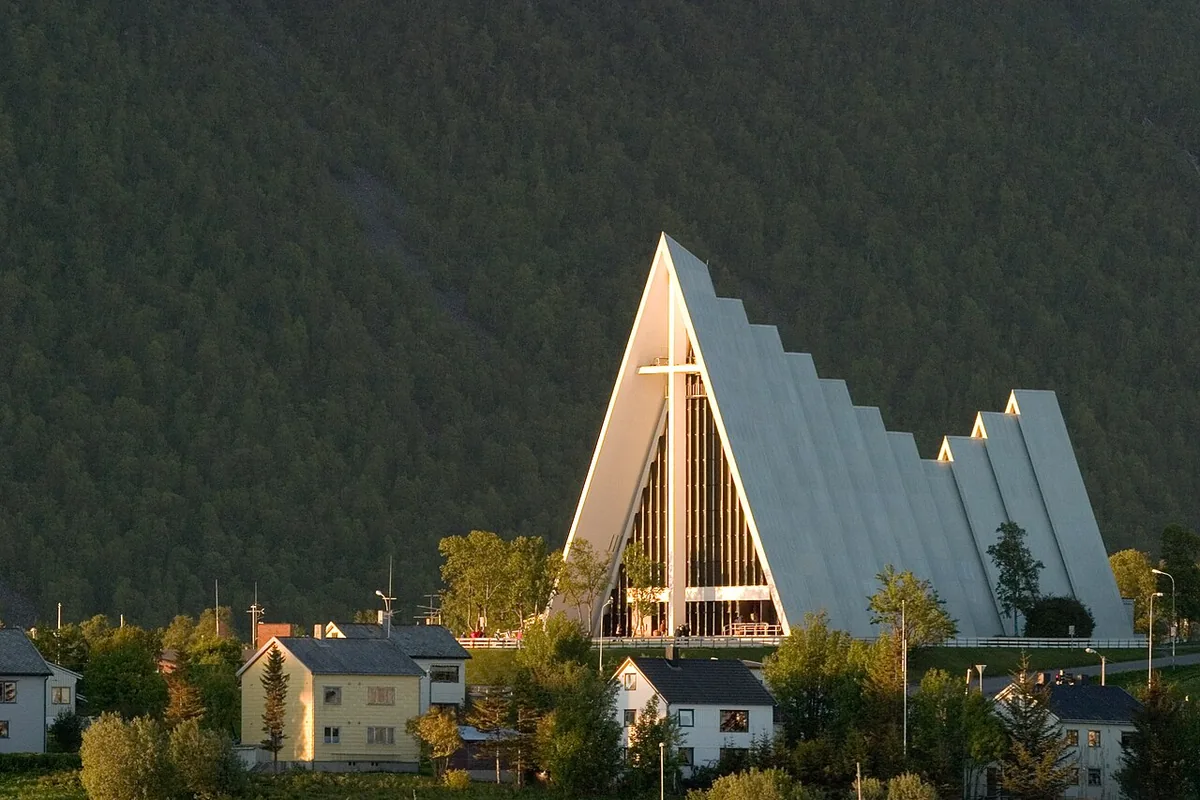
Arctic Cathedral
A 1965 architectural landmark of 11 aluminium-coated concrete segments inspired by ice blocks; featuring a 140-square-metre stained-glass mosaic on its eastern wall; the structure dominates the Tromsø Sound; attend a Midnight Sun concert; the interior is flooded with a perpetual orange glow while the acoustics amplify the sound of traditional Sámi joik against the stark; white walls.
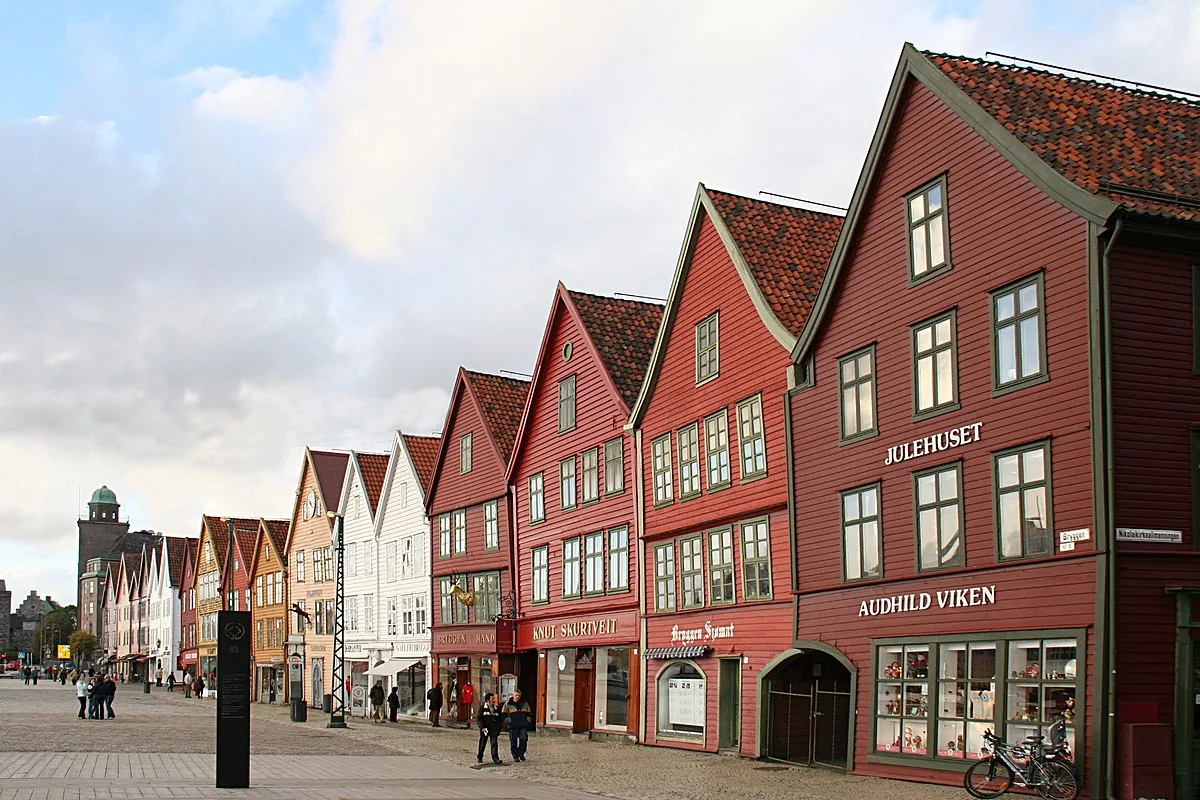
Bryggen
The 14th-century Hanseatic merchant quarter defined by a row of lean-to timber warehouses with sharp gables and secret alleyways; these sun-bleached structures have survived multiple fires and represent a 400-year trade monopoly; walk the wooden planked passages at dusk; the air carries a heavy scent of dried cod and old pine while the uneven ground creaks underfoot.
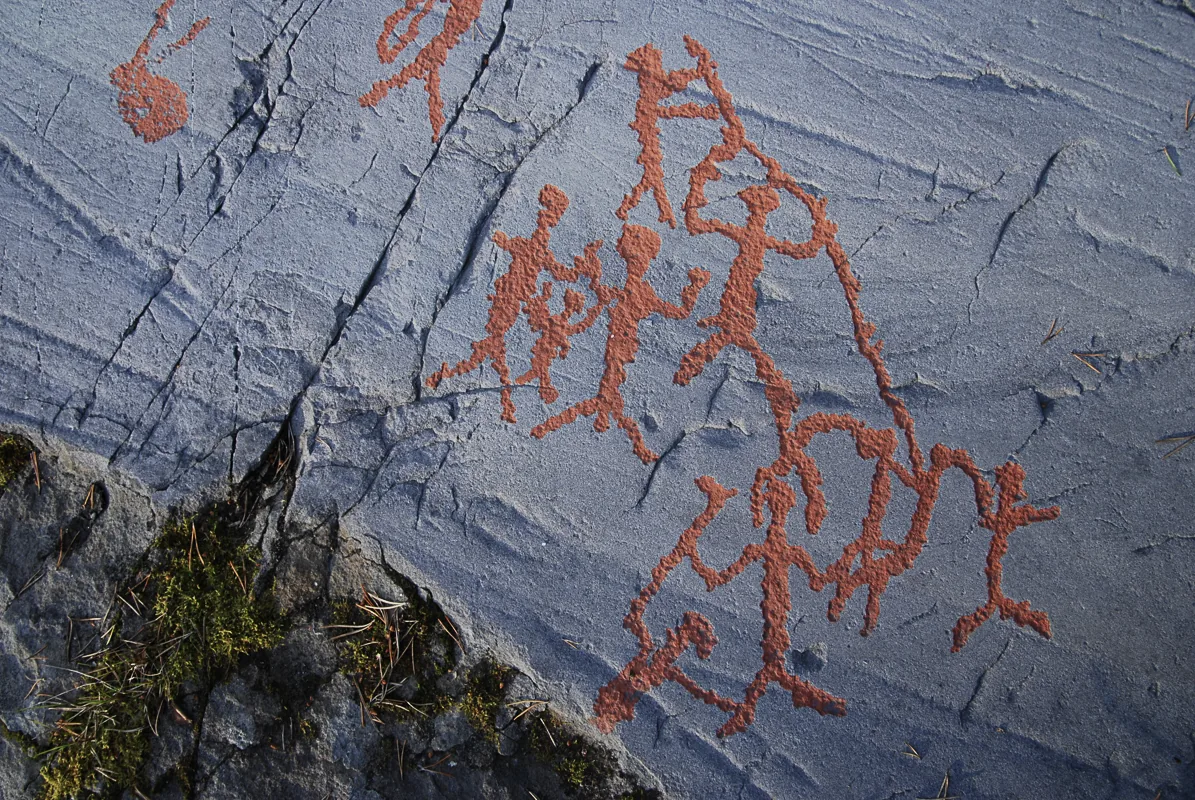
Alta Rock Carvings
A prehistoric open-air gallery of 6,000 petroglyphs dating from 4200 BC to 500 BC; depicting elk; bears; and hunting rituals etched into the grey sandstone slabs of the Hjemmeluft bay; these are the only remains of a Stone Age settlement in the Far North; walk the wooden walkways at twilight; the low sun emphasizes the relief of the carvings against the lichen-covered rock.
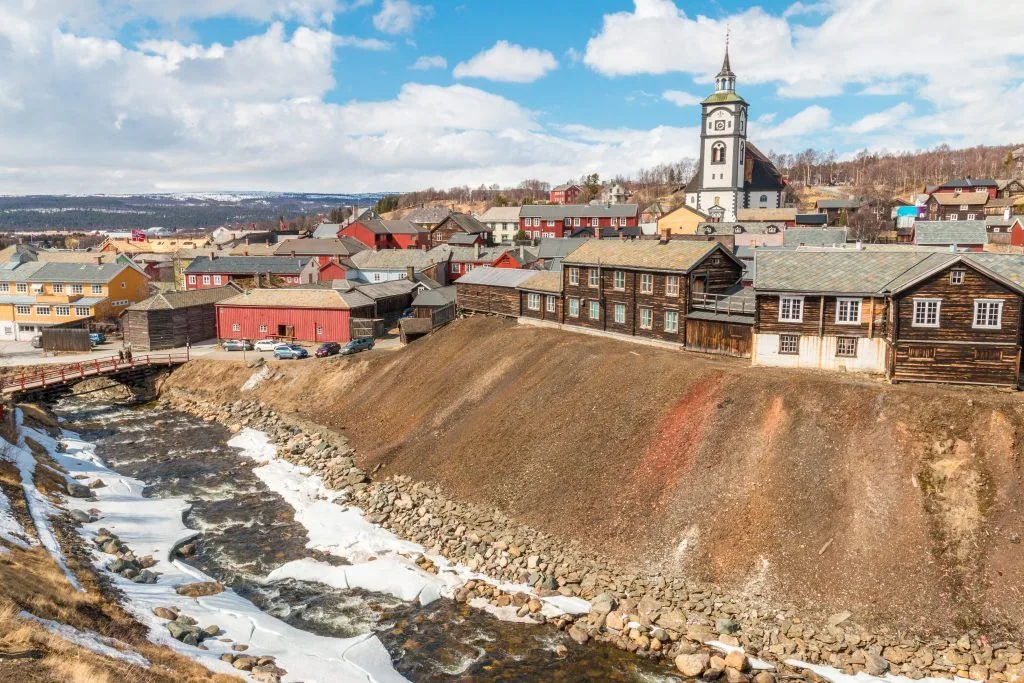
Røros Mining Town
A 17th-century copper mining settlement of 80 dark-stained timber houses built along a frozen mountain plateau; the town was founded in 1644 and remains largely unchanged; traverse the slag heaps at 10 am; the dry snow crunches underfoot while the smell of woodsmoke fills the thin; sub-zero air; the silence of the high plains is absolute.
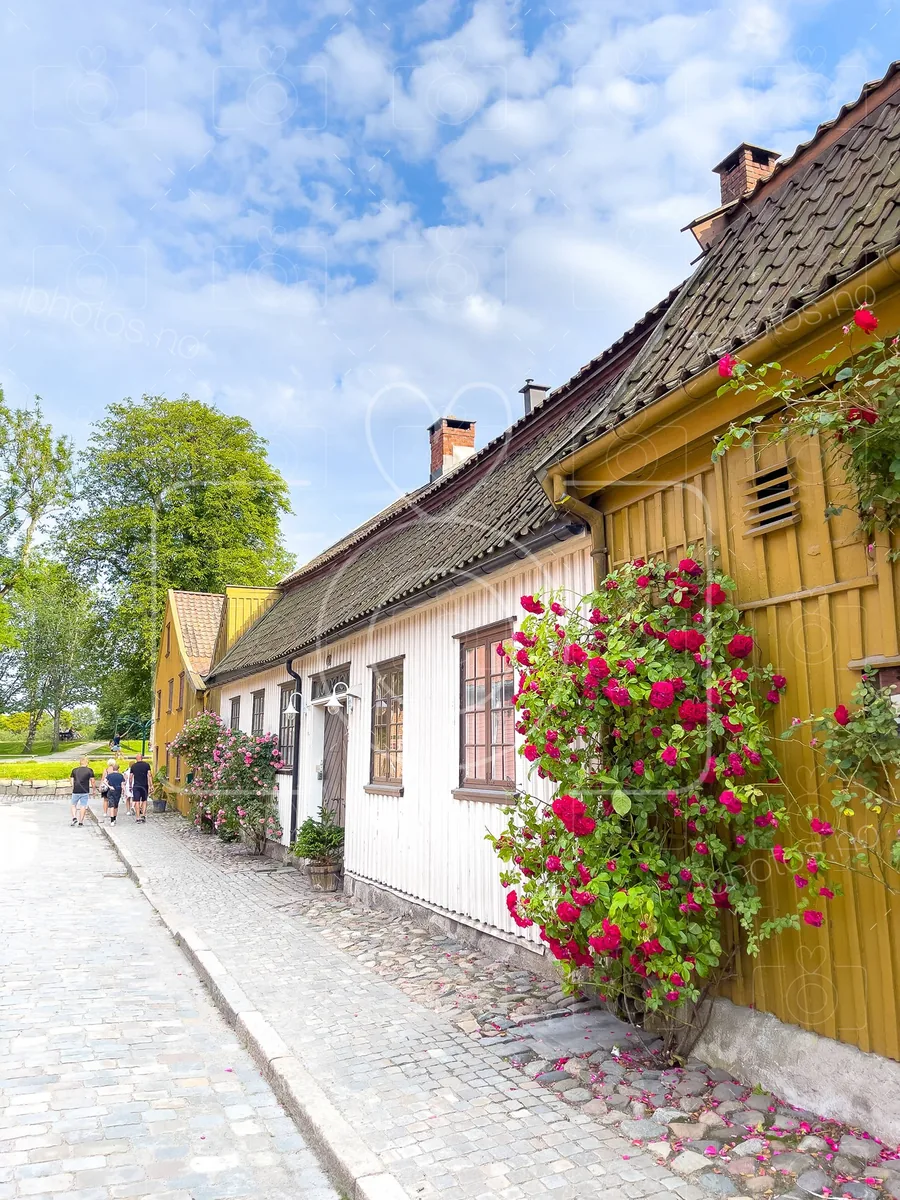
The Old Town (Gamlebyen)
Northern Europe best-preserved 17th-century fortified town; defined by star-shaped earthwork moats and red-brick bastions; the grid of cobblestone streets remains perfectly intact; enter through the arched iron gate at dawn; the mist hangs over the water in the moat while the shadows of the cannon batteries stretch across the sun-bleached ramparts.
The Old Town (Gamlebyen)
Seventeenth-century cannons still stand guard over a star-shaped fortress where the inhabitants live inside a Dutch-engineered masterpiece of military precision and wooden charm.
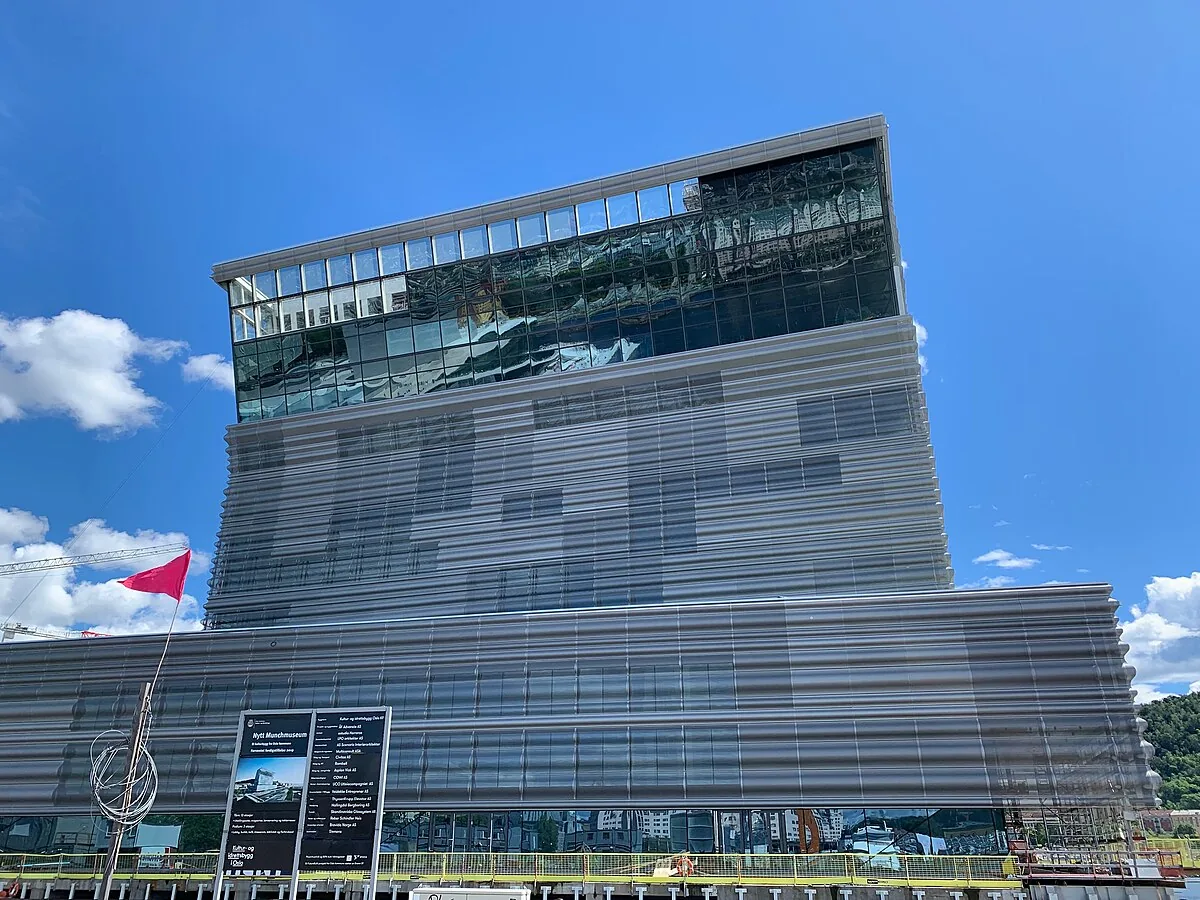
Munch Museum
An 11-story angular glass monolith in the Bjørvika district housing the world largest collection of Edvard Munch’s work; including the 1910 tempera-on-board version of The Scream; the building leans 20 degrees over the Oslofjord; stand in the top-floor gallery during the winter blue hour; the low Arctic light reflects off the steel-grey water while the minimalist interior amplifies the emotional weight of the canvases.
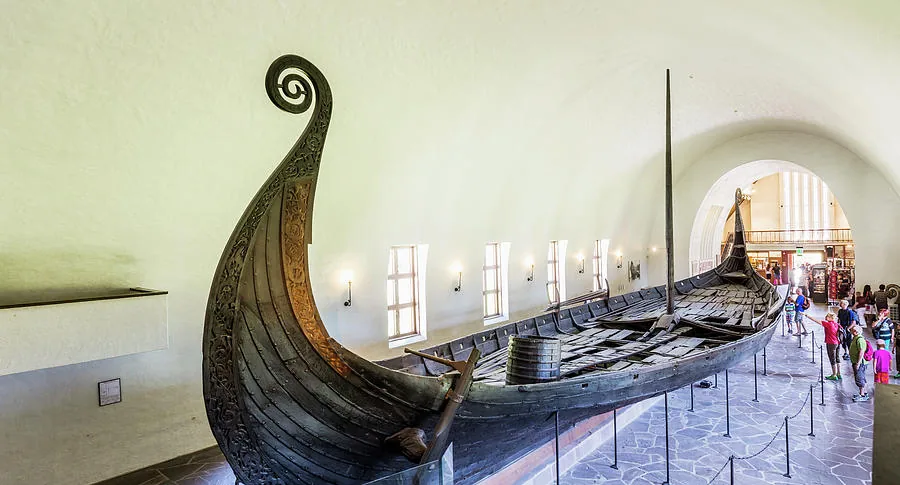
Bygdøy Viking Ship Museum
A clinical; white-vaulted gallery housing three 9th-century oak Viking ships, the Oseberg; Gokstad; and Tune, excavated from royal burial mounds; these vessels represent the pinnacle of Norse maritime engineering; stand under the Oseberg’s prow at 10 am; the natural light from the high windows highlights the intricate; hand-carved wood grain and the elegant; serpent-like curve of the hull.
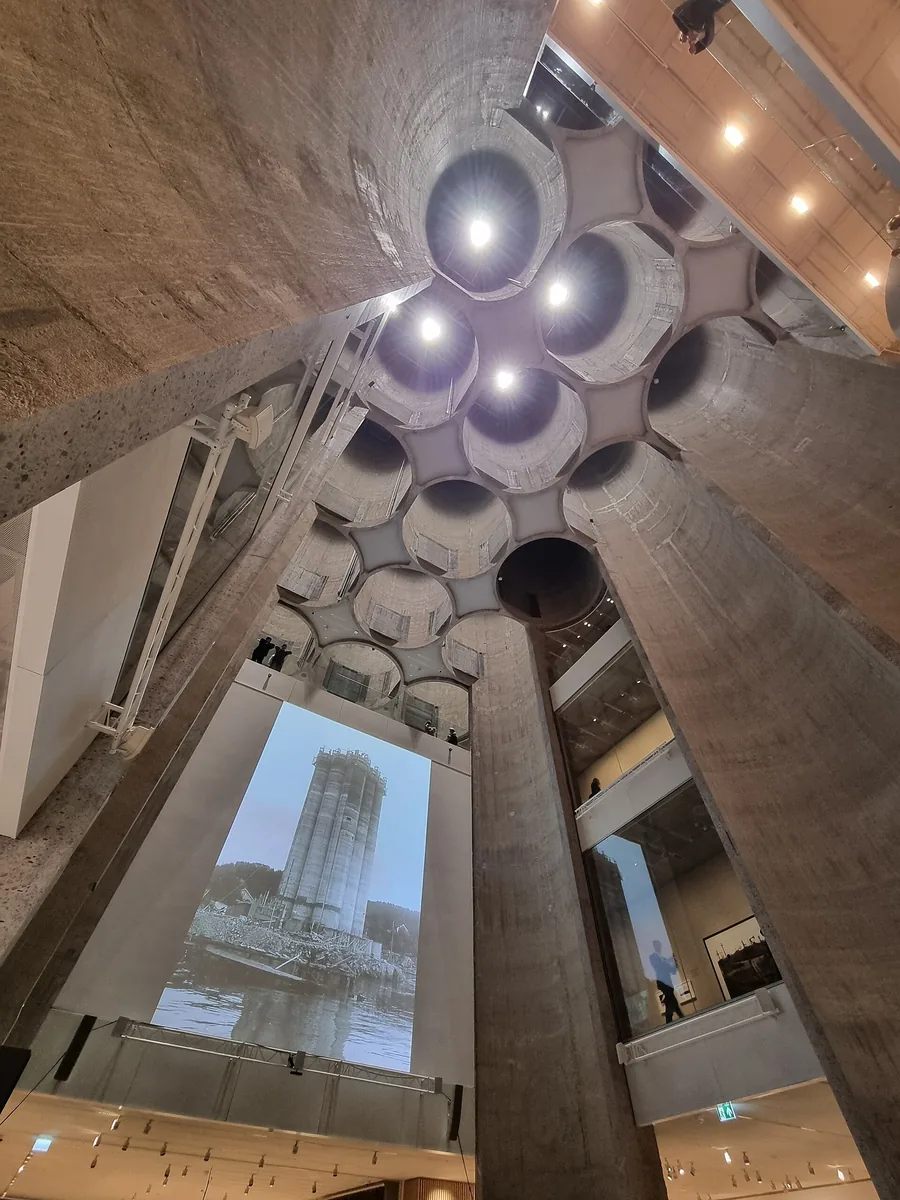
Sørlandets Kunstmuseum (Kunstsilo)
A 1935 functionalist grain silo repurposed into a 25-gallery art museum housing the world largest collection of Nordic modernism; the 30-metre concrete silos have been cut to create a dramatic; light-filled cathedral of industry; walk the central atrium at midday; the shadows of the massive cylinders move across the polished concrete floor in a silent; architectural dance.
Kunstsilo (Sørlandets Kunstmuseum)
A 1935 grain elevator has been surgically hollowed out to create a concrete cathedral that stores the most significant collection of Nordic modern art in existence.
Sørlandets Kunstmuseum (Kunstsilo)
They carved thirty giant concrete grain tubes into a single hollowed-out cathedral to house the world's most provocative collection of Nordic modern art.