Thousands of tons of iron ore move daily across a mountain ledge where workers once blasted through solid granite by hand to connect the Swedish mines to the Arctic sea.
About Ofoten Railway
The railway’s existence is owed to the unique geography of Narvik, the nearest ice-free port to the Swedish iron deposits. Initial attempts by a British company in the 1880s failed due to bankruptcy and the sheer difficulty of the terrain. The Swedish and Norwegian states took over, completing the line in 1902. In 1940, it became the site of the first major Allied land victory against Nazi Germany, as British and Norwegian forces struggled to cut off the iron supply. The legendary 'Navvy Road' (Rallarvegen) used by the builders is now a famous hiking and cycling trail that runs parallel to the modern tracks.
Ofoten Railway in Norway
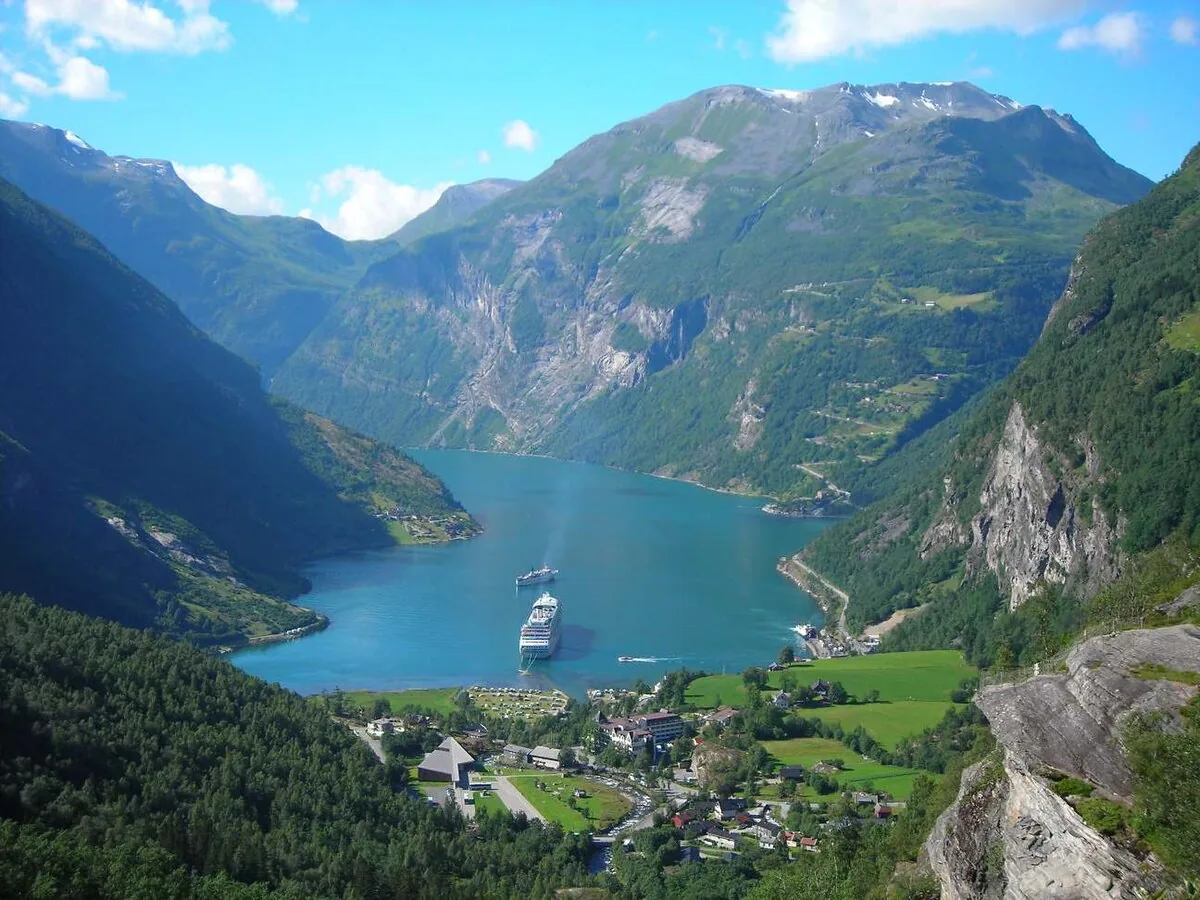
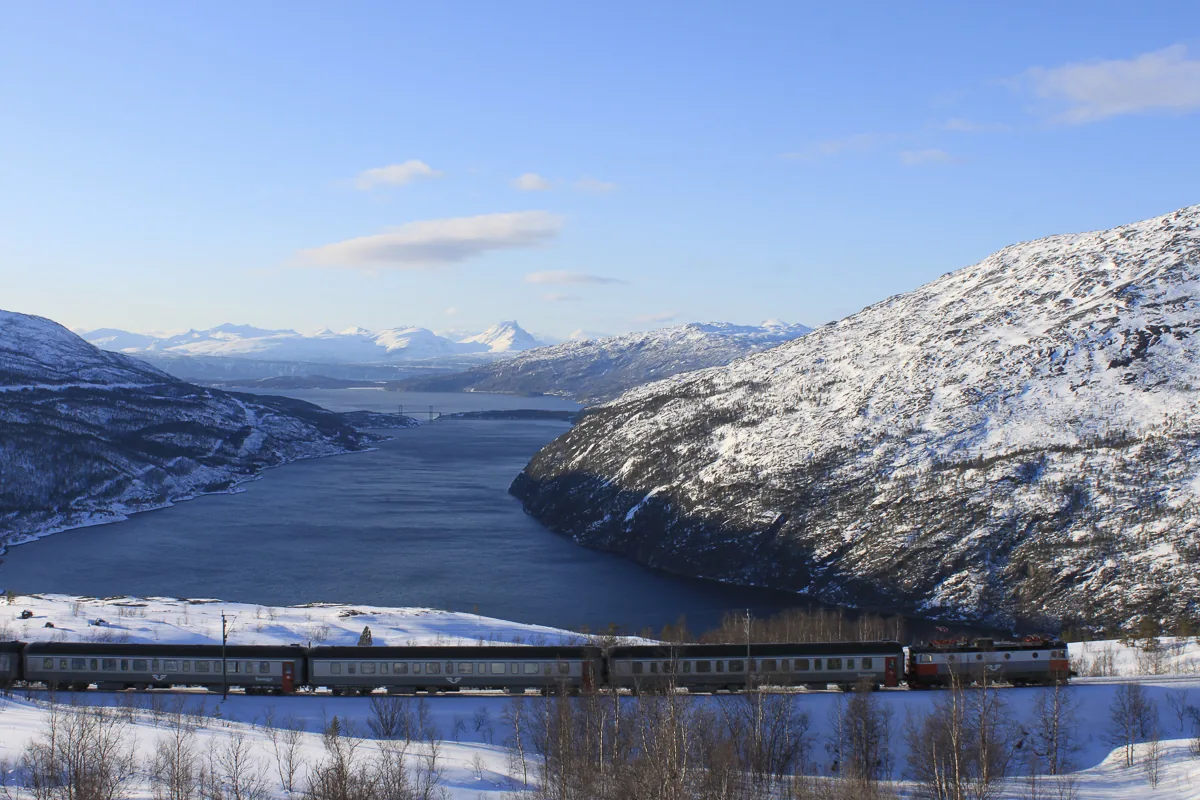
Iron ore trains thundering across precarious bridges and through dark, hand-carved tunnels define the rhythm of the Ofoten Railway. Stretching from the ice-free port of Narvik to the Swedish border, this 43-kilometer line is one of the most northerly and dramatic railways on earth. It clings to the side of the mountains, overlooking the deep, blue waters of the Ofotfjord, where the wreckage of World War II destroyers still lies beneath the surface. The tracks move through a landscape that shifts from lush coastal fjords to the desolate, wind-scoured plateaus of the high mountains. This is a passage through industrial ambition and raw nature, where the metal rails are the only thin line connecting human commerce to the wilderness.
The railway was built between 1898 and 1902 to transport iron ore from the massive mines in Kiruna, Sweden, to the sea. The project was an engineering miracle of its time, requiring thousands of 'rallars', migrant workers, to blast through solid granite in sub-zero temperatures. These men and women lived in makeshift camps along the tracks, carving the route largely by hand. During World War II, the line became the strategic prize of the Battle of Narvik, as the German military desperately sought to control the flow of iron. The tracks were sabotaged, rebuilt, and fought over, leaving the mountain slopes littered with historical scars. Today, the railway remains a vital artery for the global steel industry while doubling as one of the world's most scenic passenger routes.
Sitting in the passenger carriage,
Sitting in the passenger carriage, the rhythmic click-clack of the wheels as the train begins its steady climb from sea level. The environment outside is biting, but through the glass, seeing the massive, jagged peaks of the mountains rising directly from the fjord. You catch the ruins of old stone houses along the tracks, the remnants of the laborers who built this path over a century ago. Something like a momentary jolt of adrenaline as the train crosses the Norddal Bridge, a slender steel structure that spans a dizzying gorge. The hum of the electric engine hums with power as it pulls against the gradient. The transition from the green birch forests of the coast to the stunted, hardy shrubs of the Arctic heights. The light in winter is blue and ethereal, while the summer sun reveals hidden waterfalls that tumble down the rock faces like silver threads.
The journey begins at Narvik Station,
The journey begins at Narvik Station, which is located in the centre of the city. Narvik is accessible by bus from Tromsø or by flying into Harstad/Narvik Airport (Evenes). From the station, you can take a regional train toward the Swedish border station of Riksgränsen or continue all the way to Kiruna or Stockholm. The most popular option is the 'Arctic Train' sightseeing service, which is specifically timed to showcase the most dramatic sections of the fjord ascent.
The Experience
The train car feels like a moving theater, with the massive windows framing the deep blue Ofotfjord. What hits is the sheer drop-offs just inches from the track, evidence of the bravery of the engineers who laid the line. You get a temperature change within the car as you pass through long, dark tunnels, emerging into the blinding white of a snow-covered plateau. First, the massive freight trains passing in the opposite direction, their miles-long lines of cars carrying the weight of the mountain itself. What lingers is looking back toward Narvik from the high pass, seeing the city shrink into a tiny cluster of lights against the scale of the North Atlantic.
Why It Matters
Ofoten Railway is a monument to industrial survival. It is the lifeblood of the Arctic economy and a physical record of the brutal labor that built modern Scandinavia. Culturally, it represents the shared history of Norway and Sweden, and its role in World War II makes it a site of international historical importance.
Why Visit
See this railway if you want to see a landscape that feels truly untamed. Unlike the polished tourist trains of Central Europe, the Ofoten line feels raw and purposeful. It offers a rare perspective of the fjords from above, giving you a sense of height and drama that is impossible to find from the deck of a boat.
✦ Photo Gallery
Best Season
🌤 September and October bring the 'Rallar' colors, when the mountain shrubs turn a brilliant red and orange against the dusting of early snow.
Quick Facts
Best time to visit
September and October bring the 'Rallar' colors, when the mountain shrubs turn a brilliant red and orange against the dusting of early snow.
Getting there
In Narvik, Norway; reach Narvik first, then continue to the site.
Location
Narvik, Norway
Type
attraction
Insider Tips
- 1
Sit on the right side of the train when departing from Narvik to get the most unobstructed views of the fjord and the mountain drops.
- 2
Bring a pair of binoculars to spot the WWII wreckage and old stone 'rallar' huts that are often tucked into the valleys below.
- 3
The Arctic Train sightseeing tour includes a stop at the remote Katterat station, which is inaccessible by road and feels trapped in time.
- 4
If you enjoy hiking, take the train to Katterat and walk the Rallarvegen trail back toward the coast for an immersive historical experience.
- 5
The trains are heated and comfortable, but the stations on the high plateau are freezing; dress in heavy layers if you plan to get off at Riksgränsen.