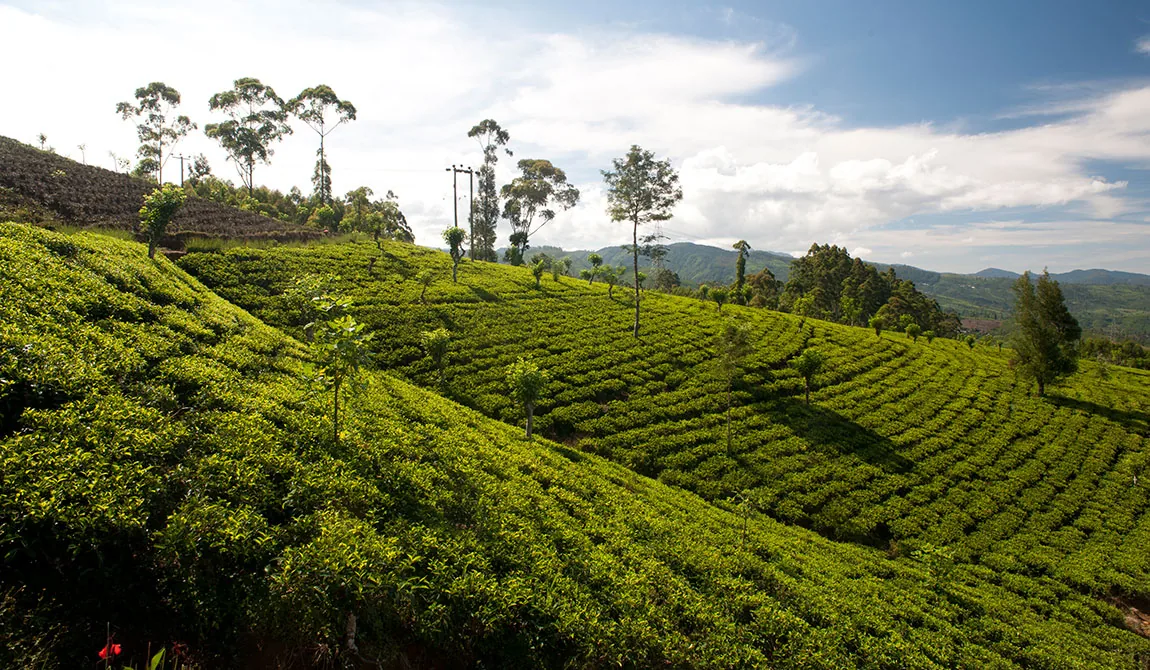
Sri Lanka became a tea giant by accident: a blight destroyed its coffee, so the British replanted the hills with tea, and estates like this one were born.
About Pedro Tea Estate
The Pedro estate dates from the British colonial era, when the highlands around Nuwara Eliya were turned over to tea after the coffee crop failed in the 1870s. Its factory, with much of its original or period machinery, has processed the surrounding hillsides' harvest for generations, producing high-grown Ceylon tea that helped make Sri Lanka one of the world's leading tea exporters.
What Pedro Tea Estate actually is
The Pedro Tea Estate, just outside Nuwara Eliya, is one of Sri Lanka's most famous working tea plantations and factories, set high in the misty hills where the climate produces some of the finest Ceylon tea. A visit takes you through the rows of bright green tea bushes and into the factory to see how the leaves are processed, ending with a tasting.
“A visit takes you through the rows of bright green tea bushes and into the factory to see how the leaves are processed, ending with a tasting.”
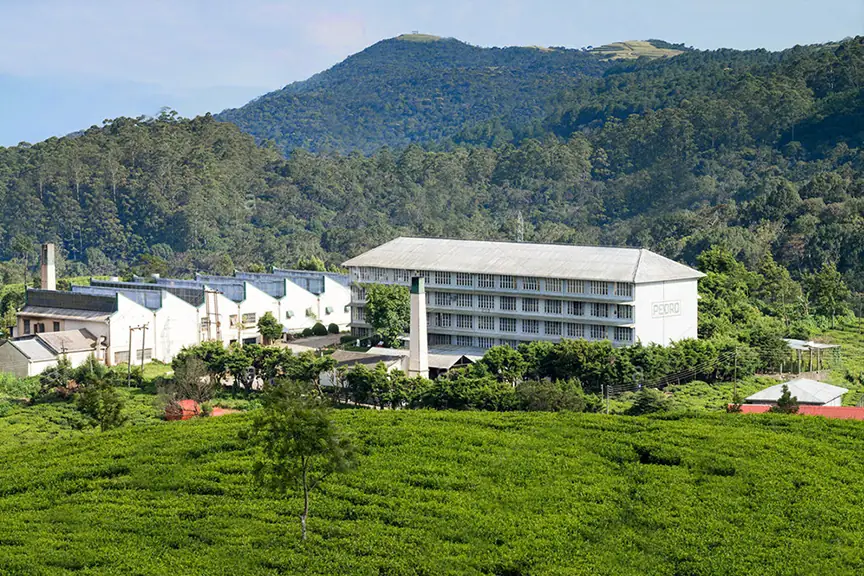
Pedro Tea Estate, Sri Lanka
The Home of Ceylon Tea
Sri Lanka's highland tea industry was born after a coffee blight in the 19th century wiped out the island's coffee plantations, prompting the British to switch to tea, which thrived in the cool, high country around Nuwara Eliya. Estates like Pedro have been producing tea for well over a century. The high elevation, cool air and frequent mist give the tea here its prized delicate flavour, sold worldwide under the Ceylon name.
The Experience
You walk or drive past steep slopes carpeted in tea bushes, often dotted with pickers, then tour the factory to follow the leaves through withering, rolling, fermenting and drying. The smell of processing tea fills the air, and a tasting of fresh high-grown brew rounds off the visit. The cool hills, the green plantations and the working factory together tell the story of Ceylon tea.
Why It Matters
The Pedro Tea Estate offers an accessible window into the industry that shaped modern Sri Lanka's economy and global image. Tea remains one of the island's signature exports, and seeing how high-grown Ceylon tea is made, in the landscape that produces it, connects visitors to a defining part of the country.
Why Visit
A working high-grown tea estate and factory near Nuwara Eliya, where you can tour the plantation, see Ceylon tea being made and taste it fresh in the cool hills.
Insider Tips
- 1
Take the factory tour to see Ceylon tea being processed.
- 2
Finish with a tasting of fresh high-grown tea.
- 3
Bring layers; the high tea country is cool and often misty.
- 4
The plantation slopes make for beautiful photographs.