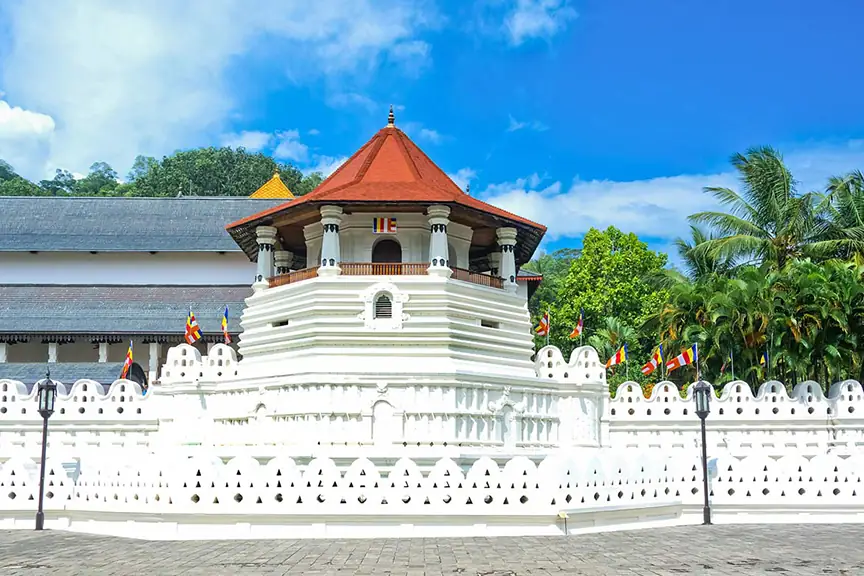
“Trincomalee sits on one of the world's finest natural harbours - a deep-water bay so coveted that Portuguese, Dutch, French and British forces fought over it for centuries.”
About Trincomalee
Trincomalee's superb natural harbour made it strategically vital long before the colonial era, and the ancient Koneswaram temple marked it as a sacred site. From the sixteenth century, European powers seized and lost the port repeatedly, and Fort Frederick on the headland dates from this contested age; the harbour served as a major Allied naval base in the Second World War. The northeast, including Trincomalee, was heavily affected by Sri Lanka's civil conflict and reopened fully to tourism only after it ended, since when its beaches and reefs have drawn growing numbers of visitors.
What Trincomalee actually is
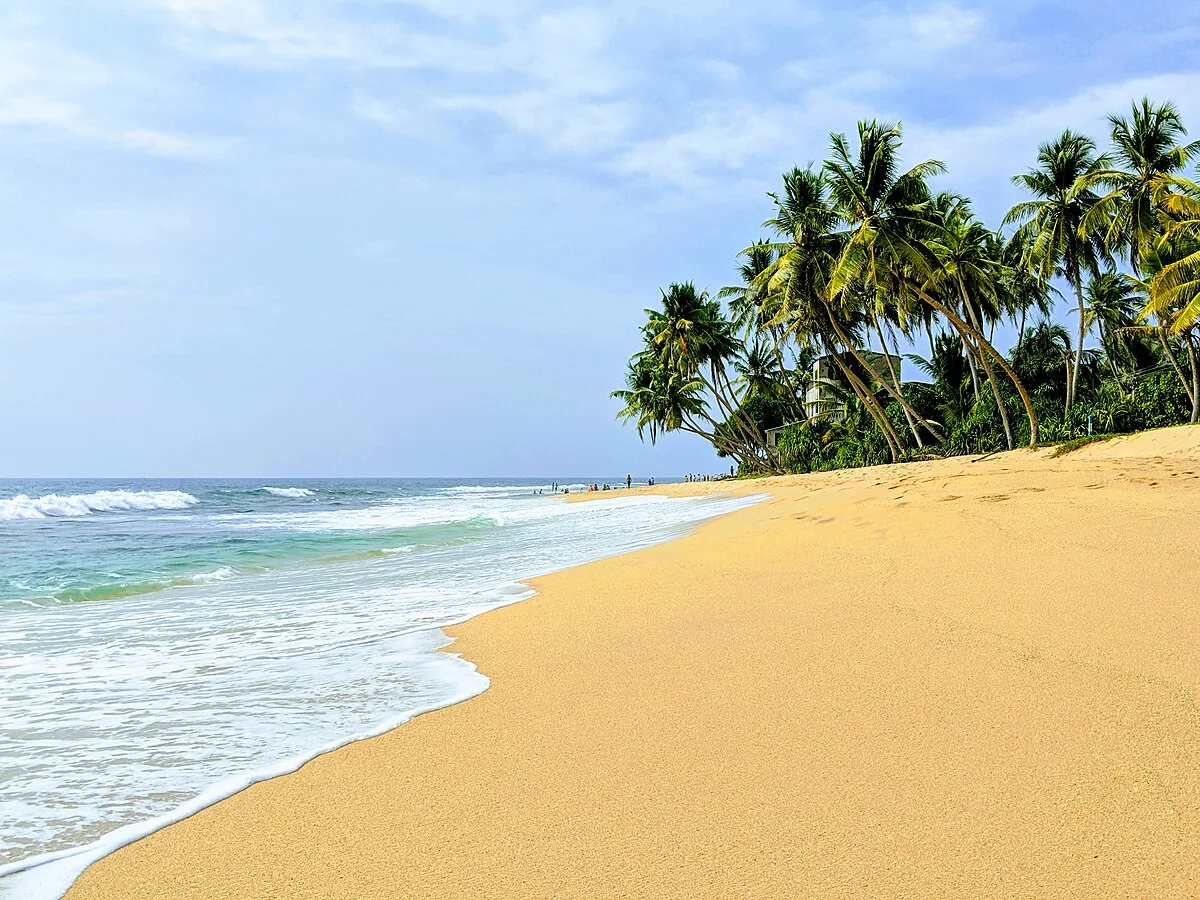
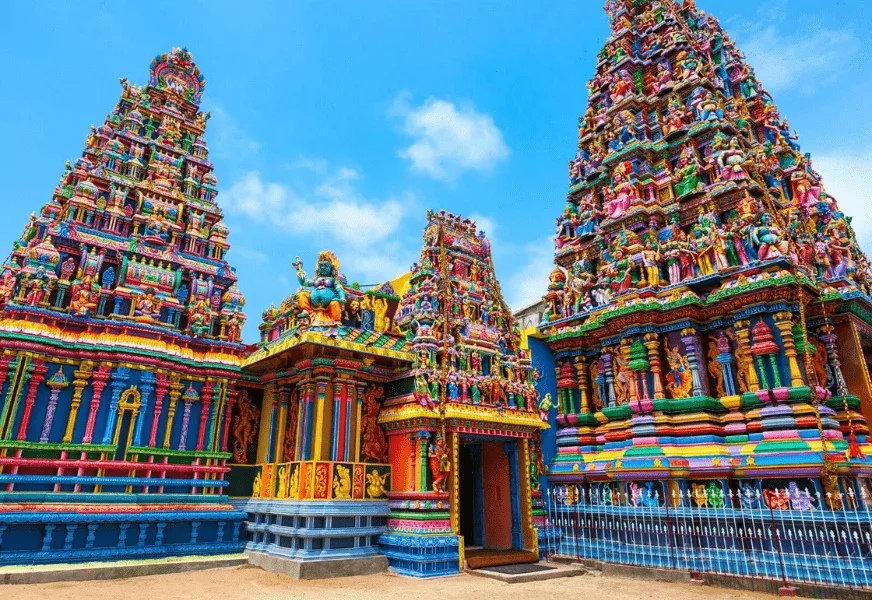
Trincomalee, on the northeast coast, sits on one of the finest natural deep-water harbours in the world, a strategic prize that drew Portuguese, Dutch, French and British powers to fight over it for centuries. Today it is better known for its calm turquoise beaches, the clifftop Koneswaram temple and some of Sri Lanka's best diving and snorkelling.
Today it is better known for its calm turquoise beaches, the clifftop Koneswaram temple and some of Sri Lanka's best diving and snorkelling.
A Coveted Harbour
The vast sheltered bay made Trincomalee a key naval base across the colonial era and into the twentieth century. Fort Frederick, on the headland, still guards the approach and shelters herds of spotted deer within its walls.
Koneswaram Temple
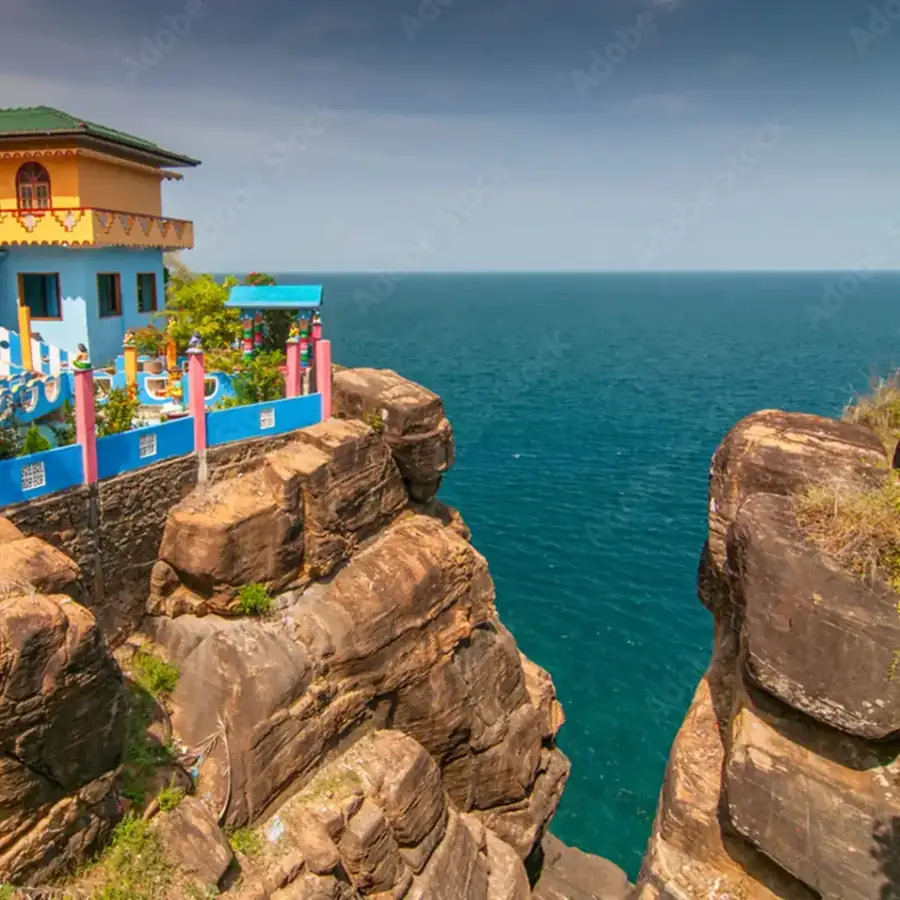
Perched dramatically above the sea on Swami Rock within the fort, the colourful Koneswaram temple is an ancient and important Hindu shrine to Shiva, with a sheer cliff known as Lover's Leap dropping to the water below.
Beaches and Reefs
The nearby beaches of Uppuveli and Nilaveli are long and calm, and offshore Pigeon Island National Park protects coral reefs alive with fish and reef sharks, a top snorkelling and diving spot.
The nearby beaches of Uppuveli and Nilaveli are long and calm, and offshore Pigeon Island National Park protects coral reefs alive with fish and reef sharks, a top snorkelling and diving spot.
The Experience
A visit mixes history, faith and the sea: walking into Fort Frederick past grazing deer to the cliff-edge Koneswaram temple, with its bright gopuram and the drop of Lover's Leap to the waves below. Out of town, the long calm beaches of Uppuveli and Nilaveli invite slow days. The offshore reefs at Pigeon Island are the other highlight, where snorkellers drift over coral among reef fish and blacktip reef sharks. The northeast's quieter, less-developed feel is part of its appeal.
Why It Matters
Trincomalee is built around one of the world's great natural harbours, a site of major strategic and colonial history, and combines the ancient Koneswaram Hindu temple with some of Sri Lanka's finest beaches and the protected coral reefs of Pigeon Island.
Why Visit
It blends a dramatic clifftop temple, deep colonial history and superb beaches and reefs on a quieter coast. Visit Koneswaram and Fort Frederick, snorkel or dive at Pigeon Island, and enjoy the calm sands of Nilaveli and Uppuveli.
✦ Insider Tips
- 1
Visit the clifftop Koneswaram temple inside Fort Frederick, past the resident deer.
- 2
Snorkel or dive at Pigeon Island National Park for coral and reef sharks.
- 3
Relax on the long, calm beaches of Nilaveli and Uppuveli near town.
- 4
Come in the April-to-September window, the east coast's dry season.
- 5
Respect temple dress codes at Koneswaram, with shoulders and knees covered.