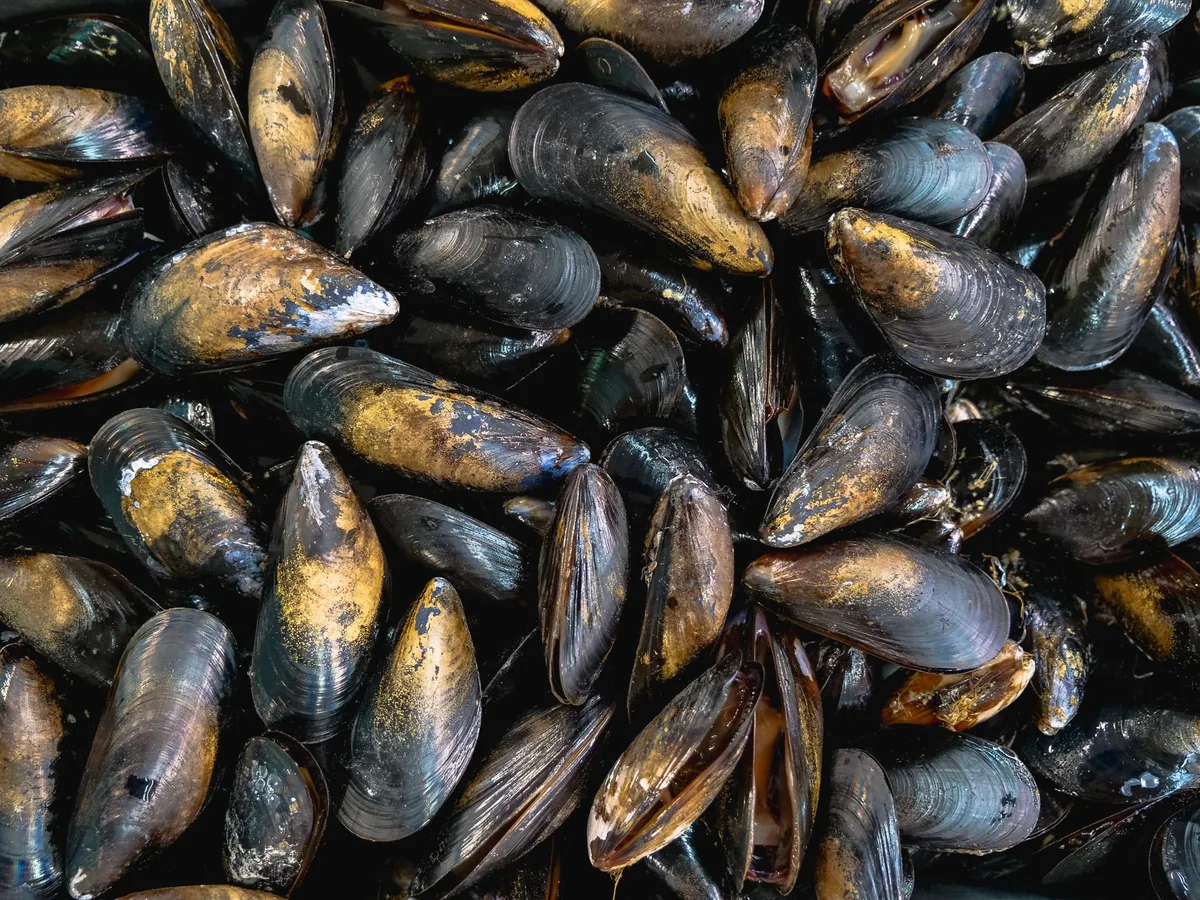
New Zealand's green-lipped mussel, distinguished by its vivid emerald shell edge, is grown on rope farms in Marlborough Sounds and produces more sweet liquor than any European equivalent.
About Green-lipped Mussels
New Zealand's most famous seafood export, the Perna canaliculus mussel, distinguished by its vivid emerald lip and its exceptional size (up to 24cm); grown on rope farms in Marlborough Sounds and Coromandel; steamed with white wine and herbs or served chilled with vinaigrette; exported to 60 countries; the green-lipped mussel oil supplement industry is a separate global business.
The Mussel
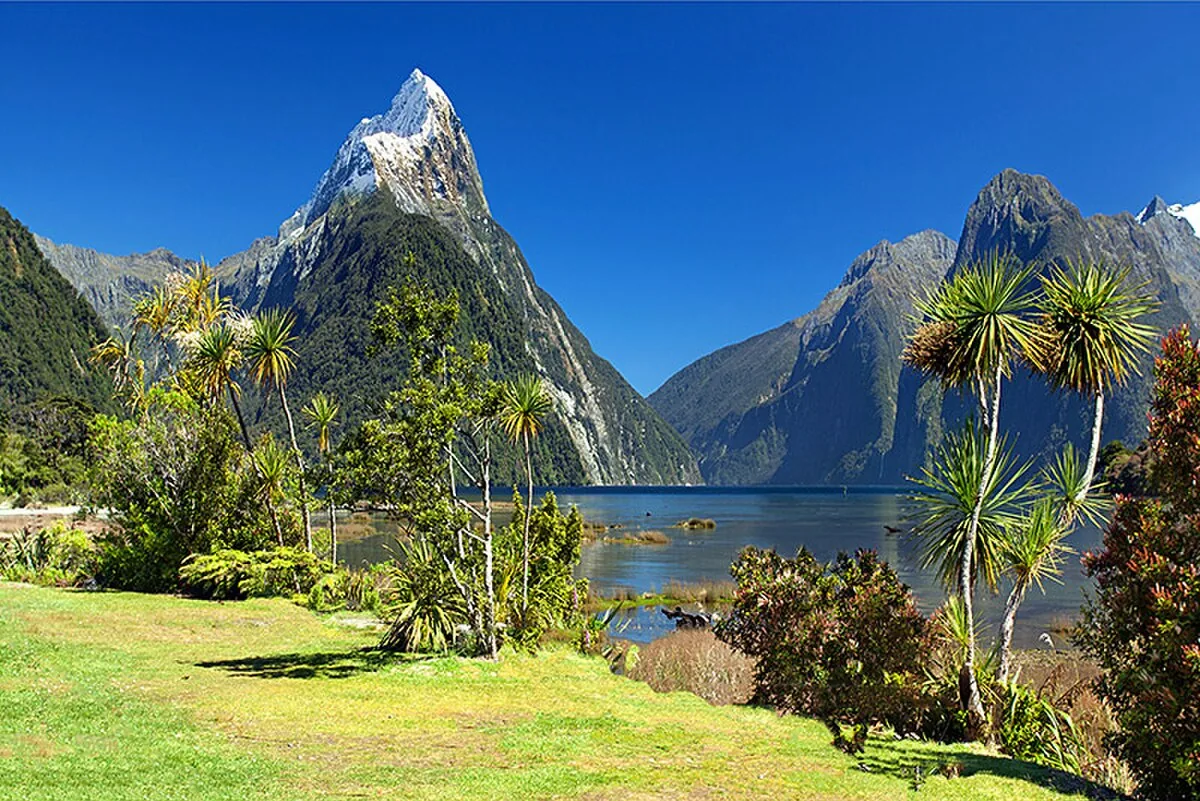
New Zealand's green-lipped mussel, named for the vivid emerald edge of its shell, is the country's most famous shellfish. Large and meaty, it is grown on rope farms in sheltered waters such as the Marlborough Sounds. It is steamed open in white wine with garlic and herbs, or served chilled with a vinaigrette.
“New Zealand's green-lipped mussel, named for the vivid emerald edge of its shell, is the country's most famous shellfish.”
Rope-Grown and Clean
The mussels are cultivated on suspended ropes rather than the seabed, which keeps them free of grit and gives an even, plump meat. The cold, clean southern waters slow their growth and concentrate their sweetness. Rope farming also makes them among the more sustainable shellfish available.
The Broth
Green-lipped mussels give up more liquor than the smaller European blue mussel, and the broth that results is sweeter and cleaner. That liquid, mingled with the wine and aromatics they are steamed in, is half the pleasure of the dish. Bread for mopping the bowl is as important as the mussels themselves.
A Marlborough Specialty
The Marlborough Sounds and other northern bays are the heart of production, and towns there celebrate the mussel as a local icon. Eaten fresh at the source, plump and sweet with their own rich broth, they make the case for eating local seafood in its home waters. Imported, frozen versions give only a hint of the real thing.
What to Expect
The mussels arrive open in a wide bowl, the broth pooled at the base. The green lip of the shell is visible on each one. The flesh is large and sweet. The broth, mopped with bread, is the final act.
Why Try It
New Zealand's green-lipped mussels are the argument for why eating local seafood in its country of origin is categorically different from eating imported versions.
Insider Tips
- Havelock in Marlborough (the 'Greenshell Mussel Capital') is the best place to eat them fresh.
- Marlborough Sounds water temperatures produce the sweetest specimens, the October-April season is peak.
- The liquor broth is as good as the mussels, bring extra bread.