Explore
Landmarks & Places
Must-see destinations across New Zealand
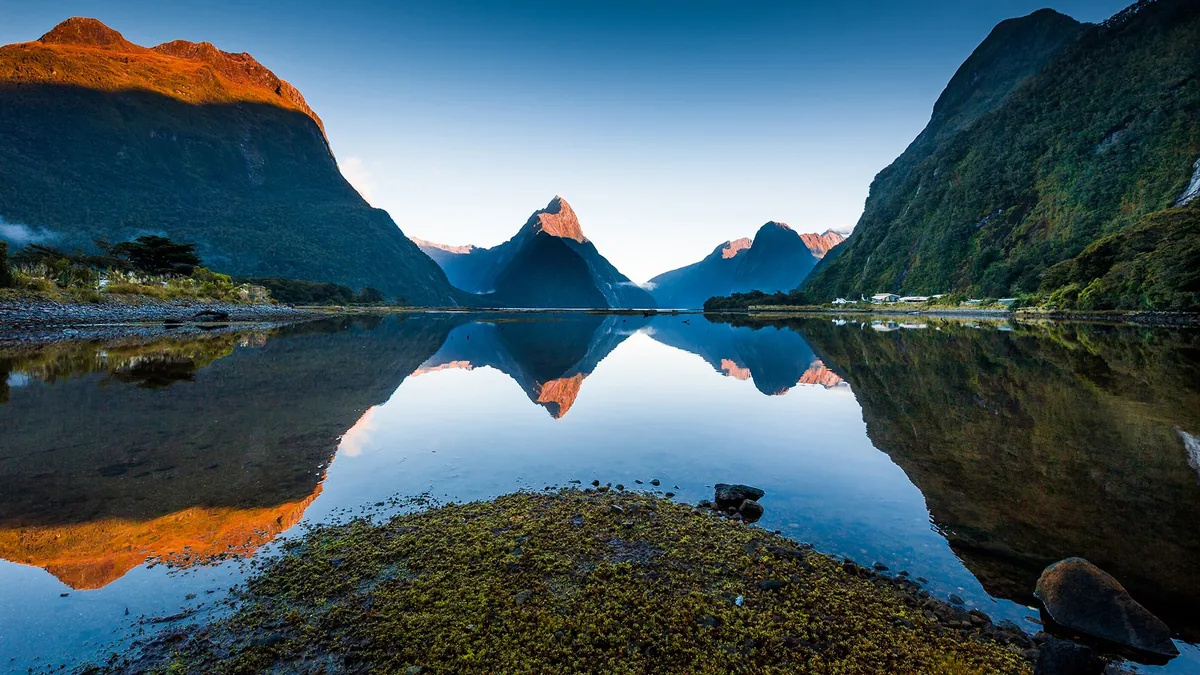
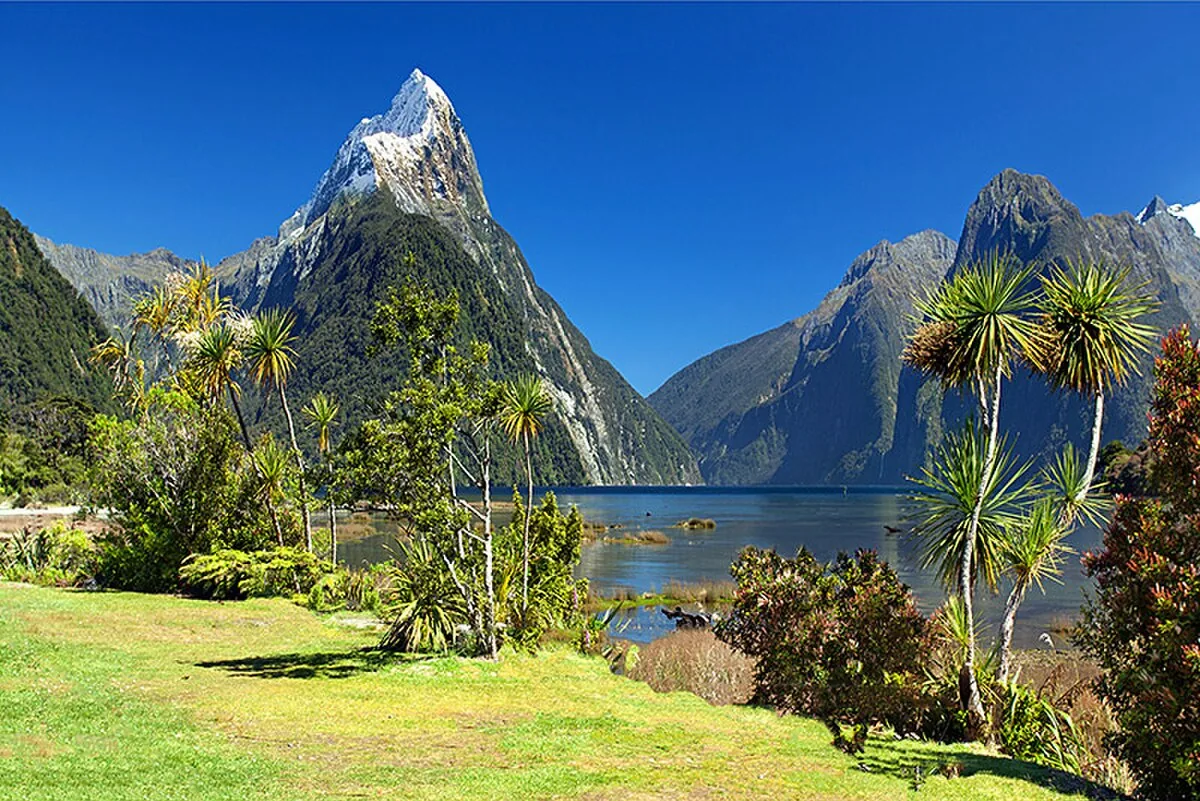
Piopiotahi / Milford Sound
A tectonic masterpiece where 1,200-metre granite cliffs rise vertically from ink-black waters; carved by ancient glaciers during the Pleistocene; the Mitre Peak silhouette dominates the skyline; cruise into the fjord during a heavy downpour when thousands of temporary waterfalls streak the moss-slicked basalt walls; the air is saturated with glacial spray and the scent of damp beech forest.
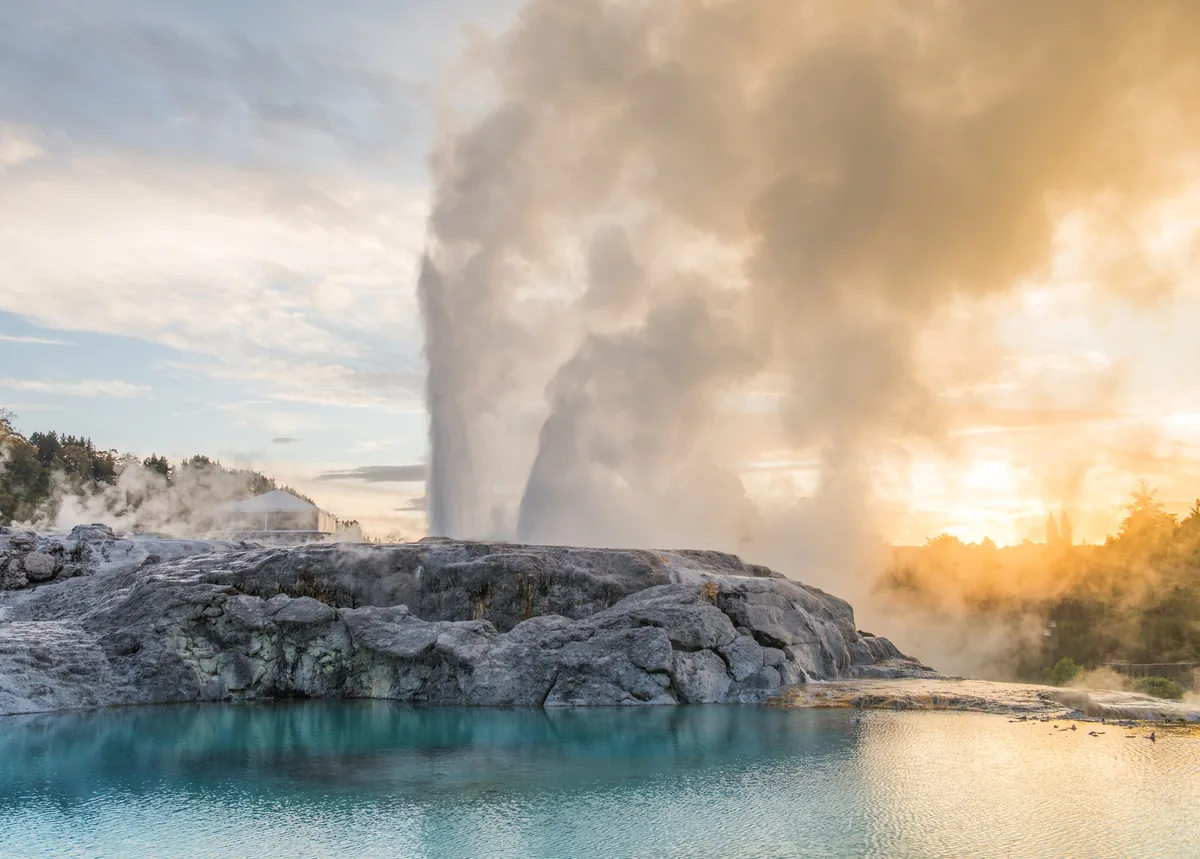
Te Puia
The spiritual home of Te Arawa Māori culture; situated on the Whakarewarewa geothermal plateau where the Pōhutu Geyser erupts up to 30 metres high; the landscape is a surreal mosaic of silica terraces and bubbling mud pools; attend the evening Haka performance; the steam turns amber under the spotlights while the sulphuric air carries the percussive sound of bare feet on volcanic earth.
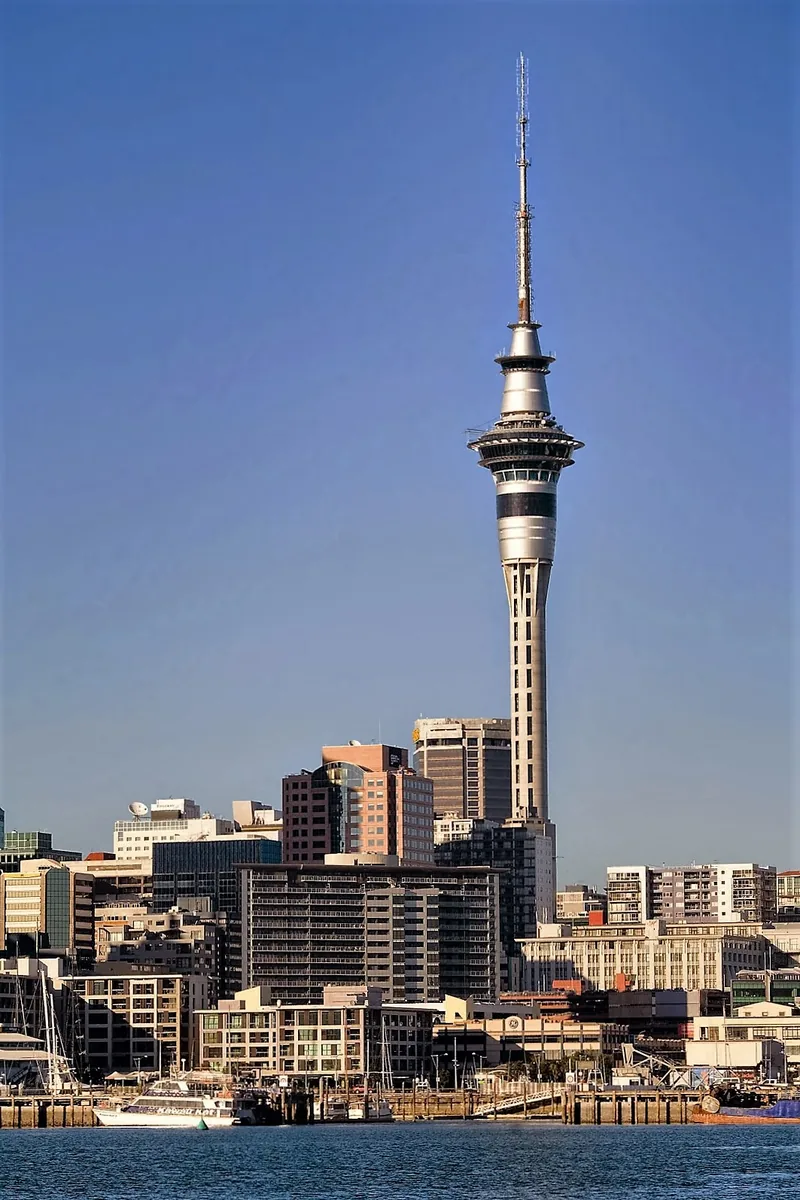
Sky Tower
The tallest man-made structure in the Southern Hemisphere at 328 metres; constructed from high-strength concrete with a seamless needle silhouette; the observation decks offer a 360-degree view across the Hauraki Gulf; arrive at sunset; the glass floor panels reveal the urban grid as a flickering neon carpet while the distant dormant volcanic cones turn into sharp; violet silhouettes against the Tasman Sea.
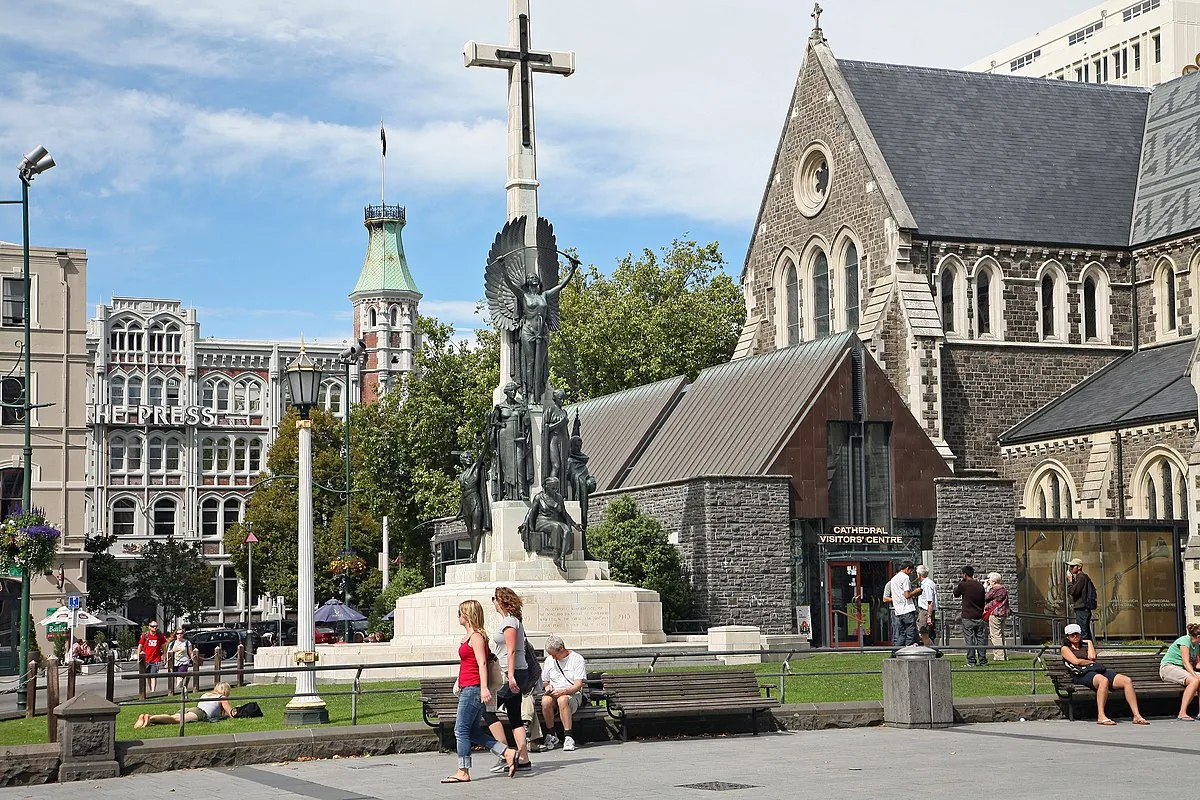
Christchurch Cathedral
The 1864 Gothic Revival centerpiece of the city; built from grey volcanic basalt with white limestone dressings; currently undergoing a meticulous seismic restoration following the 2011 earthquake; view the scaffolding-encased spire from the cathedral square at midday; the sound of heavy machinery provides a somber rhythm to the city’s recovery; the weathered stone retains the weight of 19th-century Anglican ambition.
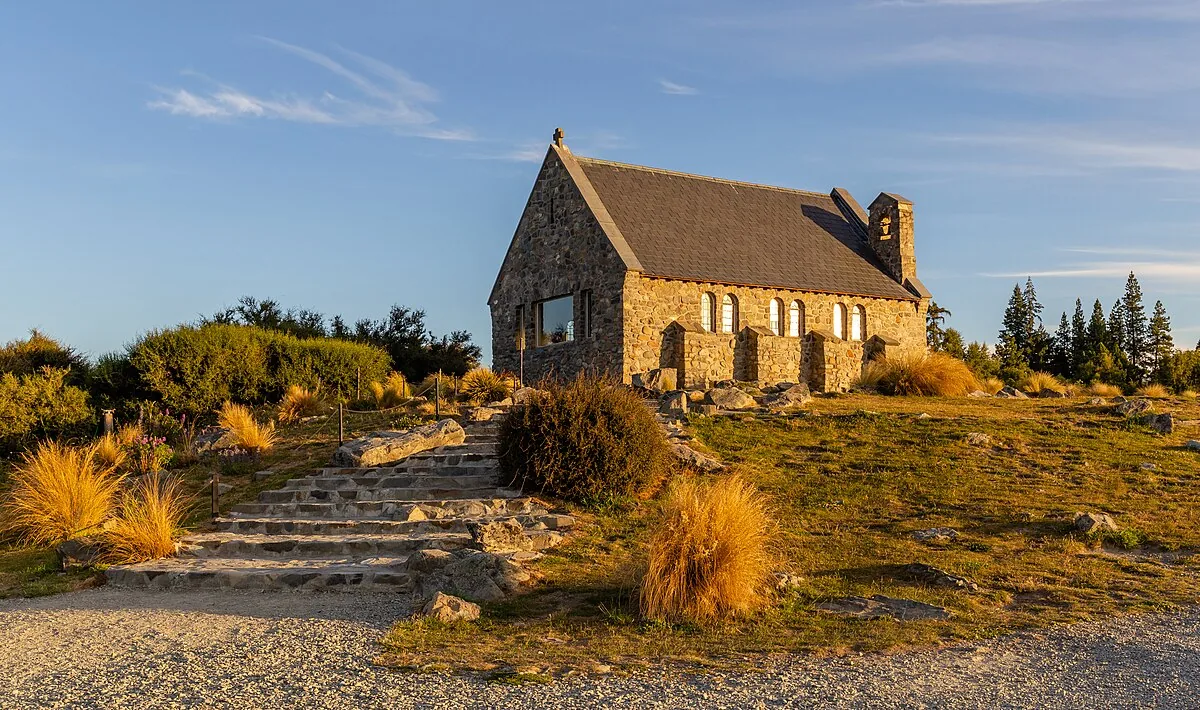
Church of the Good Shepherd
A solitary stone chapel built in 1935 from unchipped local rock; featuring a singular altar window that perfectly frames the Southern Alps and the turquoise glacial waters of Lake Tekapo; visit at 2 am within the International Dark Sky Reserve; the Southern Cross hangs directly above the shingle roof while the silence is absolute and the air is bone-chillingly crisp.
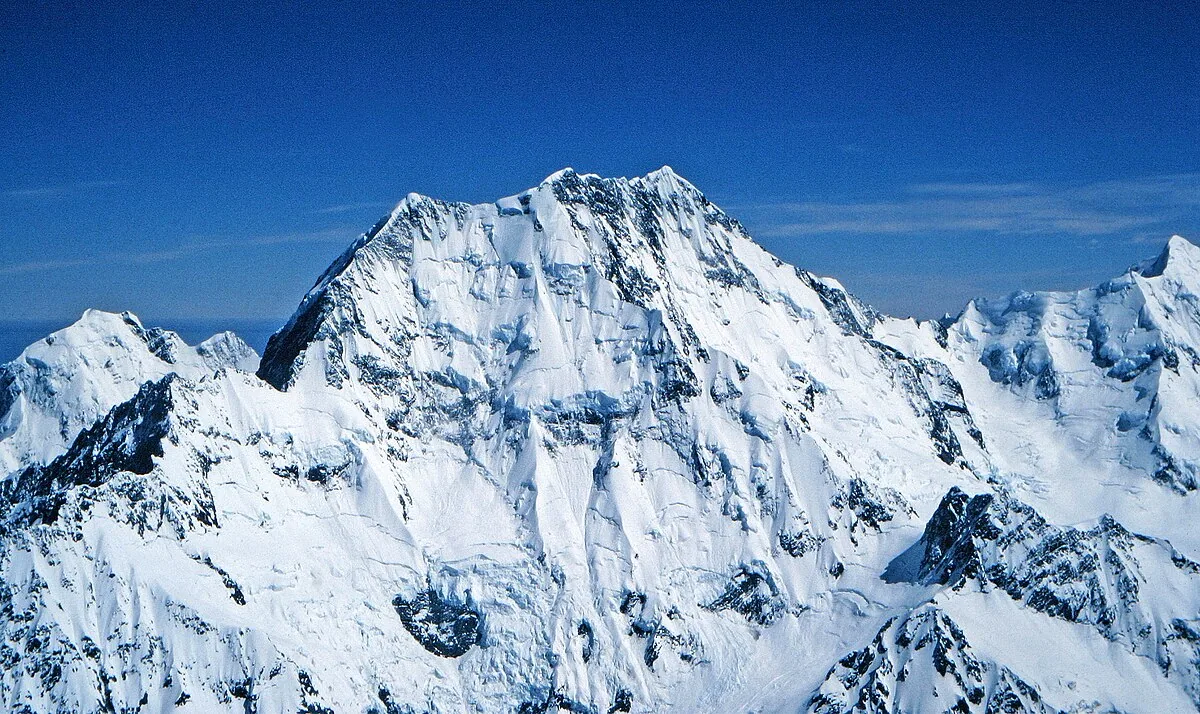
Aoraki / Mount Cook
The highest peak in New Zealand at 3,724 metres; a jagged pyramid of uplifted greywacke and schist that anchors the Southern Alps; the Tasman Glacier flows beneath its eastern face; stand on the Hooker Valley boardwalk at sunrise; the first light ignites the ice-capped summit into a violent crimson while the sound of calving ice echoes off the moraine walls.
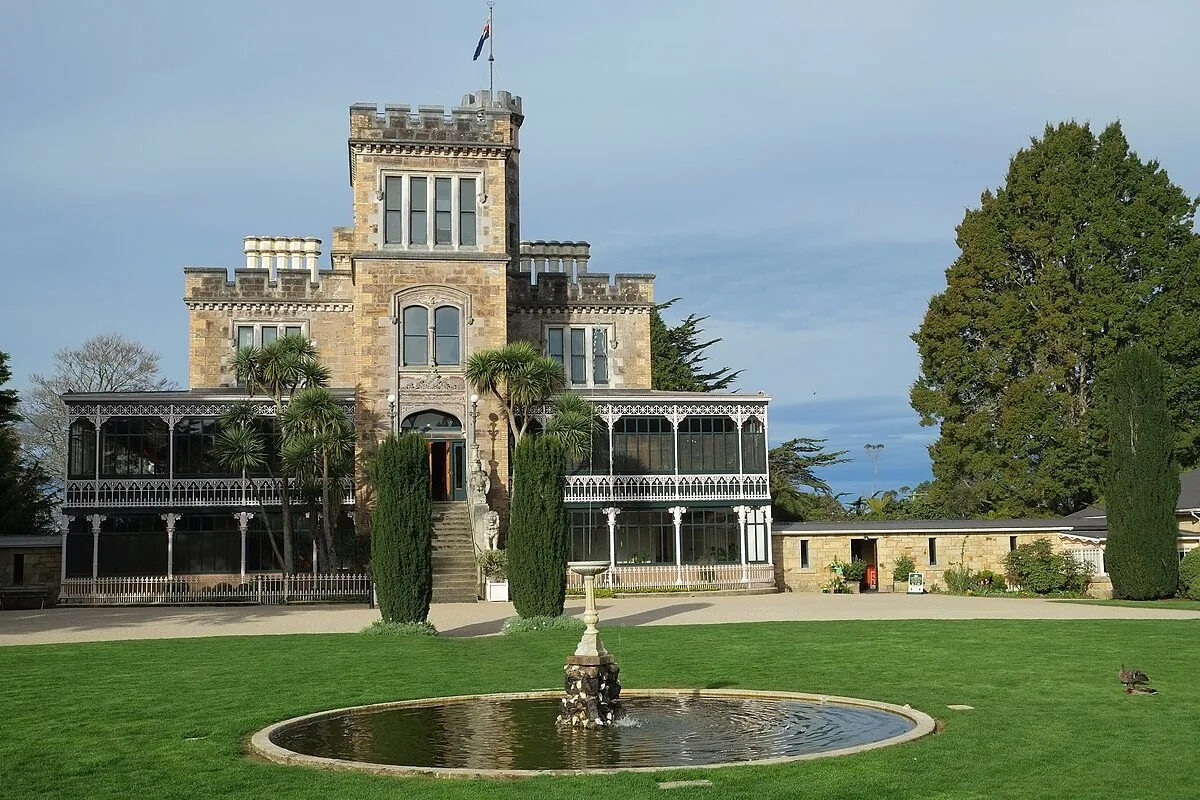
Larnach Castle
New Zealand’s only castle; a Scots-Baronial mansion completed in 1871 for William Larnach; featuring a 3,000-square-foot ballroom and a tower overlooking the Otago Peninsula; explore the master bedroom at midday; the light catches the intricate Venetian glass and hand-carved English oak while the mist often rolls in from the Southern Ocean; swallowing the formal gardens in grey silence.
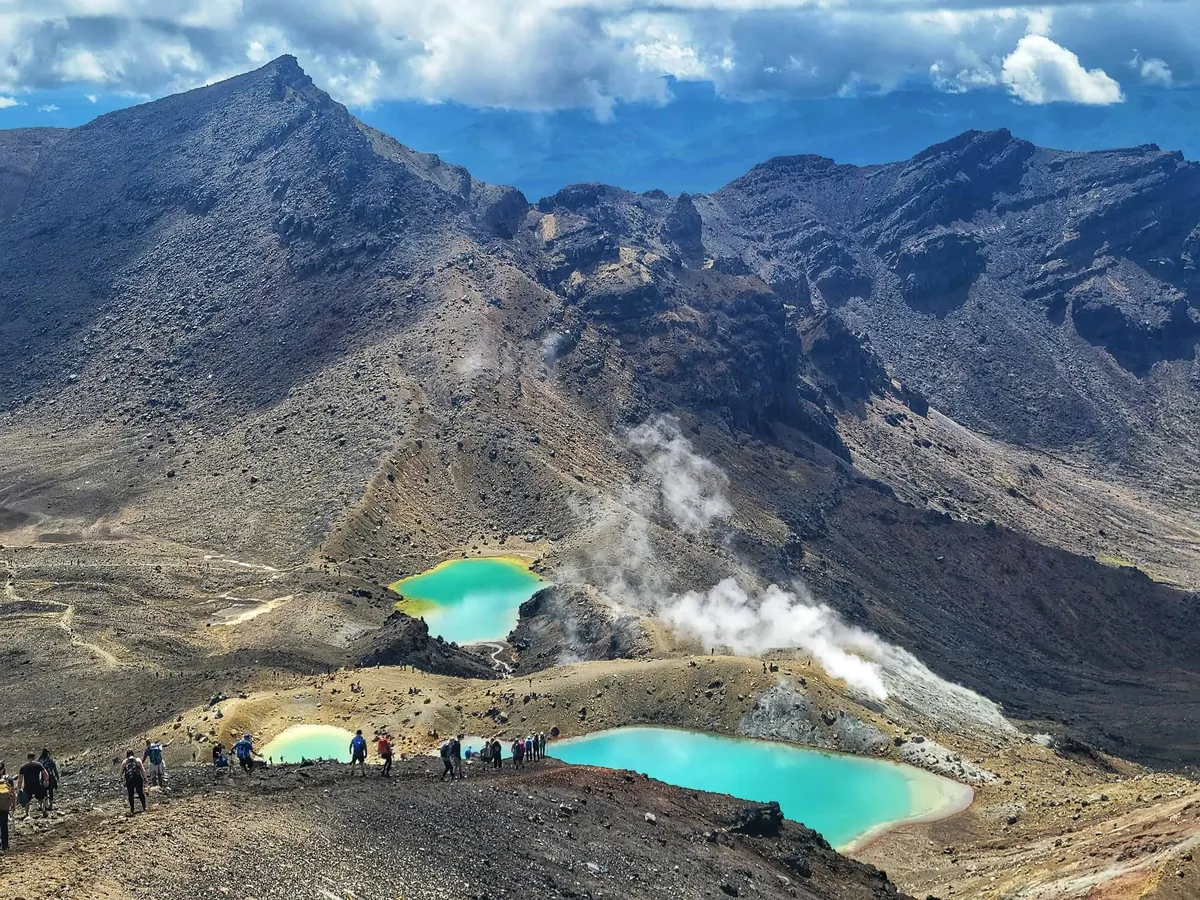
Tongariro Alpine Crossing
A 19.4-kilometre traverse through an active volcanic landscape of emerald crater lakes; steaming vents; and the near-perfect cone of Mount Ngāuruhoe; the 1887 national park is a UNESCO World Heritage site; reach the Red Crater at 11 am; the sulphuric wind whistles through the jagged scoria while the saturated colours of the mineral lakes appear neon against the black basalt desert.
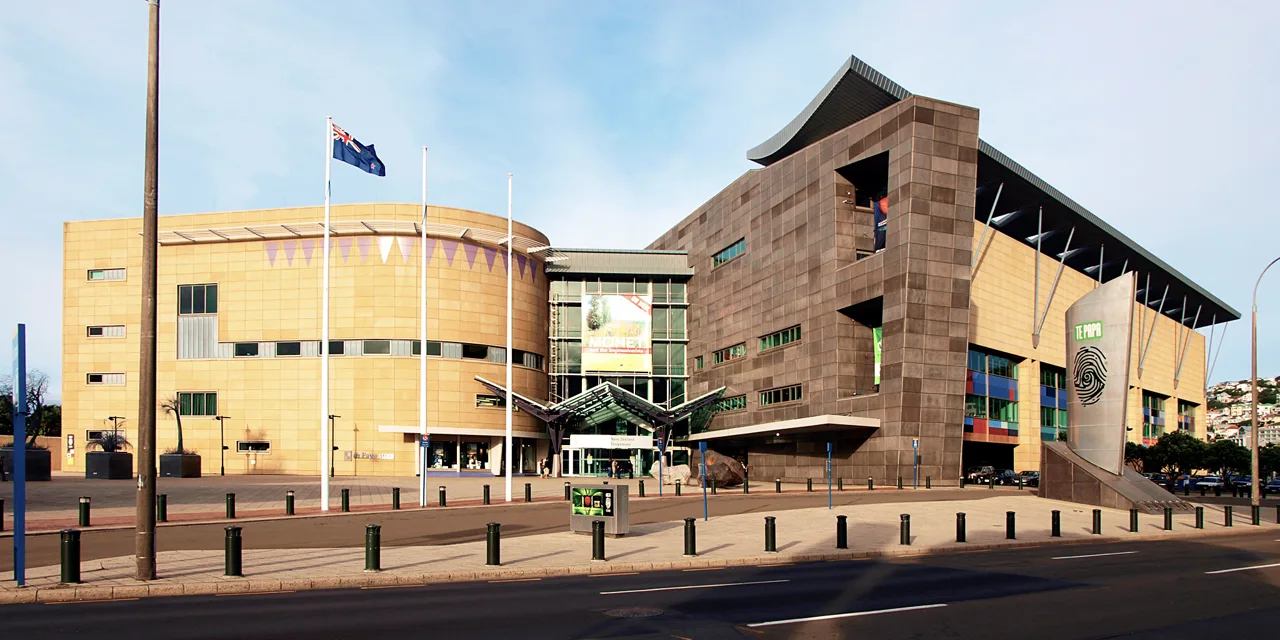
Museum of New Zealand Te Papa Tongarewa
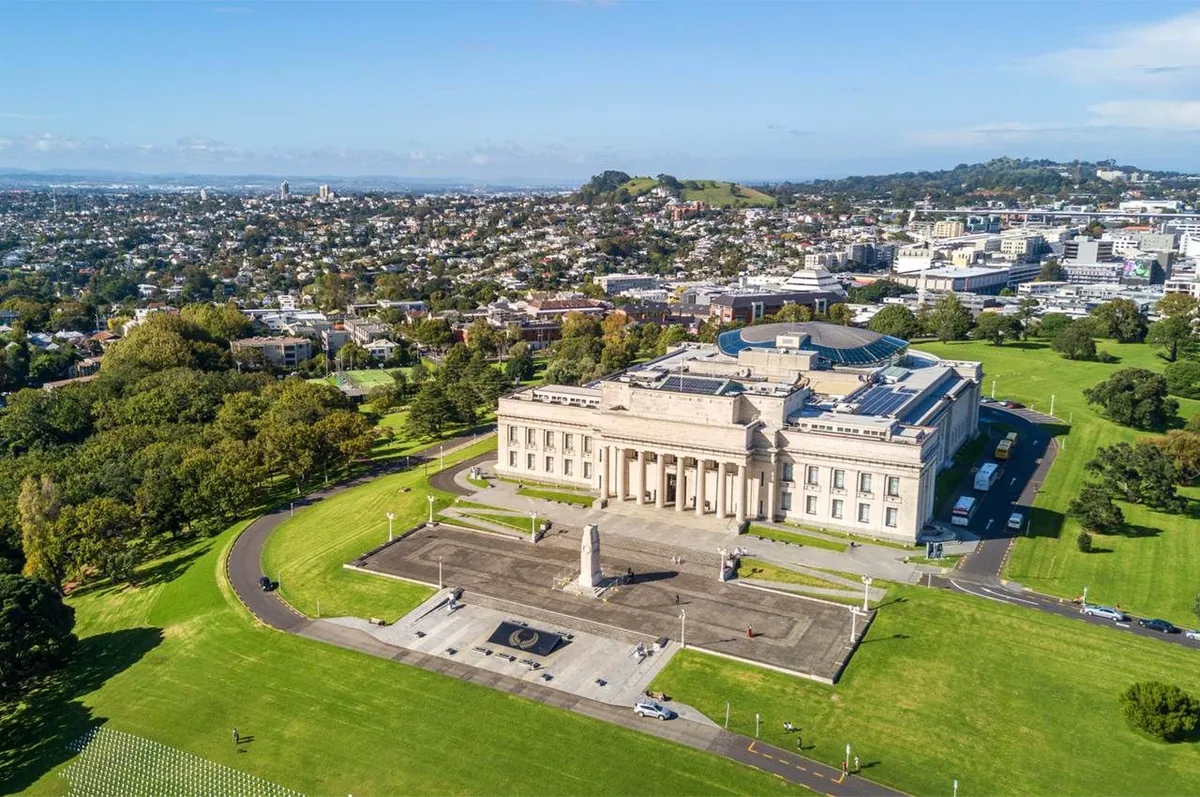
Giant soldiers with translucent skin and preserved squids the size of buses turn this waterfront building into a surreal, high-definition dream of the South Pacific.
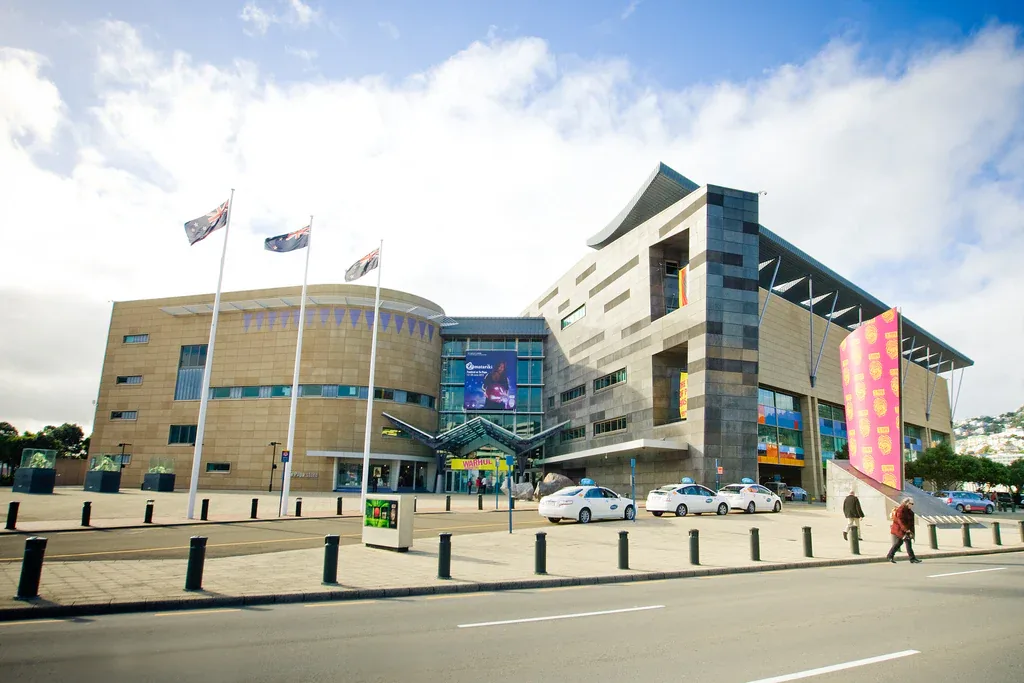
Museum of New Zealand Te Papa Tongarewa
A brutalist-inspired architectural monolith on the Wellington waterfront housing the world’s only colossal squid specimen and the poignant Gallipoli exhibit; the museum uses interactive immersion to bridge Māori and colonial narratives; visit the Mana Whenua gallery at 10 am; the low-angled harbour light illuminates the vibrant paua-shell eyes of ancestral carvings while the floor vibrates with simulated volcanic activity.
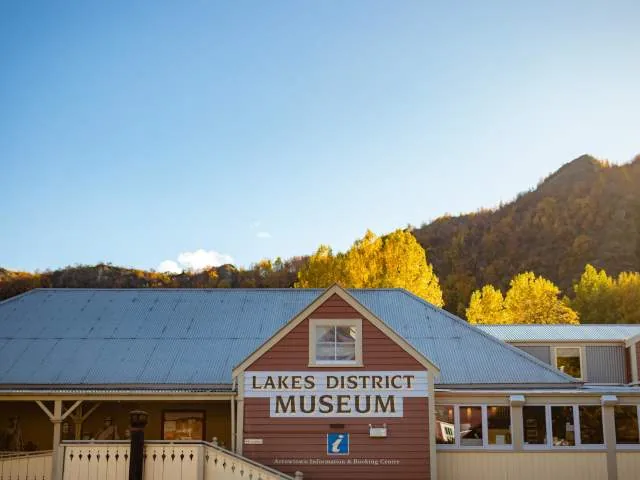
Lakes District Museum
A specialist institution housed in the original 1875 bank building; documenting the brutal reality of the 19th-century gold rush through immersive recreations and Māori artifacts; the interior smells of aged cedar and cold stone; examine the Chinese miners’ exhibit at 2 pm; the light filters through narrow windows; highlighting the hand-sewn leather boots and iron pans that built the region’s wealth.
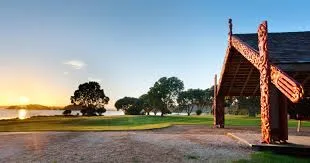
Waitangi Treaty Grounds
The 1840 birthplace of modern New Zealand; featuring the Georgian-style Treaty House and the intricately carved Te Whare Rūnanga meeting house; the site overlooks the turquoise Bay of Islands; stand on the lower lawn at dawn; the pre-dawn silence is broken only by the rhythmic lapping of the Pacific; the hand-carved totara wood of the waka taua smells of aged resin and salt.
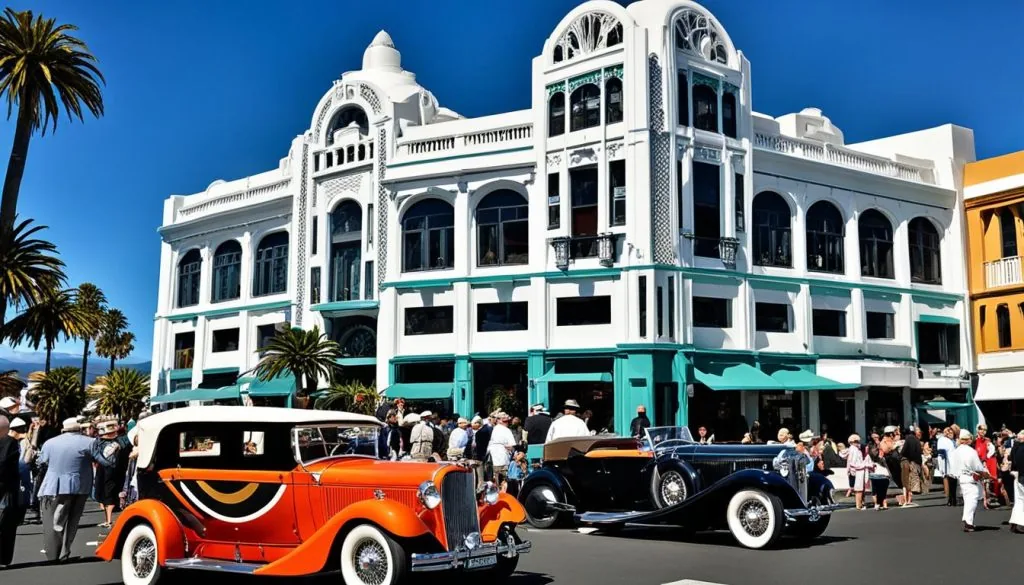
Art Deco Historic District
A world-class concentration of 1930s architecture rebuilt following the 1931 earthquake; featuring zig-zag motifs and sunburst patterns in pastel stucco; the district is a living museum of Jazz Age optimism; take a vintage car tour at 4 pm; the low sun highlights the relief of the geometric facades while the Pacific breeze carries the faint scent of salt and gardenia.
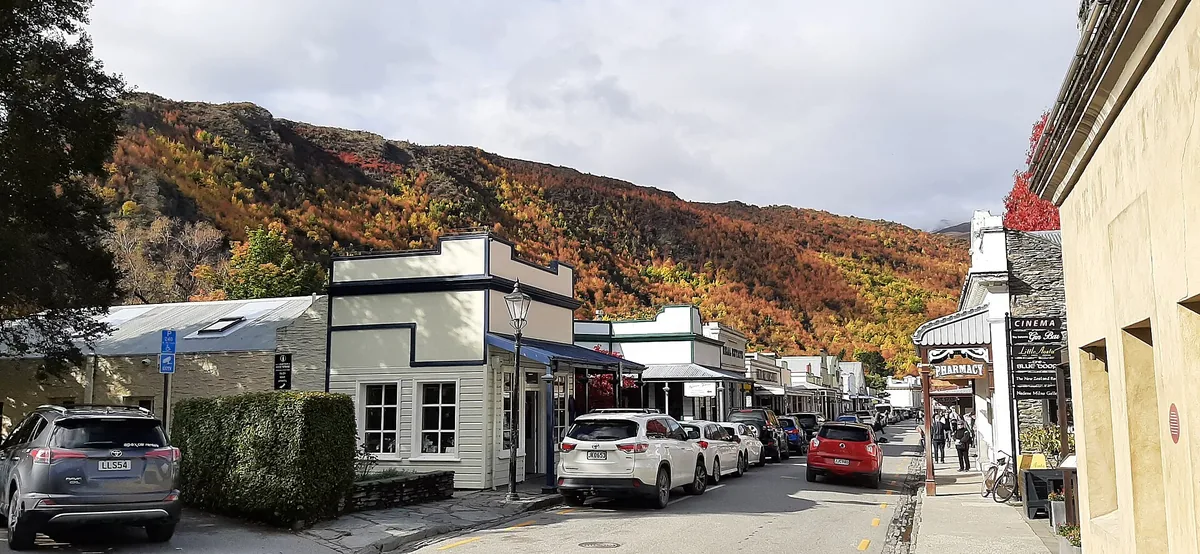
Buckingham Street
A perfectly preserved 1860s gold-mining settlement where tiny miners’ cottages and historic sycamore trees line the Arrow River; the schist-stone buildings retain their original timber storefronts; visit in mid-April; the autumn light turns the hillside a blinding gold while the air smells of woodsmoke and dry leaves; the river still carries the metallic tang of mineral-rich silt.
Cuisine
Must-Try Dishes
The flavours that define New Zealand

Flights
Fly to New Zealand
Compare prices across local & global booking platforms
✈ Flights to New Zealand
🏨 Hotels in New Zealand
Clicking opens the booking platform. WorldCurio may earn a commission at no extra cost to you.
Did You Know
New Zealand Facts
Fascinating things most travellers never learn
New Zealand was the last significant land mass on Earth to be settled by humans — Polynesians arrived around 1280 CE. For most of human history, it was a land of birds with no land mammals.
New Zealand was the first country to give women the right to vote, in 1893. Kate Sheppard led the suffrage movement after presenting a petition signed by 32,000 women — about a quarter of the country's adult female population.
New Zealand has no native land mammals except bats — because it separated from Gondwana 80 million years ago before mammals evolved. Birds filled every ecological niche instead, many growing flightless and enormous.