"Romania's ancient cornmeal, firmer than polenta, cut with thread on a wooden board, was the daily bread of Romanian peasants for 300 years. Still on every table."
About Mămăligă
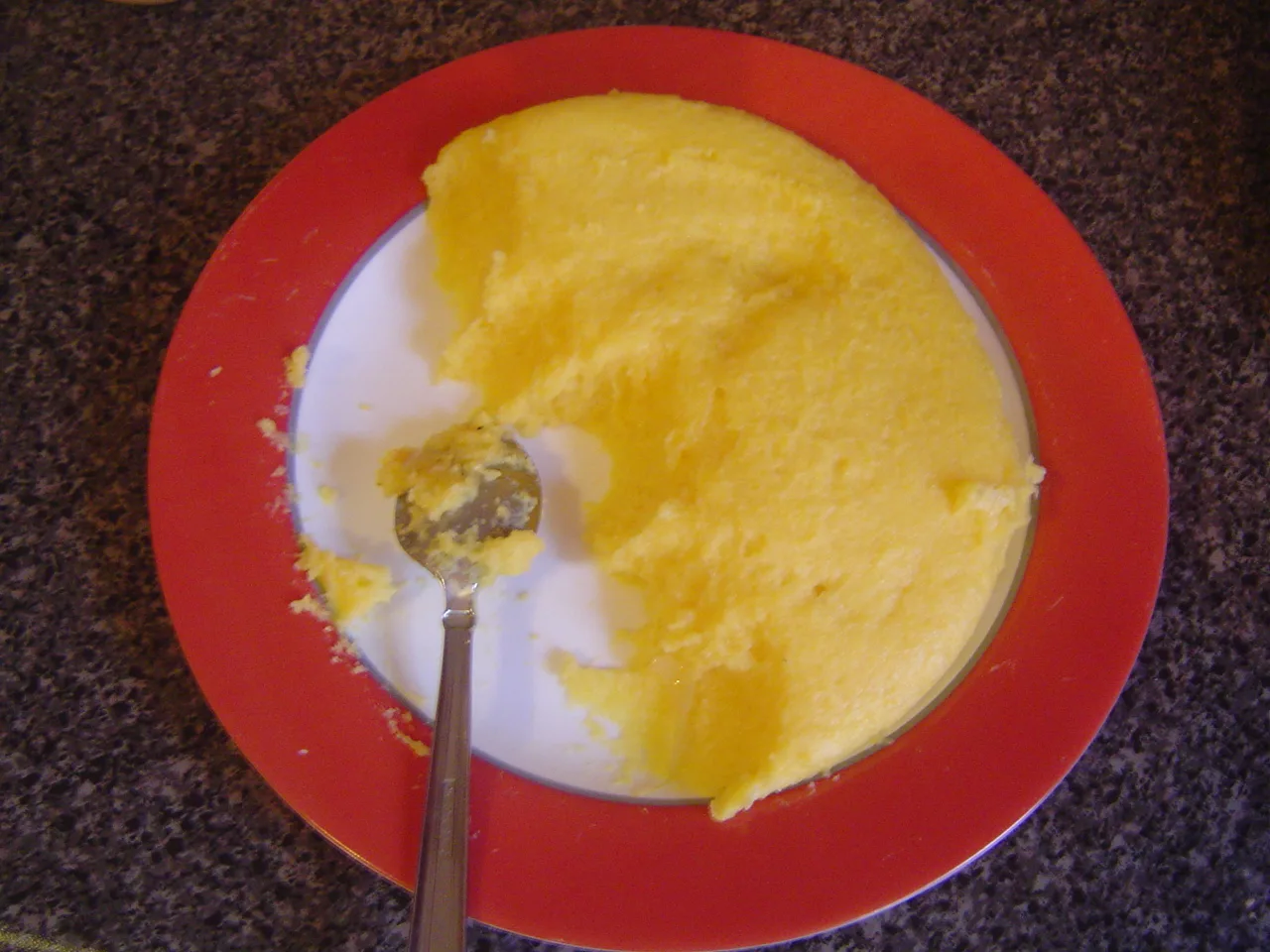
Romania's ancient cornmeal staple: coarser and firmer than Italian polenta, cooked in salted water until it pulls from the sides of the pot, turned onto a wooden board and cut with thread; eaten with brânză (sheep's milk cheese), smântână, fried eggs or a lamb stew; the mămăligă was the daily bread of Romanian peasants for 300 years and remains a point of national pride.
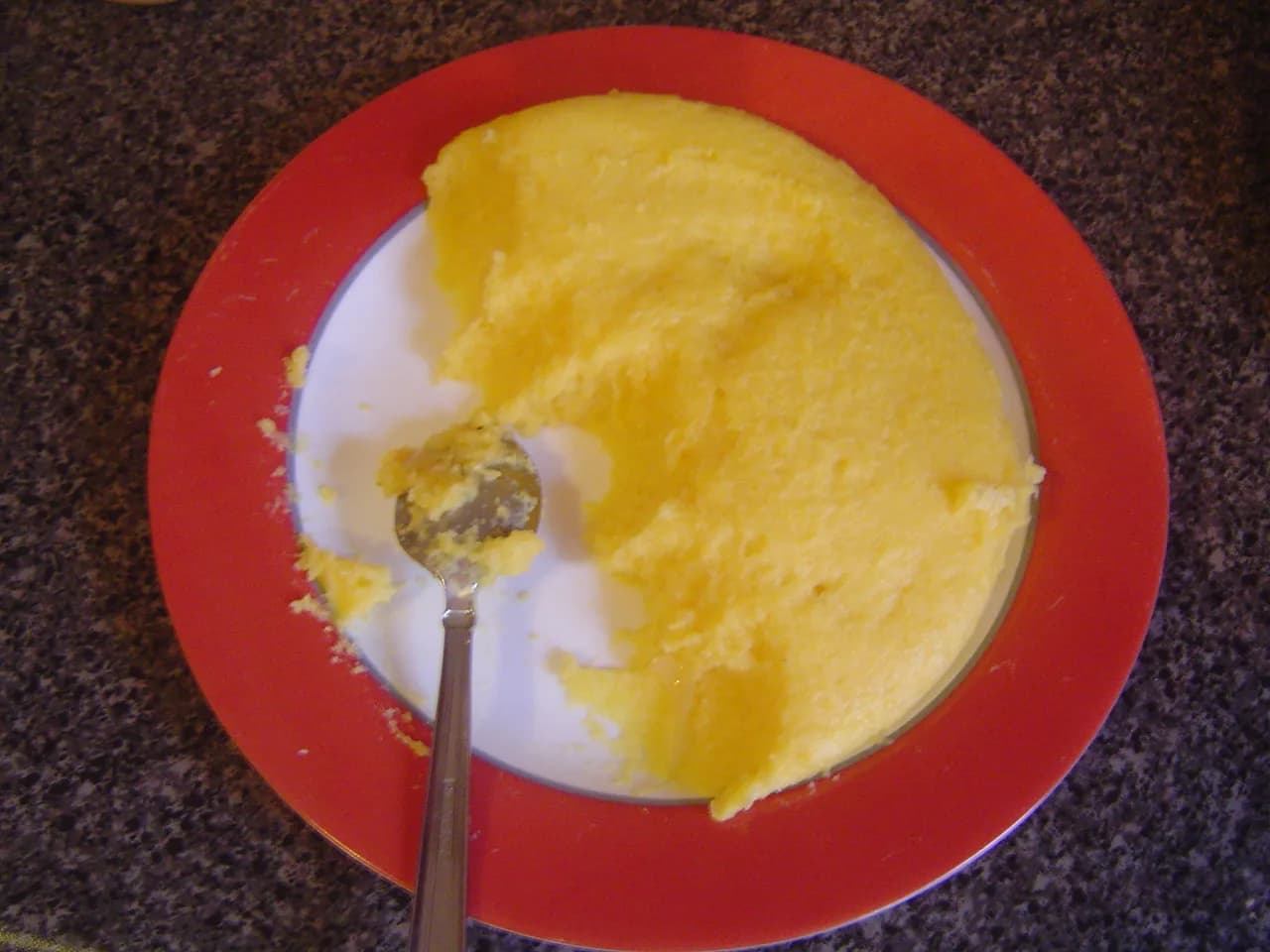
Mămăligă, a staple of Romania's cuisine
Romania's Cornmeal
Mamaliga is Romania's traditional cornmeal staple, maize flour stirred in salted water until it thickens into a dense, firm polenta. Coarser and stiffer than the Italian kind, it is turned out onto a wooden board and cut into wedges. For three centuries it was the daily bread of the Romanian countryside.
Cut With Thread
A telling detail is that mamaliga is cut not with a knife but with a length of thread drawn through the firm maize, which slices it cleanly where a blade would drag. It is the traditional method, still seen at country tables. The firmness that allows this is part of what defines the Romanian version.
The Accompaniments
Mamaliga is rarely eaten plain. It is served with branza, a salty sheep's-milk cheese, smantana, the local sour cream, and often a fried egg, the salty cheese and cool cream playing against the warm maize. Dishes such as the cheese-and-cream mamaliga or a version with sausage turn it into a full meal. The accompaniments are what bring it alive.
A Peasant Staple
For generations mamaliga was the cornerstone of rural Romanian eating, cheap, filling and made from a single ingredient when wheat bread was a luxury. It remains on family tables and traditional menus, a direct link to the country's agrarian past. Firm enough to slice like bread, it is humble food done plainly and well.
What to Expect
The mămăligă arrives on a wooden board, already cut into wedges. The texture is dense. Locals eat it with brânză crumbled over and a spoonful of smântână alongside.
Why Try It
Mămăligă is Romanian food's most directly historical dish, unchanged in method for three centuries.
✦ Photo Gallery
Insider Tips
Romanian mămăligă should be firm enough to slice, if it spreads, it needs more cooking.
The combination with brânză and smântână is the traditional one. Don't simplify further.
Buy brânză (Romanian sheep's cheese) from a local market, not supermarket feta.