All landmarks and tourist attractions in Romania
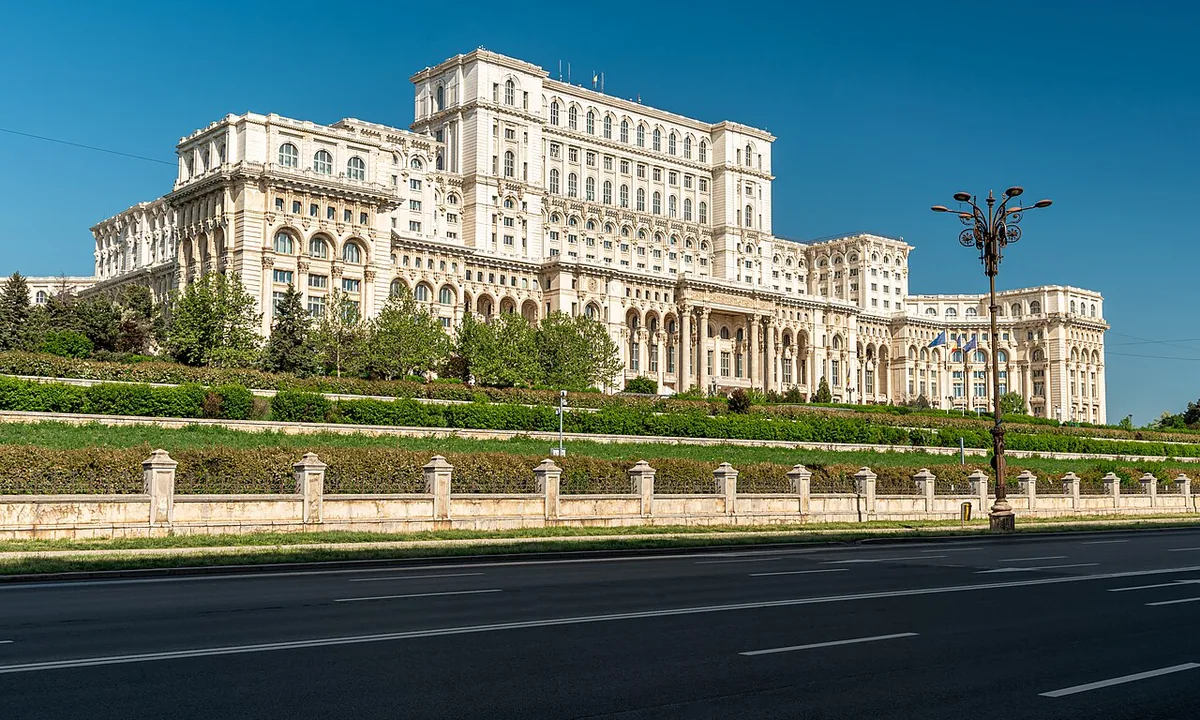
Palace of the Parliament
The world heaviest civilian administrative building; a 365;000-square-metre Neo-Constructivist colossus containing 700;000 tonnes of steel and bronze; explore the Costinești marble galleries at midday; the clinical; echoing silence of the vaulted halls underscores the megalomania of the late 1980s; the air is cool and smells of polished stone and heavy velvet.
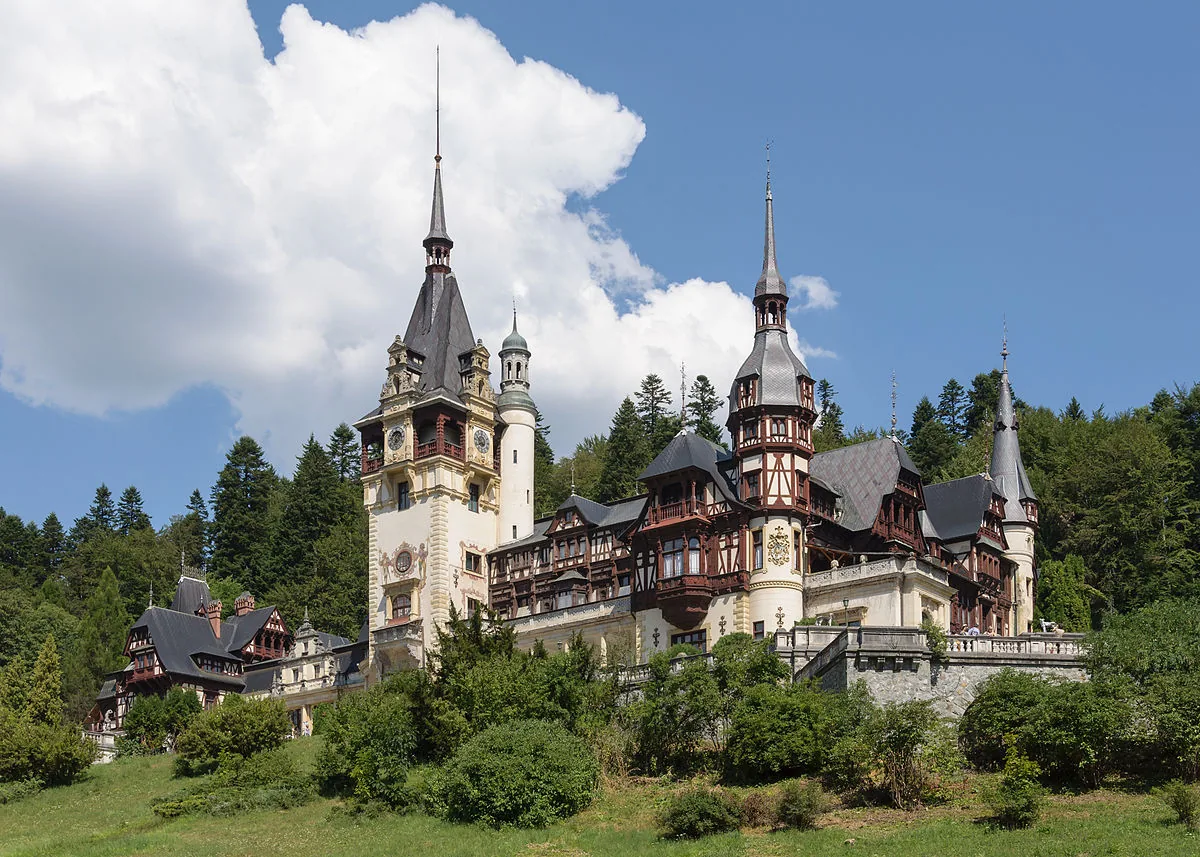
Peleș Castle
A masterpiece of German New-Renaissance architecture completed in 1914 for King Carol I; featuring hand-carved walnut woodwork and 170 rooms of staggering eclectic detail; visit the Hall of Honour at 10 am; the light filters through the stained-glass sliding roof to illuminate the intricate marquetry and Cordoba leather; the scent of beeswax and old timber is pervasive.
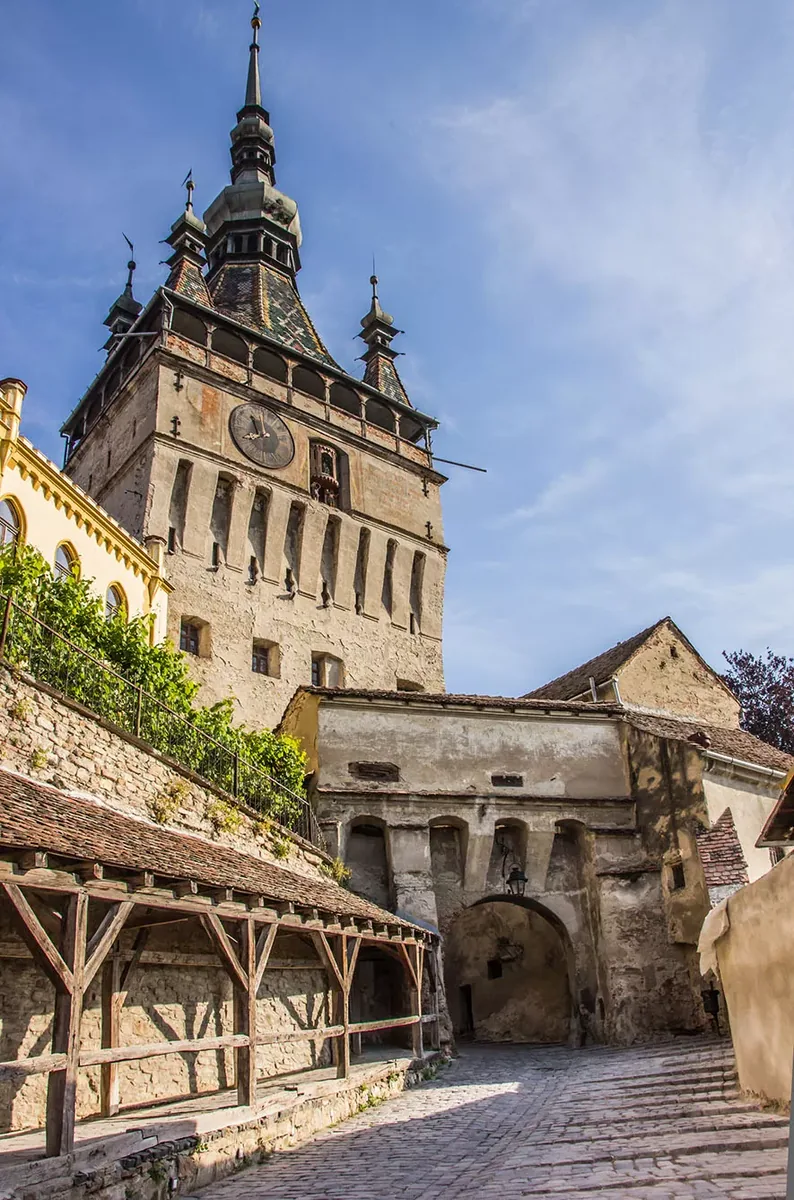
Sighișoara Citadel
A fully inhabited 12th-century Saxon citadel with nine surviving towers and winding cobblestone alleys; the 64-metre Clock Tower remains the town sentinel; climb the Scholars' Stairs at dusk; the pre-industrial quiet is profound; the evening light hits the sun-bleached pastel facades while the smell of woodsmoke drifts from the medieval hearths.
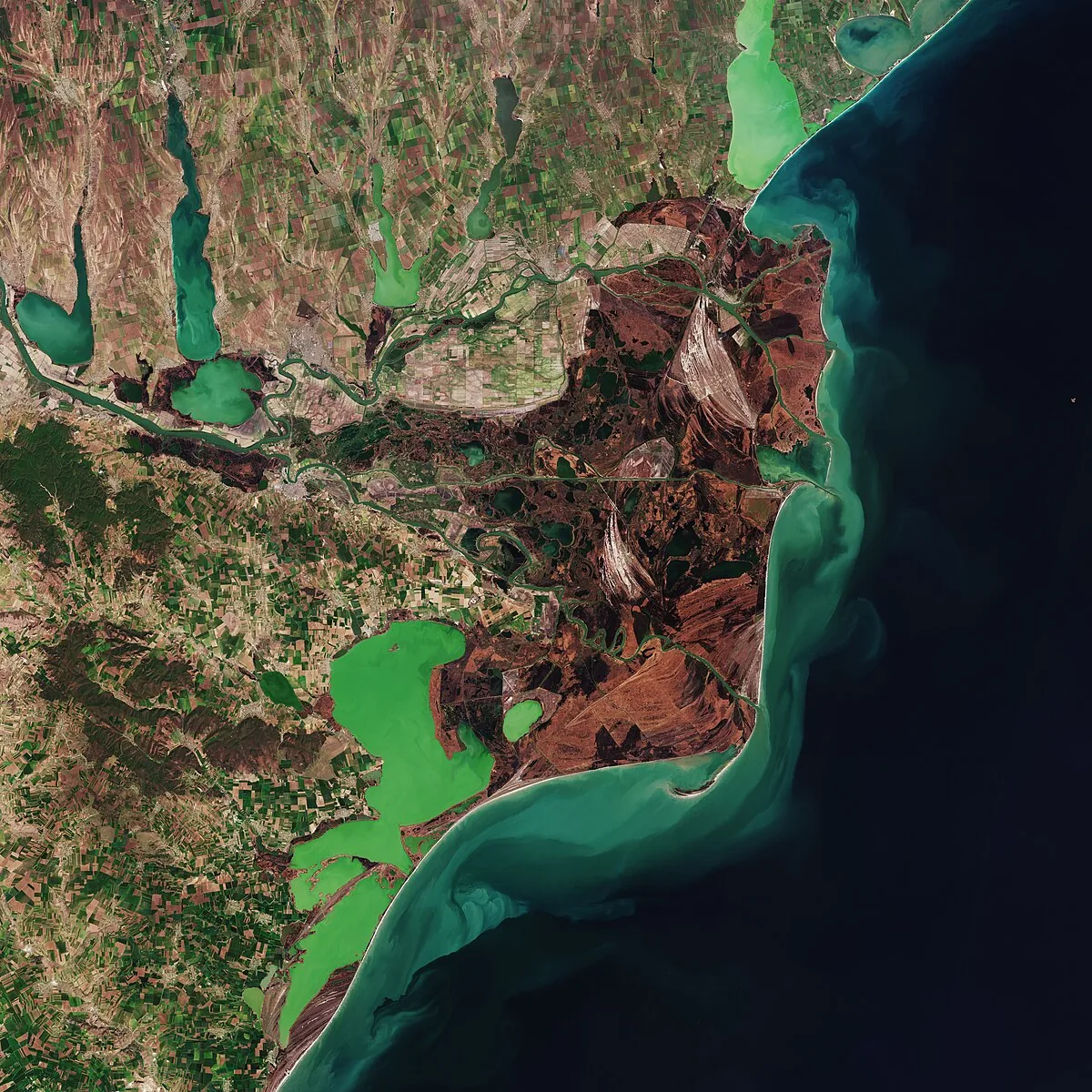
Danube Delta
Europe largest and best-preserved wetland; a 5;800-square-kilometre labyrinth of reed beds; sand dunes; and ancient oak forests; take a wooden boat into the Nebunu Lake at sunrise; the mist clings to the water-lilies while the sky is filled with the percussive wing-beats of thousands of white pelicans; the air is humid and carries the scent of wild silt.
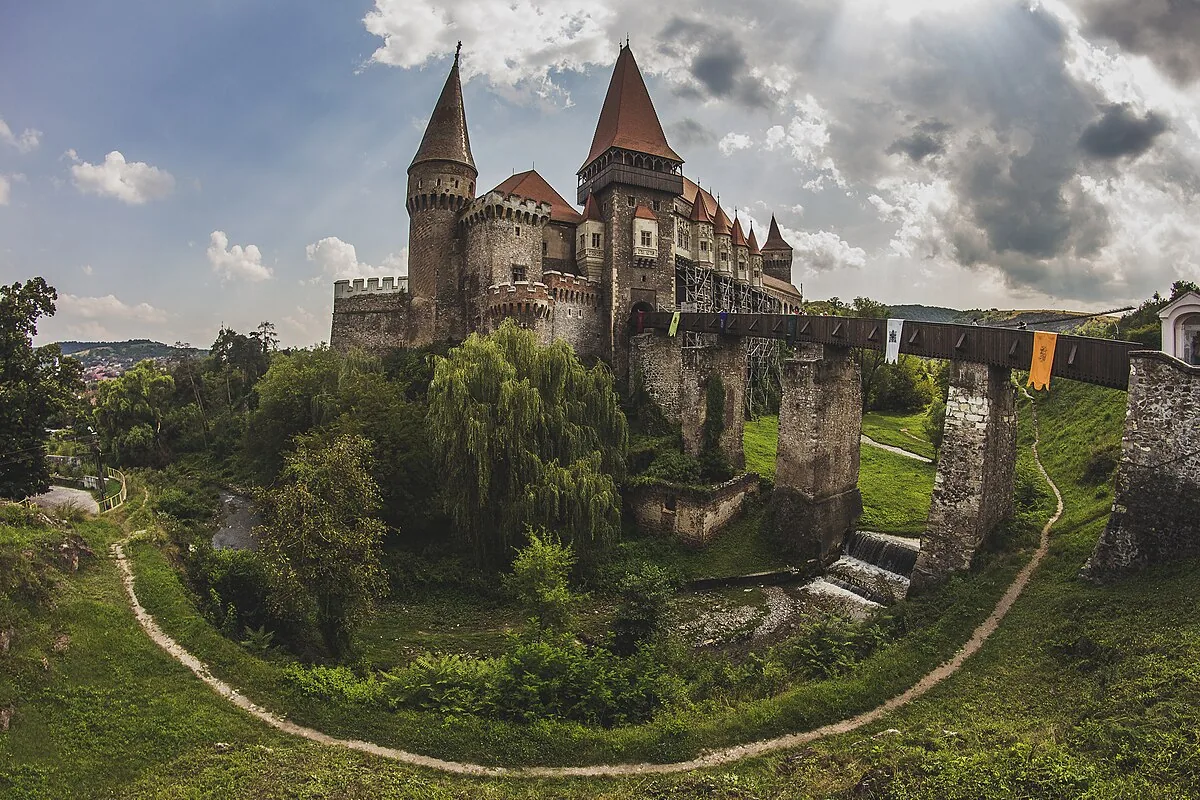
Corvin Castle
A 15th-century Gothic-Renaissance fortress featuring massive drum towers and a 30-metre deep drawbridge over a rocky chasm; the Knights' Hall is a masterwork of secular Gothic stone-vaulting; traverse the ramparts at 4 pm; the low sun highlights the sharp texture of the limestone and the jagged silhouettes of the towers against the Zlaști River.
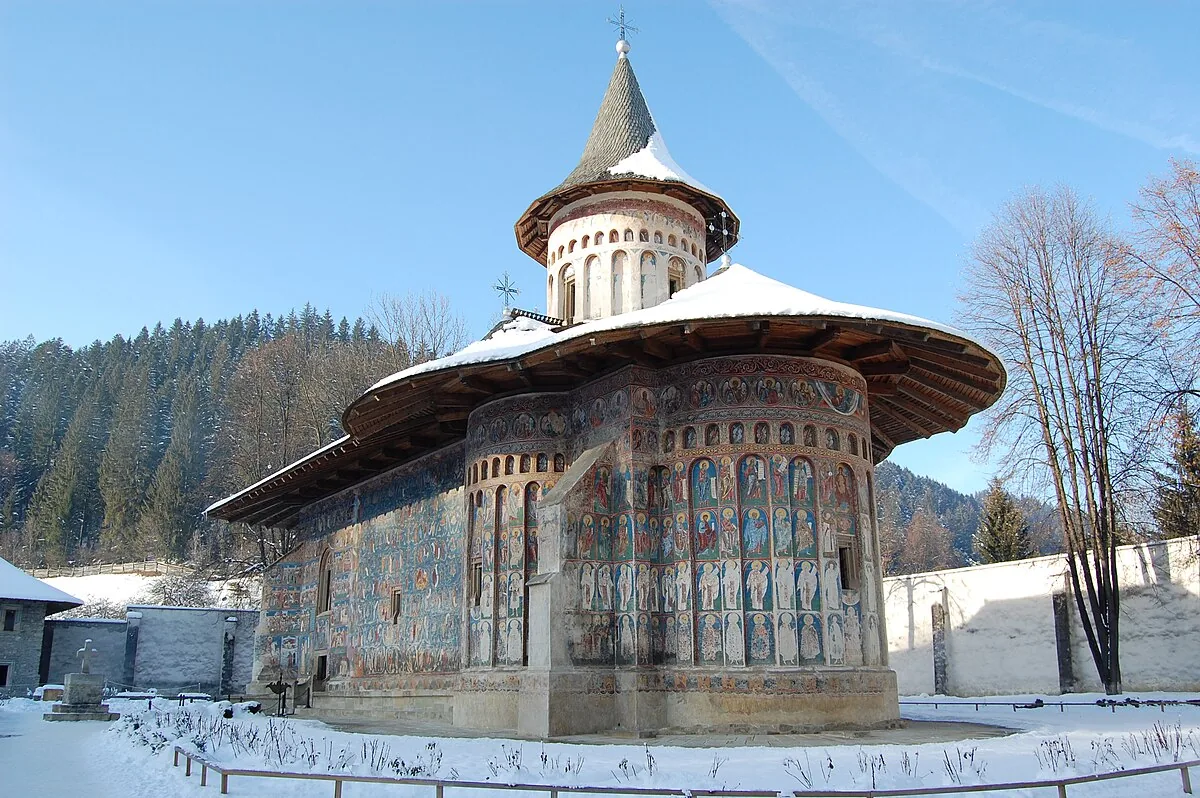
Voroneț Monastery
The 'Sistine Chapel of the East' famous for its unique 16th-century 'Voroneț Blue' frescoes covering the entire exterior; the Last Judgment scene is rendered with surgical precision on the western wall; stand in the garden at midday; the intense mountain sun vibrates against the lazurite-based pigment; the sound of the 'toaca' wooden board marks the call to prayer.
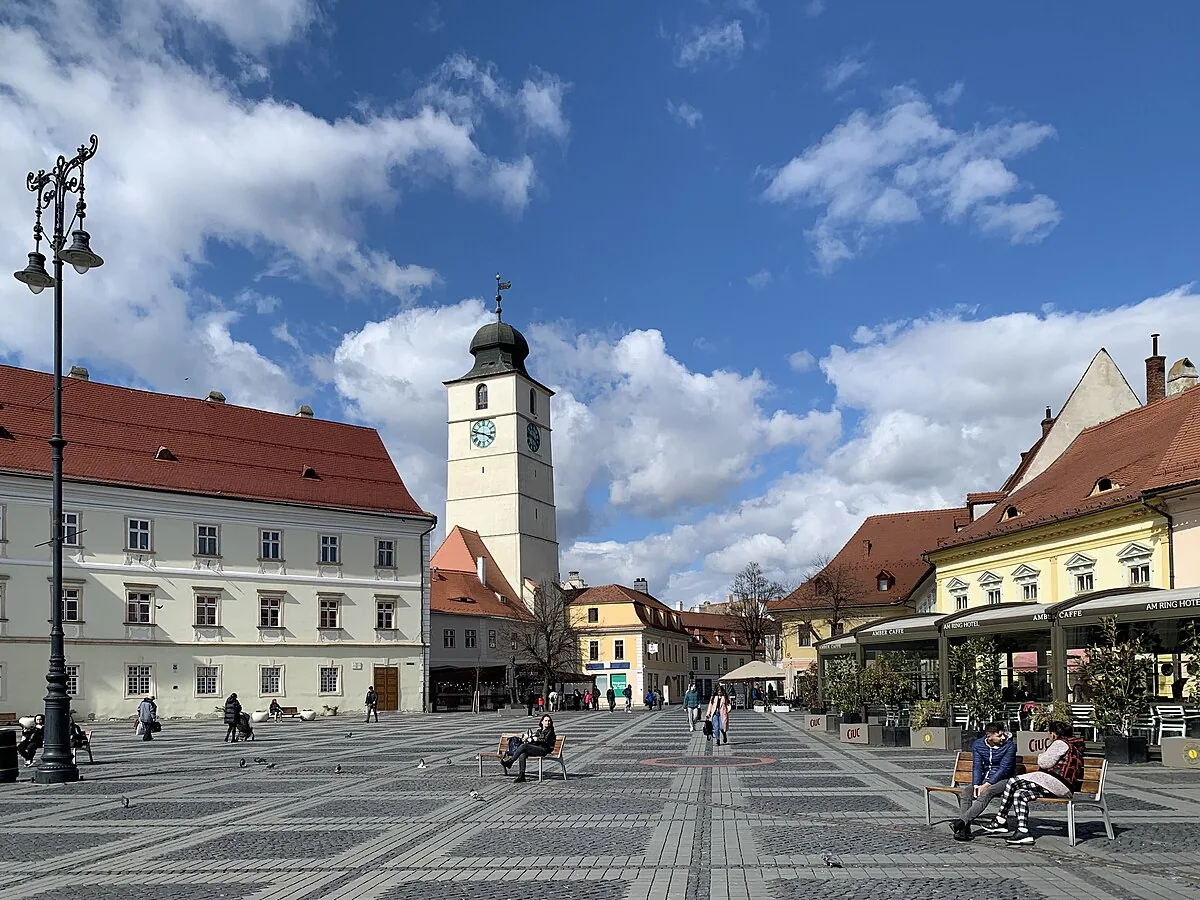
Piața Mare
The grand heart of a 12th-century Saxon city where the 'eyes of the city', unique attic ventilation slits, seem to watch every movement; the Brukenthal Palace dominates the northwestern flank; walk the square at midnight; the cobblestones reflect the yellow streetlamps in shimmering ribbons while the rhythmic vibration of the nearby clock tower provides a constant; urban pulse.
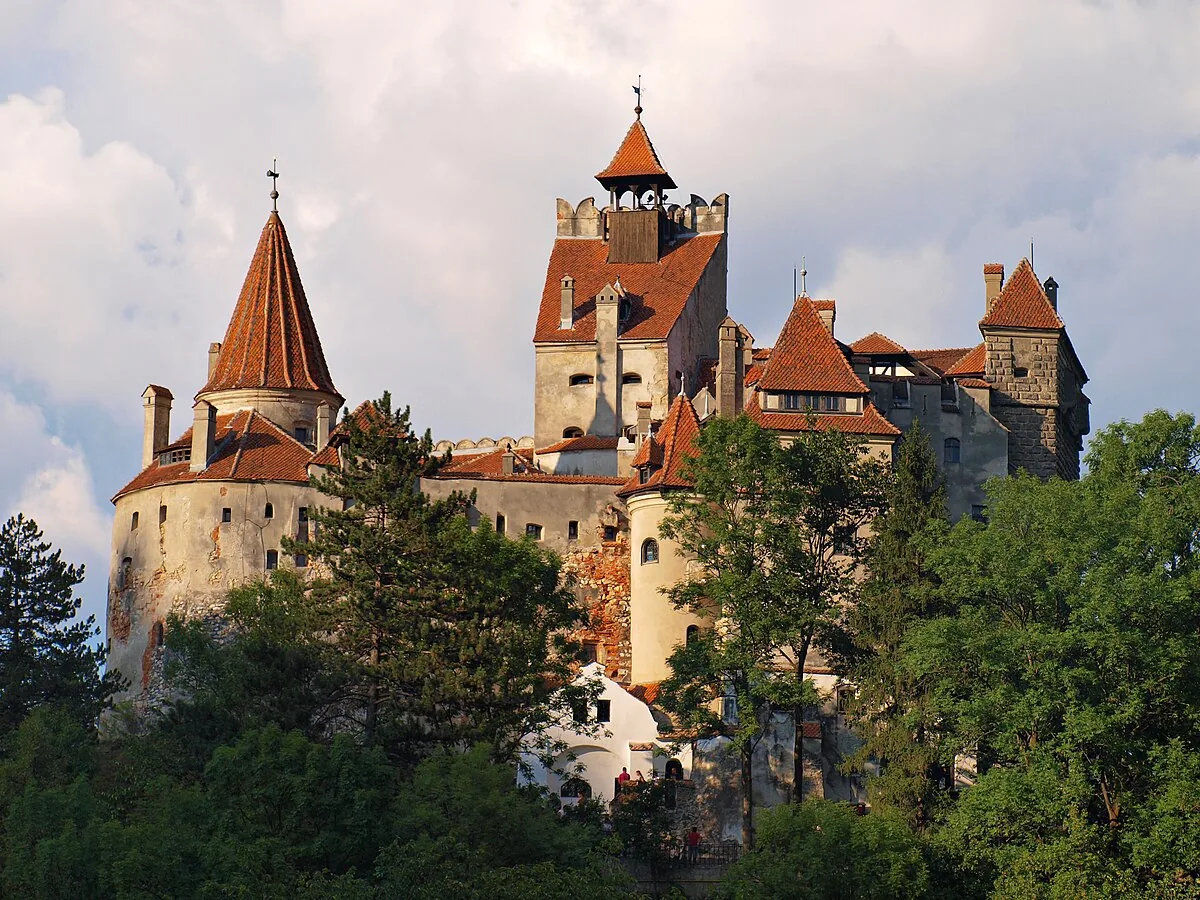
Bran Castle
The 14th-century cliffside fortress that inspired the literary Dracula myth; built on a 60-metre rock to control the Rucăr-Bran mountain pass; its narrow secret staircases and timber-framed courtyards define the Transylvanian Gothic; visit the north tower at dawn; the fog rolls through the valley beneath the moss-slicked basalt foundations in a heavy; spectral silence.
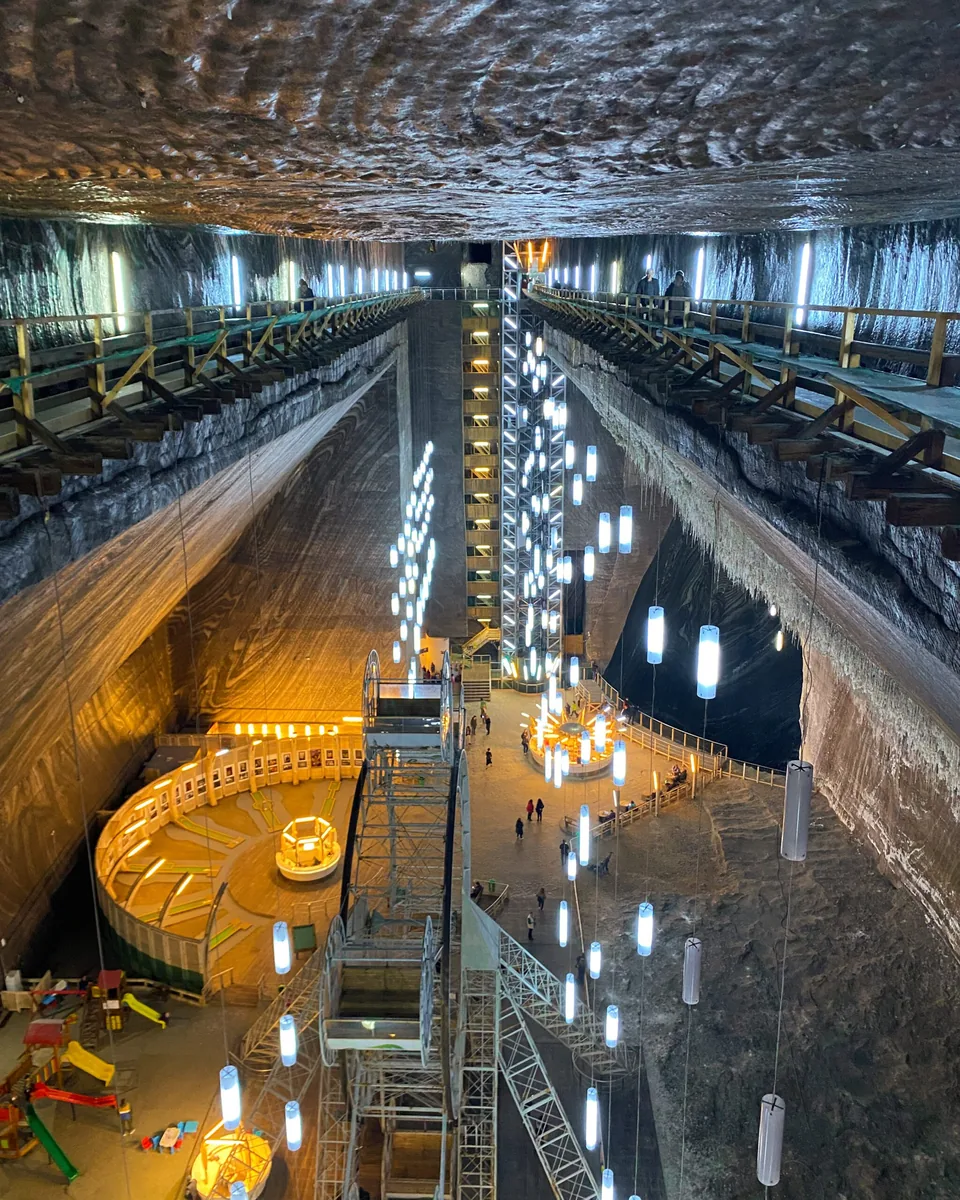
Salina Turda
A subterranean salt mine dating to the 11th century; transformed into a 120-metre deep futuristic theme park within massive cavernous chambers; the hand-chiseled salt walls feature rhythmic; geometric patterns from historical extraction; descend the Rudolf Mine elevator at midday; the air is hyper-saline and cool; reflecting the neon glow of the underground lake.
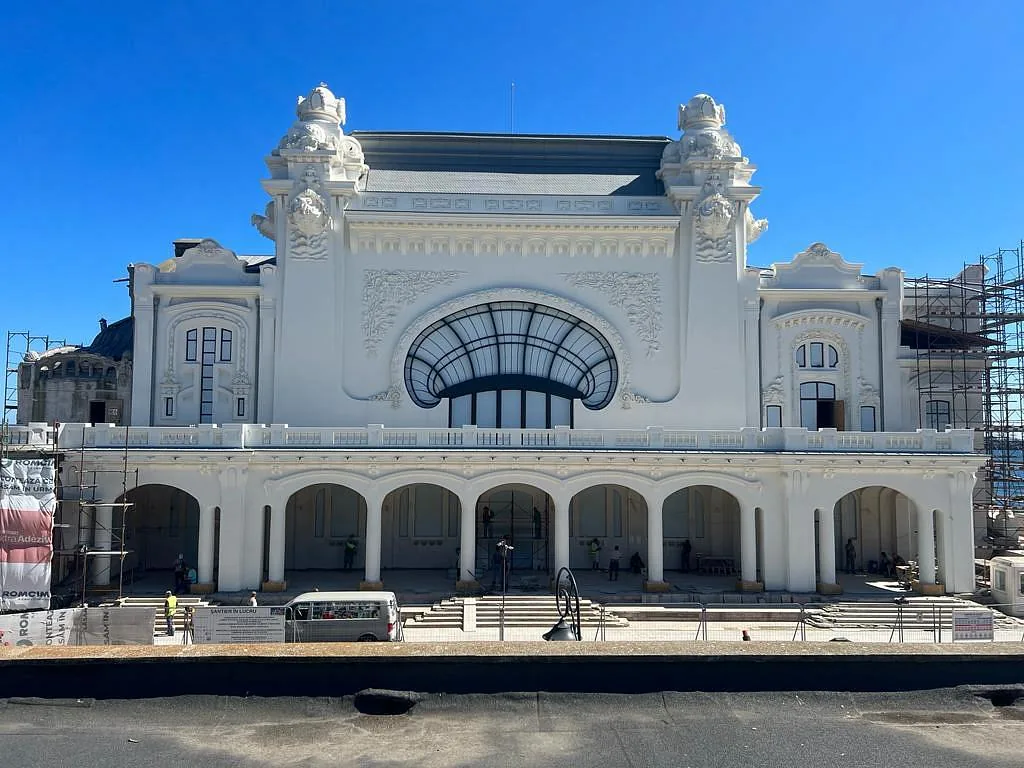
Constanța Casino
An Art Nouveau maritime landmark finished in 1910; perched on a granite promenade overlooking the Black Sea; its shell-shaped windows and shell-motif stucco are crumbling with salt-corroded elegance; stand on the terrace during a storm; the grey sea-spray hits the sun-bleached facade while the wind whistles through the broken glass of the grand ballroom.
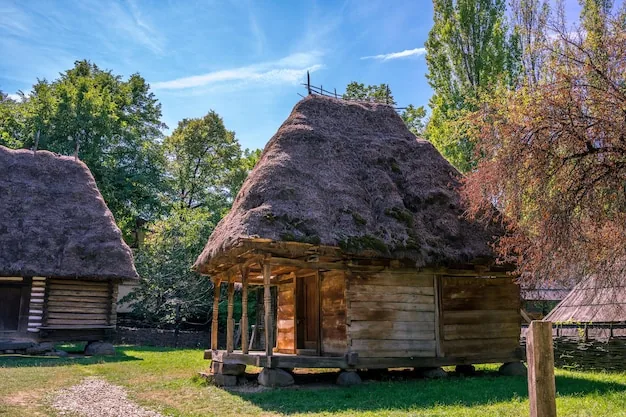
National Village Museum
An 18-hectare outdoor sanctuary on the shores of Lake Herăstrău containing 300 authentic peasant dwellings transported from every Romanian province; the 18th-century timber churches and thatched barns are meticulously preserved; walk the Transylvanian sector at 9 am; the scent of sun-baked hay and old pine is thick before the city noise penetrates the treeline.
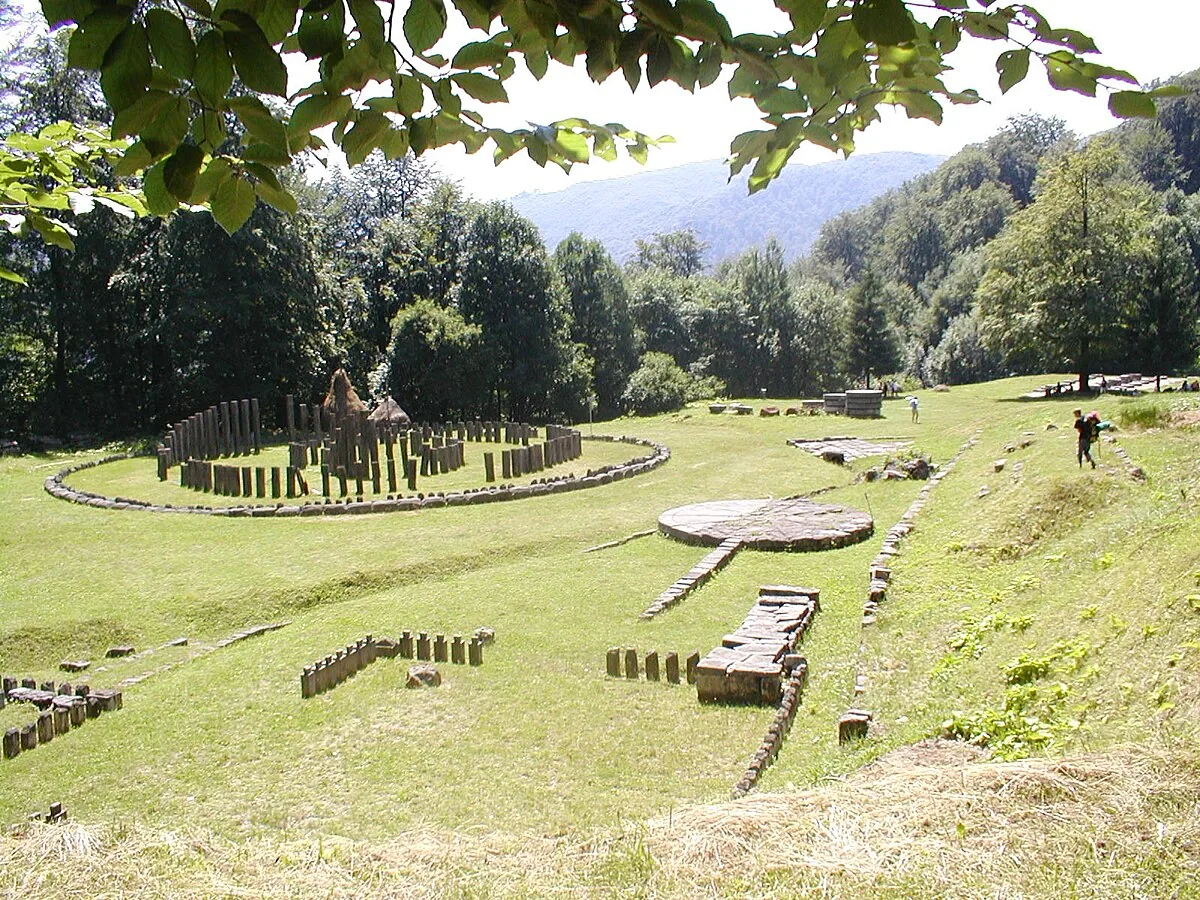
Sarmizegetusa Regia
The spiritual and political capital of the Dacians before the Roman conquest in 106 AD; featuring 2;000-year-old circular stone sanctuaries and andesite solar discs; situated at 1;200 metres in the Orăștie Mountains; stand within the Great Circular Sanctuary at midday; the light highlights the moss-covered stone pillars while the silence of the ancient beech forest is absolute.
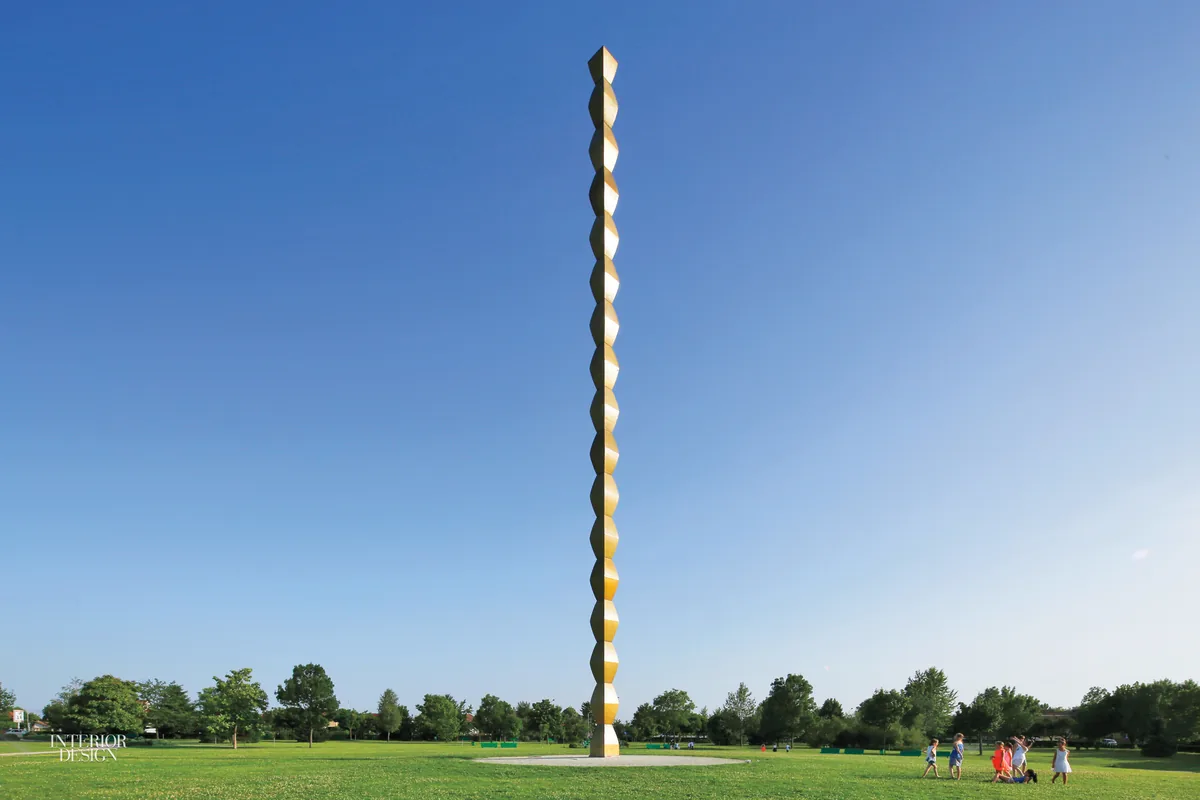
The Sculptural Ensemble of Constantin Brâncuși
A 1.5-kilometre park axis featuring the Endless Column; a 30-metre high stack of cast-iron rhomboidal modules completed in 1938; it serves as a war memorial of avant-garde simplicity; walk from the Table of Silence at sunset; the light catches the hand-finished texture of the bronze-coated modules; creating a vertical ladder of shimmering light.
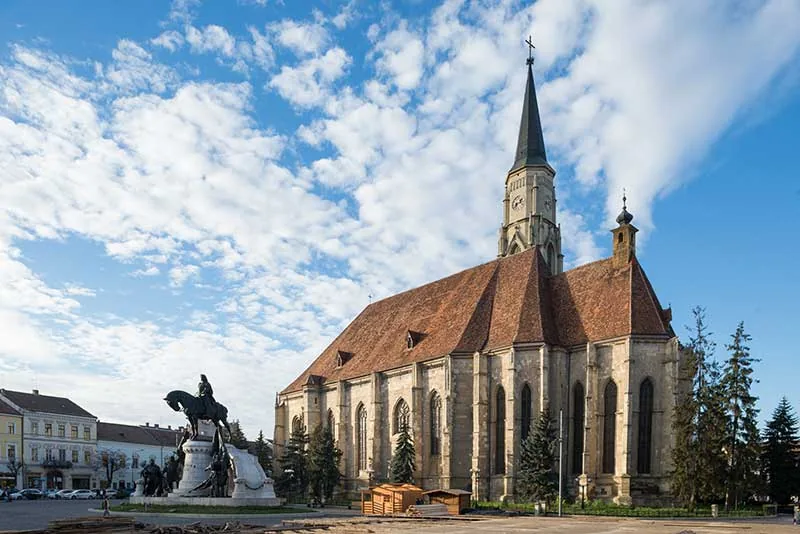
St. Michael's Church
A 14th-century Gothic masterpiece boasting the tallest church tower in Romania at 80 metres; its hall-church interior features delicate medieval stone tracery; enter the nave at 11 am; the sunlight through the high stained-glass windows strikes the grey stone floor in vivid bars; the air is cool and smells of frankincense and centuries of stone dust.
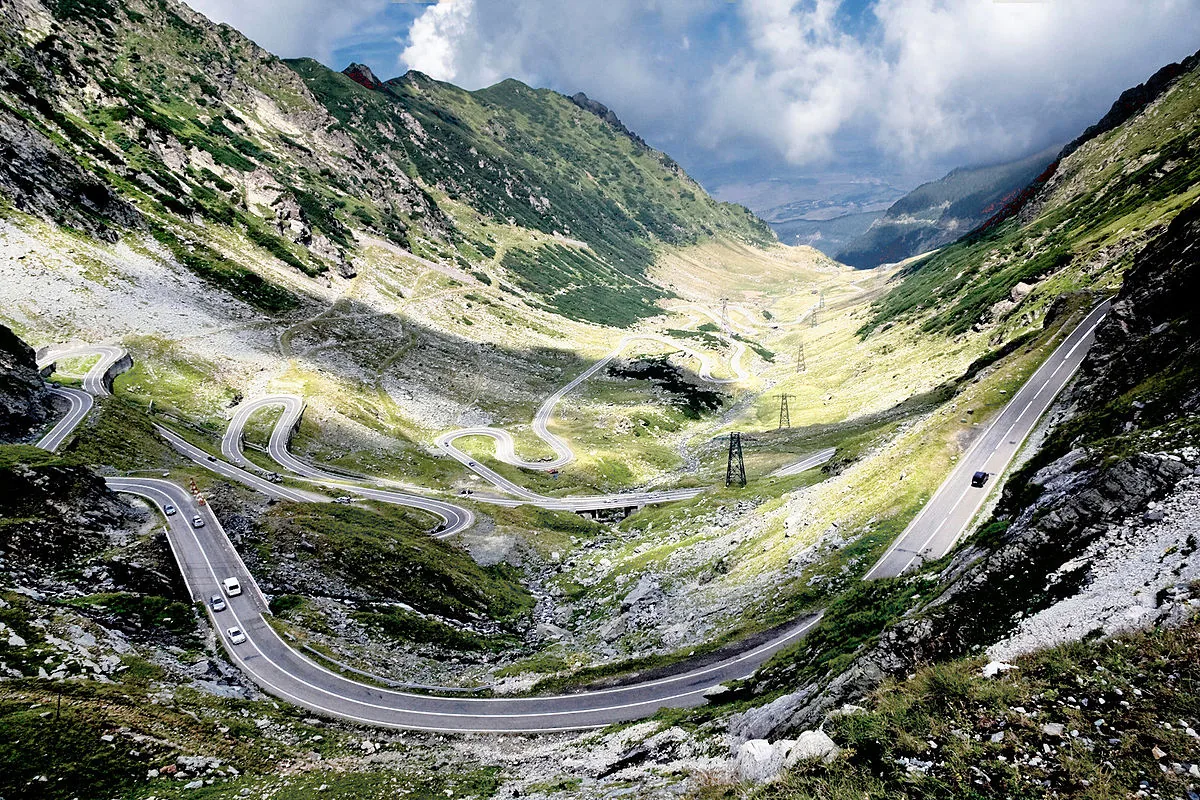
Transfăgărășan
A 90-kilometre serpentine alpine road reaching 2;042 metres; cutting through the vertical jagged peaks of the Southern Carpathians; built by the military in the 1970s; stop at Bâlea Lake at dusk; the clouds move through the hair-pin turns beneath you while the scent of wild juniper and cold; thin air dominates the high-altitude silence.
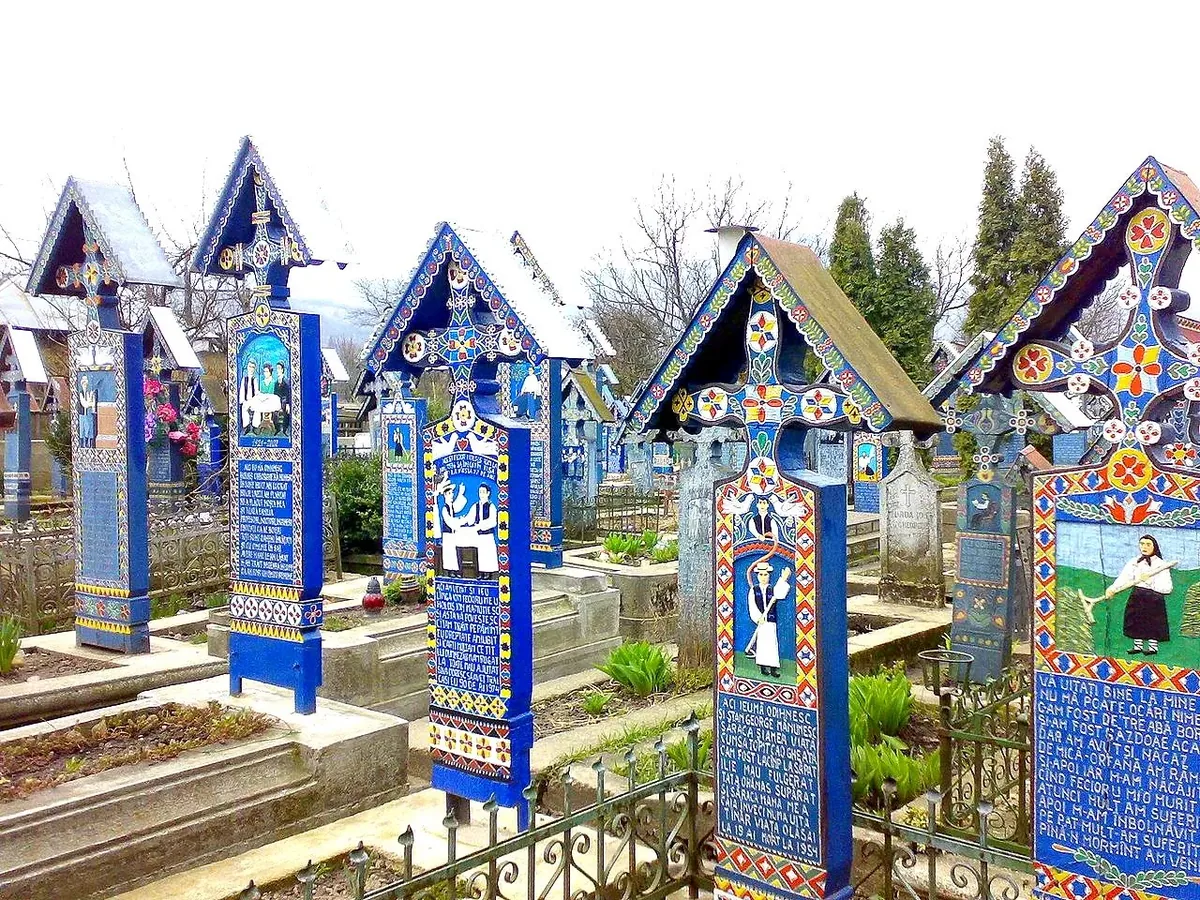
Săpânța Merry Cemetery
A unique folk-art cemetery where over 800 hand-carved oak crosses are painted in vibrant 'Săpânța blue' and feature satirical poems about the deceased; the tradition was started in 1935 by Stan Ioan Pătraș; explore the rows at 10 am; the bright primary colours contrast with the green valley while the sound of the Tisa River provides a low-frequency hum.
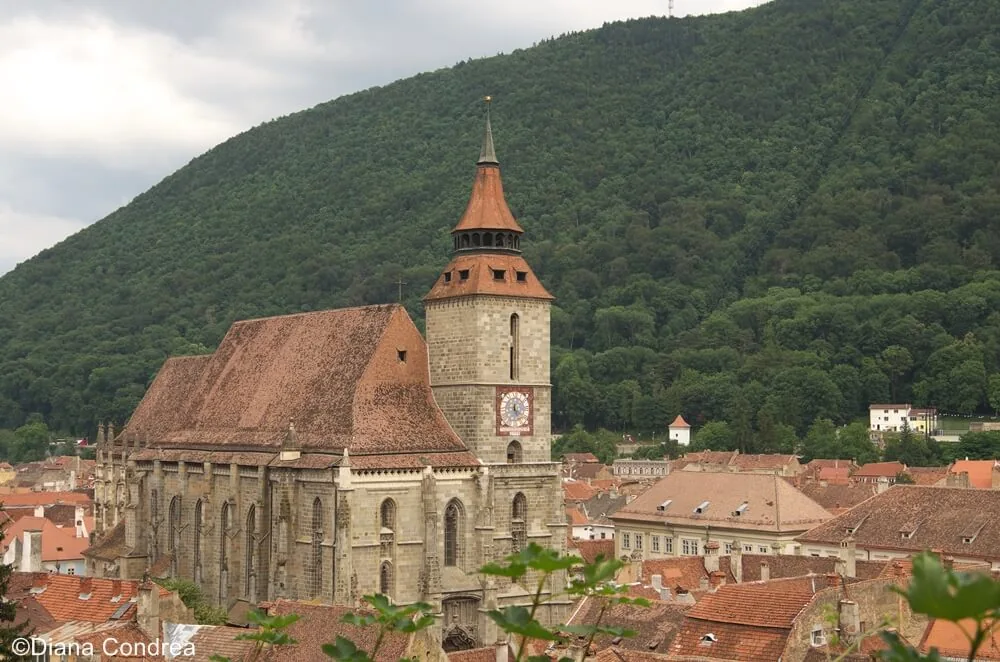
Black Church
The largest Gothic structure between Vienna and Istanbul; renamed after the Great Fire of 1689 left its stone walls permanently scorched; it houses a world-class collection of 17th-century Anatolian carpets; enter at 4 pm; the western light illuminates the soot-stained arches and the 4;000-pipe Buchholz organ; the interior is vast enough to swallow the town noise.
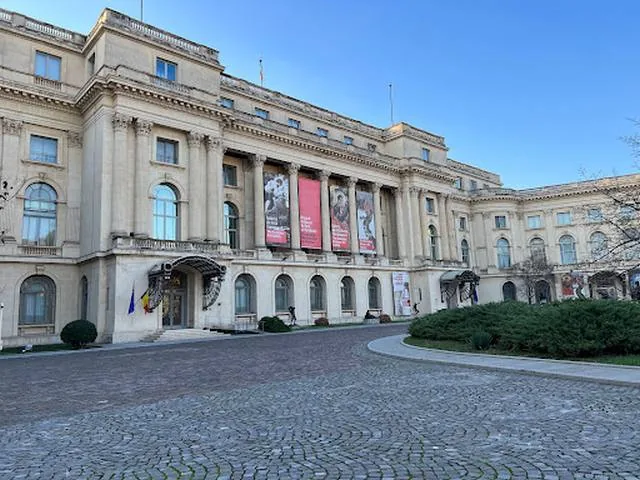
National Museum of Art of Romania
Housed in the former Royal Palace on Calea Victoriei; the museum contains the definitive collection of medieval icons and modern masters like Brâncuși and Grigorescu; traverse the Throne Hall at midday; the light from the massive chandeliers reflects off the Costinești marble and gilded stucco; the silence is heavy and clinical.
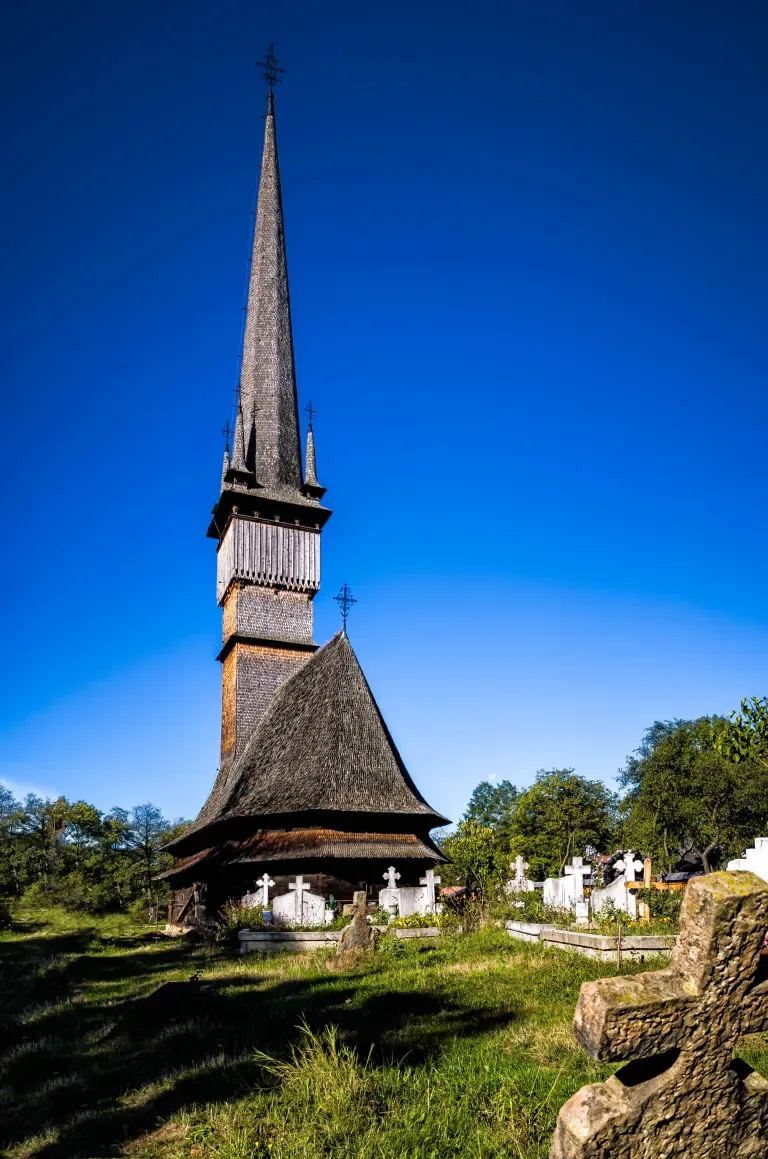
Church of the Holy Archangels
A 1766 wooden cathedral in Șurdești with a 72-metre tall spire; constructed entirely of oak without a single iron nail; the interior features 18th-century tempera paintings on wood; visit at dusk; the tapering silhouette of the spire vanishes into the darkening sky while the scent of aged resin and damp moss rises from the timber base.
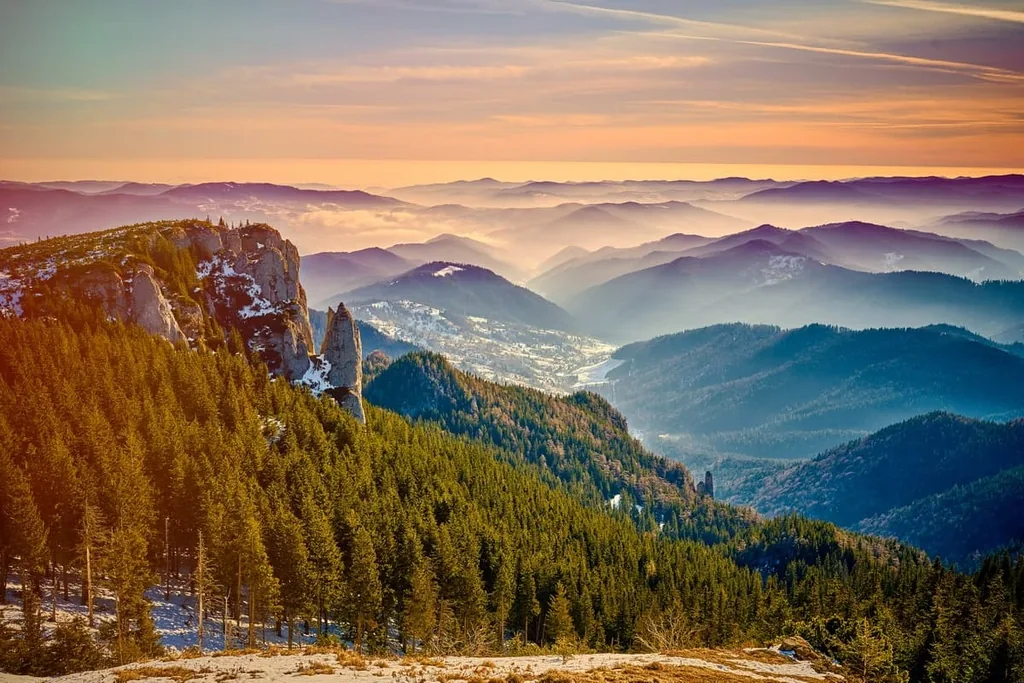
Ceahlău National Park
The 'Mount Olympus of the Moldavians'; a mass of jagged conglomerate rock and limestone reaching 1;907 metres; the landscape is home to the rare Edelweiss and chamois; reach the Toaca Peak at sunrise; the first light creates the 'Shadow Pyramid' phenomenon across the clouds while the wind whistles through the moss-slicked basalt formations.