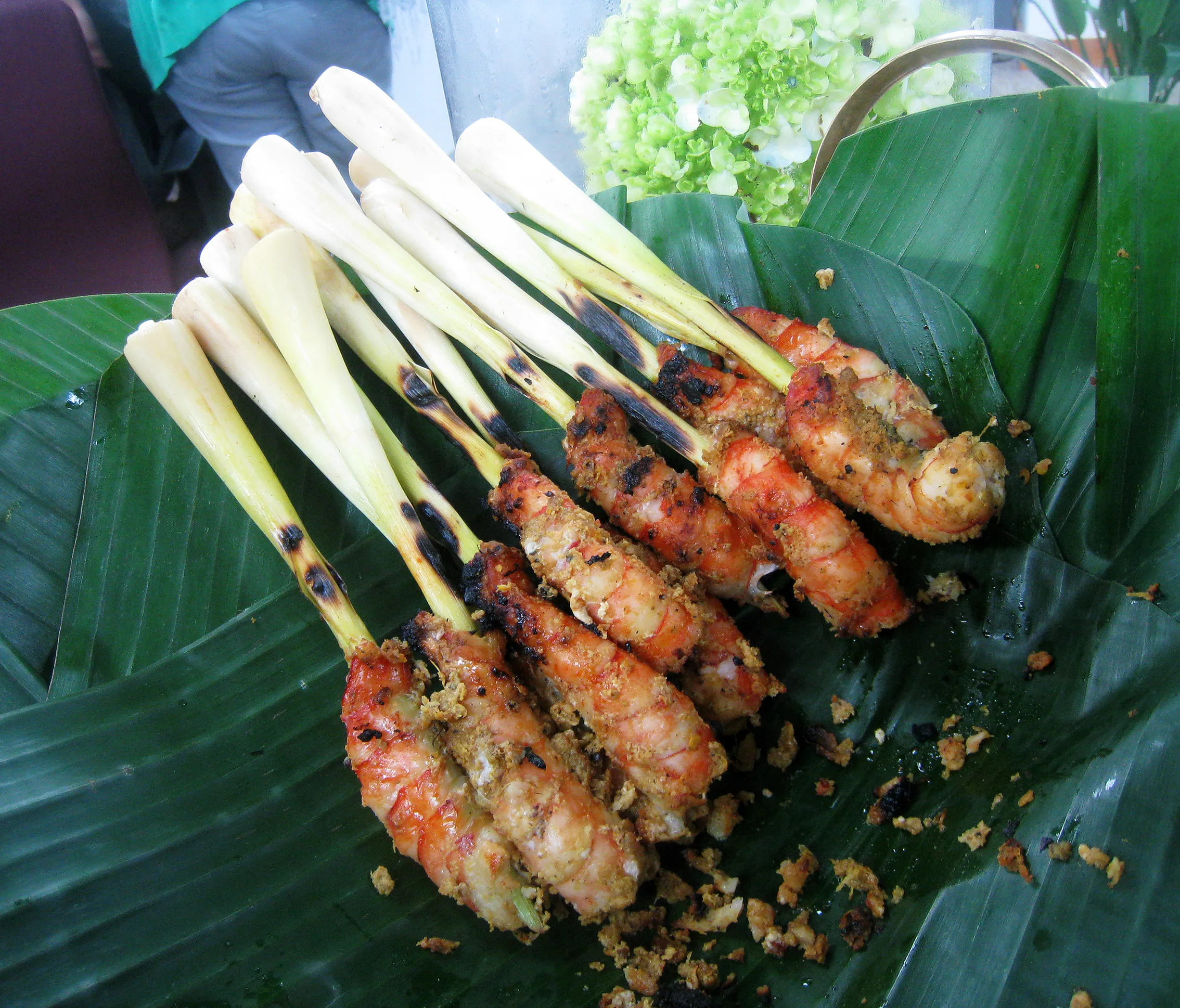
"Singapore's charcoal-grilled skewers with palm-sugar peanut sauce, Lau Pa Sat festival market at dusk is the correct context."
About Satay
Singapore's most evocative street food: marinated chicken, beef or mutton threaded on coconut palm skewers and grilled over fanned charcoal until charred and caramelised; served with a thick peanut sauce sweetened with palm sugar, a compressed rice cake (ketupat) and a dice of cucumber and raw onion; the Lau Pa Sat festival market at dusk is the canonical satay experience.
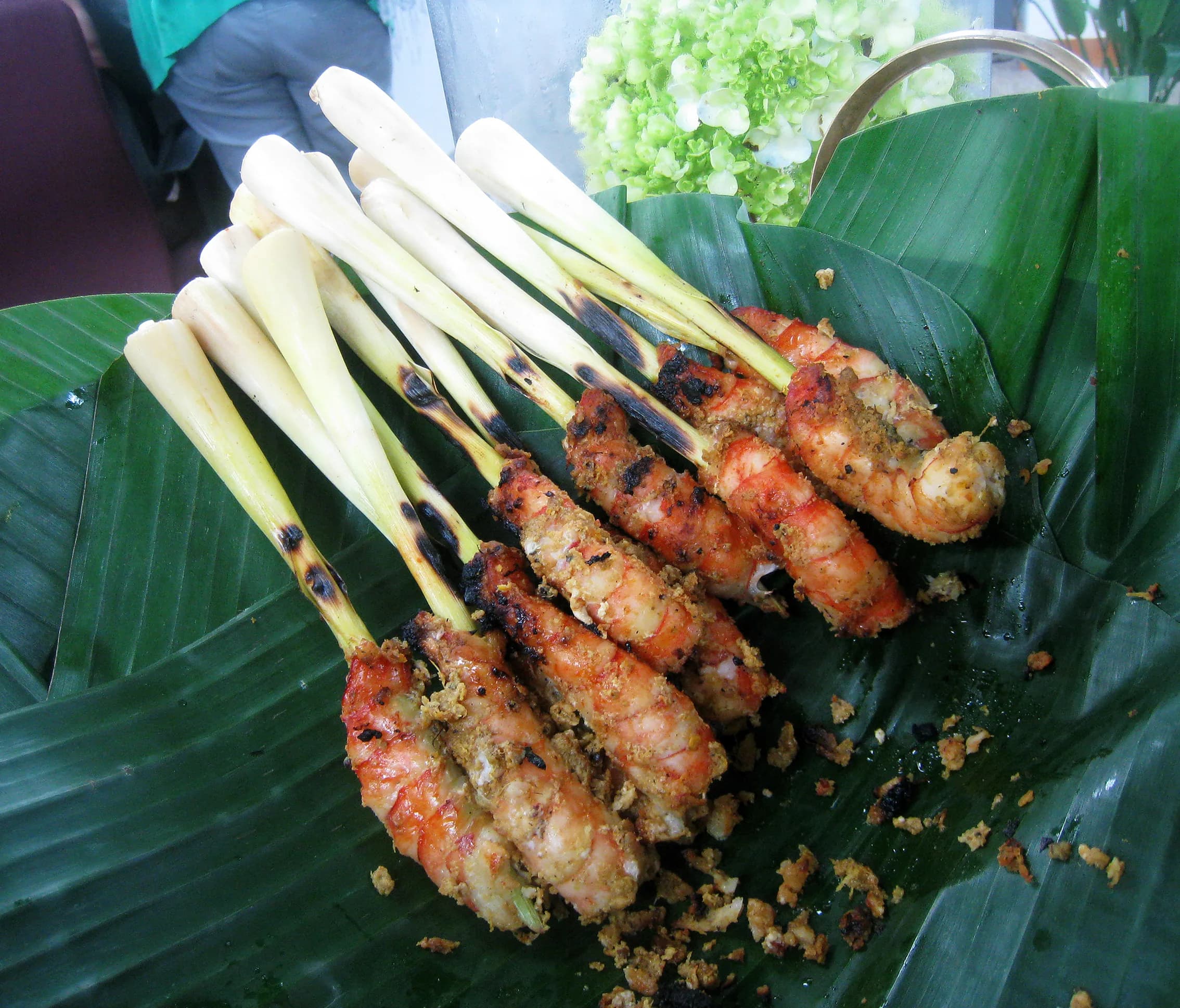
Satay, a staple of Singapore's cuisine
Singapore's Charcoal Skewers
Satay is one of Singapore's favourite street foods: marinated chicken, beef or mutton threaded onto skewers and grilled over fanned charcoal until charred and caramelised. It is served with a thick peanut sauce, compressed rice cakes and slices of cucumber and raw onion. The smoke of the charcoal is part of the flavour.
The Peanut Sauce
The Singapore peanut sauce is thick and sweet, made from ground roasted peanuts, coconut milk, palm sugar and belachan. It is poured over or used to coat the skewers rather than as a thin dip. The balance of nutty, sweet and savoury in the sauce is half the dish.
A Malay Heritage
Satay reflects the Malay strand of Singapore's mixed food culture, from the coconut-frond skewers to the belachan in the sauce and the ketupat rice cakes alongside. In a city often associated with Chinese hawker food, it is a reminder of the Malay roots that run through the cuisine. The dish is shared across the wider region but has its own Singapore character.
At the Night Market
Satay is at its best grilled fresh over charcoal at a night market or festival street, fanned hard so the fat drips and flares. It is sociable food, ordered by the skewer and shared, and the standard serving always seems too few. Eaten hot off the grill with peanut sauce and cucumber, it is street food at its most convivial.
What to Expect
At Lau Pa Sat, satay stalls appear on the closed street as dusk settles. Orders are placed by number, and the skewers arrive on a tray alongside the peanut sauce and ketupat. Char marks from the fanned charcoal linger on each skewer.
Why Try It
Singapore's satay reflects the city's Malay culinary heritage, with coconut-leaf skewers, belachan and ketupat highlighting Malay influences in a predominantly Chinese environment.
✦ Photo Gallery
Insider Tips
Order a minimum of 10 skewers, the standard serving is per-skewer and always too few.
Lau Pa Sat on Raffles Quay is the most atmospheric location in Singapore for satay.
The peanut sauce is for coating, not dipping, pour it over rather than using as a bowl dip.