Turkey's pre-dinner spread (yoghurt dips, aubergine salads, roe cream, stuffed mussels) eaten with rakı over two hours. Never rushed.
About Meze
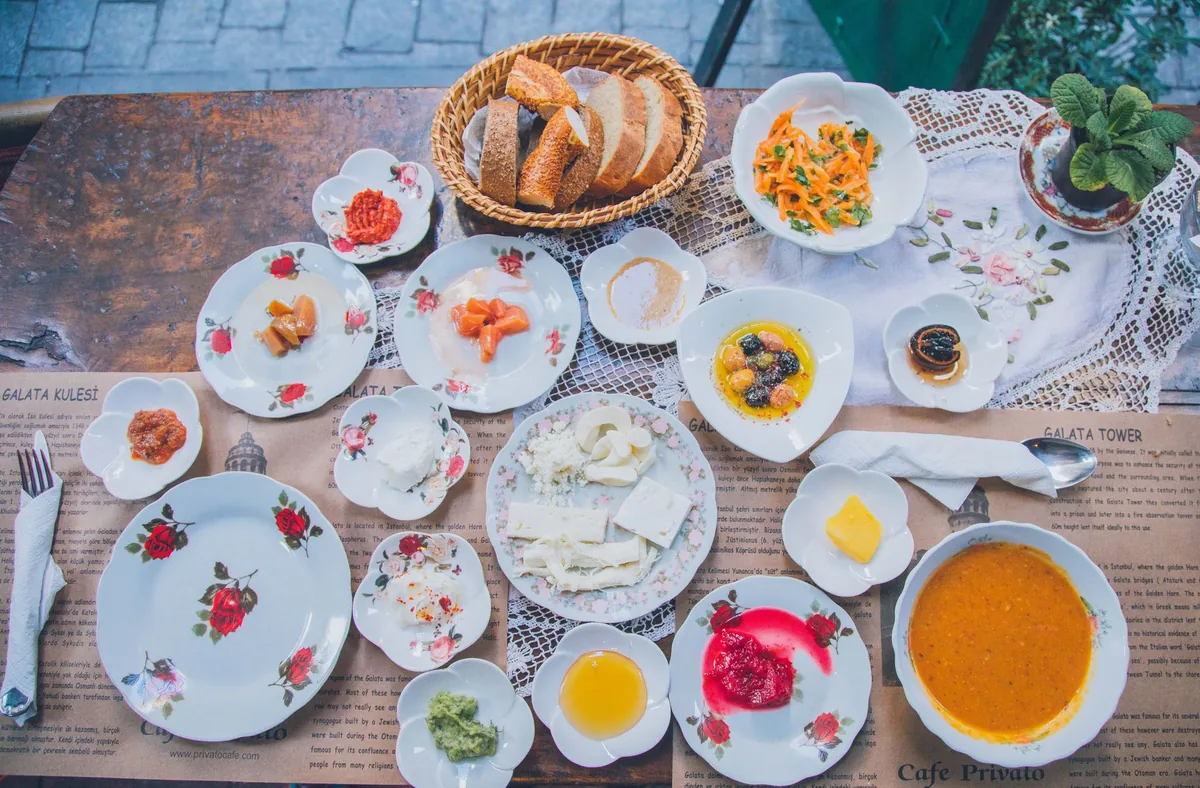
Turkish civilisation's greatest expression of hospitality: an array of cold small dishes that precede every formal meal: haydari (strained yoghurt with dill and garlic), acılı ezme (spiced tomato and walnut paste), patlıcan salatası (smoky roasted aubergine), midye dolma (mussels stuffed with saffron rice), tarama (cured roe cream), arnavut ciğeri (fried liver with onion and sumac); eaten with rakı and never rushed.
Turkish Hospitality
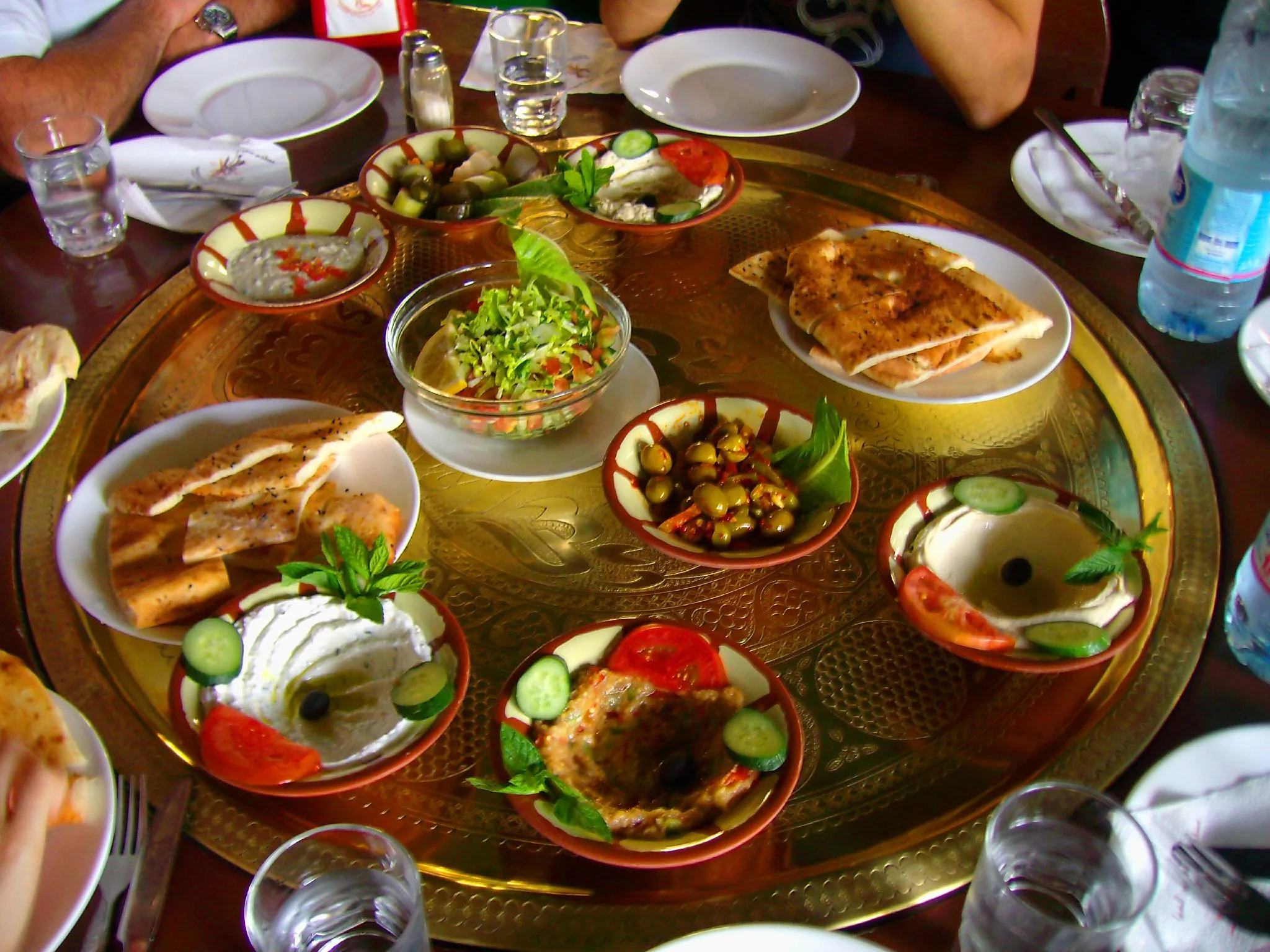
Meze is the array of small cold dishes that opens a leisurely Turkish meal: yogurt dips, smoky aubergine salads, spiced tomato-and-walnut pastes, cured roe creams, stuffed mussels and fried liver, among many others. They are spread across the table to be grazed slowly. More than a starter, meze is a way of eating built around time and company.
“More than a starter, meze is a way of eating built around time and company.”
The Dishes
The range is enormous and regional. Haydari, strained yogurt with garlic and herbs; aci ezme, a fiery tomato-pepper relish; patlican salatasi, roasted aubergine; tarama, cured roe whipped to a cream; and dozens more fill the table. Each is a small, distinct preparation, and a good meze spread is judged on its variety and balance.
The Raki Table
Meze is inseparable from raki, the anise spirit diluted with water until it turns cloudy white and sipped slowly between bites. A Turkish meze table without raki is considered incomplete, the two paced together over a long evening. The drinking and the eating are one ritual.
A Social Ritual
Above all, meze is social, a spread designed to make two hours pass without anyone noticing, as diners move from plate to plate and conversation swells. The main course, when it comes, is almost an afterthought to the lingering over small plates. It is the most convivial expression of Turkish food culture.
What to Expect
Small dishes of meze spread across the table. Diners linger, moving from plate to plate and revisiting favourites. A glass of rakı is poured, its anise scent rising. Conversation swells, taking over the room. The main course fades to the background.
Why Try It
Meze is Turkish food culture's most social expression, a meal designed to make two hours pass without noticing.
Insider Tips
- Rakı diluted with equal water and ice is the correct serve, never neat.
- The stuffed mussels (midye dolma) from Istanbul street vendors eaten as meze are a separate tradition worth experiencing.
- Çiya Sofrası in Istanbul's Kadıköy serves the most interesting regional meze selection.