“A city so beautiful it was burned to the ground by its rivals out of spite, only to rise from the ashes with more gold leaf and coconut palms than before.”
About Centro Histórico de Olinda
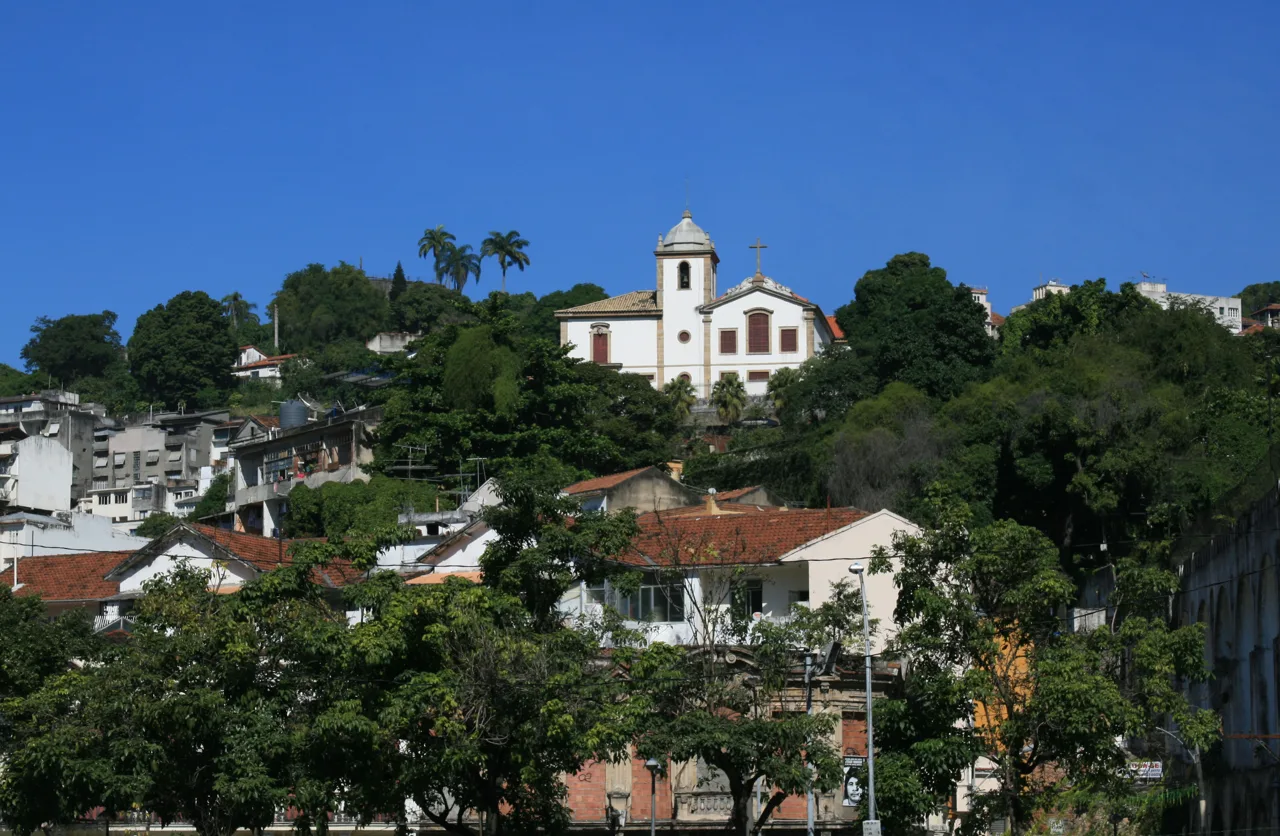
Sugar made Olinda the richest city in colonial Brazil, attracting the finest craftsmen of the 16th century until the Dutch invasion turned its grand mansions into charred ruins. After the 1654 expulsion of the invaders, the city was meticulously reconstructed by religious orders, resulting in the dense concentration of convents and cathedrals that earned it UNESCO status in 1982. This rebuilding phase abandoned the grid system for a more organic, hilltop flow that respected the rugged topography of the Pernambuco coast. Over the centuries, the administrative power shifted to the port of Recife, but Olinda retained its spiritual and artistic heart, eventually becoming the definitive center for the Maracatu and Frevo traditions that define the region's cultural identity today.
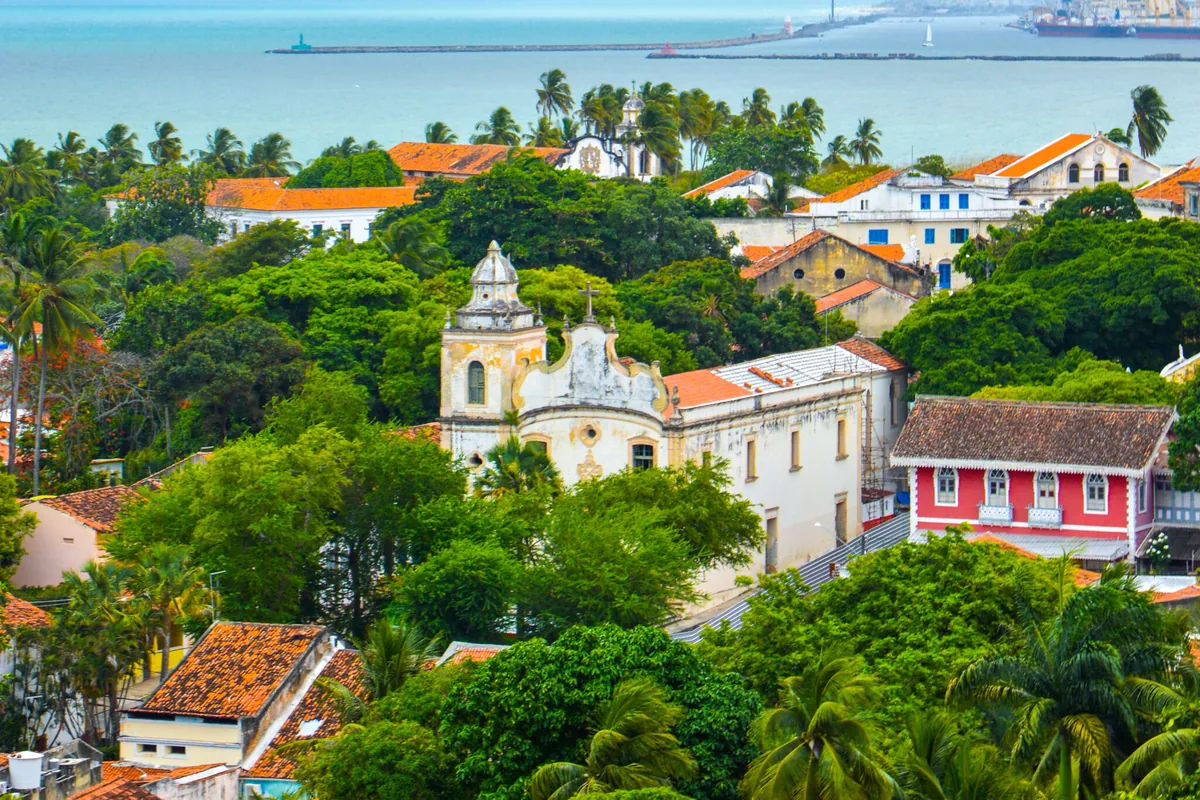
Pastel-colored houses lean against one another
Pastel-colored houses lean against one another along steep, gravity-defying hills that look out over a turquoise Atlantic, creating a skyline where Baroque church towers compete with swaying coconut palms. Olinda does not feel like a stagnant museum piece; it is like a living, breathing canvas where the salty sea breeze constantly erodes the lime-wash to reveal layers of history. Walking these streets requires a sturdy pair of lungs and an appreciation for the irregular. The cobblestones are slick with centuries of foot traffic, and the humid air carries a heavy mix of blooming pitanga trees and the distant, rhythmic thrum of a maracatu rehearsal.
Olinda does not feel like a stagnant museum piece; it is like a living, breathing canvas where the salty sea breeze constantly erodes the lime-wash to reveal layers of history.
this hilltop settlement, 1535
Duarte Coelho founded this hilltop settlement in 1535, allegedly exclaiming 'Oh, linda!' upon seeing the view, though the reality was far more turbulent than his exclamation suggests. The town flourished as the capital of the sugar-rich Pernambuco captaincy, but its wealth made it a target for the Dutch West India Company, who burned the city to the ground in 1631. When the Portuguese reclaimed the land two decades later, they rebuilt with a defiant architectural flourish, favoring the soaring arches and gilded altars of the Baroque style. Unlike neighboring Recife, which embraced the flat, Dutch-style expansion, Olinda remained perched on its hills, preserving a medieval layout that winds like a labyrinth around convent gardens and hidden fountains.
Visiting Centro Histórico de Olinda
The scent of cloves and frying tapioca rises from the street corners as the afternoon sun begins to dip behind the Alto da Sé. The grit of the ancient stone beneath your feet and notice how the light catches the intricate tiles of the São Bento Monastery, turning the facade into a shimmering mosaic of blue and white. Music is the city's constant companion. One moment you are engulfed in the brassy, frantic joy of a frevo orchestra, and the next You end up in the hushed, incense-heavy silence of a Franciscan cloister. Looking out from the lookout point at the top of the hill, the modern towers of Recife look like a distant galaxy across the reefs. The grain of the city is found in the weathered wood of a colonial door and the rough, sun-baked plaster of an artist’s studio. The majority overlook the small, secret gardens tucked behind high walls, but a glimpse through a half-open gate often reveals a private paradise of orchids and hummingbirds. At twilight, the street lamps flicker on, casting long, dramatic shadows across the winding alleys that make the city feel like a stage set for a colonial drama that never ended.
Reaching the heights of Olinda usually
Reaching the heights of Olinda usually involves a short, humid taxi or bus ride from the modern districts of Recife, crossing the bridge over the Beberibe River. The ascent begins at the Carmo Square, where the pavement gives way to the steep, narrow inclines that define the historic zone. People typically arrive in the early morning to beat the equatorial heat, though the true soul of the place reveals itself as the shadows lengthen. Exploring on foot is the only way to navigate the tightest corners, where the houses are so close together that neighbors can exchange gossip from their respective balconies across the street.
Reaching the heights of Olinda usually involves a short, humid taxi or bus ride from the modern districts of Recife, crossing the bridge over the Beberibe River.
The Experience
The soundscape of Olinda is a chaotic, beautiful mix of chirping cicadas and the clatter of giant papier-mâché puppets being prepared for the next parade. You register that the humidity makes the colors of the houses look more saturated, as if the buildings themselves were freshly painted every morning. Most visitors stick to the main path between the churches, but the real magic happens in the shaded courtyards of the Ribeira market where artisans carve soapstone under the ceiling fans. The gravity of the shift in energy as you move from the sun-drenched plazas into the cool, stone-walled interior of the Sé Cathedral, where the smell of old wood and beeswax provides a momentary refuge from the tropical heat. The piece that sticks with you is standing on the Rua do Amparo as a local percussion group passes by; the vibration of the drums doesn't just hit your ears, it resonates through the very stones you are standing on.
Why It Matters
Olinda is a rare survival of a 16th-century colonial landscape that has never been modernized into anonymity. It serves as the primary guardian of Pernambuco’s unique cultural heritage, where African, Indigenous, and European influences fused into a folk tradition that is more vibrant here than anywhere else in Brazil. It represents the resilience of a community that chose to rebuild on the hills rather than surrender its identity to the flatlands of the industrial age.
Why Visit
Visit Olinda because it is the only place where you can feel the true, unpolished pulse of the Brazilian Northeast without the sanitization of big-city tourism. You visit to see the Baroque gold, but you stay because the city’s verticality offers a new, surprising perspective of the Atlantic at every single turn of the corner. It is a sensory workout that pays off in panoramic views and cold coconut water.
✦ Insider Tips
- 1
Head to the Alto da Sé at four in the afternoon to watch the sun set over Recife while eating a fresh tapioca pancake from one of the heritage stalls.
- 2
Look for the 'Bonecos de Olinda' workshops where you can see the three-meter-tall giants used in parades being hand-crafted from wire and fabric.
- 3
Visit the Monastery of São Bento during Sunday mass to hear the Gregorian chants, which sound otherworldly in the gilded, acoustics-heavy sanctuary.
- 4
Avoid the midday sun by ducking into the Museum of Contemporary Art, which is housed in a former 18th-century jail and offers thick, cooling stone walls.