All landmarks and tourist attractions in Brazil
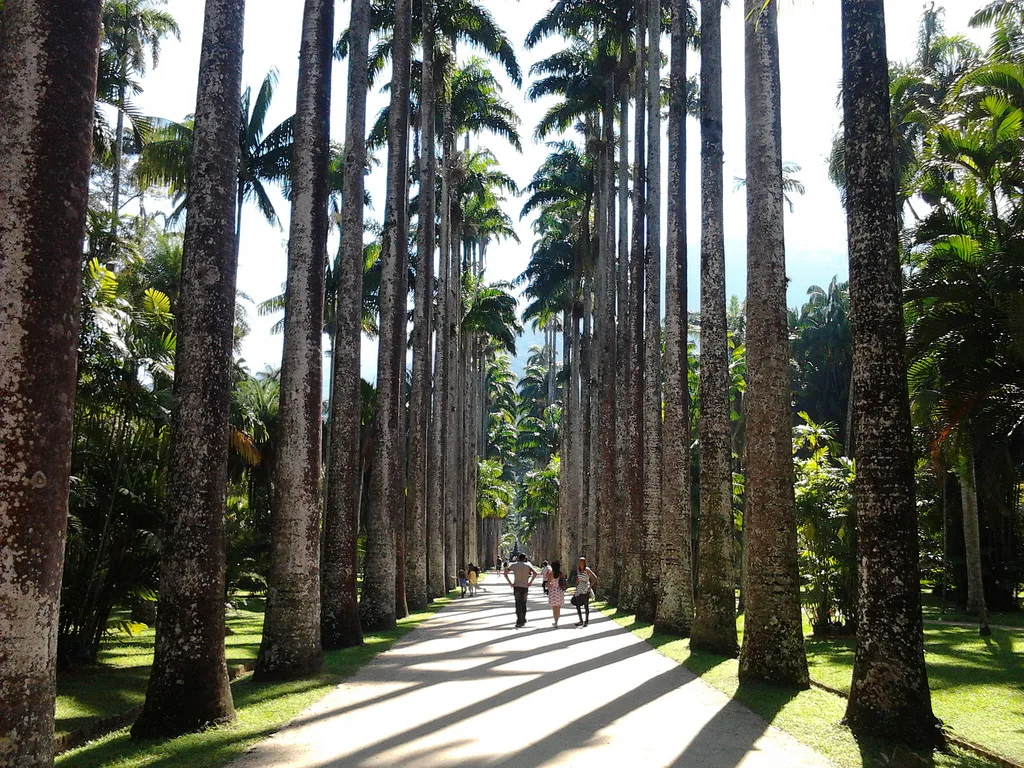
Jardim Botânico
One single palm tree planted by a fleeing Portuguese prince in 1808 birthed the entire emerald forest of towering trunks that now guards the entrance to this royal sanctuary.
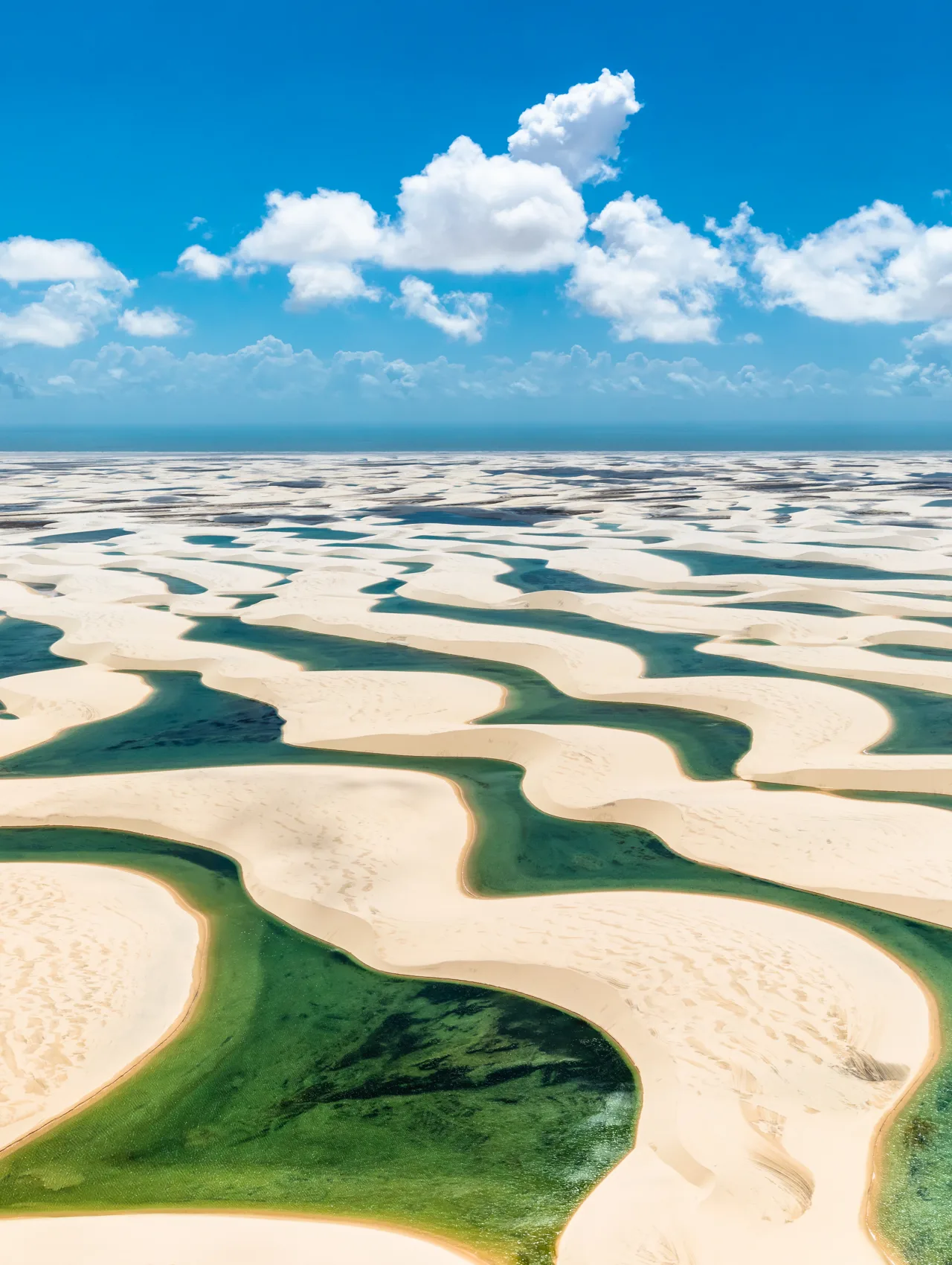
Parque Nacional dos Lençóis Maranhenses
Fish swim in the middle of this desert every summer, born from eggs that survive for months under scorching sand until the equatorial rains turn the dunes into a labyrinth of emerald pools.
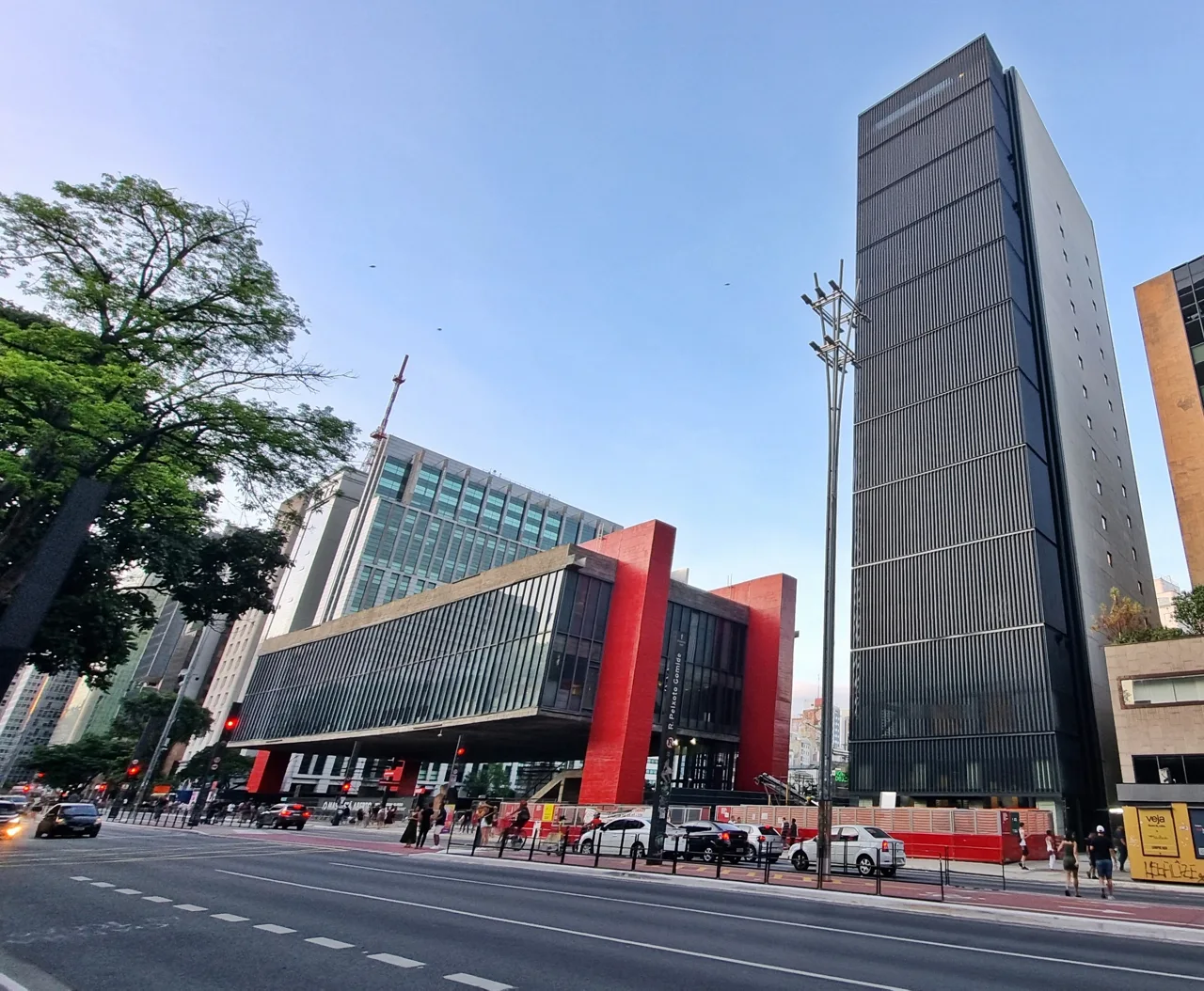
Museu de Arte de São Paulo
Seventy-four meters of hollow space separate this floating glass box from the pavement, a daring architectural feat that turned a museum into the city's most democratic roof.
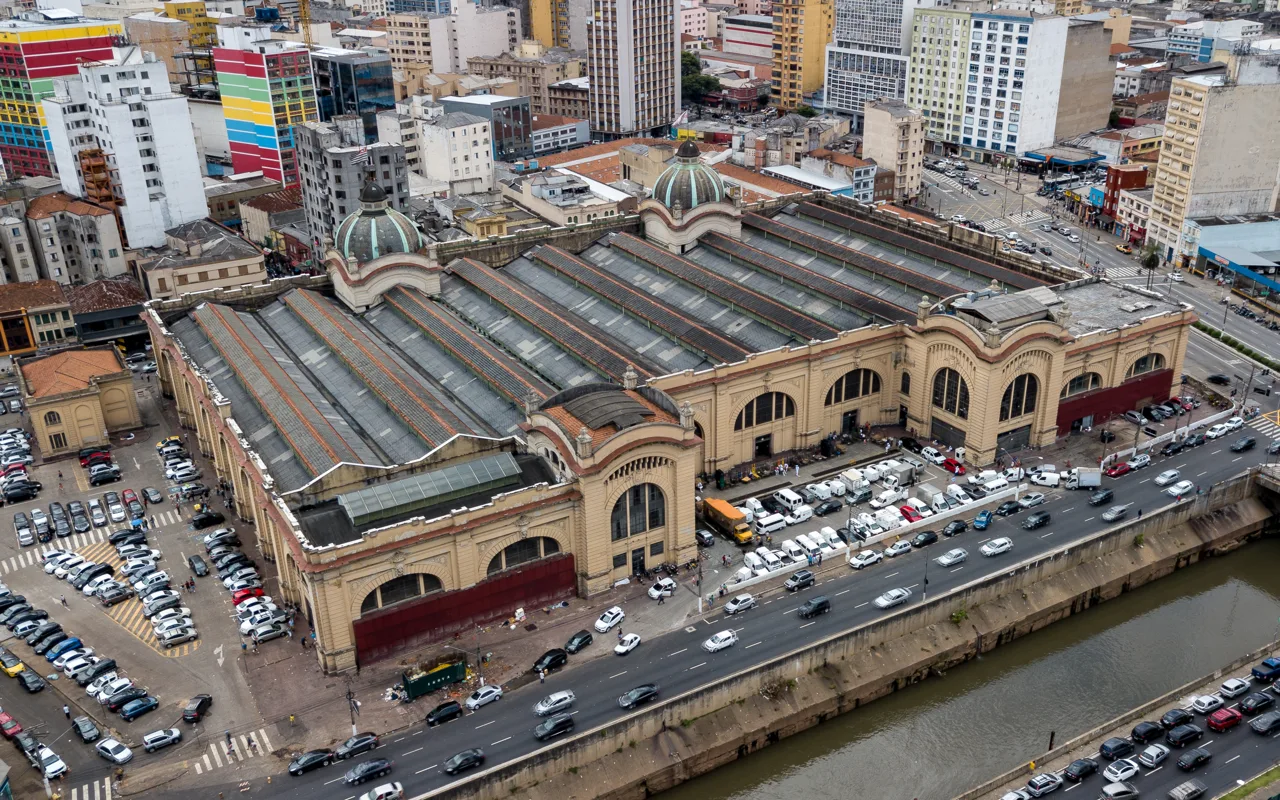
Mercado Municipal Paulistano
Seventy-two Russian stained-glass windows illuminate a former ammunition depot that now is a high-domed sanctuary for half a million pounds of mortadella and every tropical fruit imaginable.
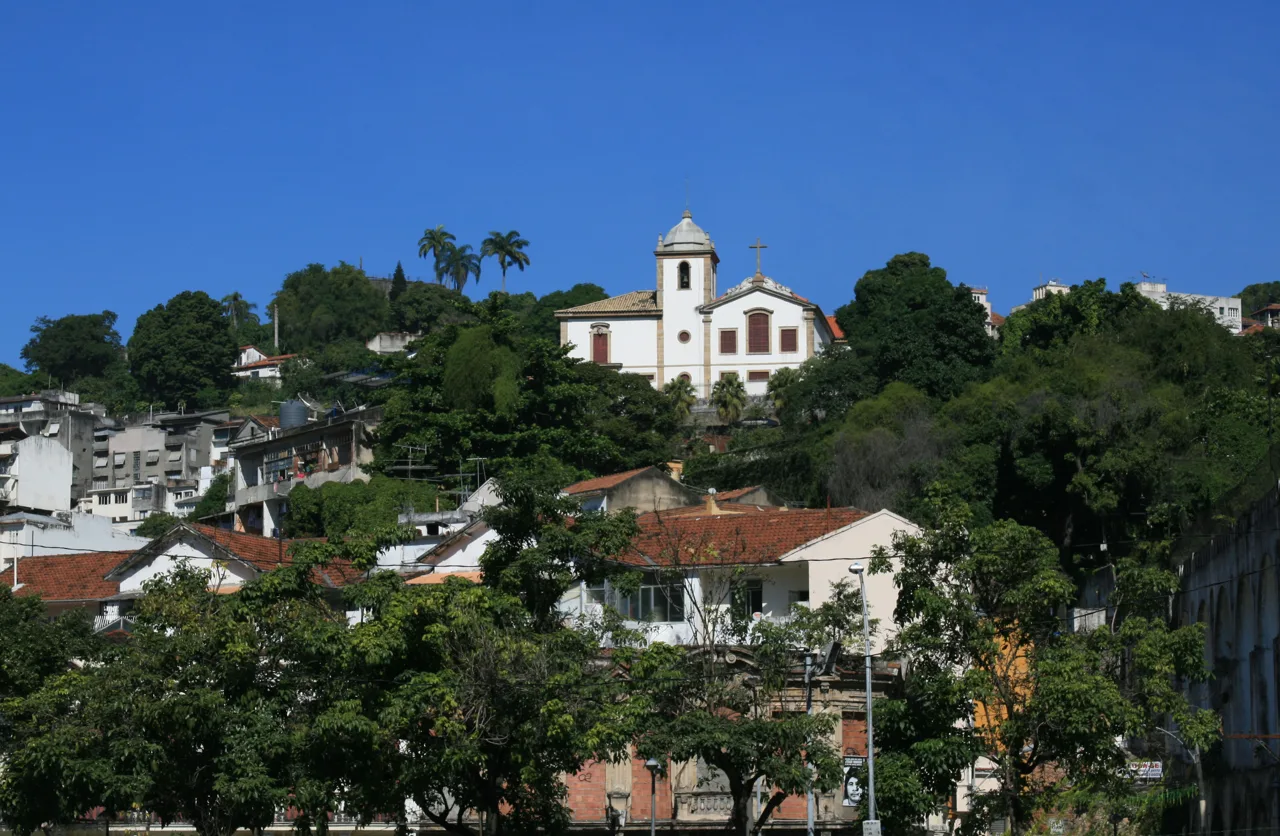
Santa Teresa
A single yellow tram, the last of its kind in the country, creaks across an 18th-century aqueduct to carry you into a neighborhood where time is measured in decades rather than minutes.
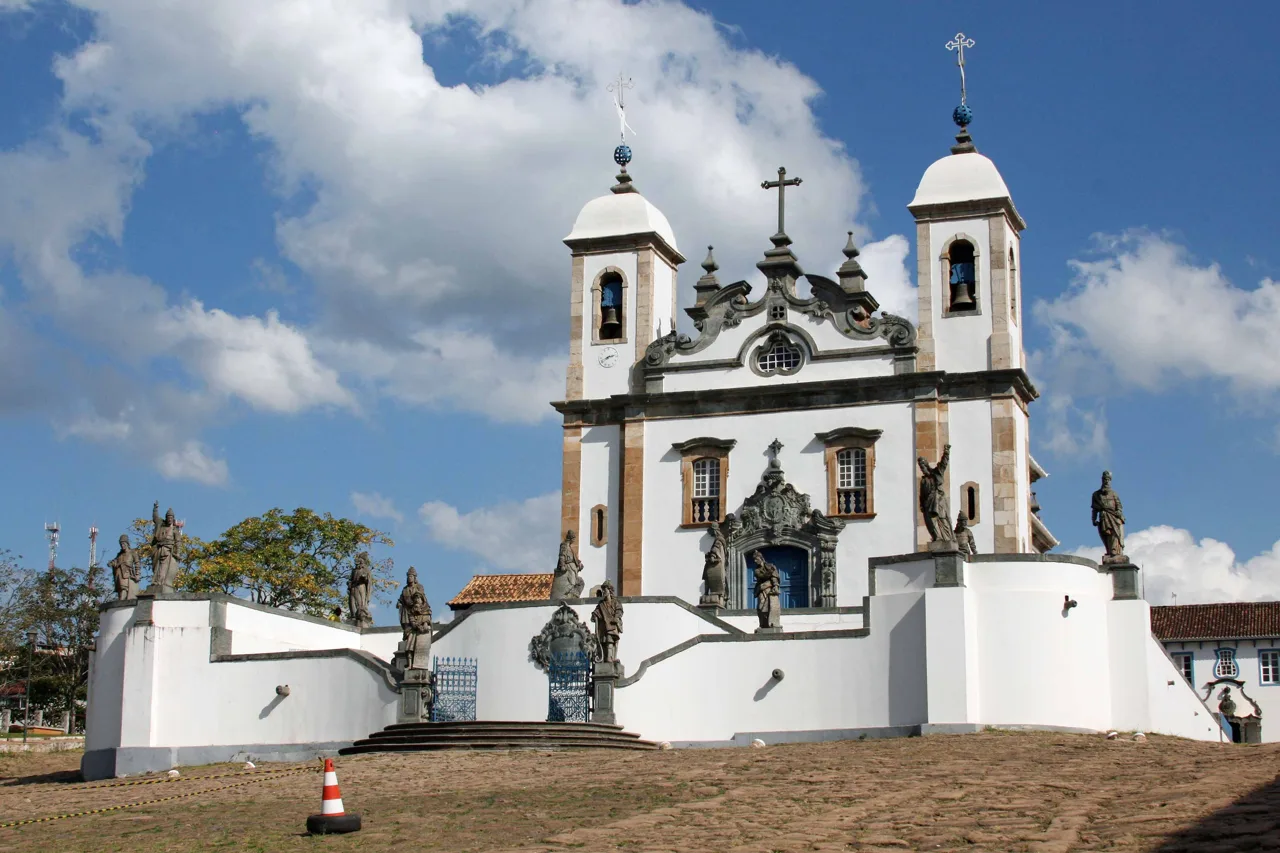
Santuário do Bom Jesus de Matosinhos
Twelve stone giants stand on a mountain terrace in Minas Gerais, carved by a man who had to strap chisels to his wrists because his hands had withered away.
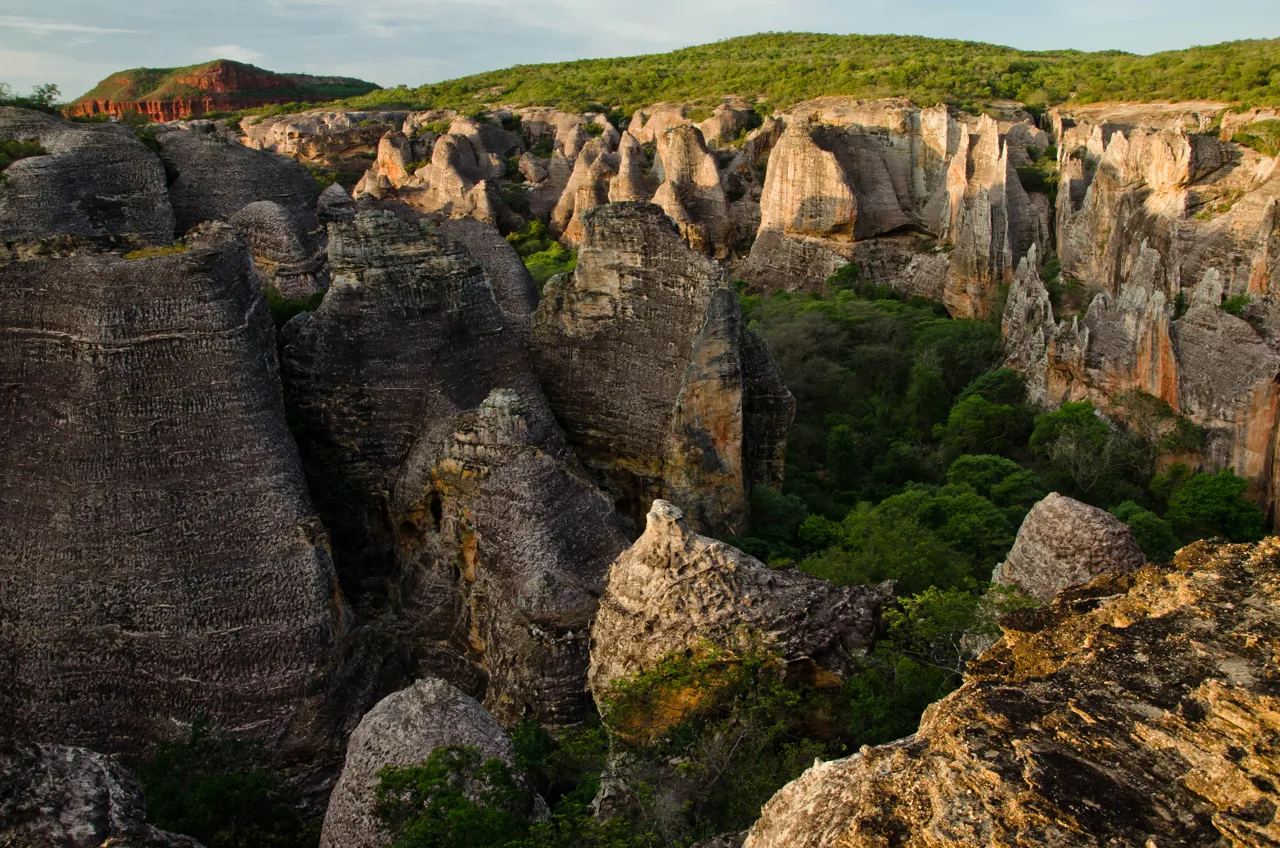
Serra da Capivara
Red ochre silhouettes of jaguars and dancers have clung to these sun-baked Piauí cliffs for over thirty thousand years, silently mocking our modern concepts of when the New World began.
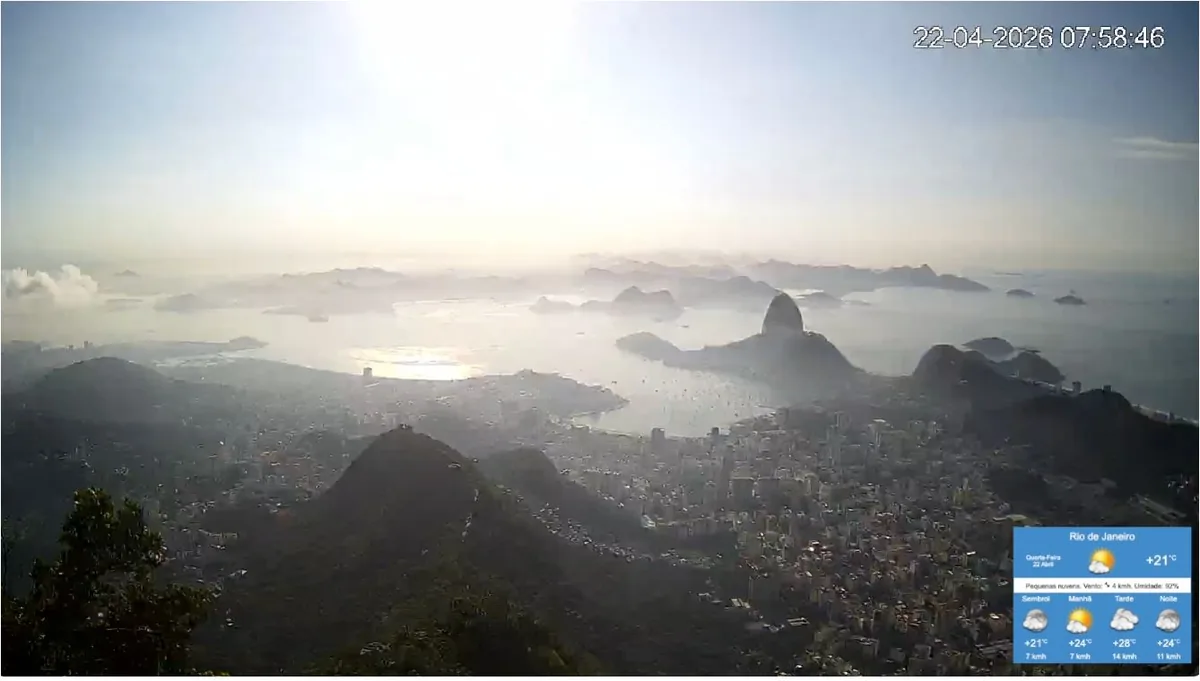
Cristo Redentor
The 30-metre Art Deco colossus atop Corcovado mountain is constructed of reinforced concrete clad in six million soapstone tiles; the soapstone provides a matte; otherworldly glow against the Atlantic mist; stand at the base at 7 am before the haze lifts; the silence at 710 metres is absolute as the first light strikes the statue outstretched arms; turning the grey stone a pale; ethereal white.
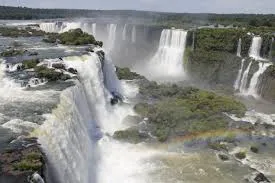
Cataratas do Iguaçu
A basalt-cliff amphitheatre spanning 2.7 kilometres where 275 individual falls thunder into the Garganta do Diabo; the sheer volume of water creates a permanent 30-metre mist cloud etched with rainbows; traverse the lower walkways at midday; the roar is a physical vibration in the chest while the atomized spray drenches the iron railings; the surrounding rainforest air is thick with humidity and the scent of wet moss.
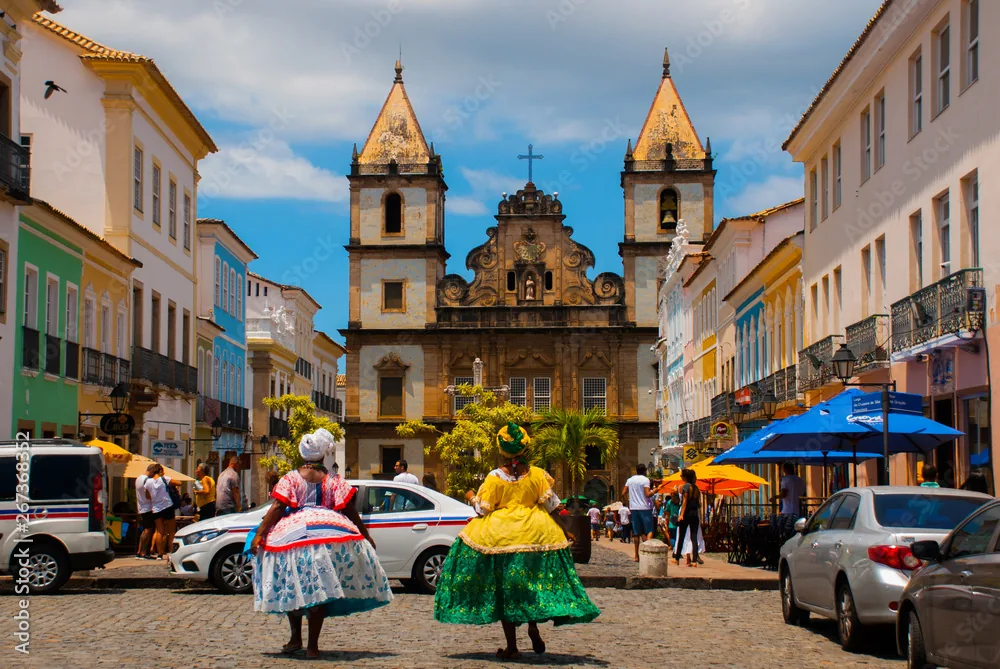
Pelourinho
The historic heart of Brazil first capital features a dense grid of 17th-century Portuguese colonial architecture painted in saturated pastels; the steep cobblestone streets were laid by enslaved labour using uneven river stone; walk the Terreiro de Jesus at dusk; the sound of Olodum drums echoes off the stucco facades while the smell of acarajé frying in dende oil permeates the humid; salt-laden air.
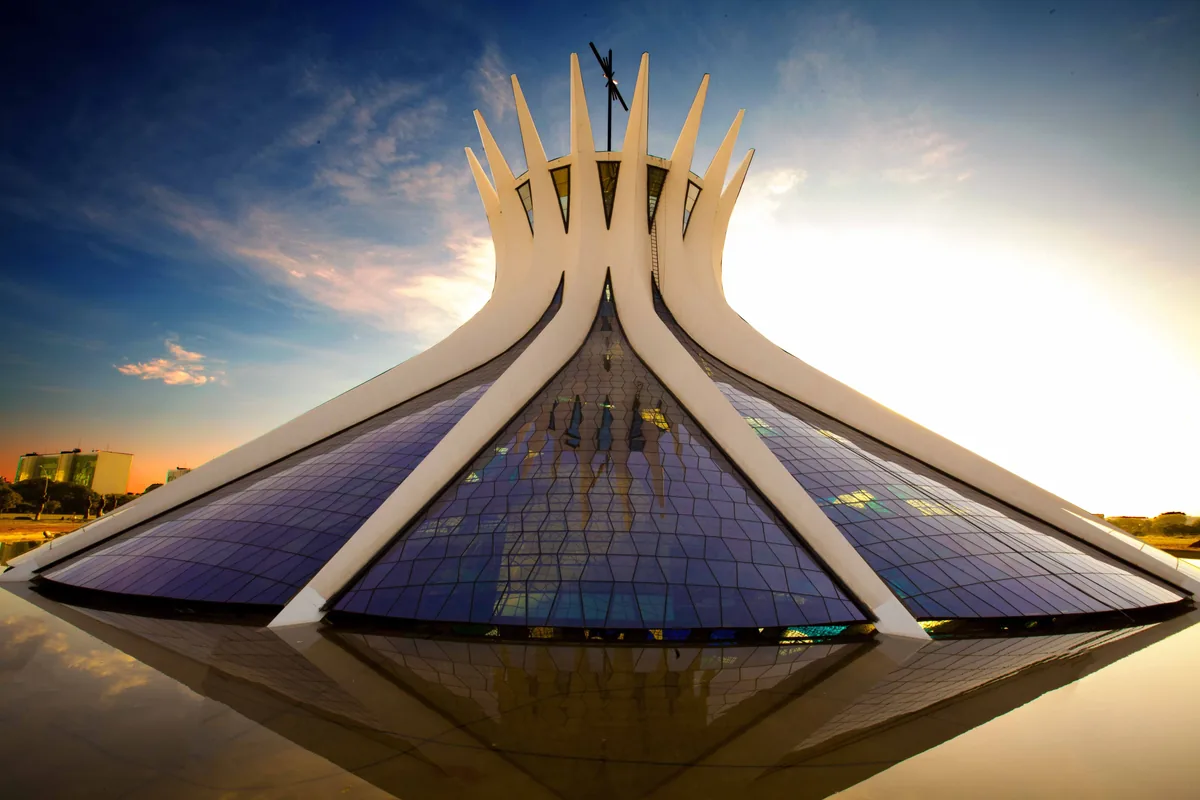
Catedral Metropolitana
Oscar Niemeyer 1970 modernist masterpiece is defined by 16 parabolic concrete columns weighing 80 tons each; representing hands reaching toward the heavens; the nave is submerged below ground level and bathed in shifting blue and brown light from 2;000 square metres of stained glass; enter through the dark; sound-dampening tunnel at 4 pm; the transition into the soaring; sun-drenched interior is a sharp; architectural inhalation.
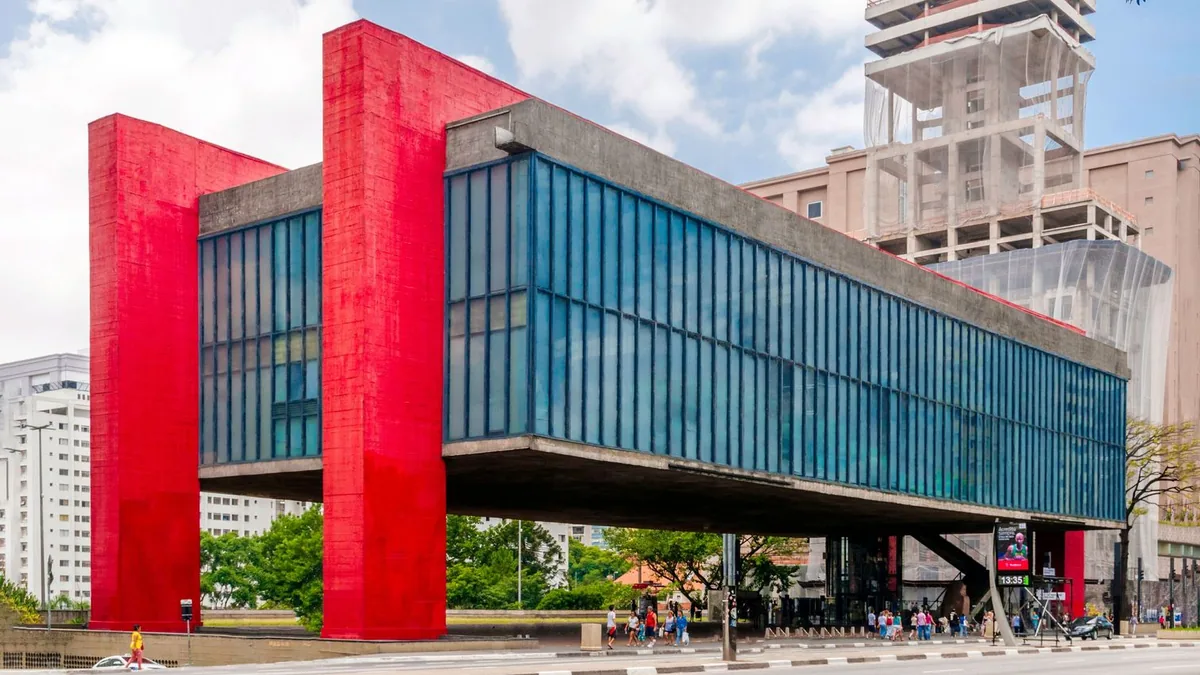
Museu de Arte de São Paulo (MASP)
Lina Bo Bardi 1968 brutalist icon is suspended from two massive red concrete beams; creating a 74-metre span of free space beneath the museum; inside; European masterpieces are displayed on transparent glass easels; visit the permanent gallery at midday; the paintings appear to float in a sea of light; the polished concrete floor reflects the urban grid of Avenida Paulista visible through the floor-to-ceiling glass.
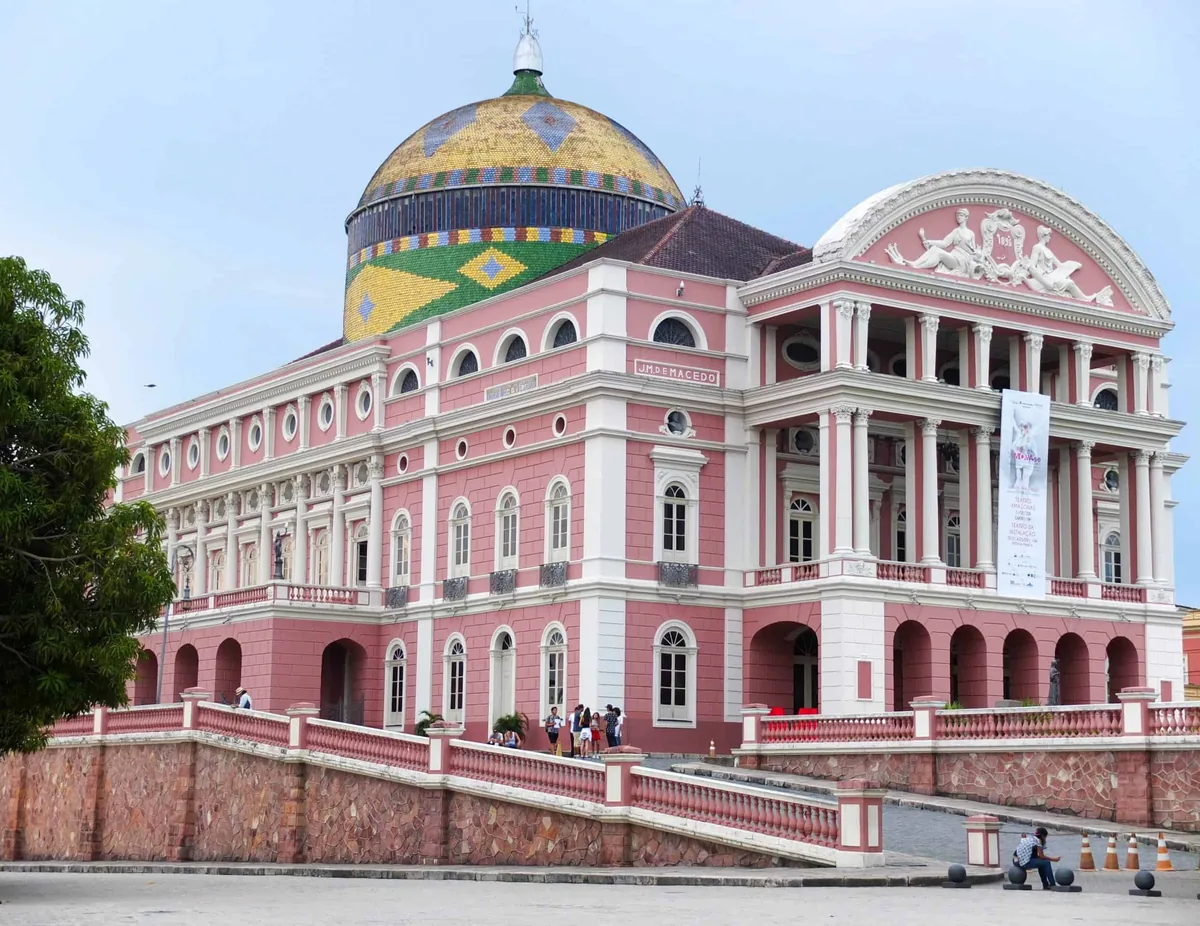
Teatro Amazonas
A 1896 Renaissance Revival opera house built deep in the Amazon during the rubber boom; featuring 36;000 green and gold ceramic tiles imported from Alsace and Italian marble staircases; the interior is a humid time capsule of Belle Époque extravagance; attend a rehearsal at 11 am; the scent of old velvet and tropical wood is heavy while the light filters through the gilded dome onto the Brazilian mahogany stage.
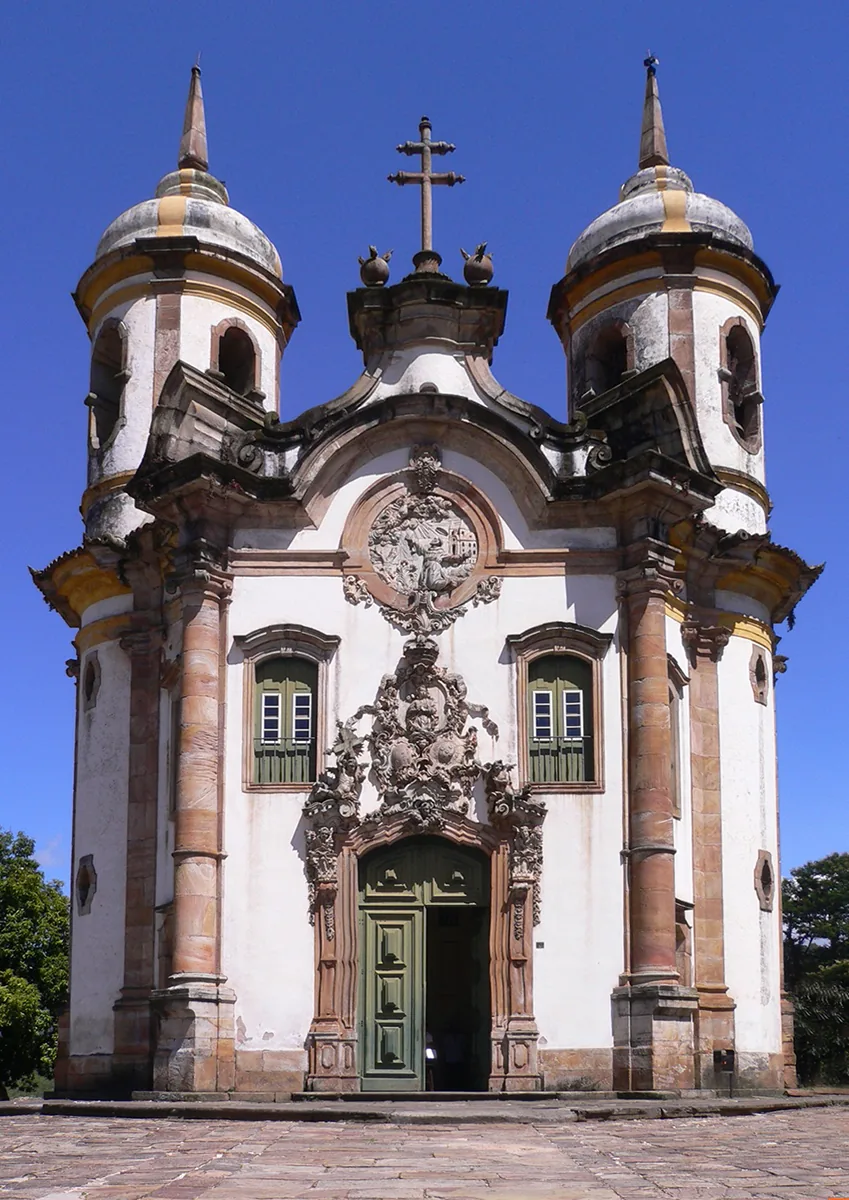
Igreja de São Francisco de Assis
Aleijadinho 1766 masterpiece represents the height of Brazilian Rococo; featuring soapstone carvings and a ceiling painted by Mestre Ataíde depicting a mulatto Madonna; the church sits atop a sun-bleached hill of laterite-red earth; enter the nave at 3 pm; the western light illuminates the hand-carved cedar altars; turning the gold leaf into a liquid fire against the cool; white-washed stone walls.
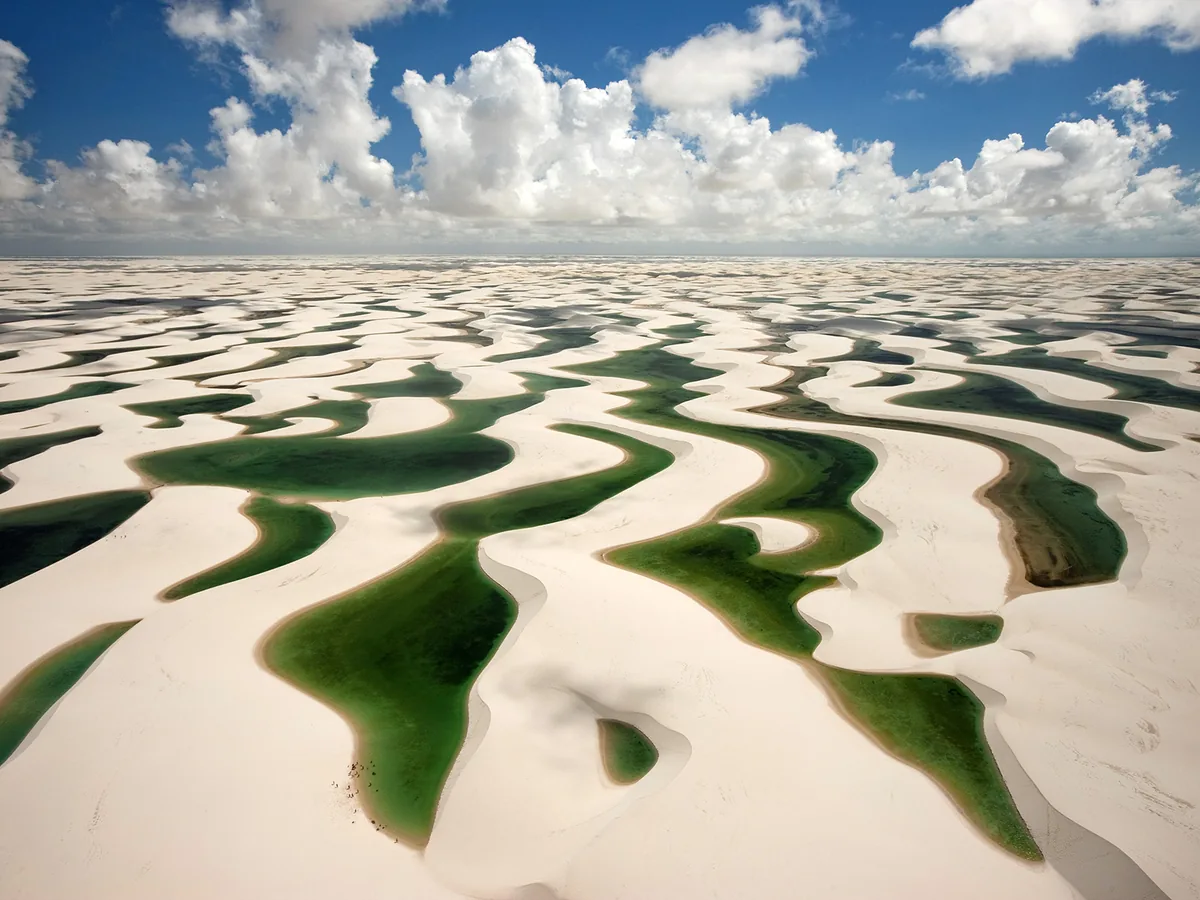
Parque Nacional dos Lençóis Maranhenses
A vast 155;000-hectare expanse of undulating white quartz sand dunes where rainwater traps create emerald and turquoise lagoons between May and September; the sand is so pure it remains cool to the touch even in the equatorial sun; hike the Canto do Atins at sunrise; the wind-rippled dunes create sharp; velvet shadows that shift as the light hits the crystalline water.
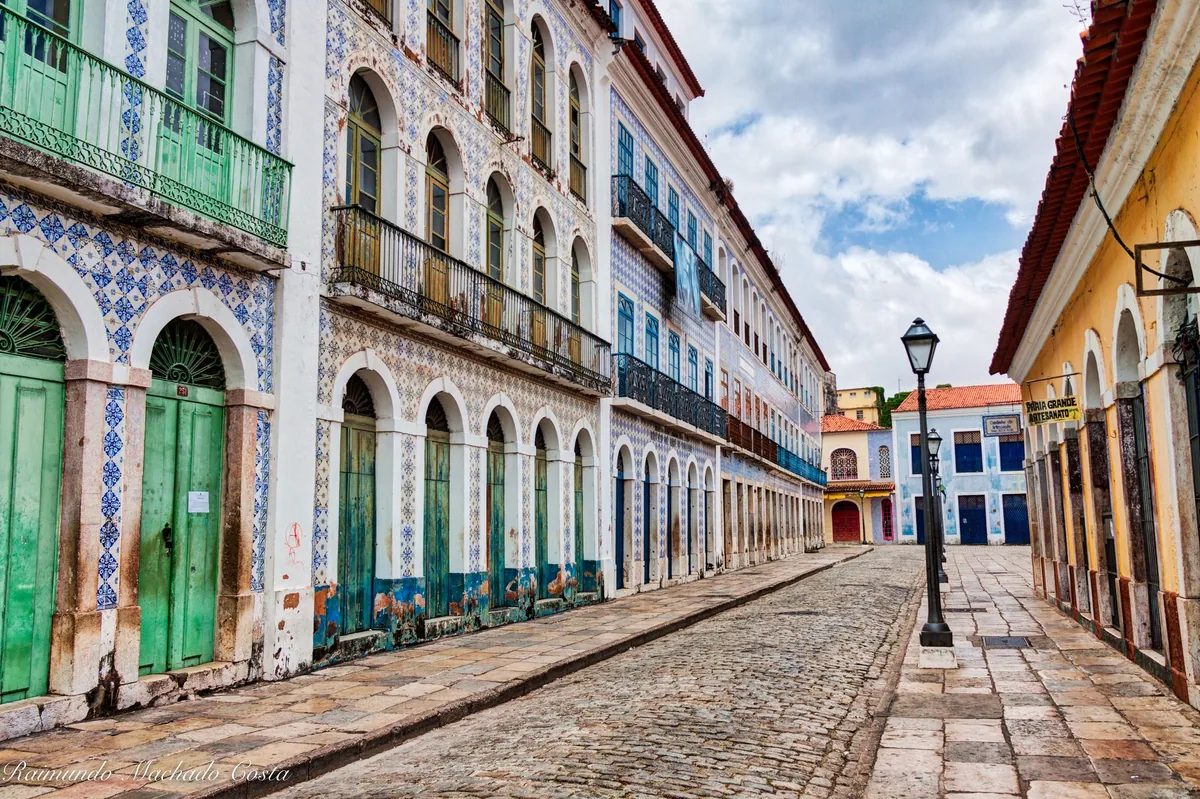
Centro Histórico de São Luís
The world largest collection of 18th-century Portuguese tiled facades; featuring over 3;000 buildings clad in hand-painted 'azulejos' to reflect the tropical heat; the streets follow a strict colonial grid on a peninsula overlooking the Atlantic; walk the Rua do Giz at 10 am; the light reflects off the ceramic tiles with a blinding; rhythmic intensity while the salt air erodes the weathered masonry.
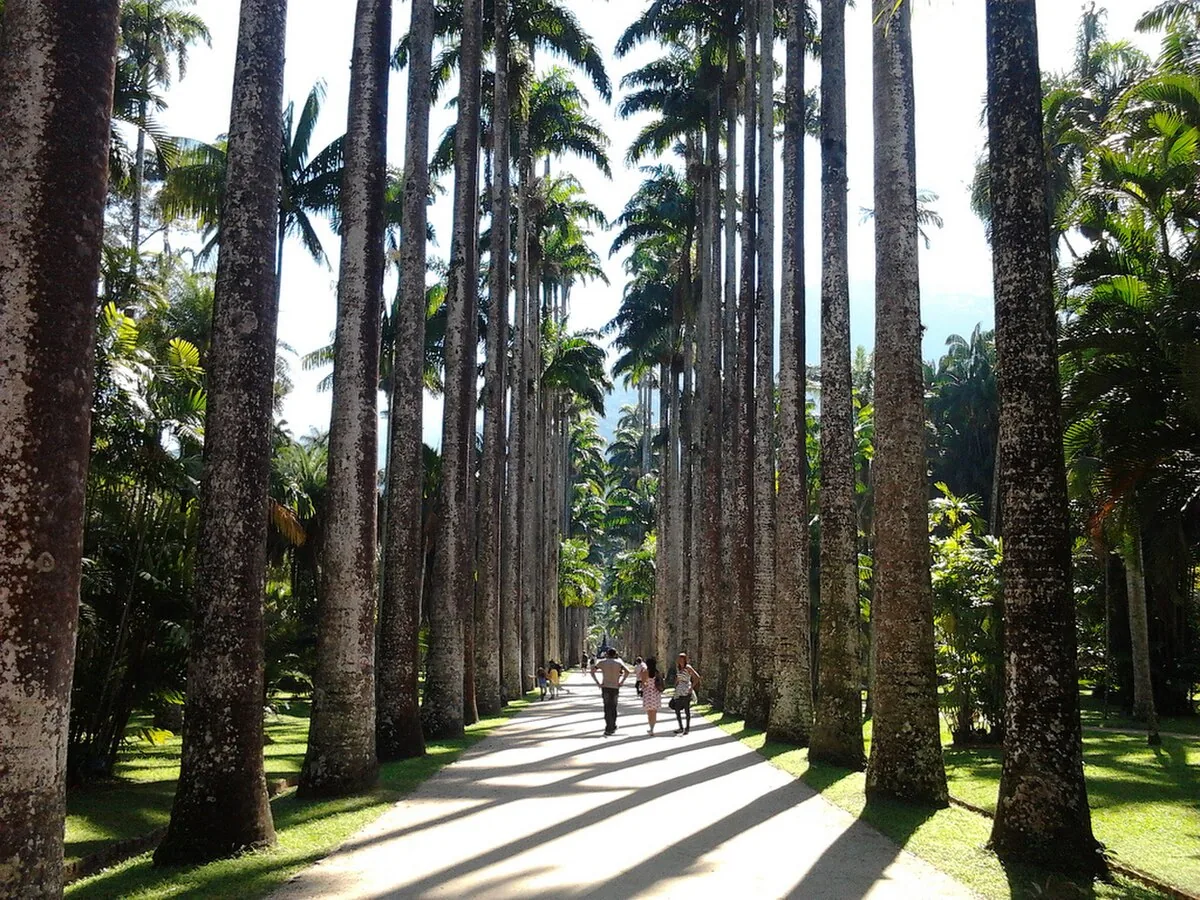
Jardim Botânico
Founded in 1808 by King John VI; this 140-hectare sanctuary is defined by the Avenue of Royal Palms, 134 trees stretching 720 metres into the sky; the park houses over 6;500 species of tropical flora amidst neoclassical fountains; walk the central path at 8 am; the canopy creates a cool; green tunnel where the sound of toucans is sharp and the air smells of damp earth and orchids.
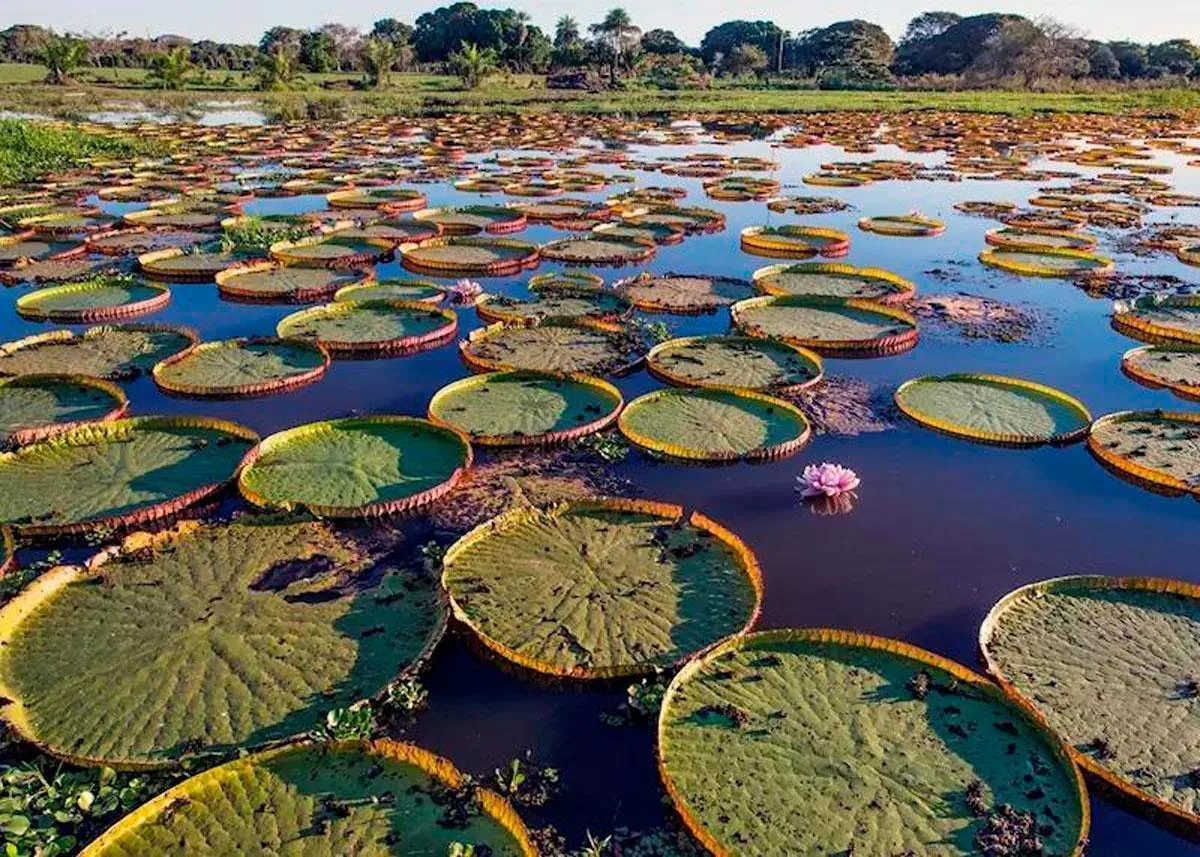
Pantanal Matogrossense
The world largest tropical wetland covers 210;000 square kilometres of seasonally flooded savannas; concentrating the highest density of jaguars and caimans in the Americas; the landscape is a mosaic of paratudal forests and open water; boat along the Cuiabá River at dawn; the mist rises off the water while the silhouettes of jabiru storks move against a burning orange horizon; the air is thick with the sound of kingfishers.
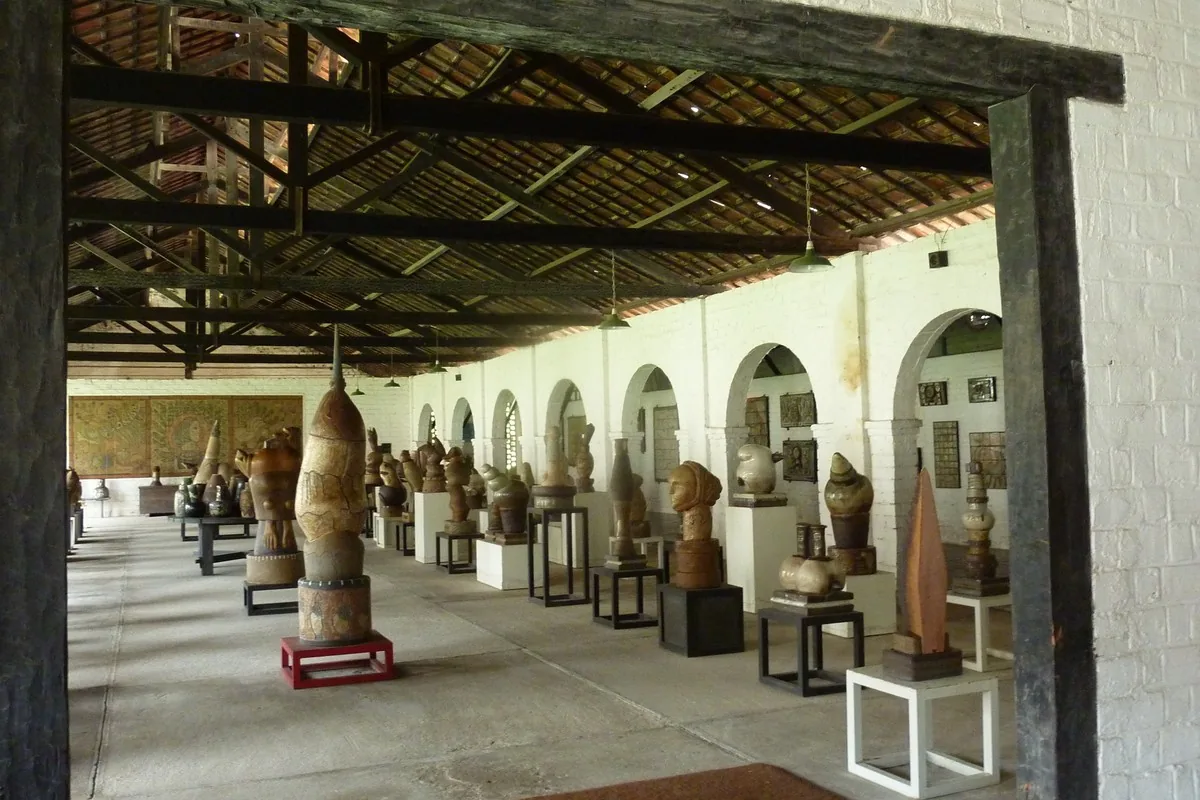
Brennand Ceramic Museum
An expansive architectural complex built within a 1917 brick factory; housing over 2;000 terracotta sculptures by Francisco Brennand; the site is a surrealist landscape of phallic totems and mythological beasts in a palm-filled valley; wander the Sculpture Park at 4 pm; the shadows of the massive ceramic figures stretch across the brick courtyards; the air carries the scent of humid jungle and baked clay.
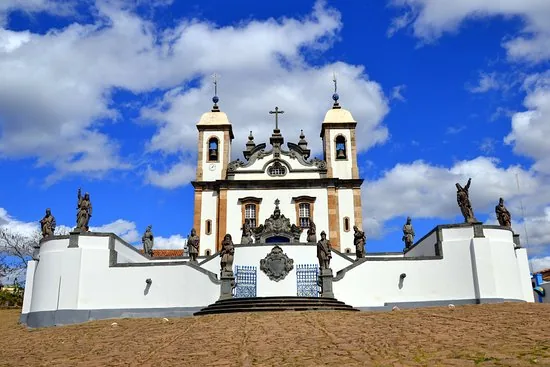
Santuário do Bom Jesus de Matosinhos
A 18th-century architectural complex featuring twelve life-sized soapstone statues of the Prophets carved by Aleijadinho; the figures display a tortured; expressive Baroque energy; stand on the terrace at sunset; the grey soapstone turns a deep lavender against the darkening Minas Gerais hills; the rhythmic sound of the sanctuary bells echoes off the white stucco walls; marking a ritual that has remained unchanged for 200 years.
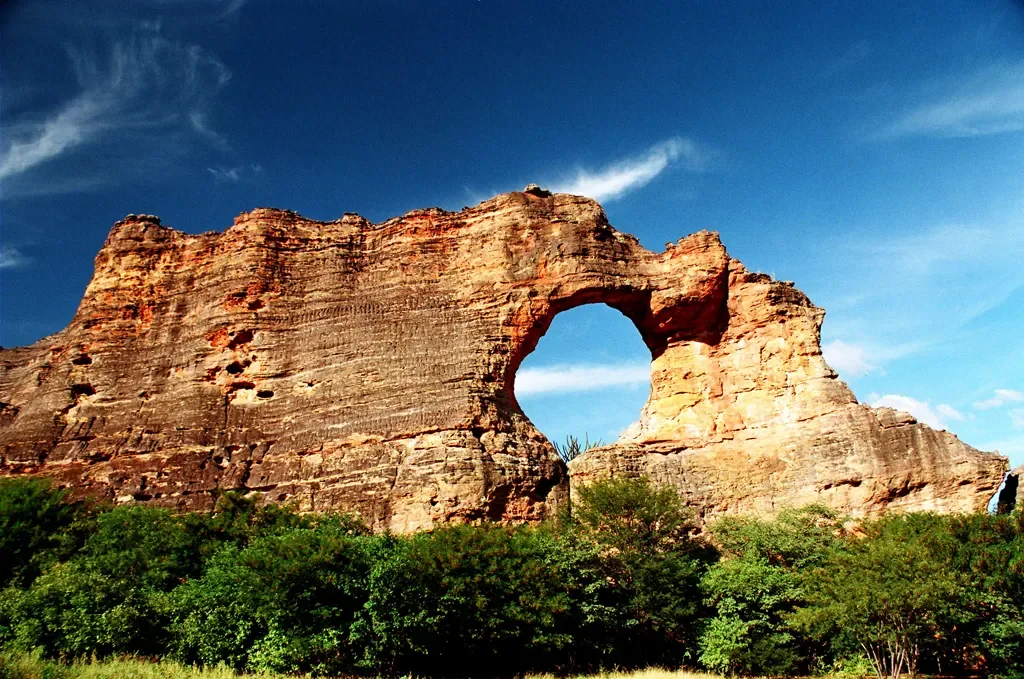
Parque Nacional Serra da Capivara
A semi-arid landscape of sandstone rock shelters containing over 30;000 prehistoric paintings dating back 25;000 years; the red and yellow ochre depictions of hunts and rituals are etched onto sun-bleached cliffs; visit the Boqueirão da Pedra Furada at noon; the intense heat radiates off the rock while the light illuminates the 60-metre high natural stone arch; the silence of the caatinga scrub is absolute and heavy.
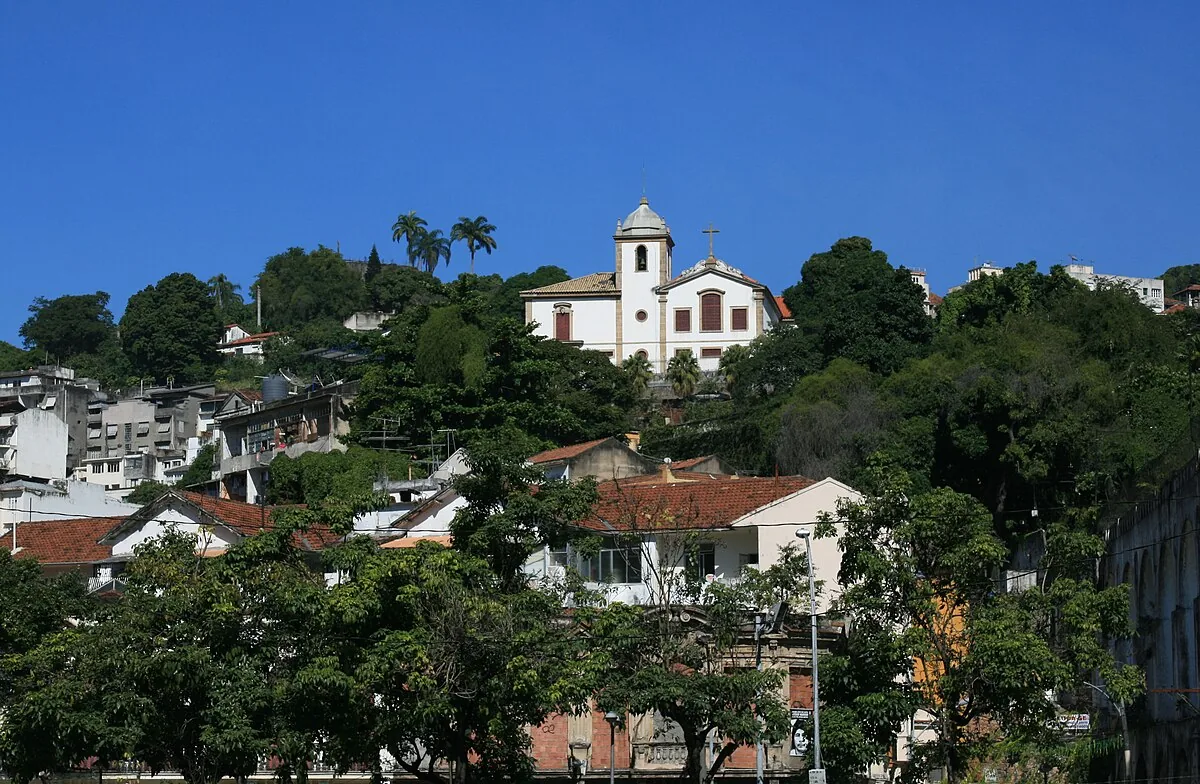
Santa Teresa
A hilltop bohemian district of 19th-century mansions and winding cobblestone streets served by the 'bondinho' yellow tram; the architecture is a mix of faded Art Nouveau and colonial stone; walk the Largo dos Guimarães at 5 pm; the sound of the tram cable humming overhead meets the smell of feijoada from open kitchen windows; the view of Guanabara Bay is framed by overgrown bougainvillea and crumbling brick walls.
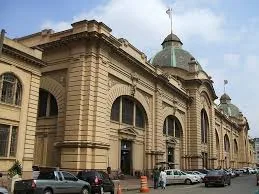
Mercado Municipal
A 1933 eclectic-style market hall featuring massive stained-glass windows and a series of soaring domes; the space is a cathedral of gastronomy housing 12;600 square metres of traders; arrive at 7 am on a Tuesday; the light through the glass panels turns the fruit displays into a mosaic of saturated colour while the sound of traders bargaining in three languages creates a deafening; rhythmic urban pulse.
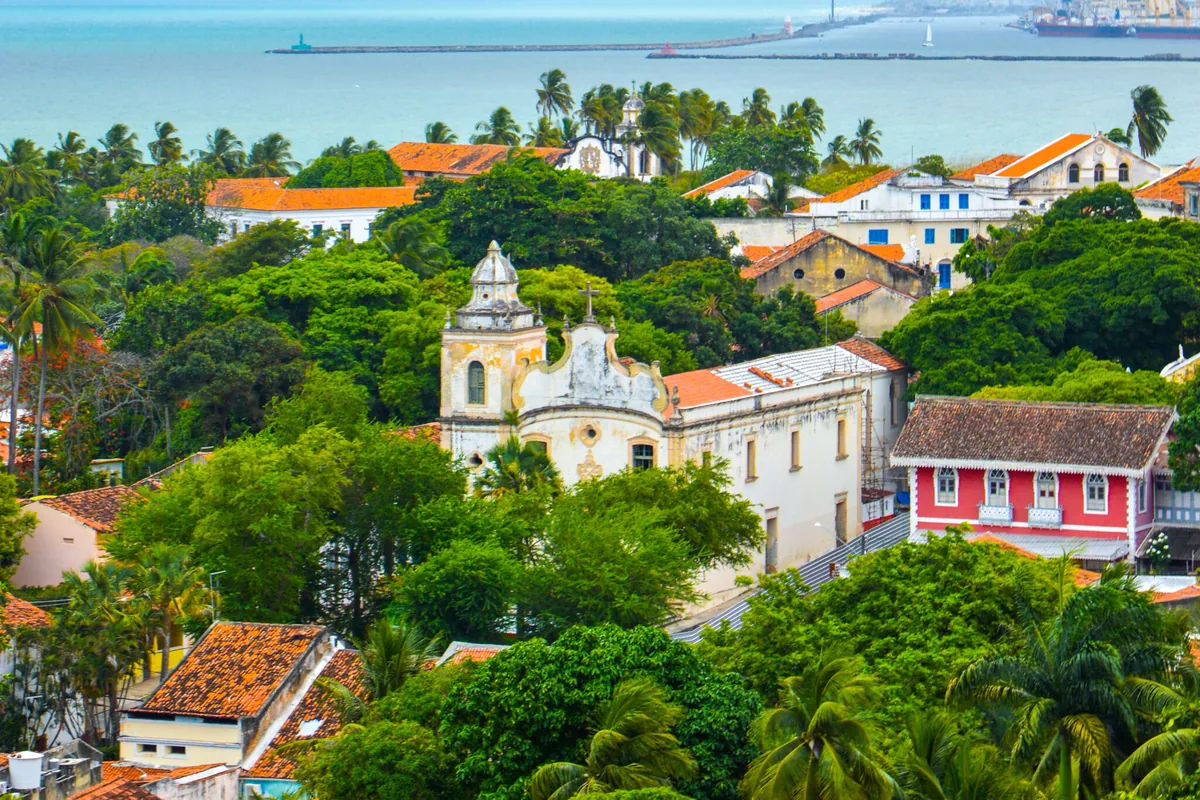
Centro Histórico de Olinda
A 16th-century Portuguese colonial town perched on hills overlooking the Atlantic; defined by its white-washed monasteries and steep; flower-choked alleys; the architecture survived the Dutch occupation of 1630; stand at the Alto da Sé at sunrise; the pre-dawn light catches the red-tiled roofs and the palms of the convent gardens while the sound of the ocean wind rattles the wooden shutters of the pastel houses.
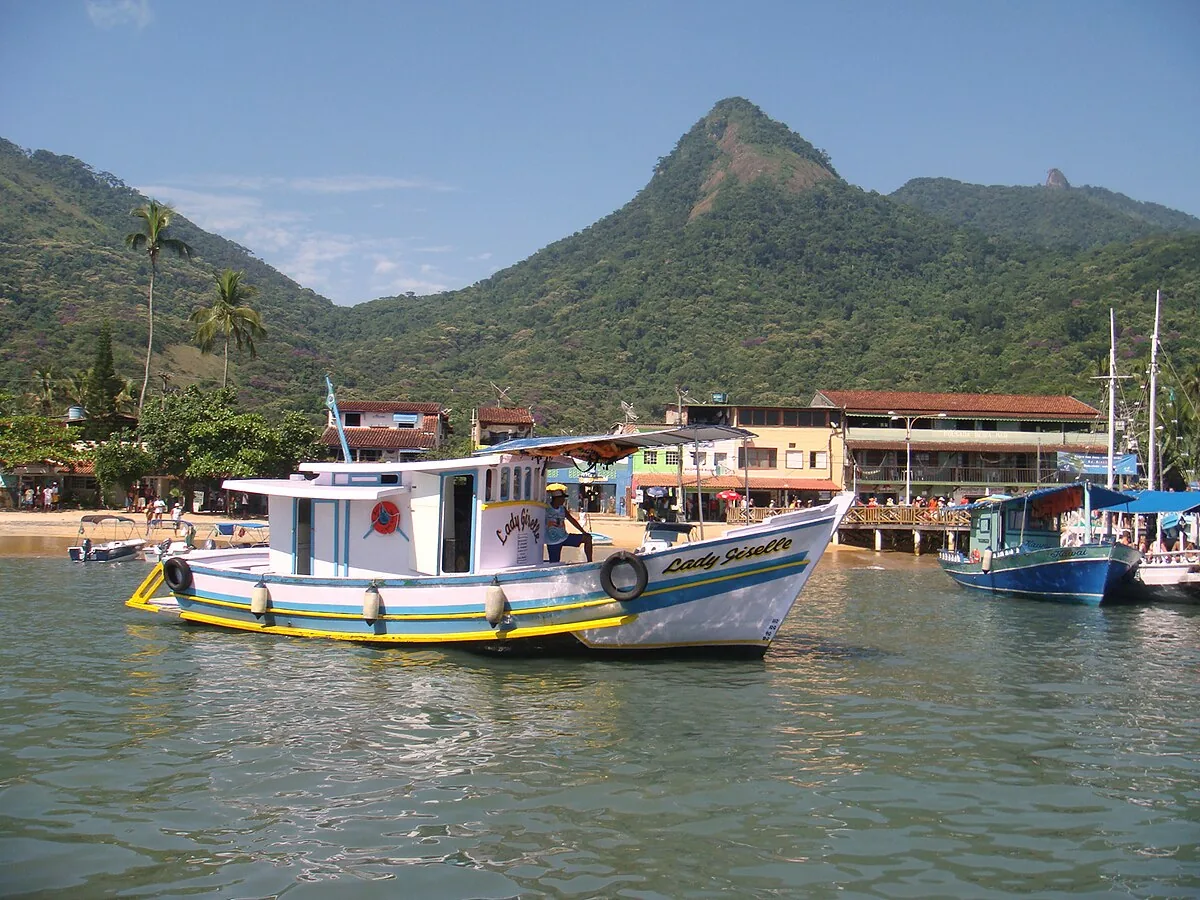
Vila do Abraão
A car-free island sanctuary where the Atlantic Forest meets crystalline bays of sun-bleached sand and moss-slicked boulders; the ruins of a 19th-century lazaretto sit engulfed by strangler figs; hike the trail to Lopes Mendes beach at 9 am; the canopy provides a dense; green shade until the forest opens into a blindingly white shoreline; the only sound is the rhythmic crash of the turquoise surf against the granite.
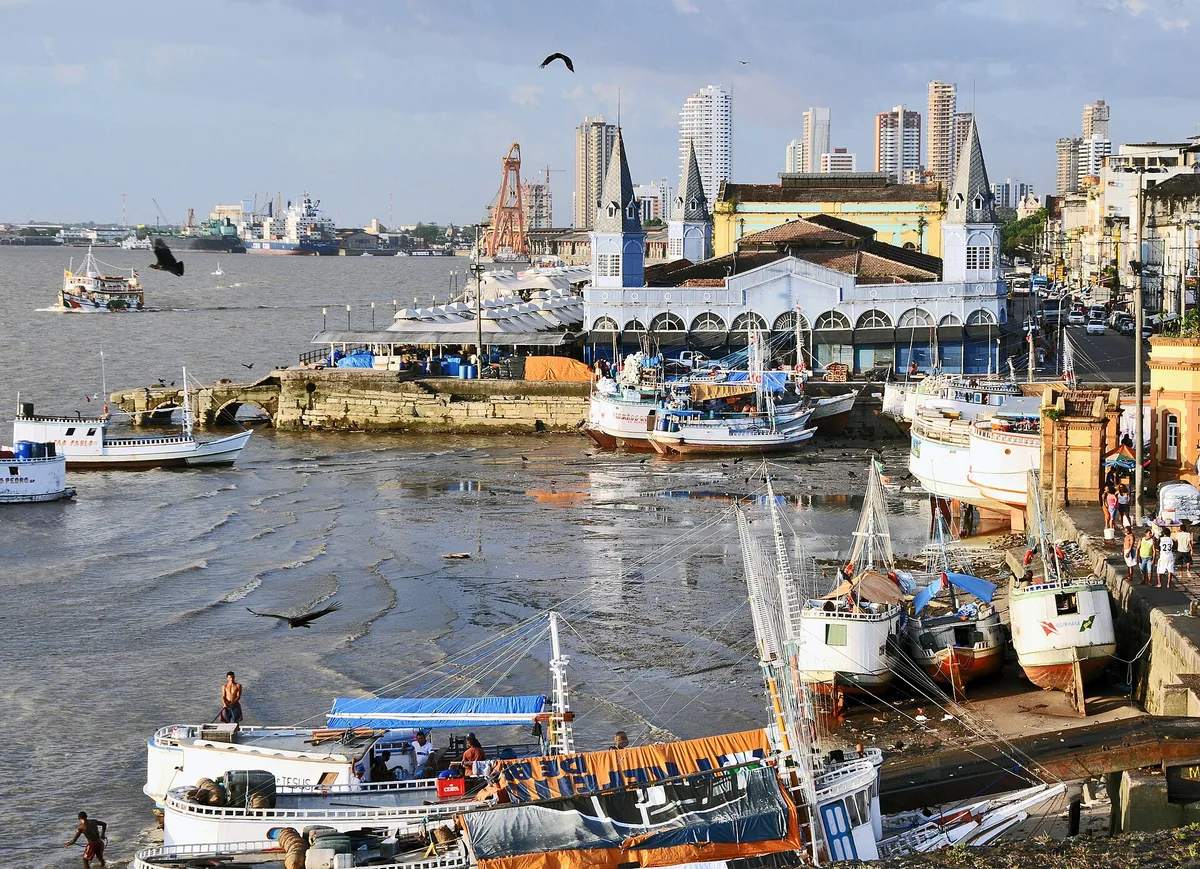
Ver-o-Peso Market
A neo-gothic iron structure imported from England in 1899; this waterfront market is the Amazon largest clearing house for medicinal herbs; açaí; and river fish; the blue-painted iron pillars stand on a pier of grey river stone; arrive at 6 am when the açaí boats dock; the air is thick with the scent of fermented fruit and mud while the traders move with a frantic; synchronized energy.
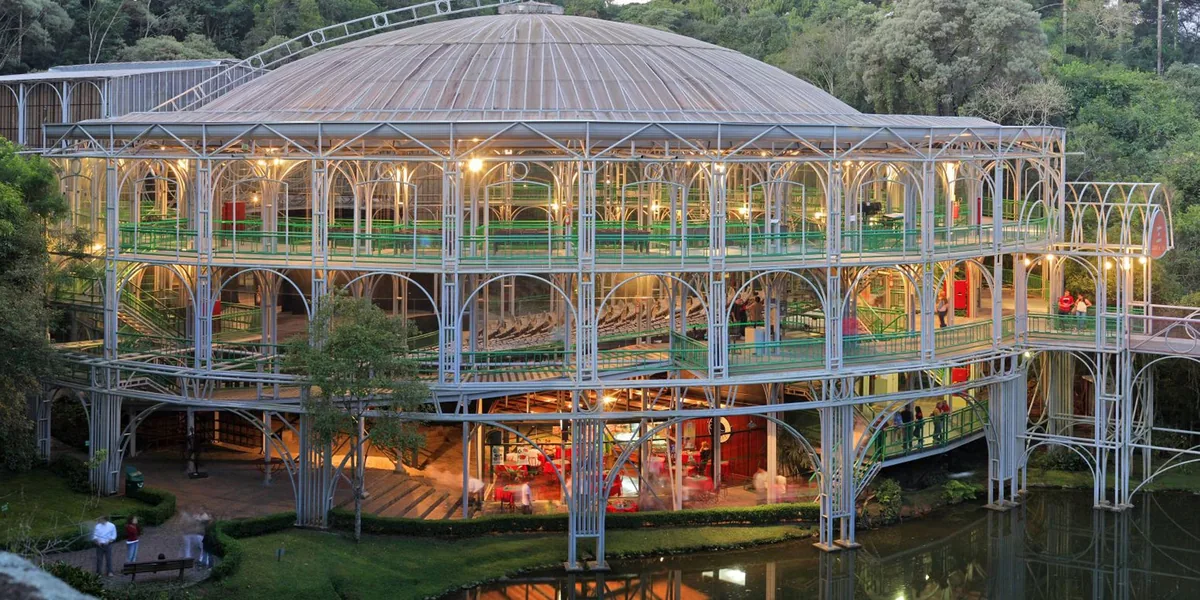
Opera de Arame
A 1992 circular theatre constructed entirely of steel tubes and transparent polycarbonate sheets; set in the middle of a flooded former granite quarry; the structure is reached via a bridge over a man-made waterfall; enter the auditorium at dusk; the interior is flooded with a cold; blue artificial light that makes the steel frame appear like an intricate web; the acoustics of the surrounding rock walls are unnervingly sharp.
Catedral Metropolitana
Twenty thousand people can stand inside this concrete volcano of a church, yet the only thing that dominates the room is a four-way waterfall of kaleidoscopic light pouring from the ceiling.
Igreja de São Francisco de Assis
A sculptor who could no longer hold a chisel with his fingers carved these soapstone angels by binding his tools to his wrists with leather straps.