Seventy-two Russian stained-glass windows illuminate a former ammunition depot that now serves as a high-domed sanctuary for half a million pounds of mortadella and every tropical fruit imaginable.
About Mercado Municipal
Ramos de Azevedo’s design was a statement of São Paulo’s ambition, intended to reflect the architectural sophistication of European capitals like Paris and London. When the 1932 revolution broke out, the unfinished market became a strategic military hub, its thick walls providing a perfect shield for rebel munitions. Following the conflict, the building was scrubbed of its martial past and inaugurated in January 1933, quickly becoming the primary distribution point for the city’s fresh produce. A massive renovation in 2004 added the mezzanine level, transforming the upper tier into a gallery of restaurants that saved the market from commercial obsolescence. Today, it remains a protected landmark, maintaining its original purpose while evolving into a global culinary destination that bridges the gap between traditional trade and modern tourism.
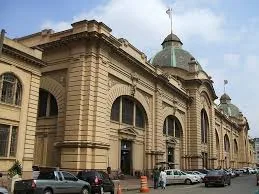
Sunlight streams through seventy-two stained-glass panels, illuminating a cathedral of commerce where the air is thick with the scent of fermented mortadella and sun-ripened pitaya. This massive Belle Époque structure, affectionately known as the 'Mercadão,' serves as the culinary heart of São Paulo, anchoring the chaotic pulse of the Centro district. Beneath high vaulted ceilings and neoclassical columns, three hundred stalls form a labyrinth of sensory overload. Thousands of people navigate the narrow aisles every hour, weaving past towers of imported spices and crates of fish packed in Atlantic ice. It represents a rare moment where the city's architectural grandeur meets its raw, working-class energy in a celebration of the palate.
Architect Francisco Ramos de Azevedo designed this limestone giant to replace a smaller, less sanitary market, intending to provide the burgeoning coffee metropolis with a temple of hygiene and modernity. Construction spanned nearly a decade, interrupted by the Constitutionalist Revolution of 1932 when the building served as a makeshift barracks and ammunition depot for the soldiers. When it finally opened in 1933, the interior was decorated with vibrant glasswork by the Russian master Conrado Sorgenicht Filho, the same artist who adorned the city's cathedral. These windows depict the daily toil of agricultural life, from cattle ranching to the coffee harvest, rooting the market in the very soil that funded its creation. Over the decades, it survived several threats of demolition, eventually being saved by a dedicated campaign of paulistanos who recognized that the city's soul lived within these thick stone walls.
The roar of the crowd hits you first, a melodic chaos of vendors barking out prices and the rhythmic clink of porcelain on the mezzanine floor. You notice the vibrant colors of the fruit stalls, where pyramids of dragon fruit, cashew apples, and mangosteens are meticulously arranged like precious gems. Tasting is part of the ritual here; a vendor will often offer a slice of a fruit you cannot name, its juice cool and sweet against the humid heat of the market floor. The texture of the place is felt in the smooth marble counters and the rough, wooden crates that have been dragged across the floor since dawn.
Climbing to the mezzanine reveals a different perspective, allowing you to watch the hive-like movement of the stalls from above. Most people come for the legendary mortadella sandwich, a mountain of thinly sliced meat that has become a rite of passage for any visitor to the city. You feel the history in the cool air trapped within the high granite arches, a stark contrast to the smoggy congestion of the Rua Cantareira just outside. The moment that stays with you is usually the quiet exit into the blinding São Paulo sun, carrying the lingering smell of aged cheese and fresh herbs as a sensory souvenir.
Navigating to the market involves diving into the dense sprawl of the Sé district, best reached via the Blue Line of the Metro to the São Bento station. From there, a short walk down the bustling Rua Porto Geral leads you toward the Tamanduateí River where the market sits. Walking through the surrounding streets provides a gritty, unvarnished look at the city’s commercial engine, but the market’s dome quickly rises as a landmark of order. Taxis and ride-shares are efficient, though traffic in the Centro can turn a ten-minute trip into an hour-long ordeal during the afternoon rush.
The Experience
A constant, low-frequency hum vibrates through the soles of your shoes, a combination of thousands of conversations and the steady movement of heavy carts. You notice the way the light turns amber as it filters through the dust motes and stained glass, casting long shadows of cattle and farmers across the bustling floor. The scent profile shifts every few steps—from the sharp, briny tang of the seafood section to the deep, earthy musk of the spice aisle where bags of dried chilies and peppercorns spill over their edges. You feel the squeeze of the crowd, a democratic mix of tuxedoed businessmen and local chefs all jostling for the best cut of picanha. Most visitors overlook the intricate stone carvings on the exterior facade, which feature cornucopias and agricultural motifs that mirror the glasswork inside. The true experience is found in the first bite of a hot salt-cod pastel, the steam rising into the high rafters while the life of the city pulses relentlessly around your table.
Why It Matters
The Mercadão is more than a grocery store; it is a living archive of Brazil's agricultural power and its diverse immigrant history. It matters because it preserves the Belle Époque architectural style in a city that often discards its past for the newest skyscraper. Humanly, it represents the stomach of São Paulo, where the social hierarchies of the city dissolve over a shared meal and a mutual respect for the quality of the harvest.
Why Visit
Visit because the Mercadão offers a concentration of Brazilian life that the polished malls of Jardins could never replicate. It is the only place where you can find ingredients from every biome in the country under one roof. You come for the architecture, but you stay because it is the most delicious, chaotic, and honest representation of what it means to be a paulistano.
✦ Photo Gallery
Best Season
🌤 Plan your visit for the spring months of September or October, when the market is flooded with the season's first harvest of jabuticabas and the afternoon light hits the stained glass at its most dramatic angle.
Quick Facts
Location
Brazil
Type
attraction
Insider Tips
- 1
Arrive before 10:00 AM to see the market in its most authentic state, before the heavy tourist crowds arrive for lunch.
- 2
Accept the fruit samples offered by vendors, but be prepared for a high-pressure sales pitch; a polite but firm 'não, obrigado' is expected if you don't intend to buy a full crate.
- 3
Head to the mezzanine for the mortadella sandwich at Bar do Mané, but share it with a friend; the portion size is famously excessive for a single person.
- 4
Look for theConrado Sorgenicht Filho signature on the stained-glass panels near the main entrance to confirm the hand of the master.
- 5
Avoid carrying bulky backpacks in the narrow aisles; the density of the crowd makes small cross-body bags a much more practical choice for security and movement.