“Every monsoon the Tonle Sap does something almost unique on Earth: its river reverses direction and flows backwards, swelling the lake several times its size.”
About Tonle Sap
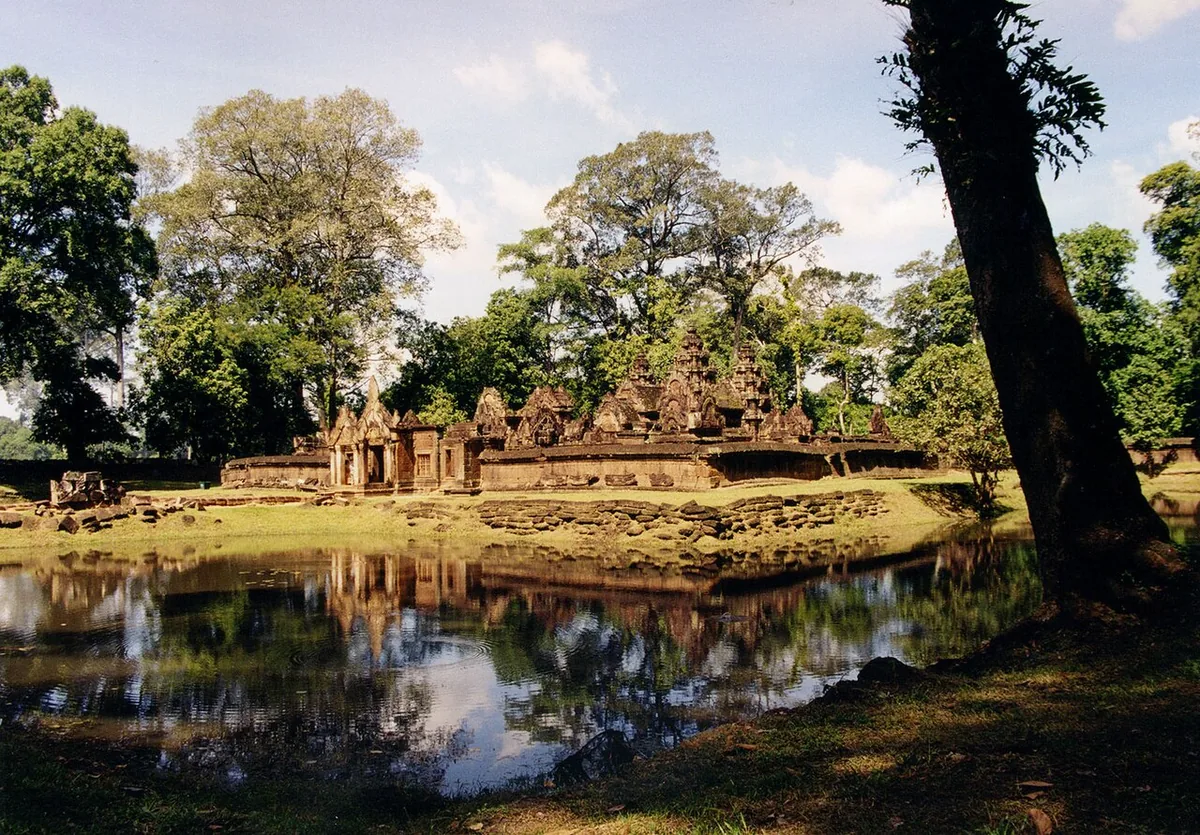
The Tonle Sap's flood pulse has shaped Cambodian life for millennia and helped feed the Khmer Empire that built Angkor nearby. The annual reversal, driven by the rising Mekong, drove a culture of floating and stilted villages and a fishery that still provides much of the country's protein. The lake and its flooded forests are a UNESCO biosphere reserve.
Tonle Sap is the largest freshwater lake in Southeast Asia and does something almost no other river system does: each monsoon, the swollen Mekong forces the Tonle Sap River to reverse its direction and flow backwards into the lake, swelling it several times over and flooding the surrounding forest. As the dry season returns, the flow reverses again and the lake shrinks.
As the dry season returns, the flow reverses again and the lake shrinks.
Life on the Water
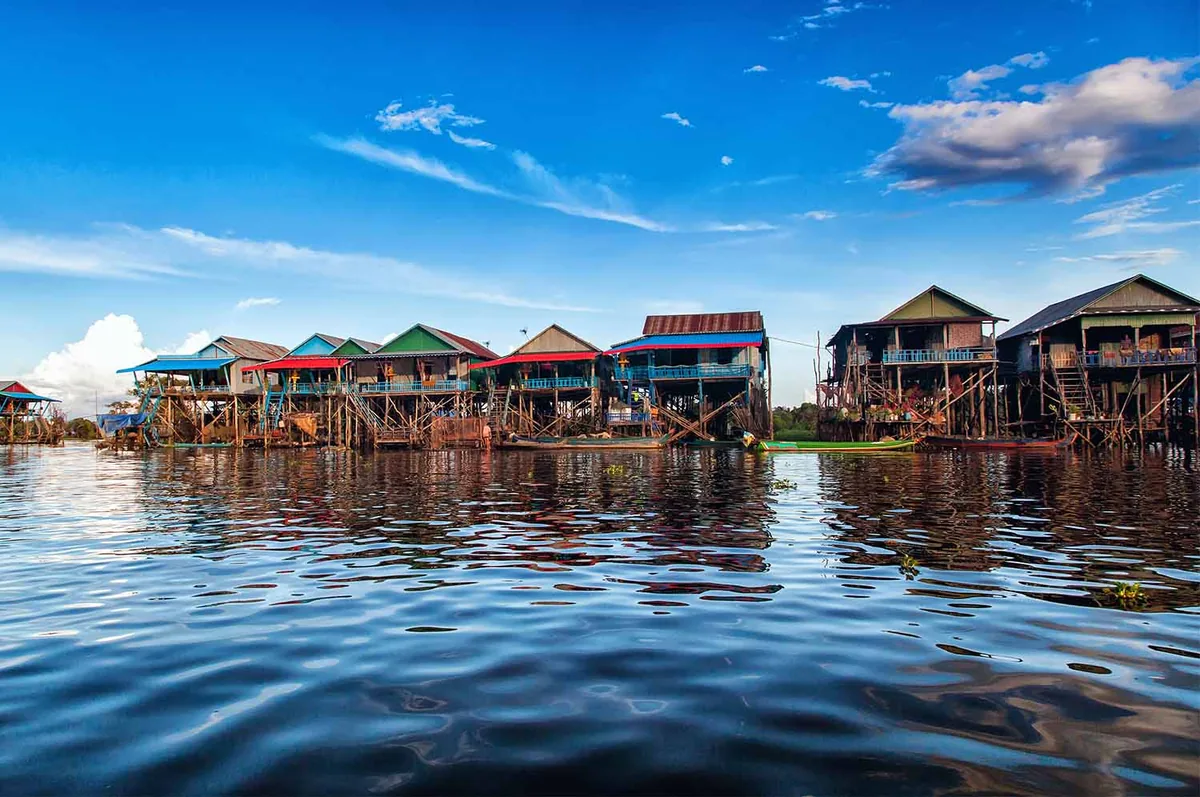
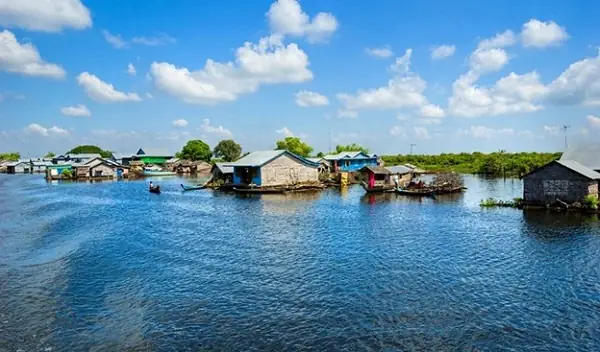
This pulse supports one of the most productive inland fisheries on Earth and a way of life built on the water: floating villages, stilt houses standing high above the dry-season mud, and communities that move with the lake. Boat trips from near Siem Reap visit villages such as Kampong Phluk.
The Experience
A boat trip takes you out among stilt houses standing on towering legs above the dry-season ground, or, in the wet season, gliding level with the doorways. You pass floating shops, schools and fish farms, and in the flooded forest you can paddle among half-submerged trees. The scale of the water and the ingenuity of life on it are the lasting impressions.
Why It Matters
Tonle Sap is a globally significant wetland and one of the world's richest inland fisheries, its rare flow reversal underpinning Cambodian food security and a distinctive floating-village culture, recognised as a UNESCO biosphere reserve.
Why Visit
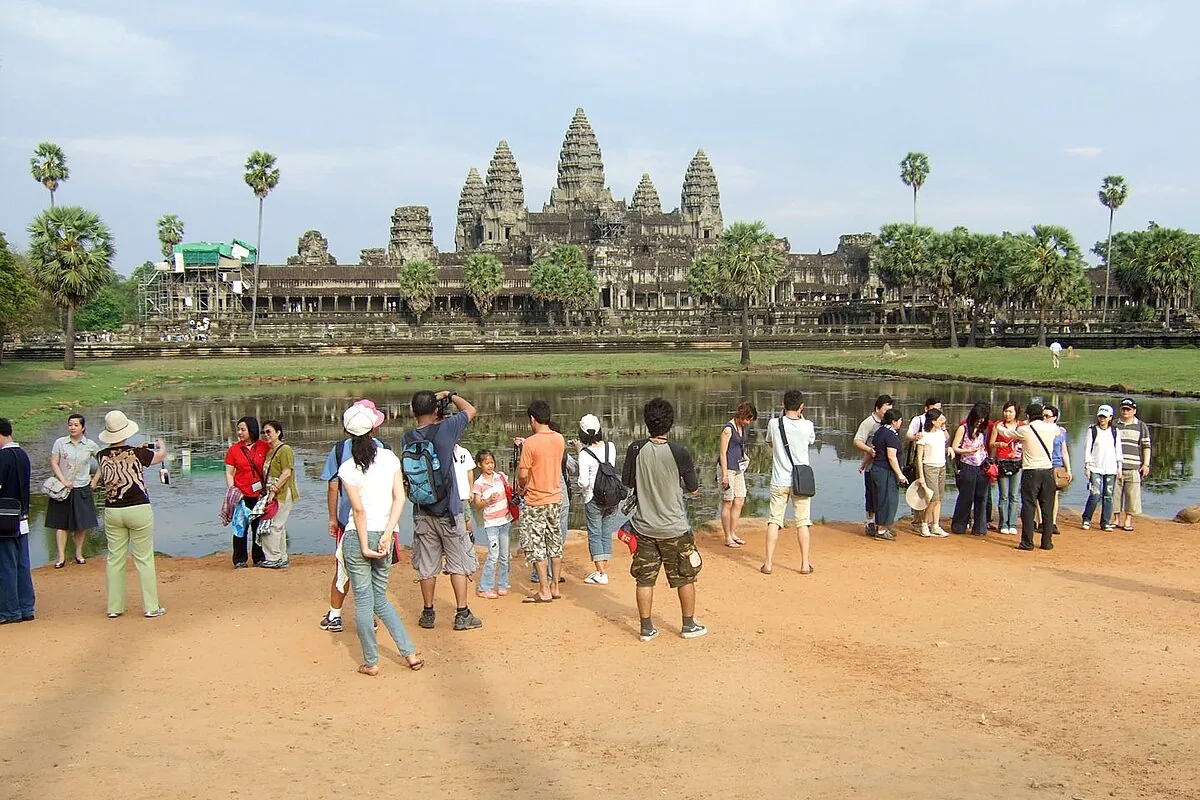
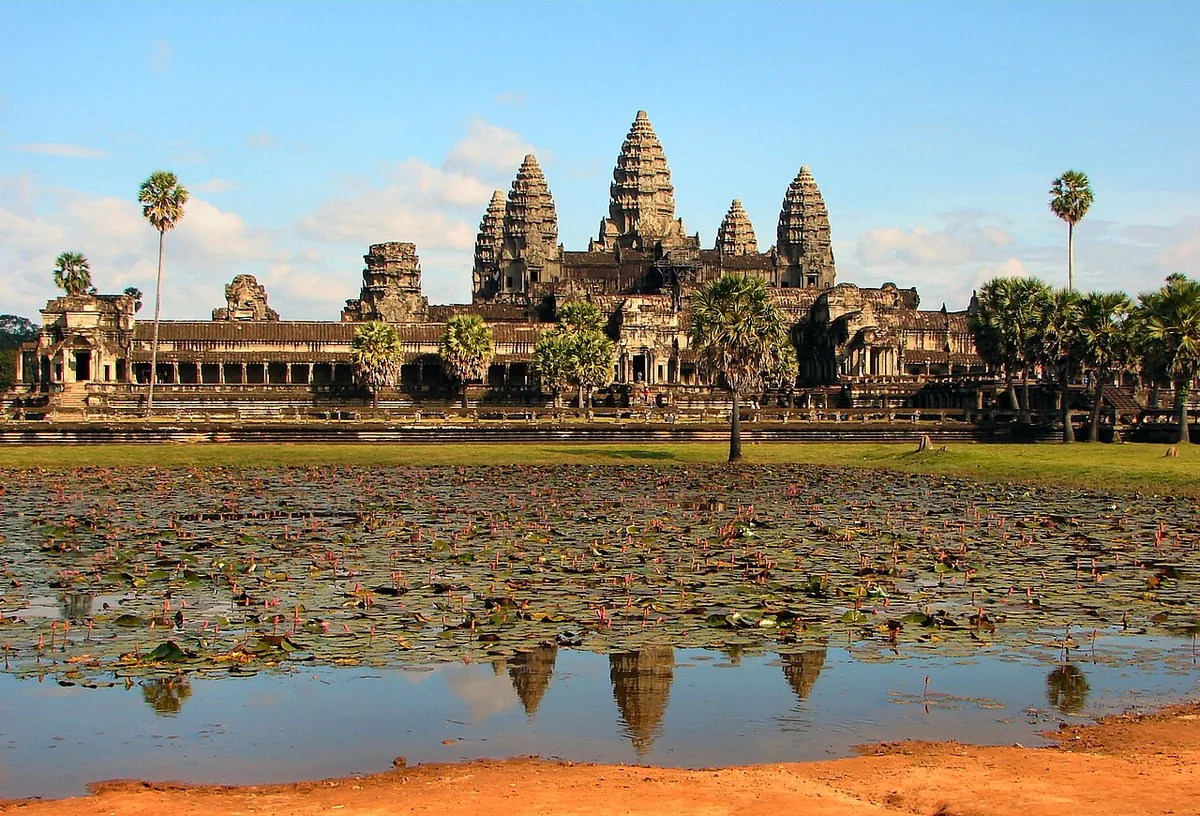
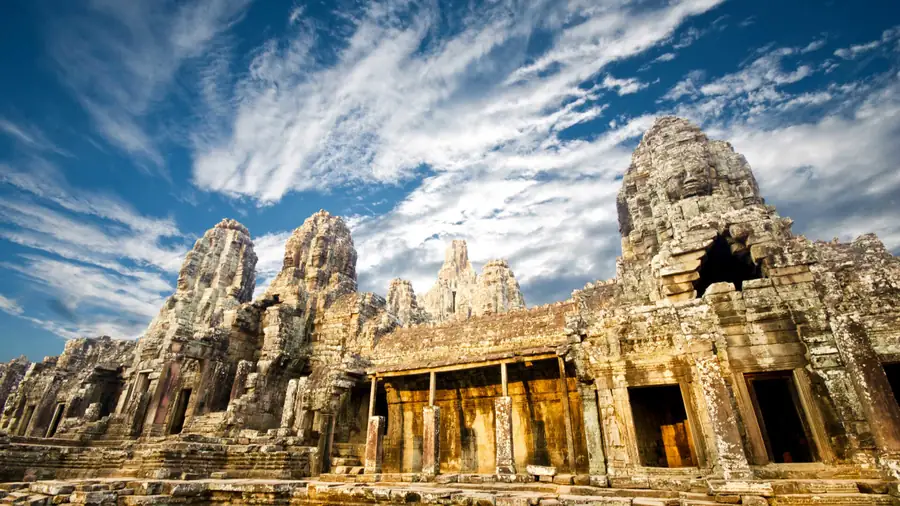
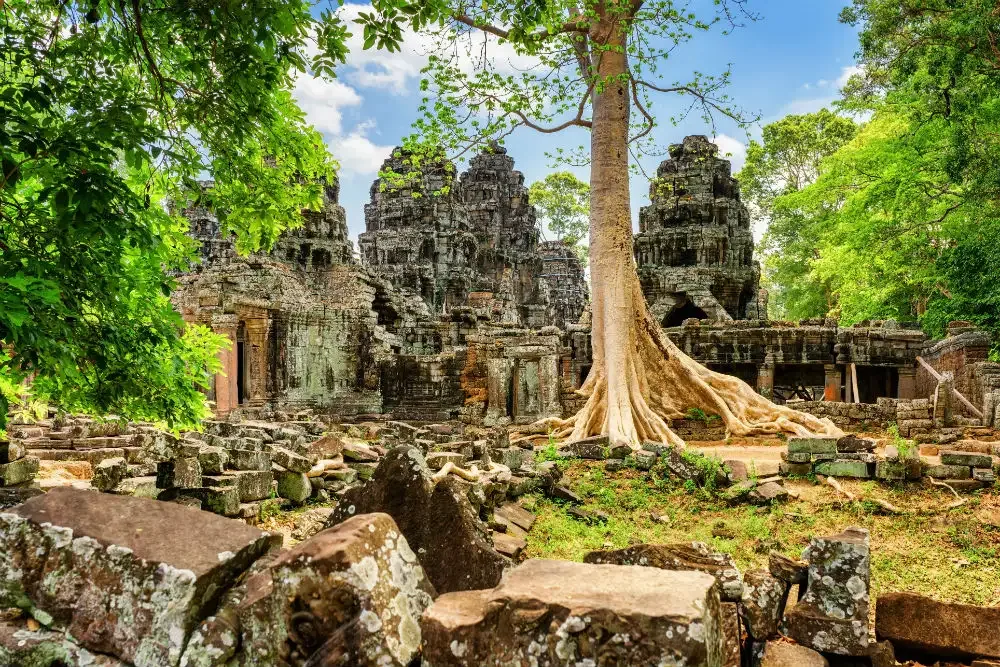
It pairs naturally with the Angkor temples and shows a living Cambodia rather than ancient stone. Choose a community-focused village like Kampong Phluk over the most touristy options, and note the water sits very differently between wet and dry seasons.
✦ Insider Tips
- 1
Visit a community village like Kampong Phluk rather than the most heavily touristed stops.
- 2
Water levels swing hugely between seasons, so confirm conditions before booking a boat.
- 3
It is close to Siem Reap, easy to combine with an Angkor itinerary.
- 4
Use a reputable operator; some boat trips overcharge and pressure visitors to buy goods.