“Barichara has been preserved since 1714 not by a museum program but by sandstone walls a meter thick and a regional economy that never grew large enough to justify demolishing them. The result is the most coherent colonial town in Colombia.”
About Barichara
Founded 1714 around a Marian apparition site. Designated Colombian National Monument in 1978. The local sandstone building tradition, reinforced by preservation rules, has maintained the town's colonial built fabric more completely than any other Colombian colonial settlement.
What Barichara is
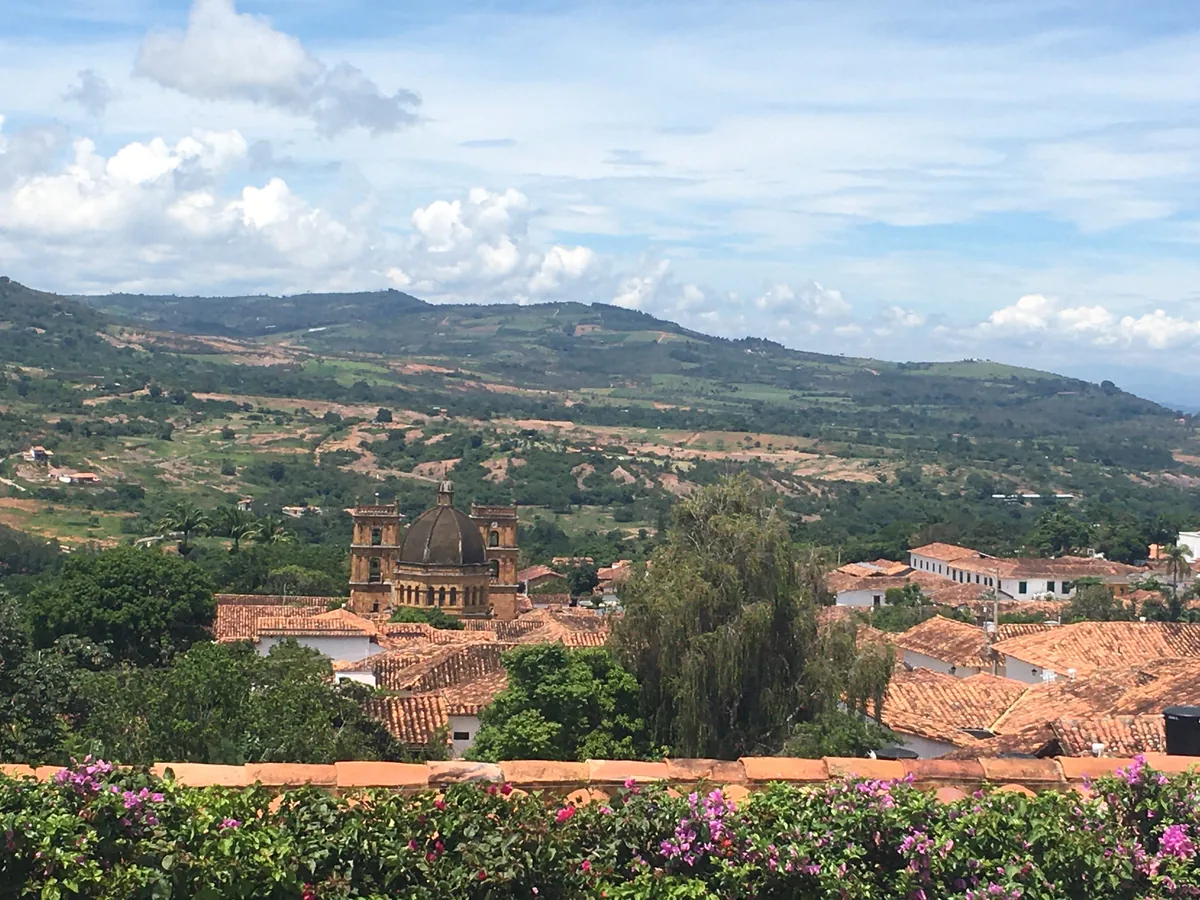
Barichara is a colonial hilltop town in Santander Department whose white-washed stone buildings, cobblestone streets, and sandstone church facades have survived largely intact since its founding in 1714. The Colombian government designated it a National Monument in 1978, and the coherence of its colonial built fabric, enhanced by strict preservation rules governing new construction, makes it the best-preserved colonial town in Colombia.
Background
Barichara was founded in 1714 around a reported apparition of the Virgin of the Immaculate Conception, and the church built to house the image remains the central structure of the main plaza. The town developed as a minor colonial center in the tobacco-growing region of Santander, which gave it enough wealth to build in stone but not enough to attract the development pressures that modified larger towns. The earthquake resistance of the local sandstone construction, walls up to a meter thick, and the absence of industrial growth after the colonial period left the building stock intact. The sandstone used in the construction has a specific warm ochre color that changes throughout the day as the sun angle shifts, which gives Barichara a visual quality that photographs register but do not fully capture.
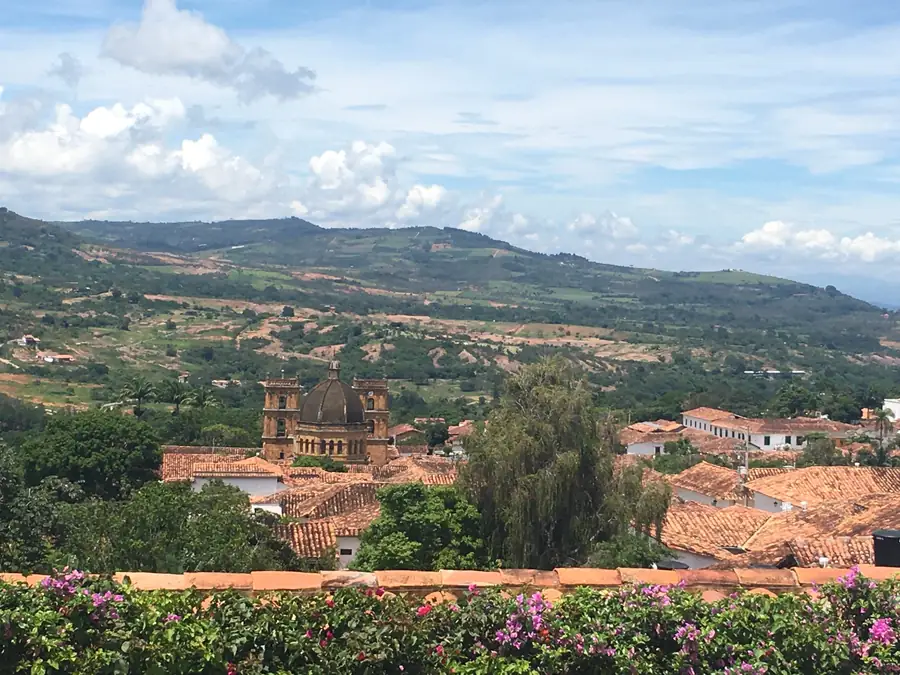
The town is small enough to walk entirely in an hour, but the Camino Real, a pre-Columbian and colonial stone road that descends 900 meters through canyon and scrub forest to the village of Guane over 9 kilometers, is the experience that extends the visit beyond the town itself. The walk takes 2.5 to 3 hours and passes through a landscape of cacti, agave, and canyon walls above the Chicamocha gorge. Guane has a small paleontology museum and a colonial church worth the final few kilometers.
Barichara is 20 kilometers from the city of San Gil in Santander, accessible by colectivo taxi (30 minutes). San Gil is connected to Bogotá by bus (5–6 hours). The town's central accommodations fill on weekends; book ahead.
Barichara is 20 kilometers from the city of San Gil in Santander, accessible by colectivo taxi (30 minutes).
The Experience
A walkable colonial town in warm ochre sandstone, plus the 9-kilometer Camino Real descent through Chicamocha canyon landscape to the village of Guane, a 2.5-hour walk through cacti, canyon walls, and pre-Columbian road engineering.
Why It Matters
Barichara is the benchmark of Colombian colonial town preservation, the standard against which other towns are measured, and the clearest surviving example of the provincial Santander colonial building tradition.
Why Visit
The combination of town coherence and the Camino Real walk gives Barichara both an architectural and a physical dimension. Few Colombian destinations of this scale reward two full days as genuinely as this one.
✦ Insider Tips
- 1
Walk the Camino Real to Guane in the morning and return by colectivo, the walk is downhill and the canyon light is best in the early hours.
- 2
Stay at least one night, the town empties of day visitors by evening and the streets in the late afternoon light are the best version of Barichara.
- 3
The cemetery on the town's western edge has unusual above-ground niches in the same sandstone as the buildings, worth fifteen minutes.