All landmarks and tourist attractions in Colombia
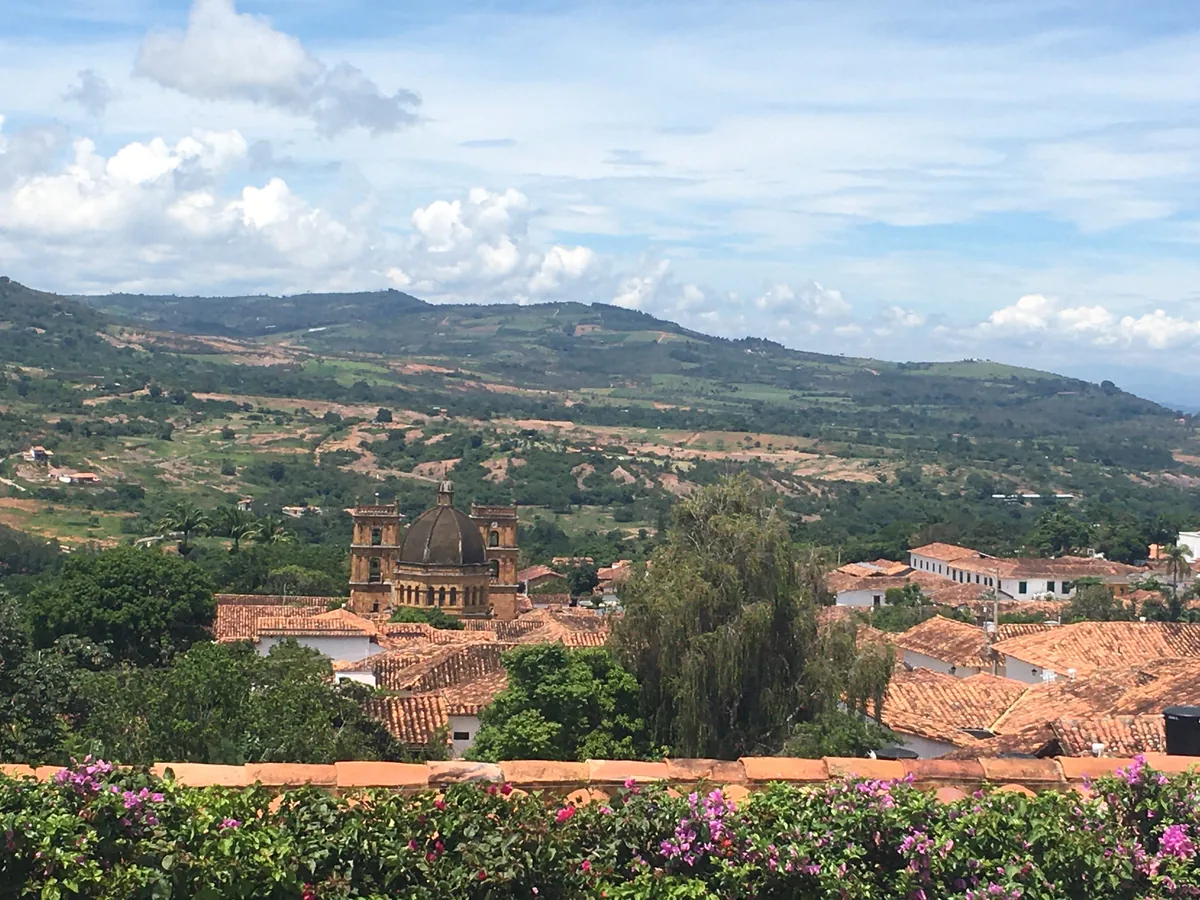
Barichara
Barichara has been preserved since 1714 not by a museum program but by sandstone walls a meter thick and a regional economy that never grew large enough to justify demolishing them. The result is the
Explore →
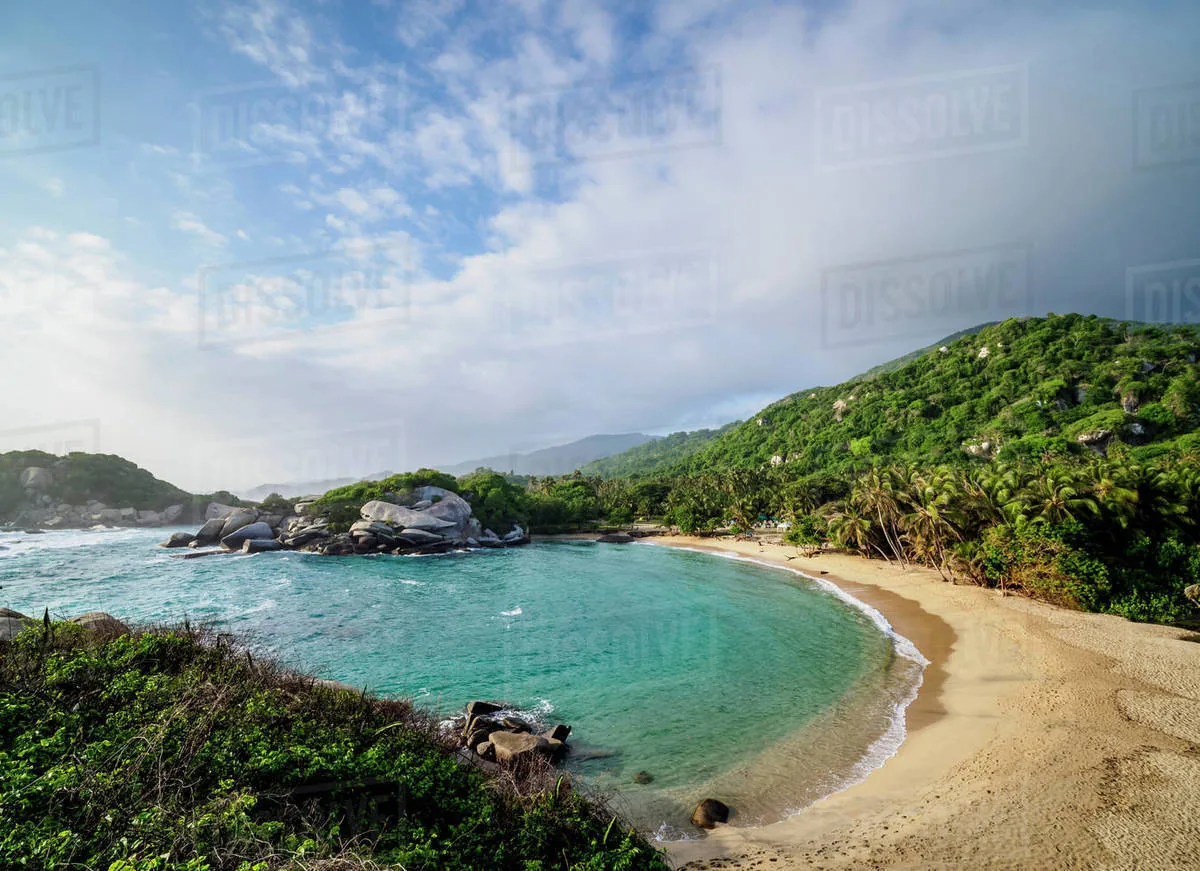
Cabo San Juan
At the end of a jungle trek in Tayrona, two beaches meet a rocky cape where hammocks hang between palms above the Caribbean and the Sierra Nevada rises behind the forest. The approach is half the expe
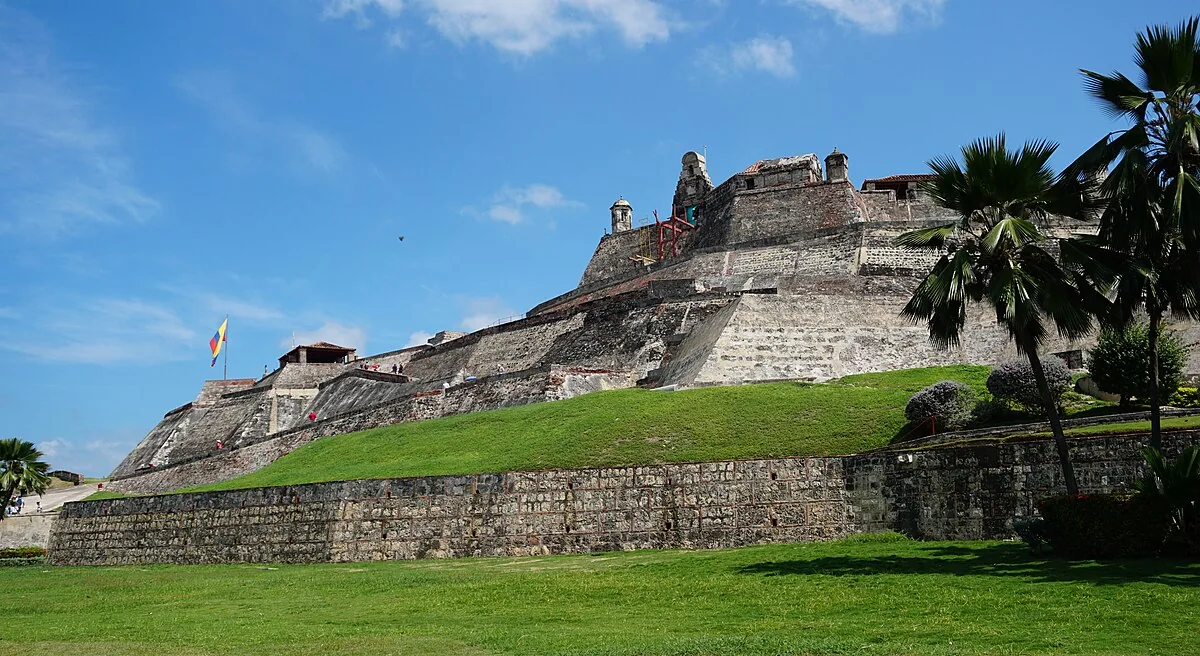
Castillo San Felipe
The British admiral who besieged this castle in 1741 had commemorative medals minted in London before the battle ended. He had 186 ships and 23,000 men. The one-eyed, one-armed, one-legged Spanish com
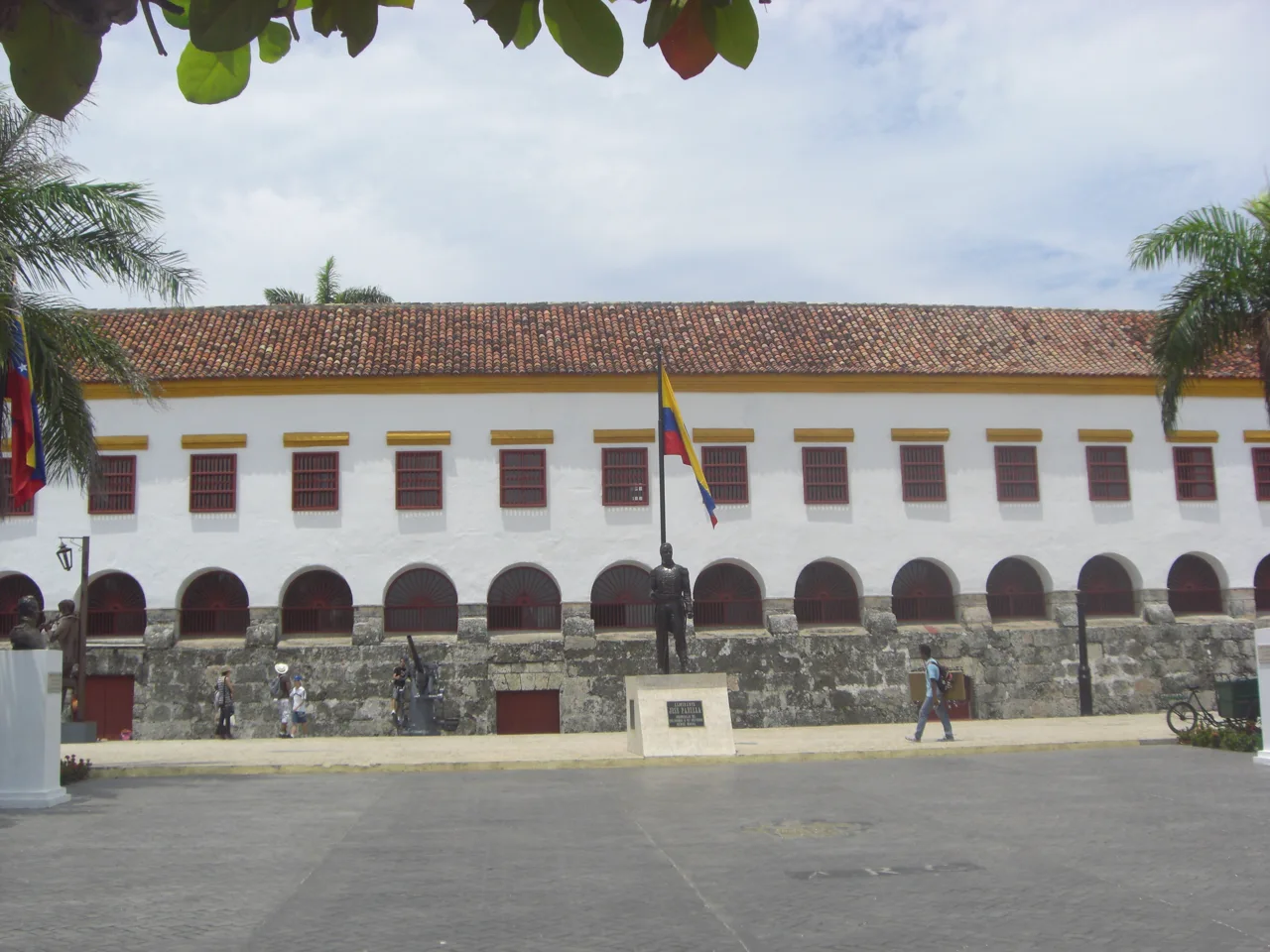
Old Town Cartagena
Cartagena's colonial walls are up to 17 meters thick and took 210 years to complete. They were built because Drake, French pirates, and British admirals kept arriving to take the city's gold. The wall
Salt Cathedral Zipaquira
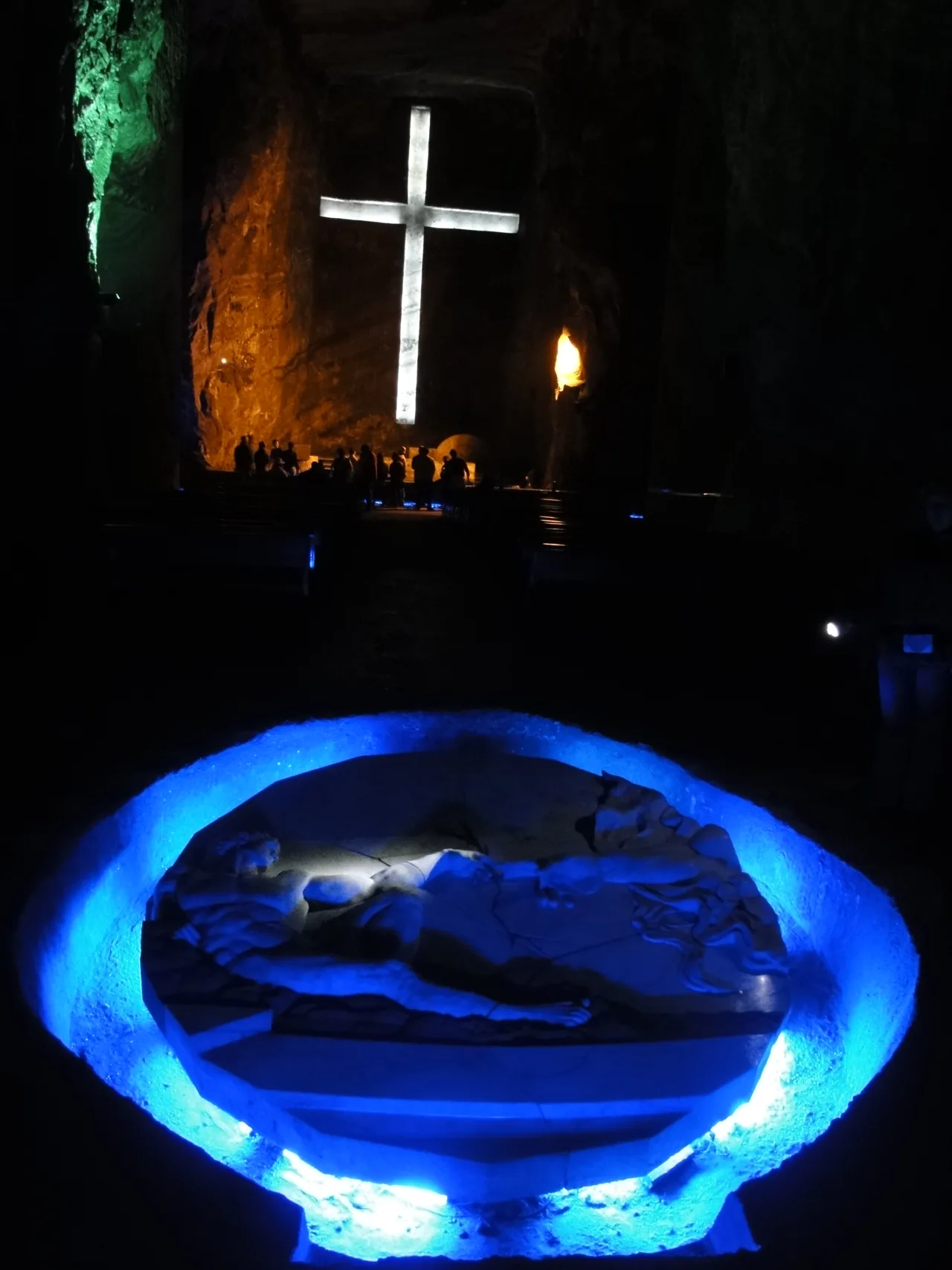
A working salt mine 200 meters underground contains a cathedral that holds 10,000 people, carved from the same halite salt that miners have been extracting here since before the Spanish arrived.
Santuario Las Lajas
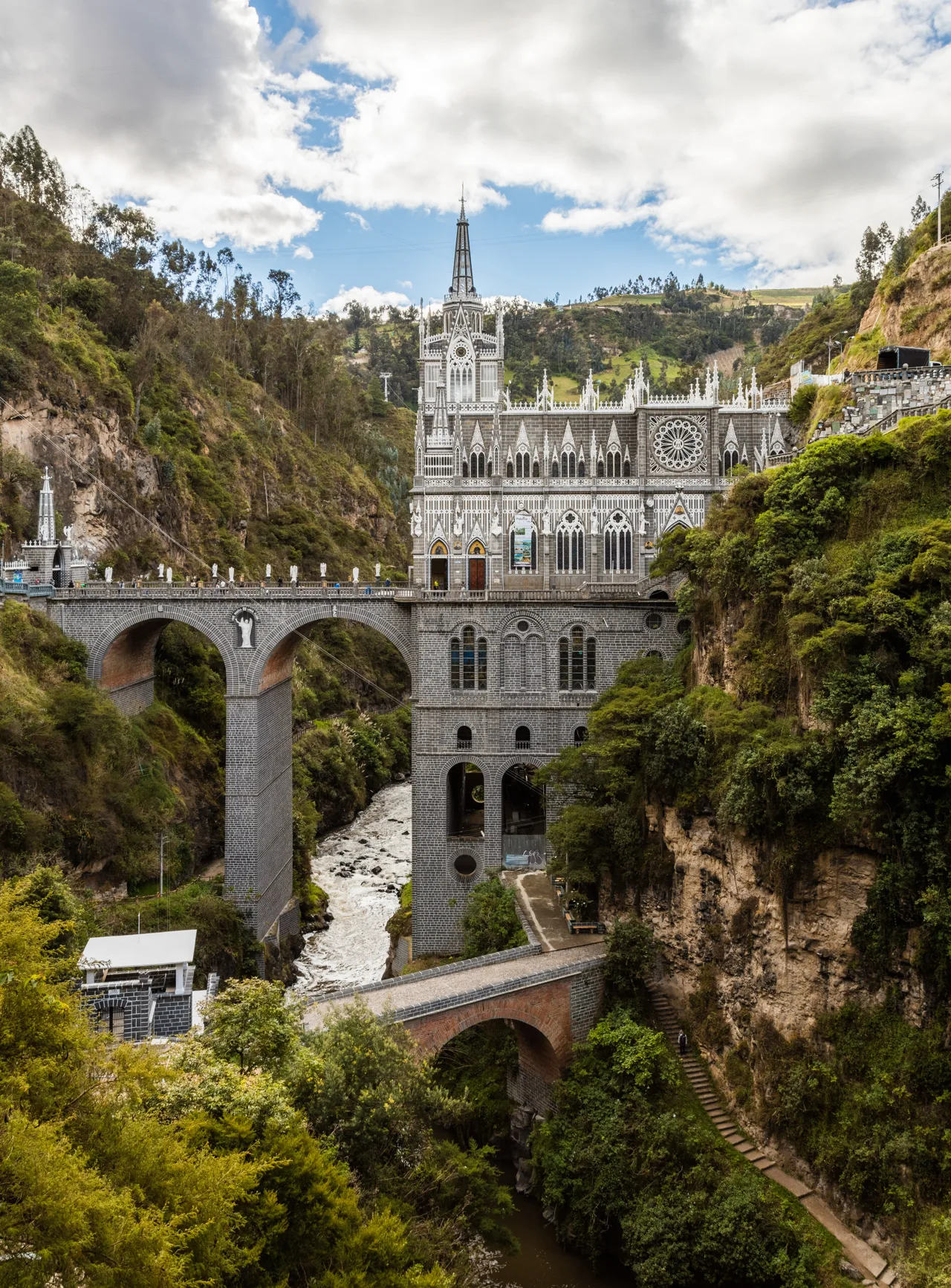
A neo-Gothic basilica built across a canyon 100 meters above a river, anchored into the rock face where a deaf-mute girl reportedly spoke for the first time in 1754 after seeing the Virgin Mary in the
Tierradentro Archaeological Park
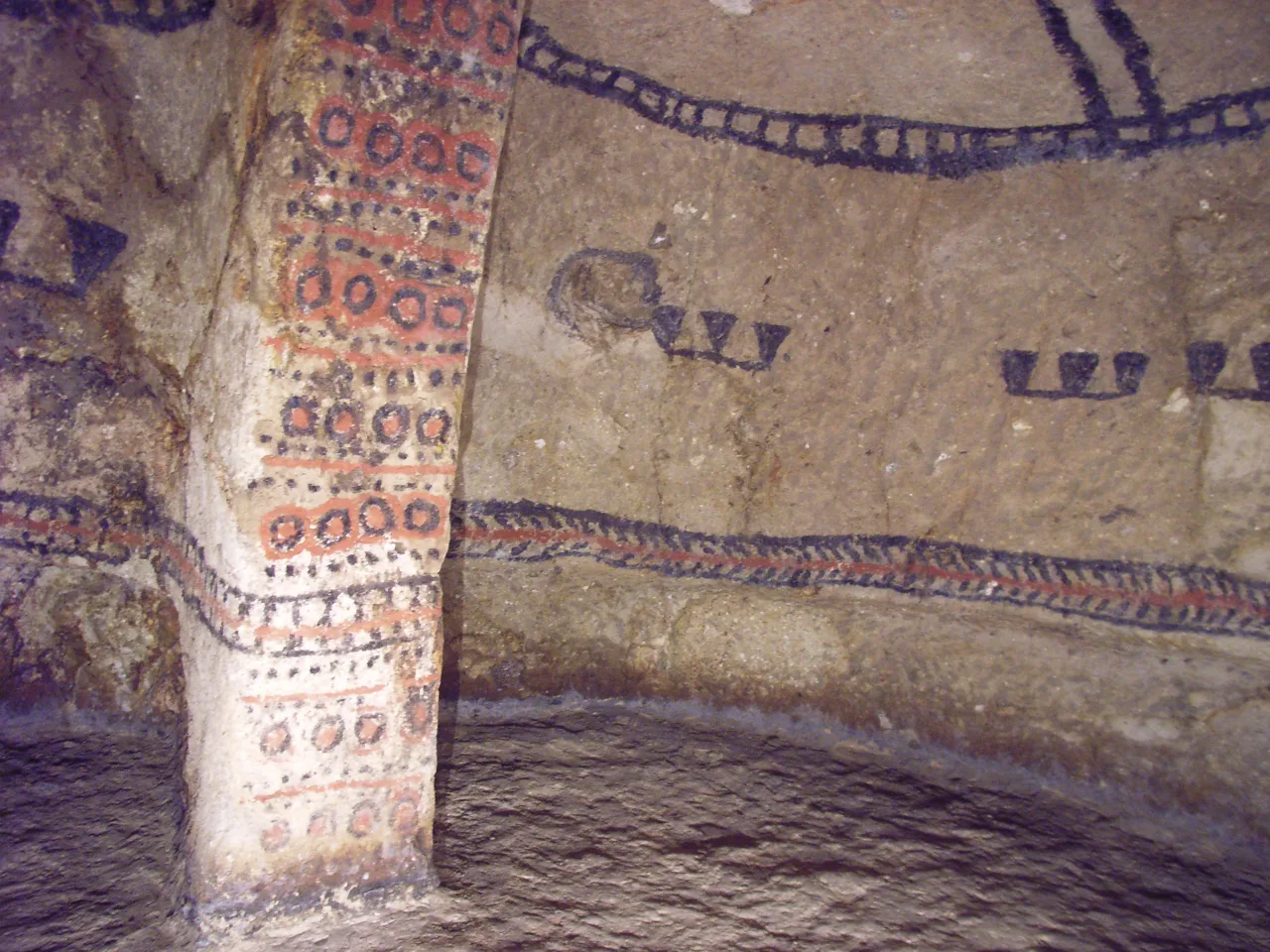
A pre-Columbian culture nobody can name carved hundreds of painted underground tombs into Andean hillsides between 150 and 900 CE. The painted chambers have no parallel in the pre-Columbian world. Rea
Castillo San Felipe de Barajas
A formidable 17th-century fortress of sun-bleached limestone and brick; engineered by the Spanish to be the most impregnable defensive complex in the New World; traverse the complex system of acoustic tunnels at midday; the humid sea air cools significantly within the subterranean stone galleries while the sound of the Atlantic surf bounces off the triangular ramparts.
Santuario de Las Lajas
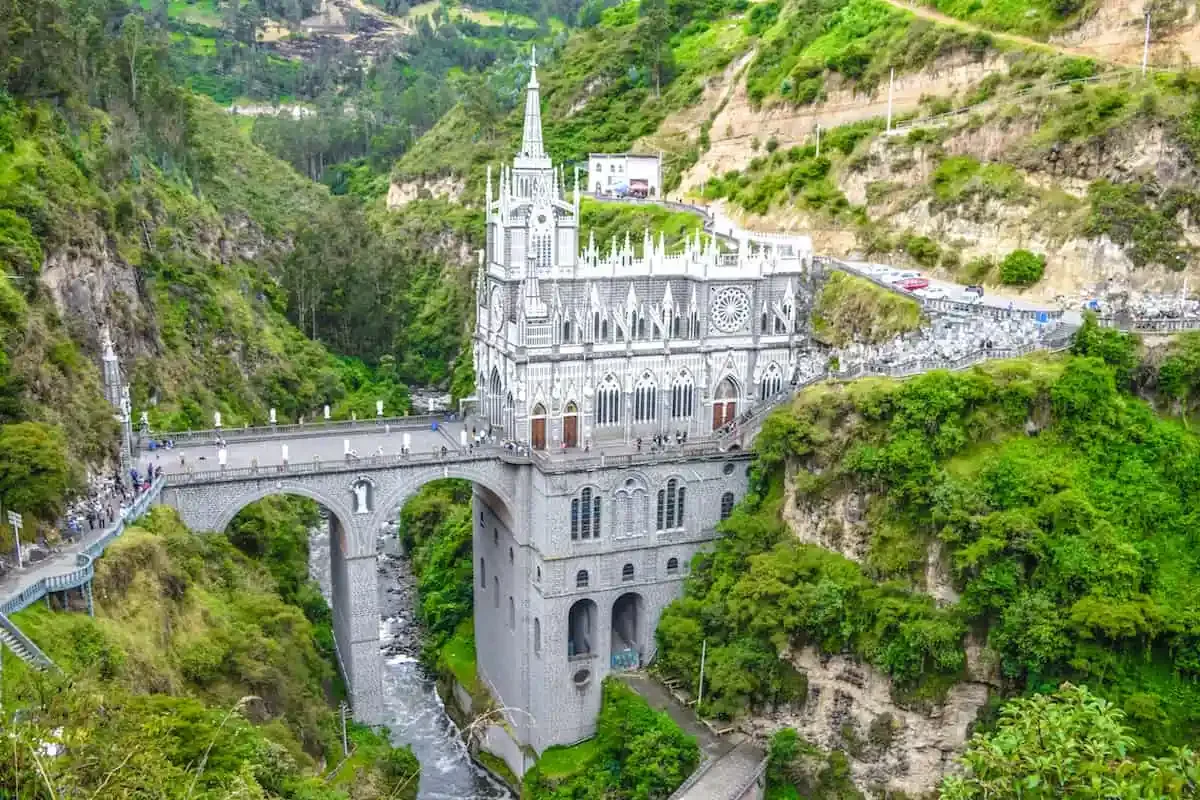
A 156-metre Neo-Gothic cathedral built directly into the sheer cliffs of the Guáitara River canyon; the bridge spans a 40-metre drop to the rushing water below; arrive for the 6 pm illumination; the grey stone facade turns incandescent against the dark Andean valley while the mist from the waterfall coats the iron railings in a fine; cold glaze.
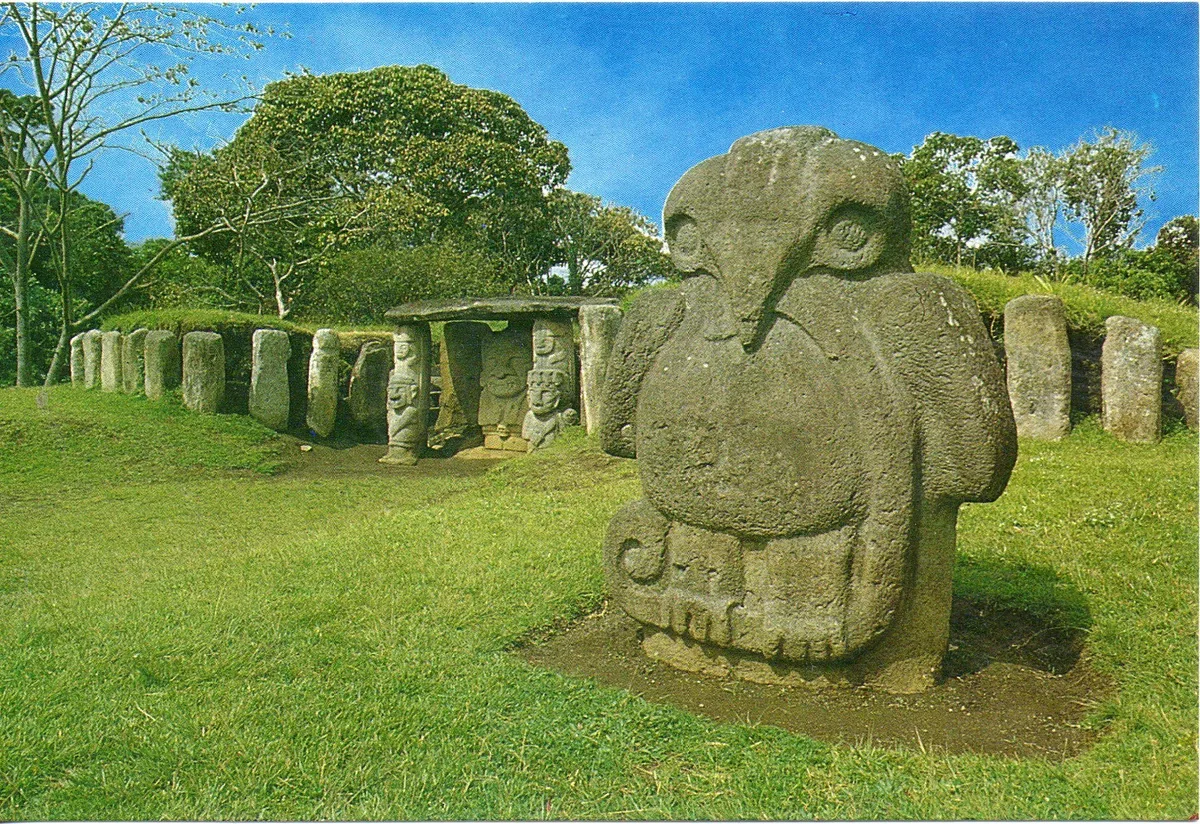
San Agustín Archaeological Park
The world largest collection of religious monuments and megalithic sculptures; hand-carved from volcanic rock between the 1st and 8th centuries; these figures stand as silent sentinels over the Alto Magdalena massifs; walk the Meseta B at dawn; the pre-dawn mountain fog clings to the stone warrior faces until the first light reveals the deep; ancient chisel marks.
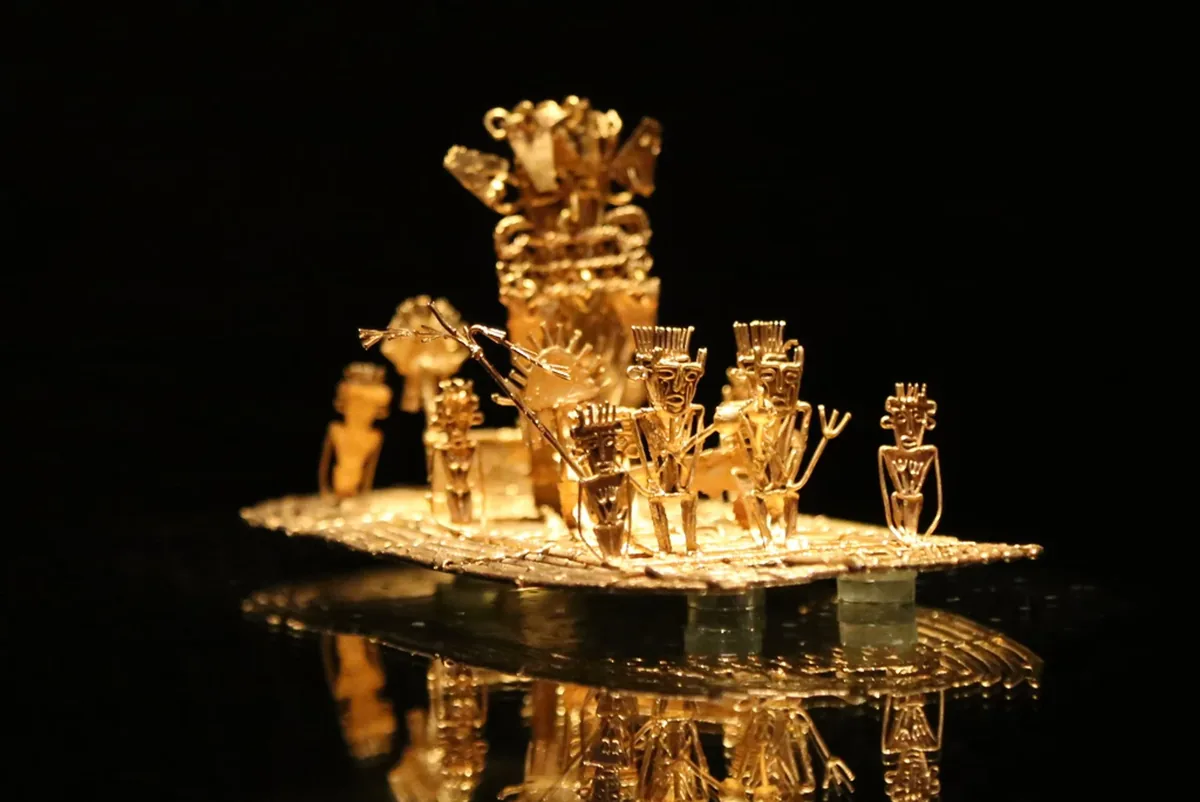
Museo del Oro
A clinical; high-security vault housing over 34;000 pieces of pre-Hispanic gold; including the intricate Muisca Raft found in 1969; the museum utilizes dramatic; directional lighting to emphasize the hammer-marks on Quimbaya pectorals; enter the Offering Room at opening; the circular gold-clad chamber creates a dizzying; 360-degree glint of sacred metal that recreates the El Dorado ritual in absolute silence.
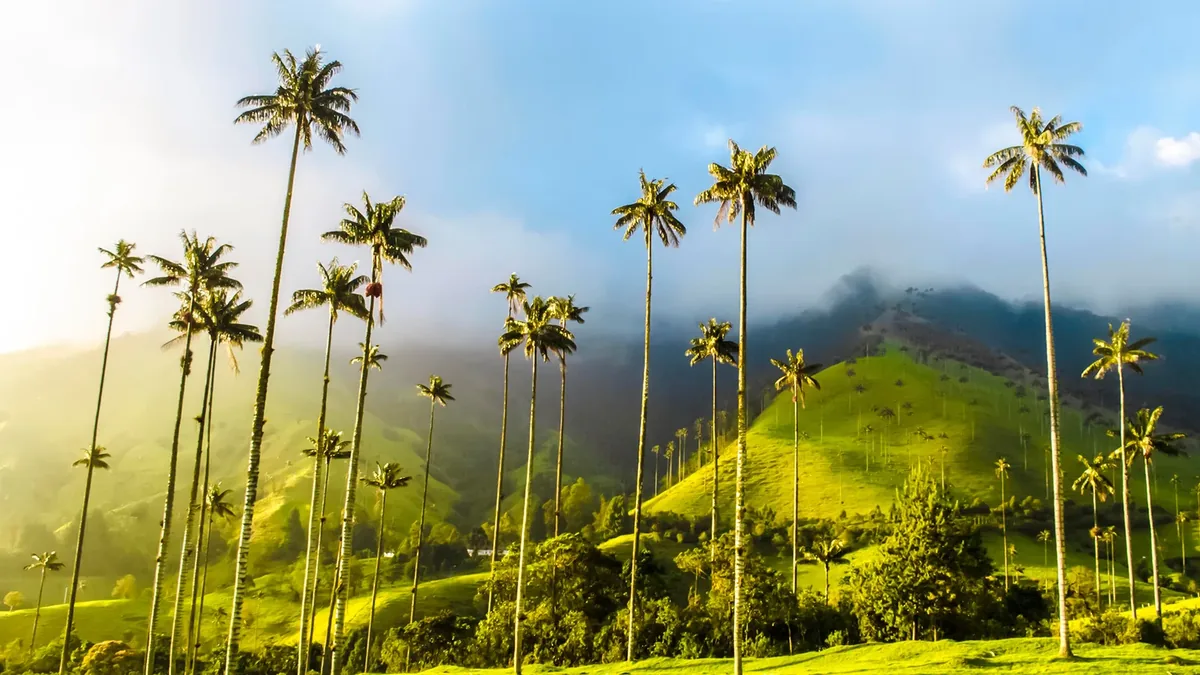
Valle de Cocora
A high-altitude cloud forest valley (2;400m) dominated by the Ceroxylon quindiuense, wax palms that reach heights of 60 metres; making them the tallest in the world; hike the upper ridge toward the finca Acaime at 7 am; the morning light pierces the moisture-heavy canopy; silhouetting the spindly palms against the moss-slicked basalt peaks of the Los Nevados range.
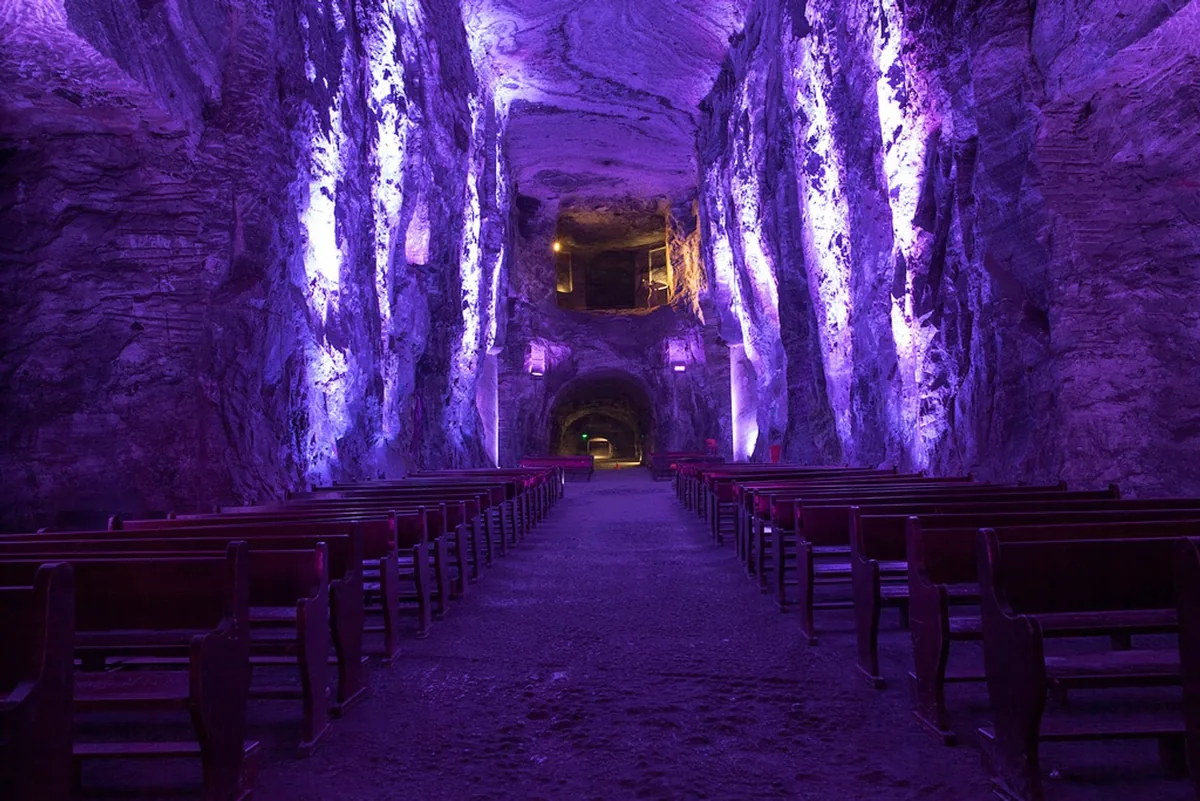
Salt Cathedral of Zipaquirá
An architectural masterpiece carved 200 metres underground within the tunnels of a 250-million-year-old salt mine; the Fourteen Stations of the Cross are hewn directly into the halite rock; stand in the central nave at midday; the cold; blue LED spotlights illuminate the cavernous space where the air is dry and carries a sharp; metallic tang of salt.
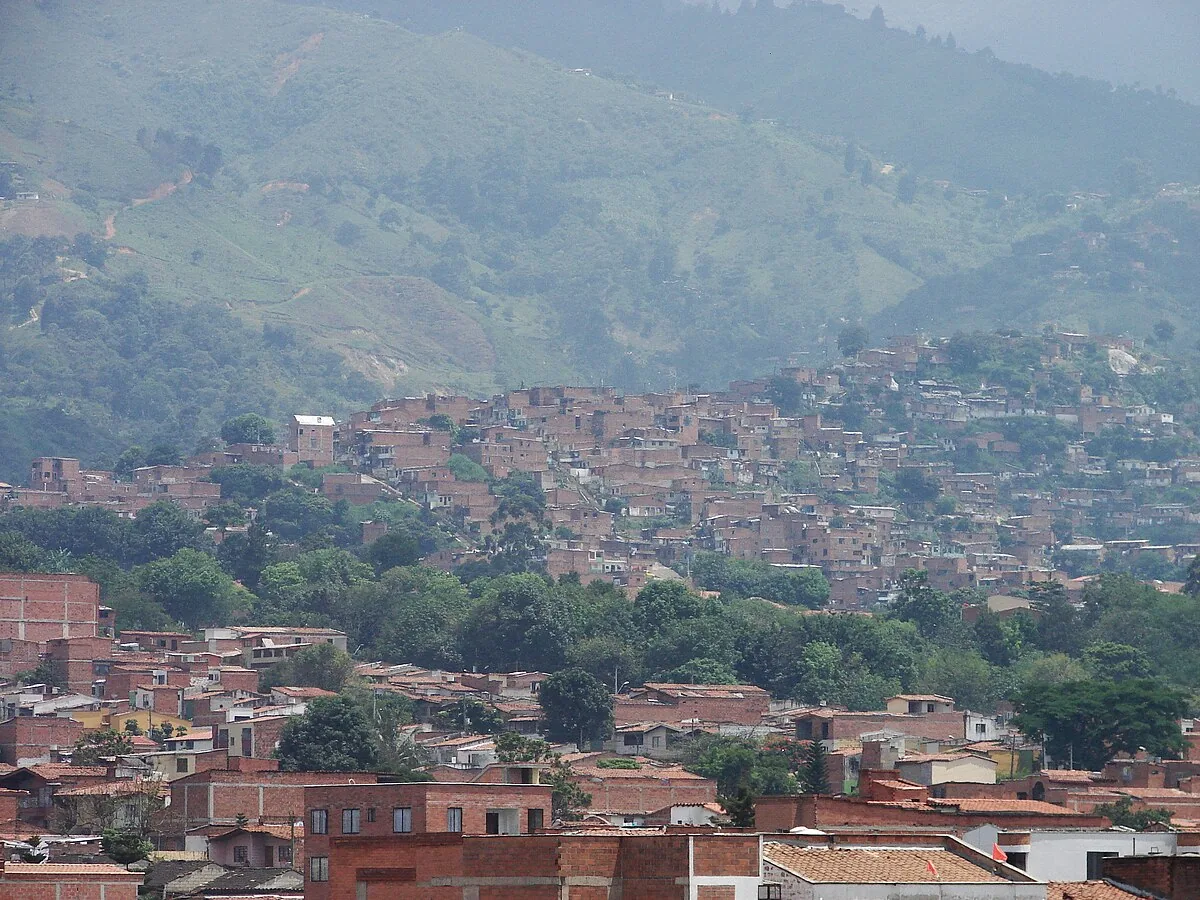
Comuna 13
An urban landscape transformed by social urbanism; featuring a 384-metre outdoor escalator system that connects the steep; brick-built hillsides once defined by conflict; the district is a canvas of saturated street art and hip-hop culture; visit at dusk; the city lights below begin to twinkle while the sound of rhythmic freestyle rap battles and the smell of frying empanadas fills the narrow alleys.
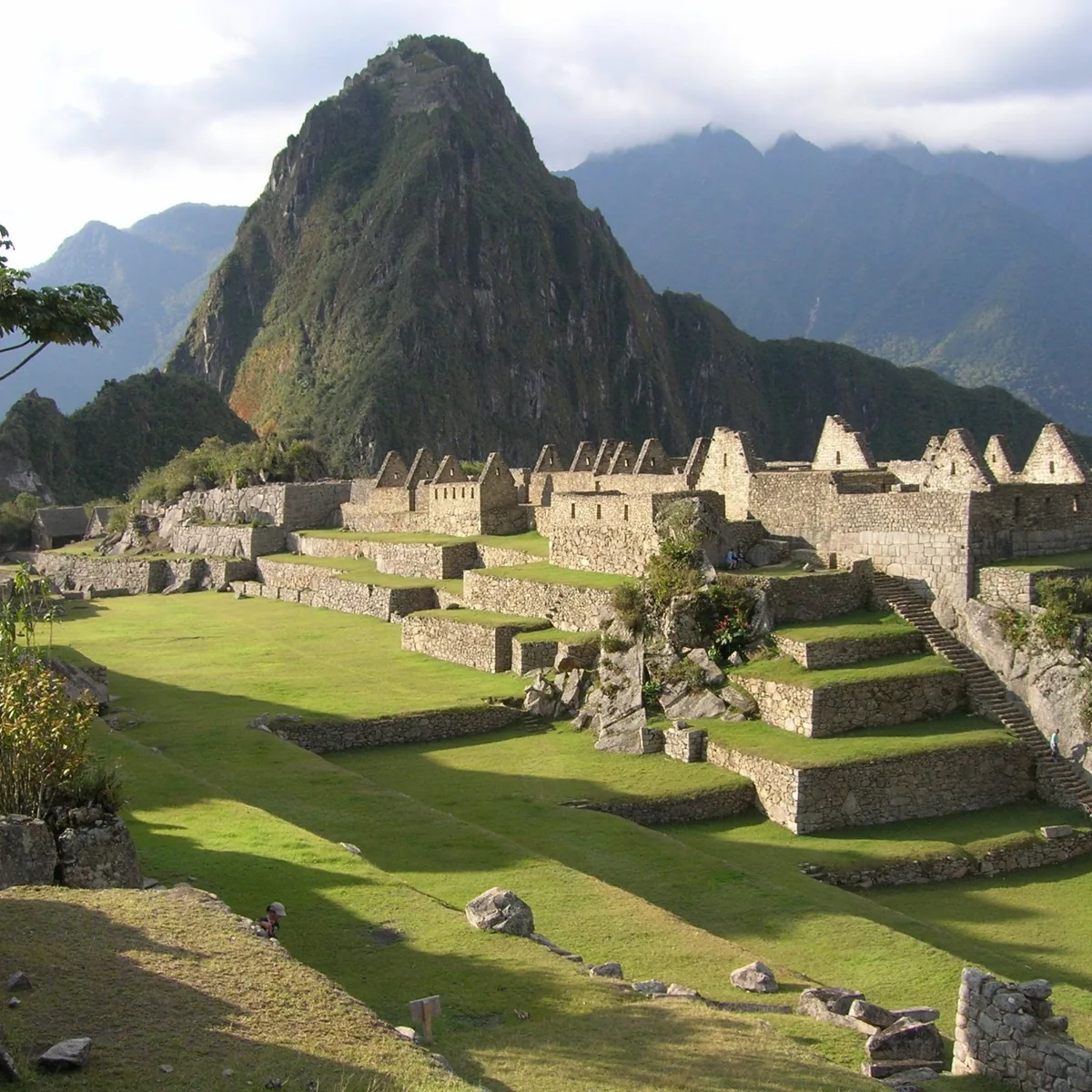
Ciudad Perdida
A 9th-century Tairona citadel comprising 169 stone terraces carved into a 1;200-metre ridge in the Sierra Nevada; predating Machu Picchu by six centuries; the site is reached only by a multi-day trek through dense jungle; reach the upper circular platforms at sunrise; the mist recedes to reveal the hand-laid stone steps and the intense; emerald green of the fern-covered ruins.
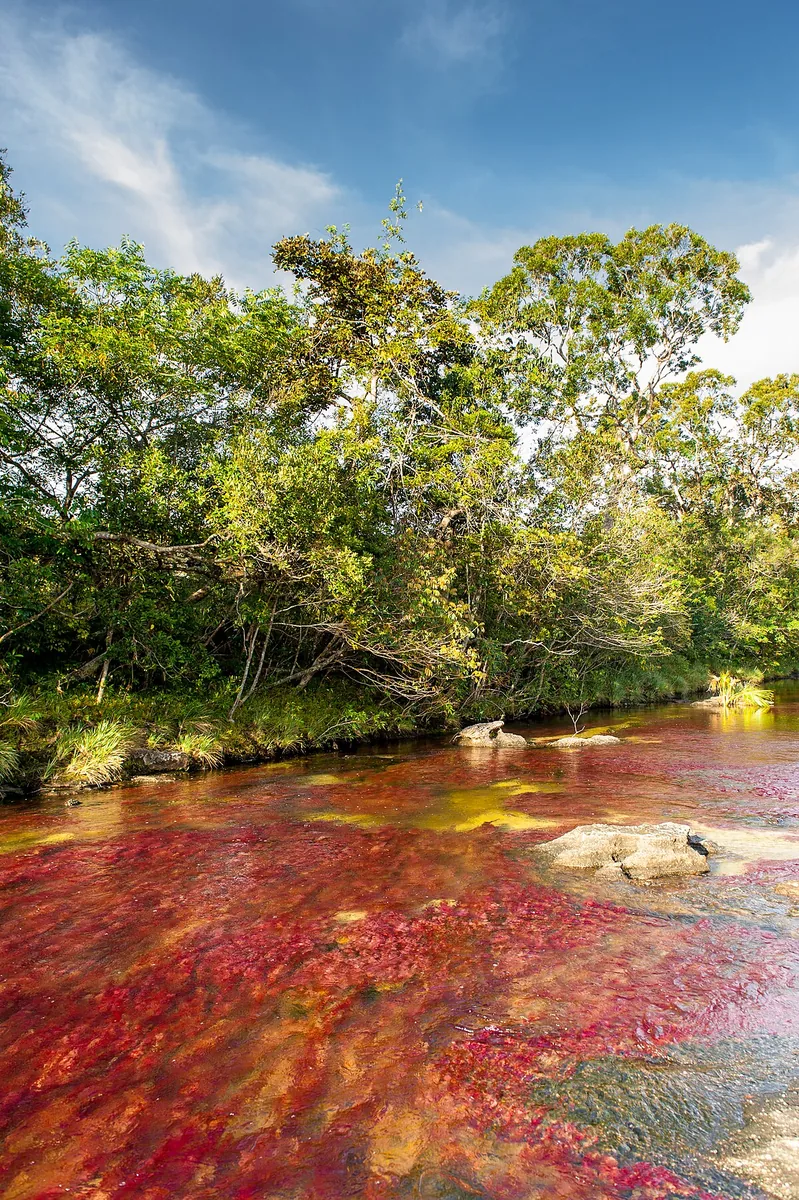
Caño Cristales
The 'River of Five Colours' where the endemic Macarenia clavigera plant turns the quartzite riverbed a saturated crimson between July and November; the water flows over ancient; circular potholes and moss-slicked rock; view the 'Los Ochos' section at noon; the overhead sun turns the underwater plants into liquid fire against the yellow sand and green algae.
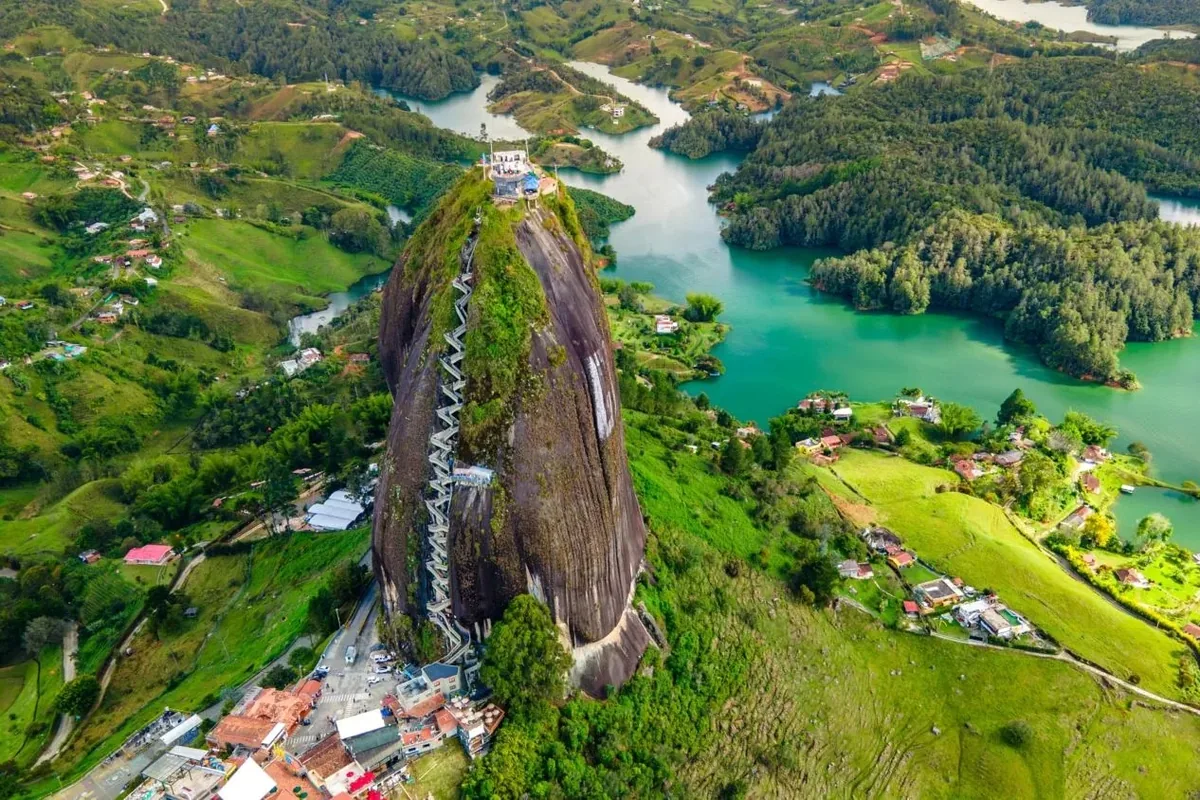
El Peñón de Guatapé
A 220-metre monolithic granite inselberg with a 740-step staircase zigzagging through a vertical fissure; the rock surface is smooth and dark; weathered by millennia of tropical rain; climb to the summit at 4 pm; the 360-degree view reveals a labyrinthine turquoise reservoir where the gold light reflects off the water and the surrounding green Andean foothills.
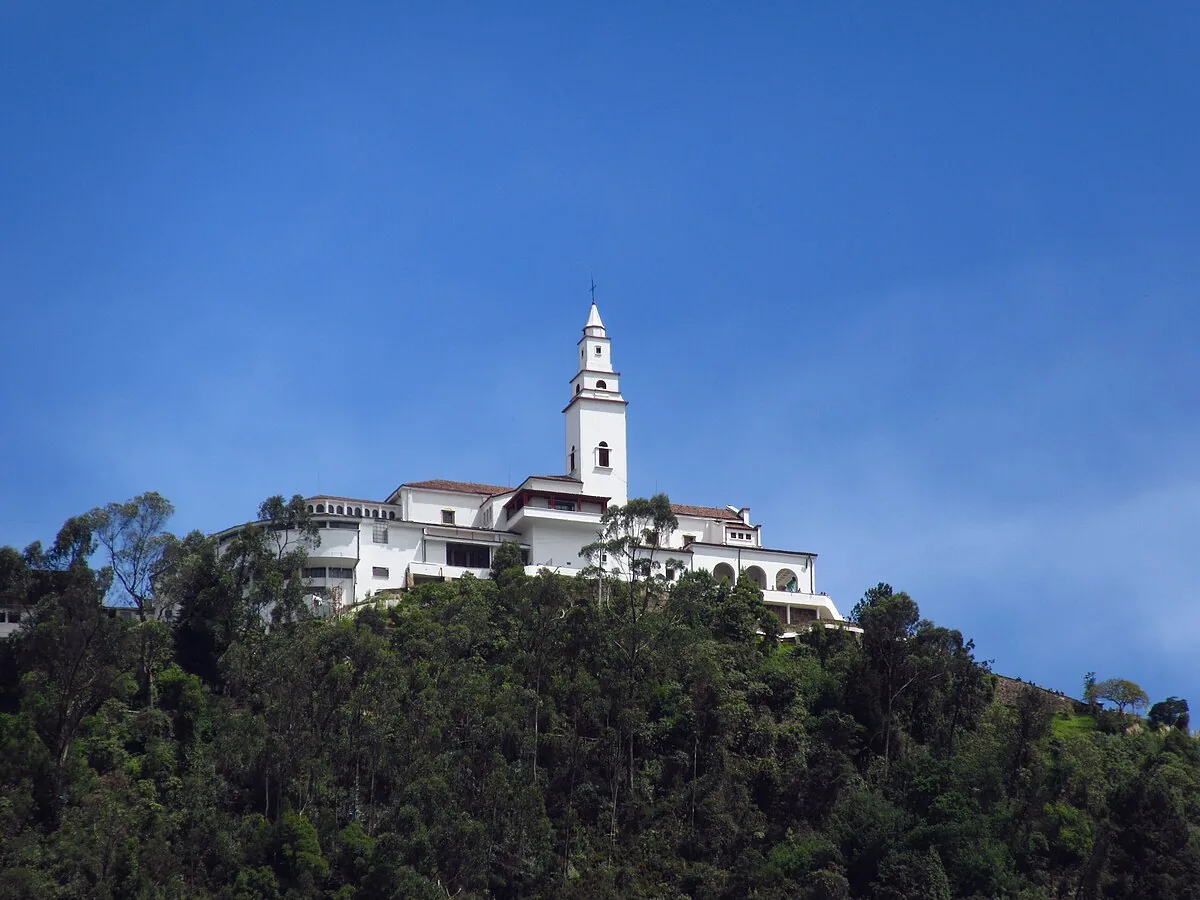
Monserrate
A 17th-century white-washed shrine perched at 3;152 metres on the edge of the Sabana de Bogotá; the sanctuary houses the Fallen Christ of the 1650s; take the funicular up at twilight; the air temperature drops sharply as the city below becomes a sprawling; orange-lit grid; the sound of the wind through the eucalyptus trees is the only break in the mountain quiet.
Barichara Old Town
Widely considered the best-preserved colonial village; built entirely from hand-carved ochre sandstone and whitewashed clay with red-tiled roofs; the streets are paved with massive; sun-bleached flagstones; walk the Camino Real toward Guane at 9 am; the light is soft and the air is dry; carrying the faint scent of woodsmoke and sun-warmed tobacco from the nearby fields.
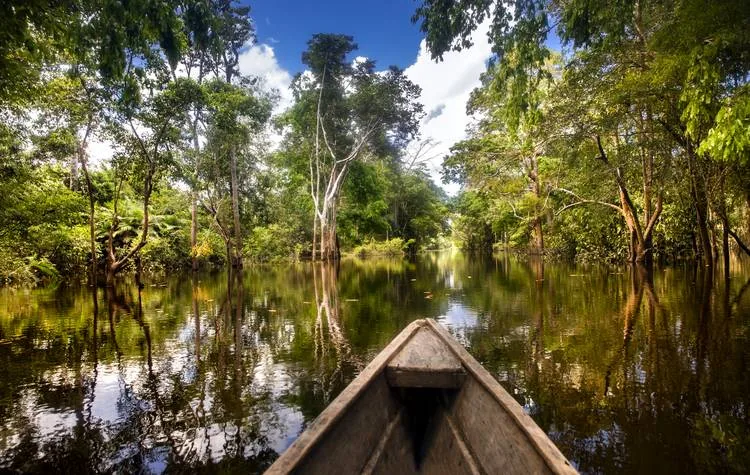
Amacayacu National Park
A 293;000-hectare Amazonian sanctuary where the black-water Yahuarcaca lakes meet the primary rainforest; the park is home to pink river dolphins and giant water lilies; navigate the flooded forest by canoe at dusk; the sound of the canopy insects is a physical wall of noise while the reflection of the sunset in the tannin-rich water is absolute.
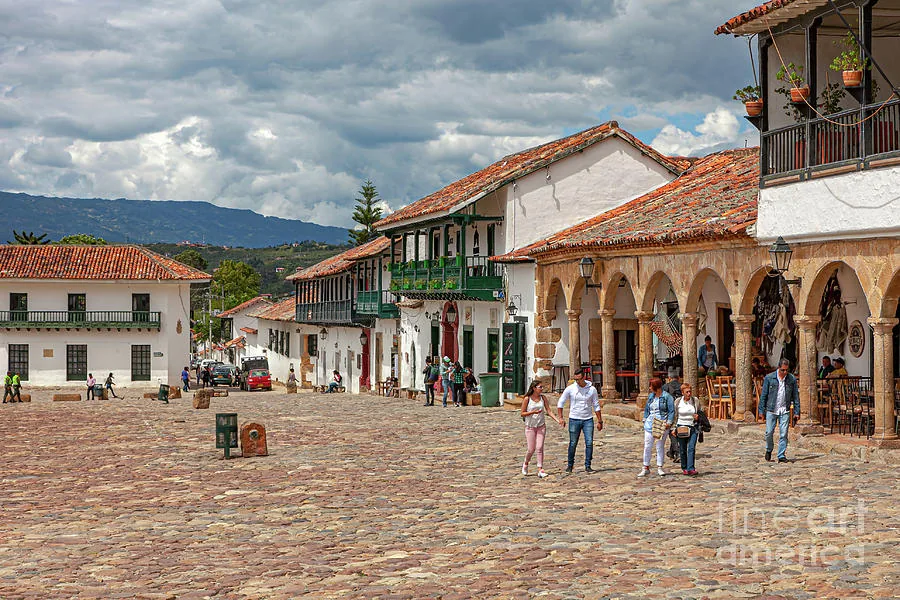
Plaza Mayor
One of the largest paved squares in the Americas (14;000 m²); defined by its uneven; oversized cobblestones and a 17th-century parish church of simple; white-washed stone; the plaza sits in a high; arid valley; cross the square at midnight; the silence is profound and the lack of streetlights allows the Andean stars to illuminate the white facades in a pale; ghostly light.
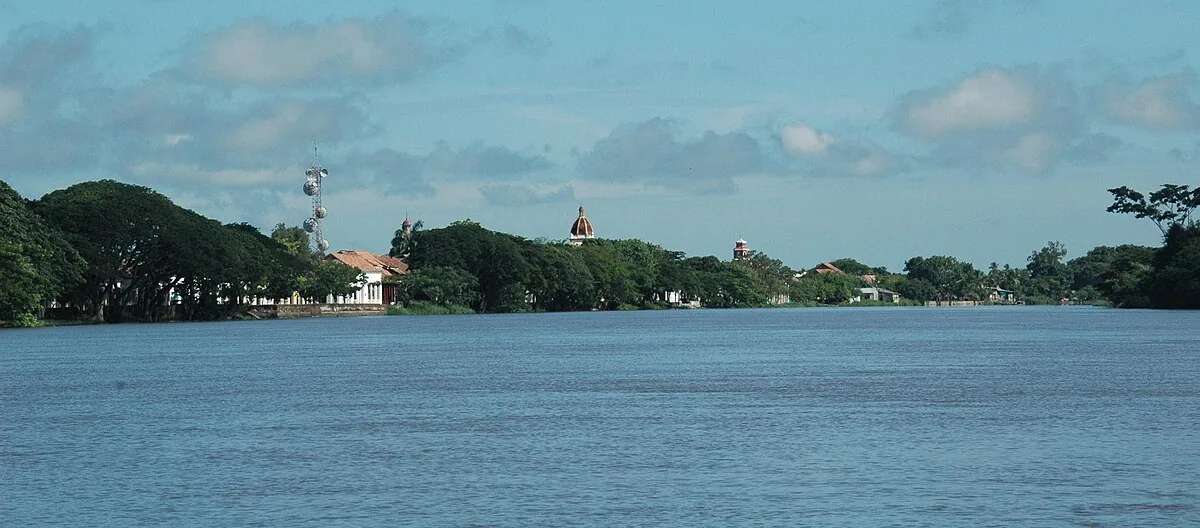
Santa Cruz de Mompox
A 16th-century river port frozen in time; where the Spanish colonial architecture features intricate hand-hammered ironwork and Seville-style courtyards; the town is isolated on an island in the Magdalena River; walk the Albarrada at sunset; the humid river light turns the yellow church facades amber while the only sound is the rhythmic creak of wooden rocking chairs on porches.
Cabo San Juan del Guía
A series of palm-fringed bays where massive; moss-slicked granite boulders meet the turquoise Caribbean surf; the jungle grows directly into the white sand; climb to the thatched lookout hut at 3 pm; the western light catches the spray hitting the rocks; the air is thick with the scent of salt and crushed tropical leaves; far from any paved road.
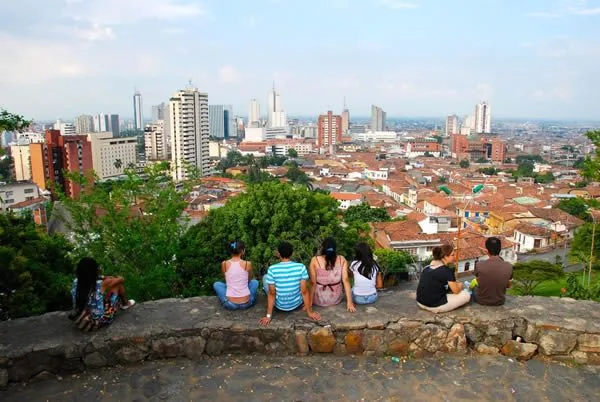
Barrio San Antonio
The 18th-century bohemian heart of the world salsa capital; defined by low-rise colonial houses with ornate wooden balconies and hidden garden patios; the district sits on a hill overlooking the valley; walk the Calle 5 at 7 pm; the sound of salsa brass sections from rehearsal studios vibrates through the mud-brick walls while the afternoon breeze, the 'viento de Cali', cools the stone.
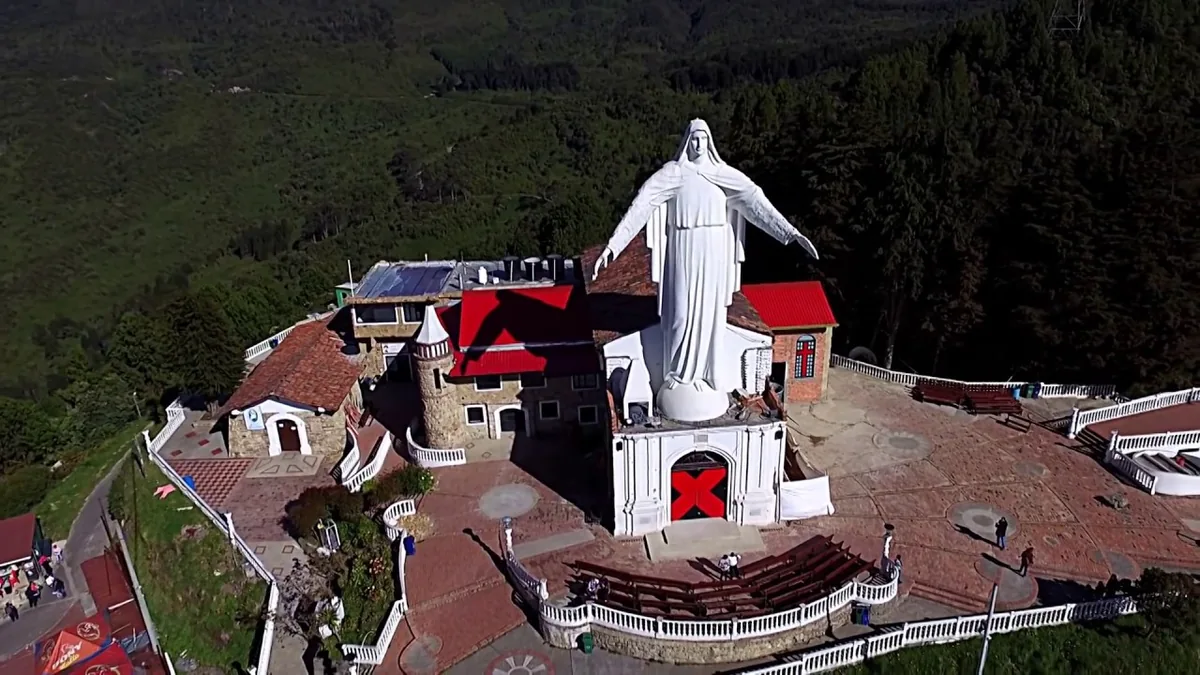
Cerro de Guadalupe
The often-overlooked sister peak to Monserrate; featuring a 15-metre white statue of the Virgin of Guadalupe at an elevation of 3;317 metres; the site offers the most authoritative panorama of the city sprawl; arrive at 6 am; the pre-dawn light reveals the emerald-green páramo vegetation while the massive statue appears to loom over the clouds drifting through the city below.
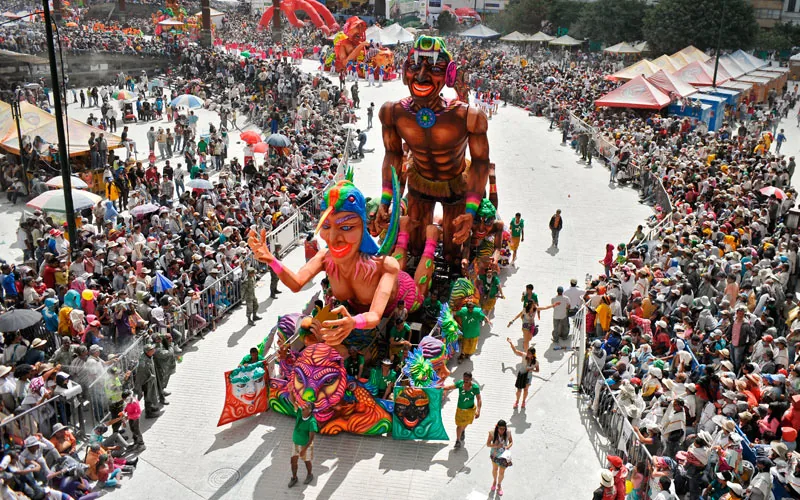
Carnaval de Negros y Blancos
A UNESCO-recognized intangible heritage event centered around the Great Parade on January 6th; featuring massive; hand-painted floats of papier-mâché that take a full year to construct; the air is thick with talcum powder and foam; stand in the Plaza de Nariño at midday; the sound of Andean panpipes is deafening while the vibrant; saturated colours of the floats contrast with the volcanic grey stone of the city.
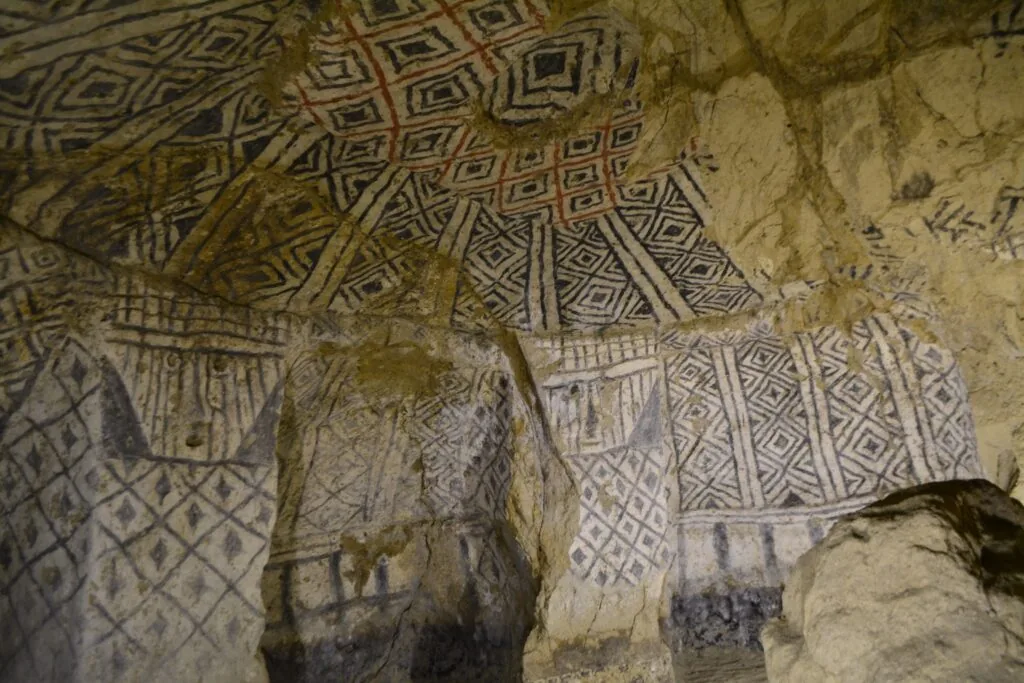
Tierradentro National Archaeological Park
A remote site of 6th-century underground burial chambers (hypogea) carved into volcanic rock; featuring complex geometric murals painted in black; red; and white mineral pigments; the chambers are reached by steep stone spiral stairs; descend into tomb Segovia 1 at 10 am; the air is cool and smells of dry earth while your torchlight reveals the sharp; rhythmic lines of the pre-Hispanic cosmology.
Carnaval Negros Blancos
On January 5, everyone in Pasto paints everyone else's face black. On January 6, everyone goes white. The tradition has been continuous since the sixteenth century and UNESCO recognized it as intangib
Penon De Guatape
A 200-meter granite monolith rises from a flooded Antioquia valley, and a staircase built into its natural crack leads to a summit view over hundreds of reservoir islands. The old town that the dam dr
Plaza Mayor Mompox
One of New Granada's wealthiest colonial cities was bypassed when the Magdalena River shifted course in the nineteenth century. The town that commerce forgot preserved its colonial architecture intact