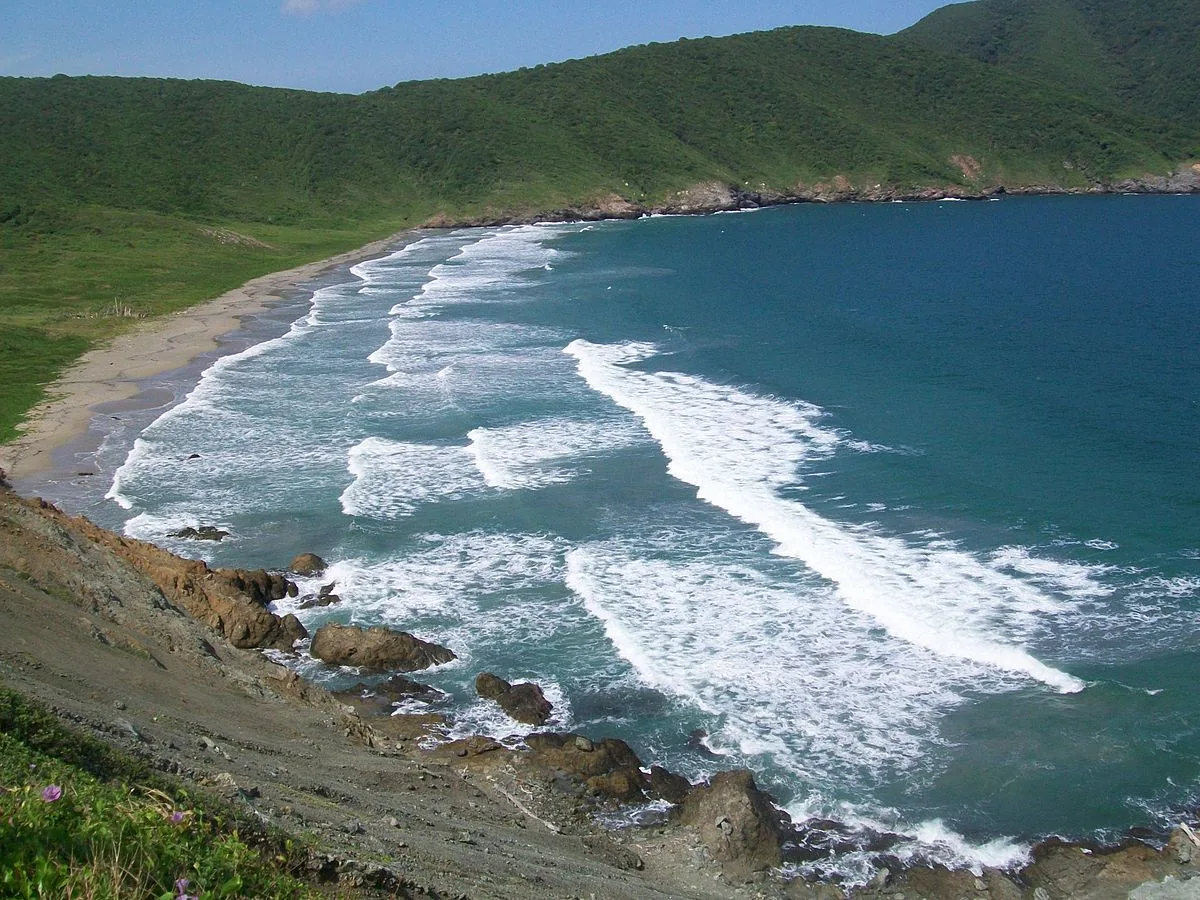
“At the end of a jungle trek in Tayrona, two beaches meet a rocky cape where hammocks hang between palms above the Caribbean and the Sierra Nevada rises behind the forest. The approach is half the experience.”
About Cabo San Juan
Tayrona National Park was established in 1969 to protect the coastal foothills where the Sierra Nevada meets the Caribbean, Tairona people's ancestral territory. Cabo San Juan developed as the park's primary destination as trekking infrastructure grew. The hammock camp on the cape rocks is one of Colombia's oldest established eco-accommodation sites.
Cabo San Juan del Guía in short
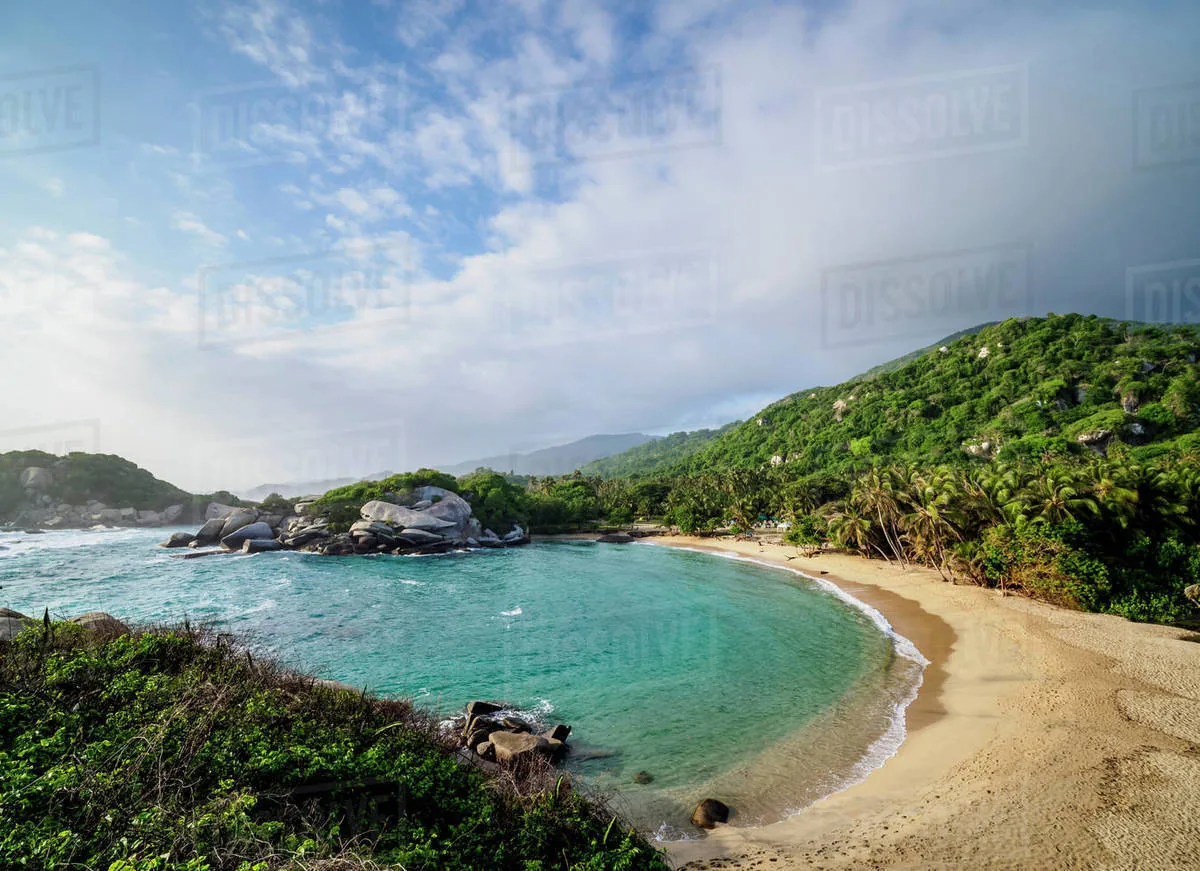
Cabo San Juan del Guía is a rocky promontory at the eastern end of Tayrona National Park on Colombia's Caribbean coast, where two beaches, one calm, one wave-exposed, meet at a point framed by jungle-covered granite boulders. The hammock camp and eco-lodge at the cape is the most famous accommodation in Tayrona and the endpoint of the park's main trekking route, which crosses 4 kilometers of jungle from the park entrance. Few places on the Colombian Caribbean coast combine this quality of beach with jungle directly meeting water and accessible only on foot.
The hammock camp and eco-lodge at the cape is the most famous accommodation in Tayrona and the endpoint of the park's main trekking route, which crosses 4 kilometers of jungle from the park entrance.
Why it matters
Tayrona National Park protects the coastal foothills of the Sierra Nevada de Santa Marta, where the Andean mountain system meets the Caribbean Sea within a very short horizontal distance. The Tairona people, ancestors of today's Kogi communities, used this coastline for fishing and had settlements throughout the area before Spanish contact. The park was established in 1969 to protect both the coastal ecology and the cultural landscape. Cabo San Juan became the most-visited point within the park as infrastructure developed, the hammock camp built into the rocks above the beaches was one of the early Colombian Caribbean experiences that predated the country's mainstream tourism development.
The approach trek from El Zaíno entrance crosses jungle, a dry riverbed, and several viewpoints before descending to Cabo San Juan. The cape's two beaches serve different functions: the western beach (Playa del Cabo) is sheltered and calm for swimming; the eastern beach is rougher and less visited. Hammocks strung between palm trees on the rock platform above the western beach are the signature accommodation. At night, the Sierra Nevada's ridge is visible above the jungle interior. Monkeys, iguanas, and red-crested cardinals are common along the trails.
National Park
Tayrona National Park is 35 kilometers from Santa Marta. Buses and jeeps run from Santa Marta to the El Zaíno park entrance. From the entrance, the 4-kilometer trek to Cabo San Juan takes 1.5 to 2 hours. Hammock camp bookings fill quickly; reserve in advance.
Tayrona National Park is 35 kilometers from Santa Marta.
The Experience
A 4-kilometer jungle trek from the park entrance to a rocky promontory with two beaches, one calm, one wave-exposed, hammock accommodation on the rocks, and wildlife including monkeys and iguanas throughout the trail.
Why It Matters
Cabo San Juan is the most visited and most representative point in Tayrona, the park that protects the only place in Colombia where Andean mountain ecology meets Caribbean coast within a protected landscape.
Why Visit
The combination of jungle trek, Caribbean beach quality, and hammock accommodation on a rocky cape is the canonical Colombian coastal experience, the place that most closely delivers what the Caribbean coast here is actually like.
✦ Insider Tips
- 1
Book hammock camp accommodation at least a week in advance, it fills from both directions (Santa Marta and Cartagena tours).
- 2
Start the trek before 9am to avoid the midday heat on the jungle section.
- 3
The rough eastern beach at the cape is uncrowded even when the western beach is busy, worth the short scramble over the rocks.