Finland's southernmost mainland town was the Baltic resort of Russian aristocrats and wealthy Finns in the nineteenth century, and the ornate wooden villas they built in the pine forest along the shore are still standing.
About Hanko Peninsula
The 1873 railway connection made Hanko accessible from Helsinki and triggered investment in villa architecture, casino culture, and beach society. The 1940 peace treaty leased Hanko to the Soviet Union as a military base; the Soviets withdrew in 1941, and the villa colonies survived intact.
What Hanko Peninsula actually is
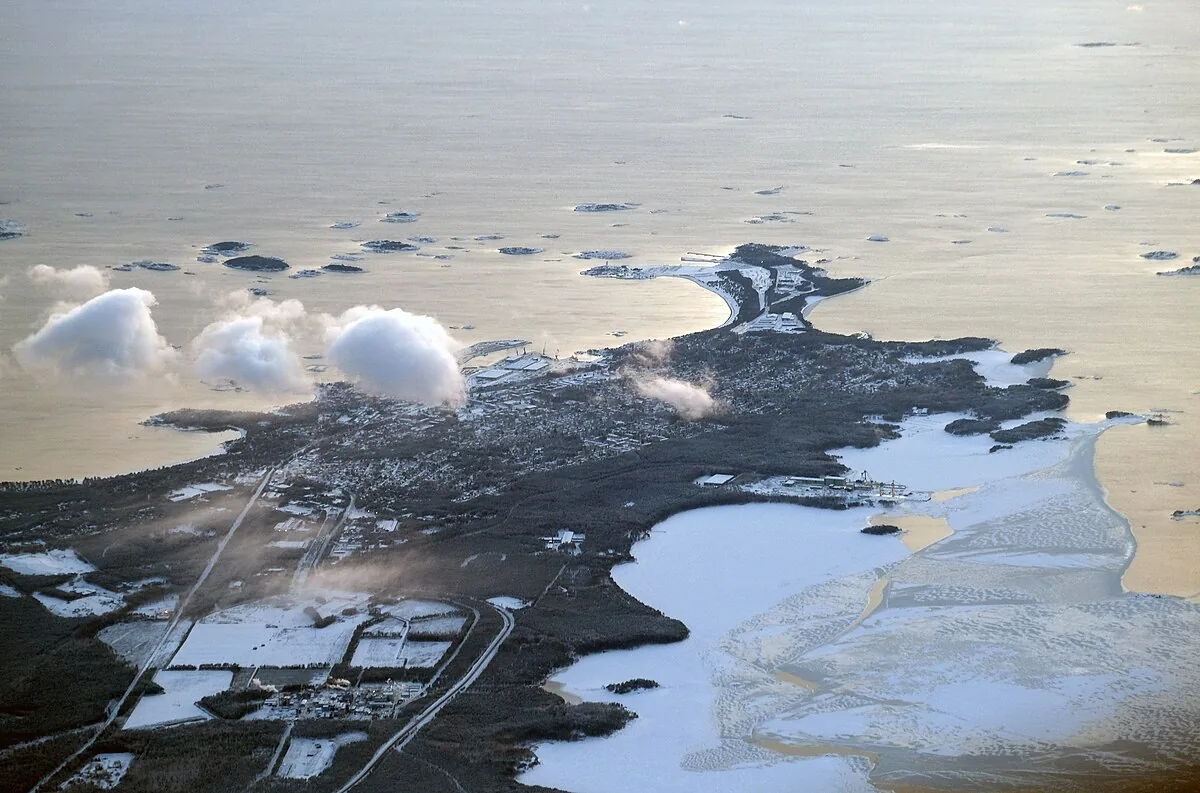
Hanko is a peninsula and town at the southernmost tip of the Finnish mainland, jutting into the Baltic Sea where the Gulf of Finland meets the Gulf of Bothnia. The town was Finland's most fashionable seaside resort in the late nineteenth and early twentieth centuries, when Russian aristocrats and wealthy Finns built wooden villa colonies along the pine-forested shore. The villas, many preserved in their original form, and the long sandy beaches on the peninsula's south coast give Hanko a character unlike any other Finnish coastal town.
to Helsinki opened, 1873
Hanko became a resort destination after the railway connection to Helsinki opened in 1873, suddenly making the southern coast accessible for summer escapes from the capital. The Russian governor-general's summer residence was established here, and the social momentum of aristocratic presence drew investment in villa architecture, a casino, and the beach culture that followed. The 1918 Finnish Civil War and the Winter War of 1939-1940, when Hanko was leased to the Soviet Union as a military base under the peace treaty, interrupted the resort era. The Soviet base was withdrawn in 1941 during the Continuation War, and the town slowly returned to civilian use. The villa colonies survived and are now protected.
The villa quarter along the shore, ornate wooden houses in Russian-influenced styles, painted in pastels and warm colors, surrounded by old pines, is the primary architectural experience. The beach on the peninsula's southern shore stretches for several kilometres and is unusually sandy by Finnish standards. The Hanko regatta in early July is one of Scandinavia's largest sailing events, drawing hundreds of boats. The water tower at the peninsula's center gives views over the surrounding sea and islands. The adjacent archipelago is accessible by small boat, with several outer islands reachable in a short crossing.
Hanko is about 130 kilometres west of Helsinki by road, or reachable by train with a change at Karjaa, approximately two hours from Helsinki. The town is compact and the beach and villa quarters are easily walkable from the train station.
The Experience
Walk the pastel-colored Russian-influenced villa quarter through old pine forest, swim from the long sandy southern beach, watch the July regatta bring hundreds of sailing boats into the harbor, and take a small boat into the surrounding Baltic archipelago.
Why It Matters
Finland's most historically layered seaside resort, a late tsarist-era villa landscape that survived two wars and a Soviet military occupation intact.
Why Visit
The Hanko villa quarter is one of the most unusual architectural environments in Finland, ornate Russian-influenced wooden houses in a pine forest, entirely preserved, in a town that the rest of the country largely forgot and therefore didn't develop away. The beach is also genuinely good.
✦ Photo Gallery
Best Season
🌤 June through August. Hanko is a summer destination; winter services in the town are minimal and the beach culture doesn't operate.
Quick Facts
Best time to visit
June through August. Hanko is a summer destination; winter services in the town are minimal and the beach culture doesn't operate.
Getting there
In Hanko, Finland; reach Hanko first, then continue to the site.
What's nearby
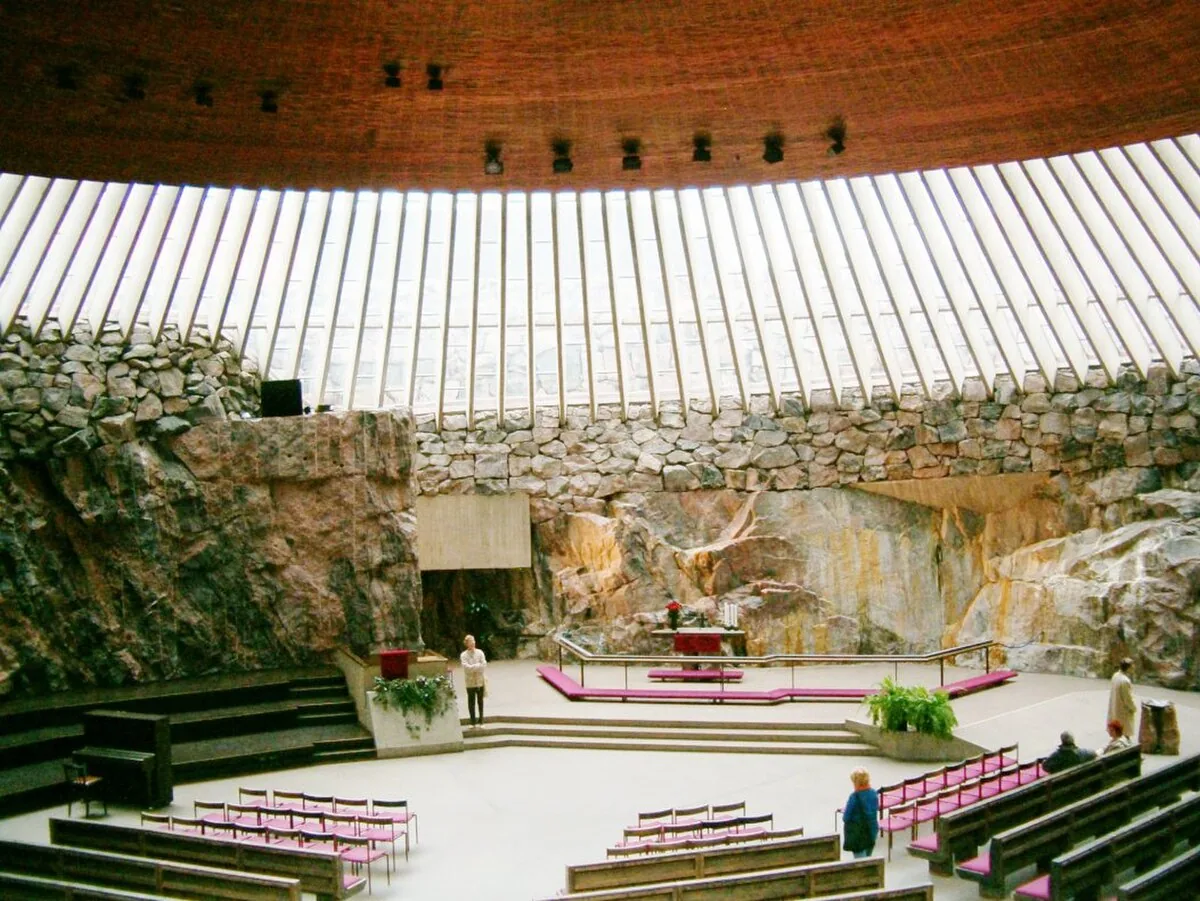
Turku Castle, Turku Cathedral and Temppeliaukio Church are also in the area.
Location
Hanko, Finland
Type
attraction
Coordinates
59.8333°, 23.0833°
Insider Tips
- 1
The villa quarter is best explored on bicycle, hire one from the town center and ride the shore roads at leisure.
- 2
The regatta week in early July fills accommodation months in advance; the event itself is free to watch from the harbor.
- 3
The water tower café is open in summer and provides the panoramic view over the peninsula and surrounding sea.
- 4
The southern beach faces open Baltic rather than an island-sheltered bay; it can be windy, which makes it ideal for kitesurfing.