The land in Finland's Kvarken Archipelago is rising from the sea at eight millimetres per year as the Earth's crust recovers from ice age weight, new islands emerge from the water every few centuries, and maps drawn two hundred years ago already look wrong.
About Kvarken Archipelago
The Kvarken shares its UNESCO World Heritage designation with Sweden's High Coast for documenting post-glacial isostatic rebound, the ongoing rise of the Earth's crust after the three-kilometre-thick ice sheet of the last glaciation melted. The rebound rate here is among the highest in the world.
What Kvarken Archipelago actually is
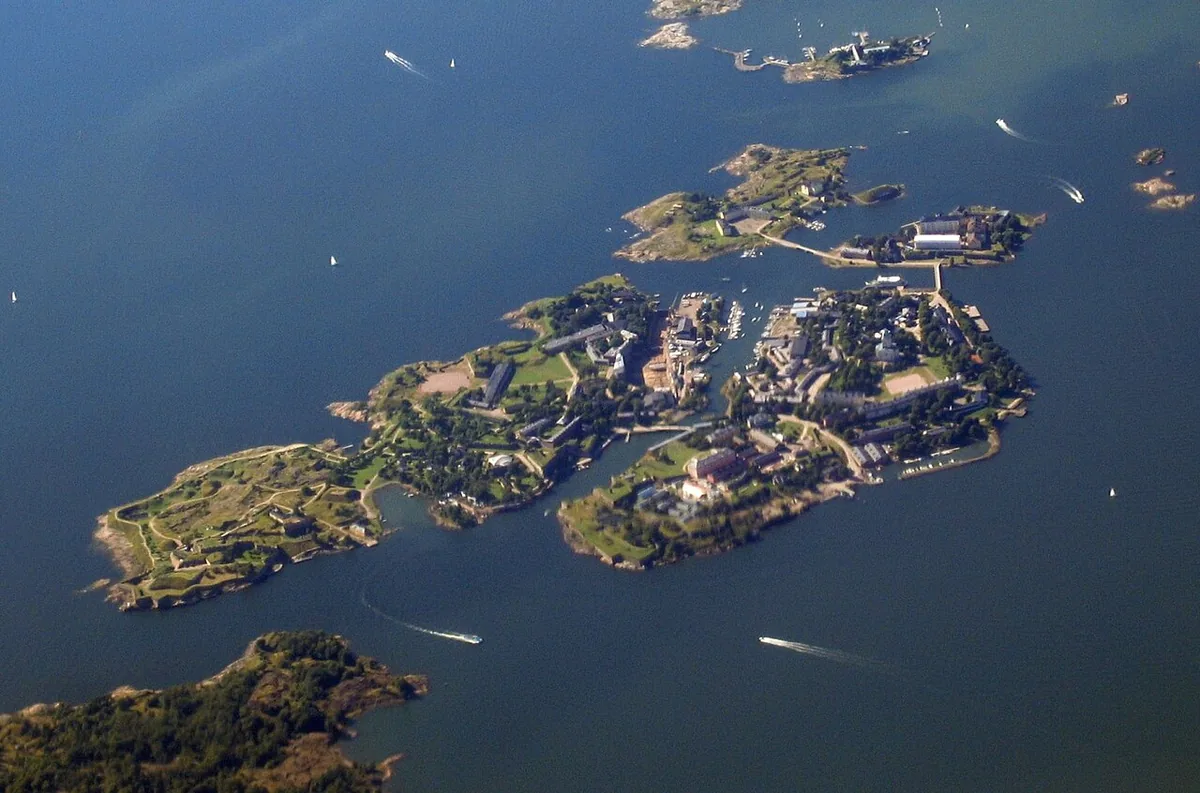
The Kvarken Archipelago in the Gulf of Bothnia, off the west coast of Finland near Vaasa, is a UNESCO World Heritage Site for a geological phenomenon unlike any other in Europe: post-glacial rebound. The land here is rising from the sea at approximately eight millimetres per year as the Earth's crust recovers from the weight of the ice sheet that covered it ten thousand years ago. New islands appear from the water every few centuries, and the shallow labyrinth of skerries, islands, and channels that characterizes the archipelago is a landscape in continuous, measurable geological transformation.
“The Kvarken Archipelago in the Gulf of Bothnia, off the west coast of Finland near Vaasa, is a UNESCO World Heritage Site for a geological phenomenon unlike any other in Europe: post-glacial rebound.”
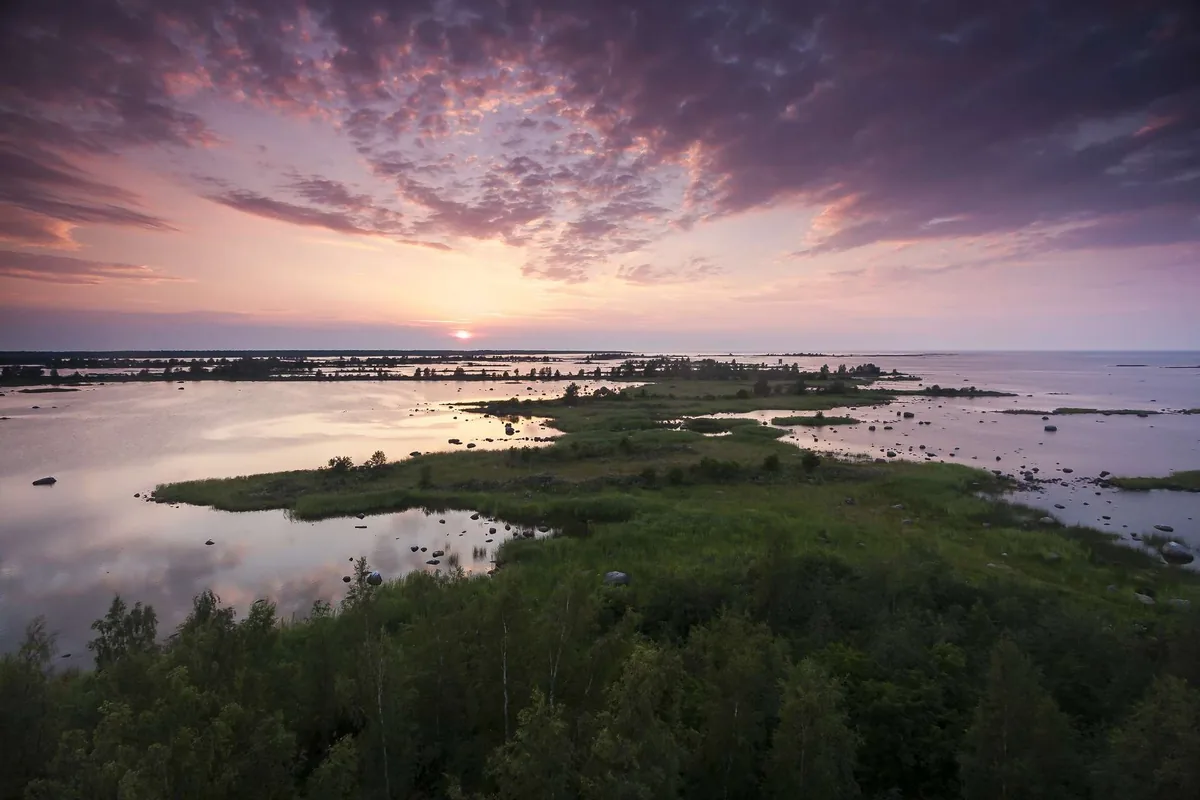
Kvarken Archipelago, Finland
The Kvarken shares its UNESCO designation with the High Coast area of Sweden across the Gulf of Bothnia, the two sites together document the isostatic rebound phenomenon from both sides of the same body of water. At the peak of the last glaciation, the ice sheet above Scandinavia was approximately three kilometres thick; the weight of this ice depressed the Earth's crust, and the rebound since the ice melted has been occurring at a rate that makes it measurable on human timescales. Maps of the Kvarken Archipelago drawn two hundred years ago already show visible differences from the current coastline.
The archipelago is explored primarily by boat or kayak, the island labyrinth is too complex for road access. Vaasa, the nearest city, organizes boat tours through operators who navigate the shallows between the emerging skerries. The Björkö and Replot islands are accessible by bridge from the mainland and provide a land-based introduction to the island landscape. The Saltkaret lighthouse island can be visited by boat tour in summer. Winter, when the sea ice forms a continuous surface, allows driving across the frozen straits to reach islands that are otherwise only accessible by boat.
Vaasa has an airport
Vaasa has an airport with domestic connections from Helsinki (one hour by flight, three and a half by train). The city is the main base for archipelago tours; boat excursions can be booked through the Vaasa tourist office or directly with operators.
“Vaasa has an airport with domestic connections from Helsinki (one hour by flight, three and a half by train).”
The Experience
Navigate the island labyrinth by boat or kayak with an operator from Vaasa, reach the Björkö and Replot islands by bridge for land-based exploration, visit the Saltkaret lighthouse island by summer boat tour, and in winter, drive across the frozen straits to reach islands inaccessible by road.
Why It Matters
A UNESCO World Heritage Site documenting post-glacial rebound, a geological phenomenon active at a rate visible on human timescales, producing a landscape that is measurably different from its state two centuries ago.
Why Visit
The Kvarken is the only place in the world where you can visit a landscape that is literally rising from the sea at a rate that matters on a human lifespan. The geological process isn't metaphorical, it's physically legible in the shallow, skerry-dense water.
Insider Tips
- 1
Book boat tours through the Vaasa tourist office or archipelago operators, the skerries require navigation knowledge that independent visitors rarely have.
- 2
The ice road to outer islands in winter requires checking ice thickness with local authorities before driving, conditions vary by year.
- 3
Bring binoculars, the archipelago is a significant bird migration corridor and breeding area in spring and summer.
- 4
The Björkö island accessible by bridge has a nature center explaining the UNESCO geology in accessible terms.