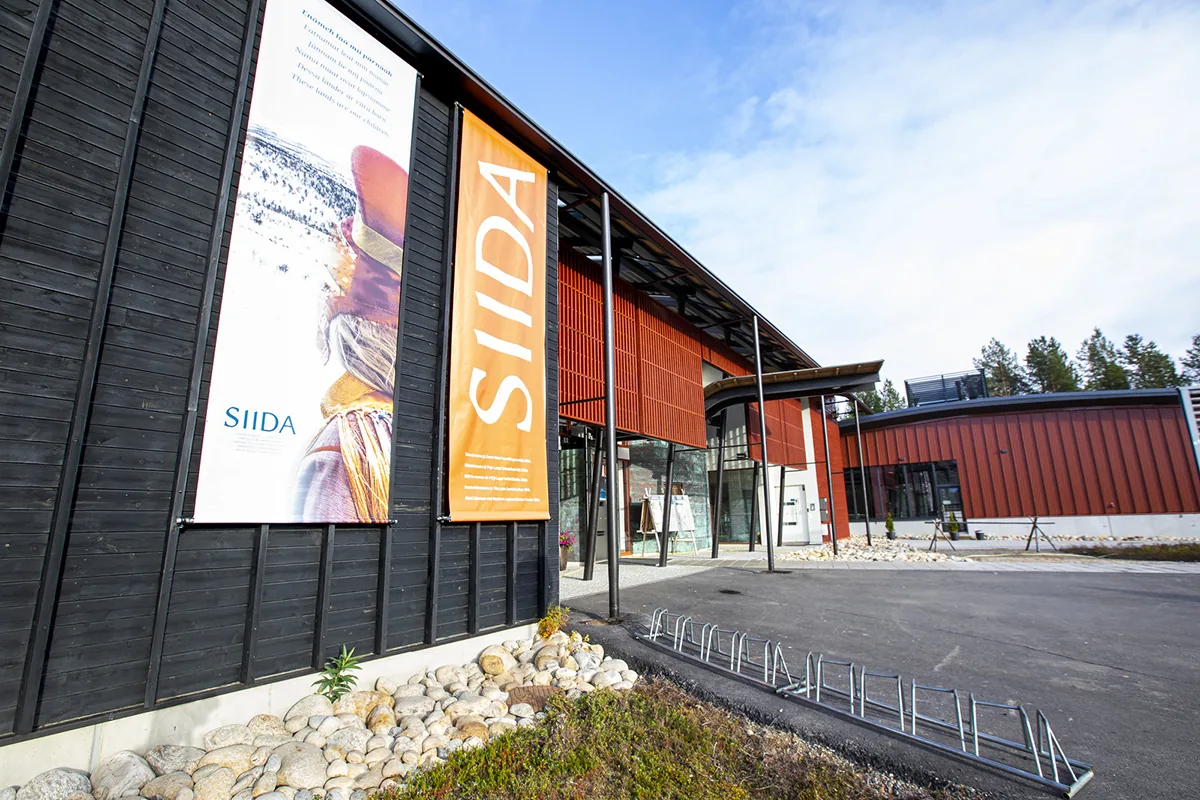
Above the Arctic Circle in Finnish Lapland, open treeless fells rise above the boreal forest, in autumn the landscape turns orange and red in weeks, and in winter, polar darkness produces Finland's best aurora conditions.
About Saariselkä
Traditional Sámi reindeer grazing land, the Saariselkä fells are bordered by the Urho Kekkonen National Park, established in 1983. The area experiences both polar night in winter and midnight sun in summer, the extreme conditions that define arctic Lapland's character.
Saariselkä is a fell area in Finnish Lapland , in the municipality of Inari, where open treeless fells, tunturi in Finnish, rise above the surrounding boreal forest and provide landscape entirely unlike the forested lowlands that cover most of Finland. The Urho Kekkonen National Park, one of Finland's largest, borders Saariselkä to the east, extending to the Russian border. The village at the foot of the fells is a small resort with ski facilities in winter and a base for fell walking and wilderness camping in summer.
“The Urho Kekkonen National Park, one of Finland's largest, borders Saariselkä to the east, extending to the Russian border.”
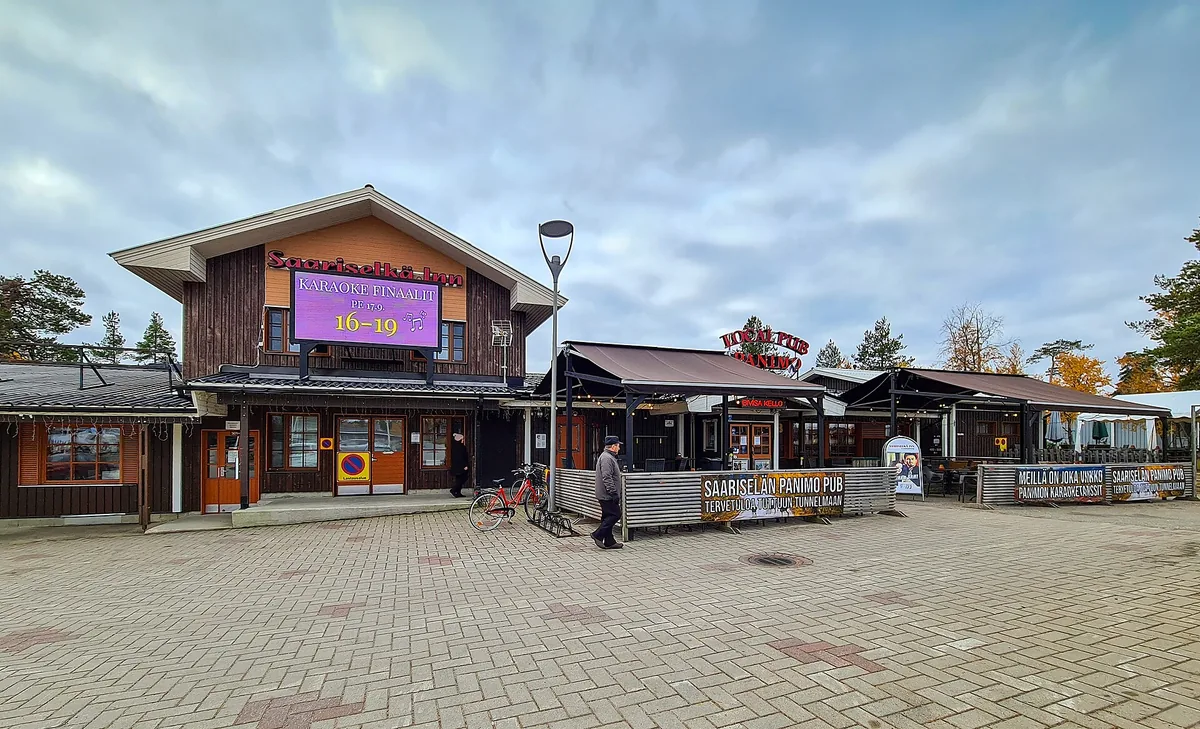
Saariselkä, Finland
The Saariselkä fells lie in the traditional territory of the Sámi people and were used as summer grazing land for reindeer herds for centuries before recreational tourism arrived in the twentieth century. The area is above the Arctic Circle and experiences polar night, kaamos, in winter, when the sun does not rise above the horizon for weeks. The same extreme latitude produces the midnight sun in summer, when the sun remains visible at midnight. The Urho Kekkonen National Park was established in 1983, named for Finland's longest-serving president, who was an ardent outdoorsman and promoted Finnish wilderness areas throughout his political career.
The fell plateau above the tree line is the primary experience: open terrain of dwarf birch, lichen, and arctic plants, with the kind of long sightlines across rolling landscape that forest Finland rarely provides. In autumn, the ruska, the Lapland autumn color, turns the fells orange, yellow, and red in a display concentrated into a few weeks in September. In winter, the ski resort offers downhill and cross-country facilities; more compellingly, the darkness of kaamos provides the best aurora borealis conditions in Finland. The reindeer that graze the fells are semi-wild and regularly encountered on walking trails.
Saariselkä is about 25 kilometres north of Ivalo, the nearest town with an airport. Ivalo Airport has domestic connections from Helsinki year-round and seasonal international flights in winter. From Ivalo, a bus serves Saariselkä.
“Saariselkä is about 25 kilometres north of Ivalo, the nearest town with an airport.”
The Experience
Walk the open fell plateau above the tree line with long arctic sightlines, encounter semi-wild reindeer on summer and autumn trails, watch the ruska autumn colors transform the landscape in September, and observe aurora borealis during winter polar darkness.
Why It Matters
One of Finland's most dramatic above-treeline fell landscapes, bordering a major national park extending to the Russian border, with conditions that produce both Finland's best autumn colors and its best aurora viewing.
Why Visit
The ruska in September, when the entire fell plateau turns color simultaneously in the last weeks before frost, is one of Finland's most distinctive seasonal events. The aurora conditions during kaamos in November-December are among the best accessible by scheduled transport.
Insider Tips
- 1
Ruska timing varies by a week or two each year, follow Finnish nature blogs for current-year predictions before booking.
- 2
The Urho Kekkonen National Park trails require a wilderness permit for overnight hut stays, book through the Metsähallitus website.
- 3
Reindeer on the fell trails are not dangerous but should not be approached, they are semi-wild working animals with owners.