“A medieval castle at the mouth of the Aura River was the seat of Finnish administration for centuries, and the Renaissance court that Duke John of Finland held here in the 1560s was described by contemporaries as the most sophisticated north of the Alps.”
About Turku Castle
Founded around 1280, expanded to stone progressively through the fourteenth century, the castle served as medieval Finland's administrative center. Duke John held a celebrated Renaissance court here before being imprisoned in the same building by his brother Erik XIV.
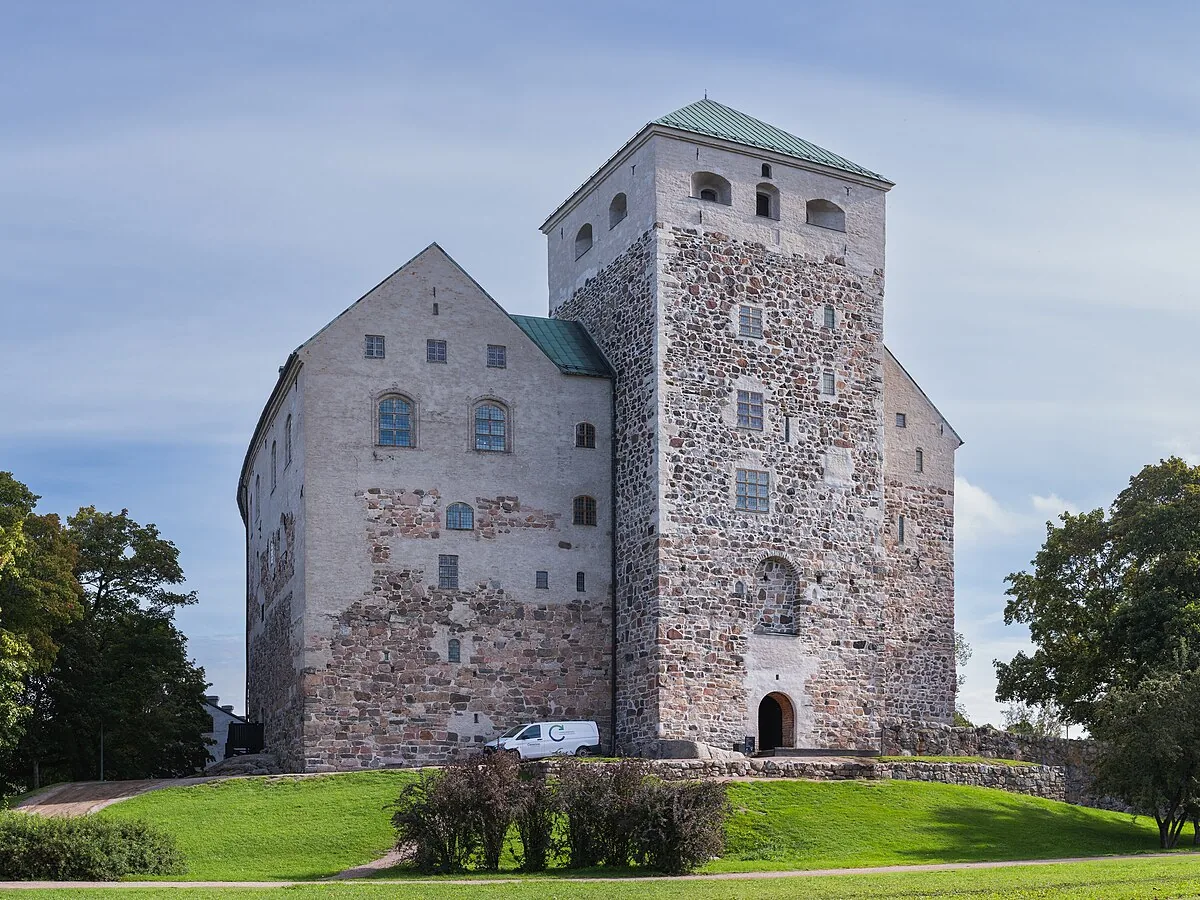
Turku Castle in short
Turku Castle stands at the mouth of the Aura River where it enters the Baltic Sea, a medieval fortification that has been expanded and modified over seven centuries into one of the largest and most architecturally complex castles in Scandinavia. Founded around 1280 as a wooden fortification and converted to stone progressively from the fourteenth century, it was the administrative center of medieval Finland, the seat of governors, a royal residence on multiple occasions, and a prison for centuries. The castle museum today occupies most of the building and presents Finnish medieval history with unusual depth.
The castle museum today occupies most of the building and presents Finnish medieval history with unusual depth.
Commissioned by King John
Turku was medieval Finland's most important city, and the castle's history reflects the political turbulence of the period. Duke John of Finland, who later became King John III of Sweden, held court here in the 1560s with his Polish wife Catherine Jagiellon, establishing what contemporaries described as the most sophisticated Renaissance court north of the Alps. When John was briefly imprisoned in the castle by his brother Erik XIV, the contrast between his earlier courtly life here and his imprisonment in the same building was noted by chroniclers of the period. After Helsinki replaced Turku as capital in 1812, the castle was used as a prison and granary before its heritage value was recognized and restoration began.
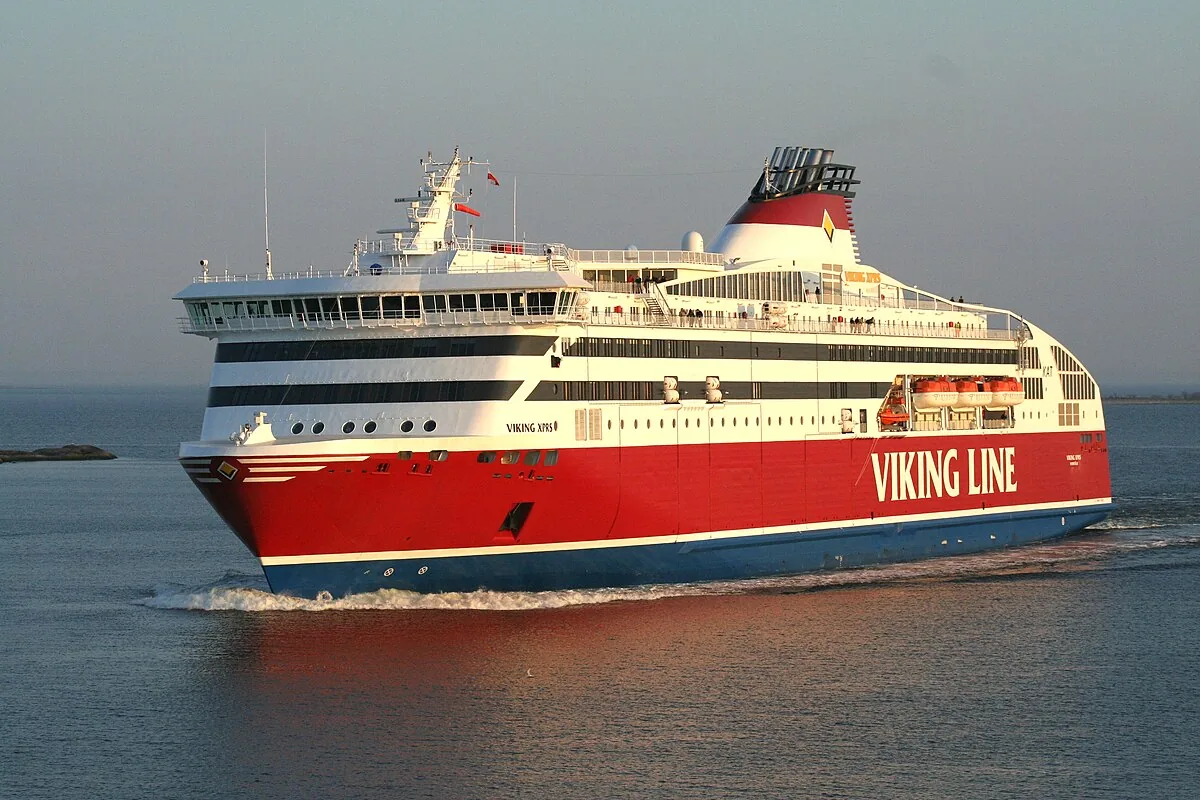
The museum extends through both the medieval castle and the Renaissance palace that Duke John added in the sixteenth century. The Renaissance hall sequence, with reconstructed period furniture and explanations of John and Catherine's court life, is the most historically vivid section. The prison cells in the older part of the castle, including the room where Erik XIV held John prisoner, are preserved with minimal modification. The castle cellars hold a program of medieval-themed events in summer. The harbor view from the castle walls takes in the passenger ferry terminal where cruise ships depart for Stockholm.
Turku Castle is at the Aura River mouth , about two kilometres from the city center and the cathedral. Bus line 1 connects the two. The Turku-Stockholm ferry terminal is adjacent to the castle, making it easy to combine a visit with ferry travel.
Turku Castle is at the Aura River mouth , about two kilometres from the city center and the cathedral.
The Experience
Walk the Renaissance palace halls with reconstructed Duke John-era furnishings, visit the prison cells where Erik XIV held his brother captive, explore the medieval castle cellars, and view the harbor from the castle walls with the Stockholm ferry terminal adjacent.
Why It Matters
One of the largest and most historically significant medieval castles in Scandinavia, the center of Finnish administration for over five hundred years and the seat of a briefly celebrated Renaissance court.
Why Visit
The Duke John and Catherine Jagiellon court story gives the castle a specific human narrative that most medieval fortification museums lack. The combination of courtly Renaissance life and subsequent political imprisonment in the same building, explained across the museum's hall sequence, is genuinely compelling.
✦ Insider Tips
- 1
Allow two hours minimum, the castle is large and the museum covers Finnish medieval history comprehensively.
- 2
The adjacent ferry terminal serves Stockholm via overnight crossing; combining a castle visit with embarking on the ferry is logistically natural.
- 3
The Renaissance hall sequence is the strongest part of the museum, don't rush through the medieval sections to reach it.
- 4
Turku Cathedral is two kilometres away by bus or a pleasant riverside walk along the Aura.