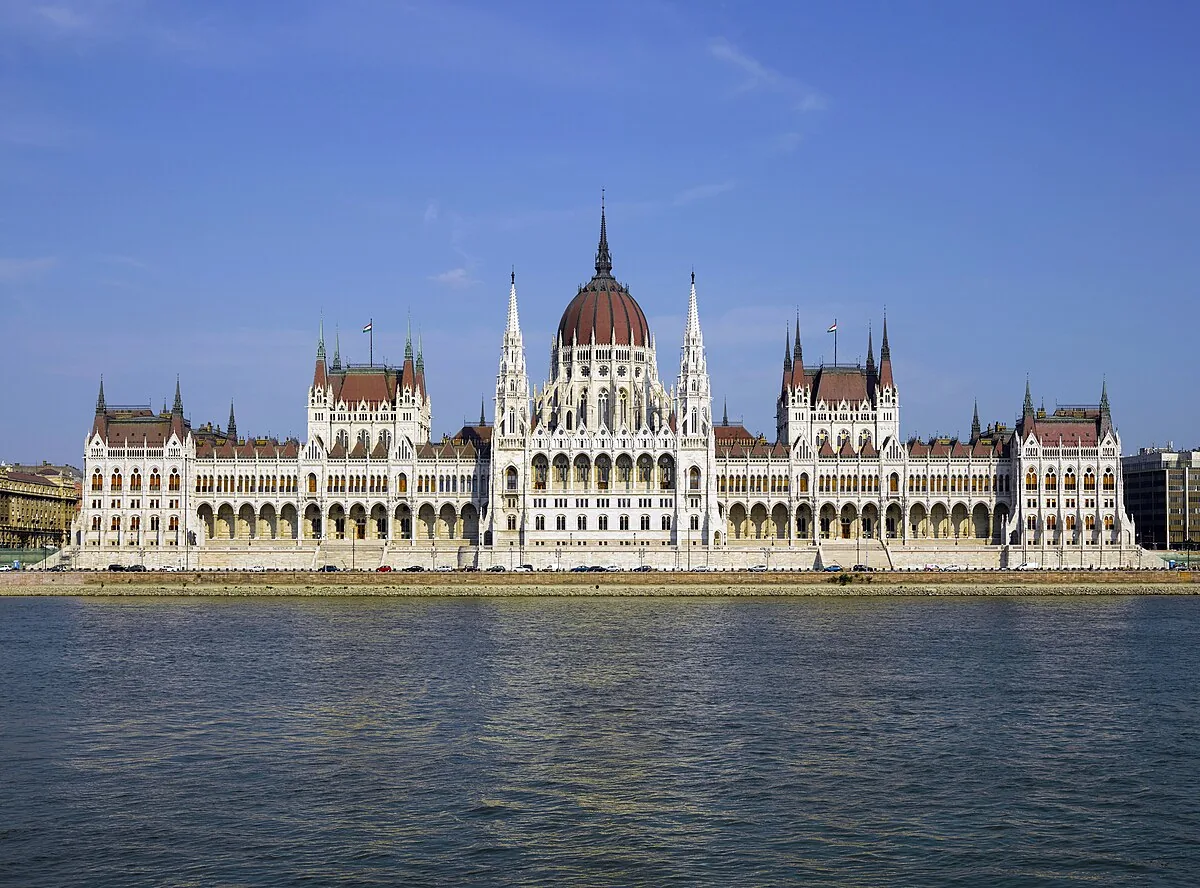
Old Village of Hollókő — historical landmark in Hungary
📍 historicalHungary

Old Village of Hollókő

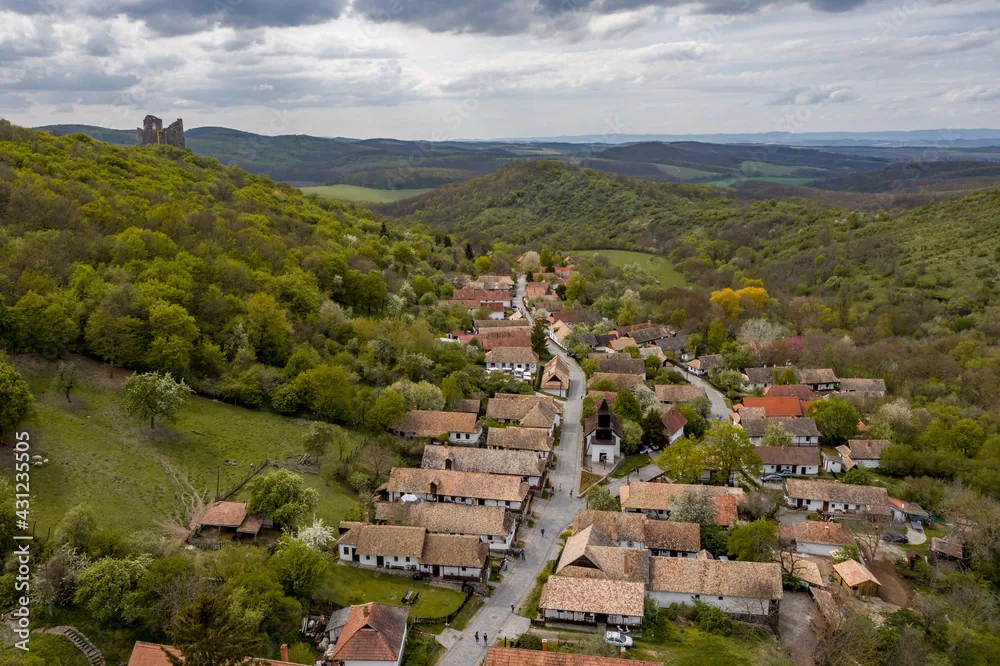
A living 17th-century Palóc settlement of 67 whitewashed stone and timber houses with carved wooden porches; preserved in its medieval state; the village is dominated by the 13th-century castle ruins on the basalt cliff above; walk the cobblestone main street during the Easter festival; the residents wear hand-embroidered traditional costumes; the sound of folk violins echoes off the laterite-red roofs.

Scroll to read

A single spark once erased this entire village from the map, yet the residents rebuilt it exactly as it was, turning a flammable tragedy into a stone-clad sanctuary of Palóc tradition.

About Old Village of Hollókő

History here is marked by the devastating fires of 1705, 1817, and 1909, each of which tested the resolve of the Palóc community. After the final great fire, the villagers chose to abandon their traditional flammable building materials while keeping the ancient, narrow-lot layout that defined their social structure. This decision inadvertently preserved a medieval village plan inside a twentieth-century shell. The castle above the village dates back to the late 13th century, built as a defensive lookout against Mongol incursions. While the fortress fell into ruin after the Ottomans were expelled, the village at its feet continued to thrive through pastoral farming and craftsmanship. The recognition by UNESCO in 1987 wasn't just for the buildings, but for the intangible heritage of the people who refused to move or modernize their ancestral ways even during the pressures of the industrial era.

Old Village of Hollókő in Hungary
Old Village of Hollókő — Hungary

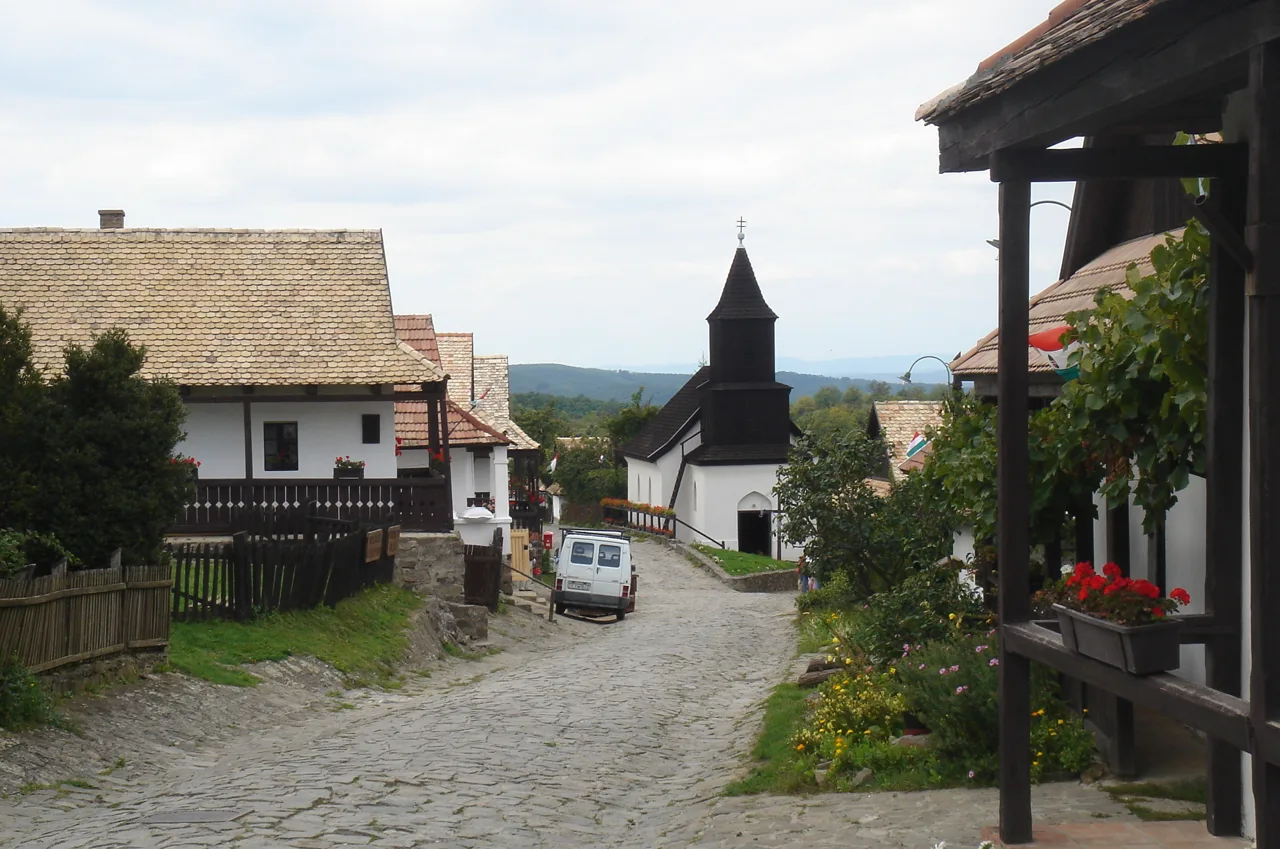
Deep in the Cserhát Mountains, sixty-seven whitewashed houses huddle together as if seeking shelter from the passage of the twenty-first century. This living community, predominantly inhabited by the Palóc people, represents a deliberate rejection of modern architectural transience in favor of wattle-and-daub longevity. The air in the village smells of seasoned oak and cold stone, particularly in the early morning when the mountain mist still clings to the wooden porches. Cobbled streets wind between porches decorated with intricate hand-carved railings, leading toward a simple, shingle-roofed church that marks the center of social and spiritual life. Unlike many heritage sites that feel like abandoned stage sets, the Old Village of Hollókő remains a functioning home where the traditions of the past are woven into the laundry lines and garden plots of today.

Deep in the Cserhát Mountains, sixty-seven whitewashed houses huddle together as if seeking shelter from the passage of the twenty-first century.

Old Village of Hollókő in Hungary — photo 2
Old Village of Hollókő, Hungary

Legends speak of a lord whose castle was built by ravens, but the reality of Hollókő is a saga of fire and reconstruction. Because the original houses were built entirely of wood and straw, the village burned to the ground repeatedly over the centuries. Following a devastating blaze in 1909, the residents decided to rebuild once more using their traditional layout but incorporating stone foundations and thick mud-plastered walls to thwart future embers. This specific architectural response created the pristine, white-walled aesthetic that visitors see today. The Palóc people, an ethnic subgroup with a distinct dialect and exceptionally ornate folk costumes, have guarded this valley since the medieval period. Their resilience transformed a vulnerable cluster of huts into a stone-clad fortress of culture that earned UNESCO protection in 1987 as the first village of its kind to be recognized worldwide.

You notice the texture of the village under your feet first, as the uneven, sun-warmed river stones of the main street demand a slower, more deliberate pace. The soundscape is dominated by the soft chatter of the Palóc dialect and the occasional clatter of a wooden loom from an open doorway. In the afternoon, the light hits the white facades with a brilliance that makes the black-painted timber accents pop, creating a stark, monochromatic beauty. You feel a sense of intimacy when peering into the small windows of the village museum, where embroidered pillows are stacked high in rooms that smell faintly of dried lavender and old wax. Most visitors overlook the narrow path leading up to the castle ruins, but the climb reveals the village’s strategic isolation, tucked into a green fold of the hills where the modern world feels like a distant rumor. Standing in the church square, you realize the quiet isn't an absence of life, but a different quality of presence.

Direct buses depart from Budapest’s Stadion bus station, winding through the northern hills for about two hours before dropping travelers at the edge of the protected zone. If driving, the route follows the M3 motorway before turning onto smaller, serpentine roads that offer glimpses of the volcanic landscape. Parking is restricted to a lot outside the historic core, ensuring that the transition into the old village remains a purely pedestrian affair. Arriving on a Sunday morning offers the best chance to see the village residents in their full ceremonial attire, a kaleidoscope of layers and lace that moves gracefully through the white-washed streets.

Direct buses depart from Budapest’s Stadion bus station, winding through the northern hills for about two hours before dropping travelers at the edge of the protected zone.

The Experience

You notice the temperature drop as you walk under the heavy wooden eaves of the houses, a natural cooling effect of the thick mud walls. The light in the village has a soft, diffused quality, reflected off the white lime-wash that is refreshed every spring. You hear the rhythmic thud of a loom from the weaving house, a sound that has provided the background music for Hollókő for generations. Most people focus on the church, but the real heart of the experience is found in the small vegetable gardens where elderly women tend to heirloom beans and peppers. You feel the weight of tradition in the thick, multi-layered skirts of the local women on feast days, each layer a testament to family status and history. It is a place that rewards the patient observer who stops to look at the carved heart motifs in the gateposts.

Why It Matters

Hollókő is a rare example of a rural settlement that evolved naturally rather than being planned as a museum. It matters because it preserves the specific cultural identity of the Palóc people, a group whose dialect and dress are a unique branch of the Hungarian heritage. It is a living proof that traditional architecture and communal living can survive the homogenizing forces of the modern age.

Why Visit

Visit Hollókő because it is the only place in Hungary where you can walk through a medieval street plan that is still inhabited by the descendants of the original builders. Unlike a theme park, the smoke coming from the chimneys is real, and the traditions aren't performed—they are lived. It offers a tangible, textured encounter with a version of Europe that has vanished everywhere else.

✦ Insider Tips

  • 1

    Climb the castle hill at sunset for a view that places the village in its true geographical context as a secret mountain hideaway.

  • 2

    Look for the 'Palóc Doll Museum' to understand the staggering complexity of the local folk dress through miniature historical recreations.

  • 3

    Sample the 'görhe,' a traditional cornmeal sweet, from one of the small windows in the lower village where locals sell home-baked goods.

  • 4

    Walk the 'Vár-alja' nature trail that loops behind the village to see the basalt rock formations that gave the region its rugged character.

  • 5

    Visit on a non-festival Tuesday or Wednesday if you want to experience the haunting, lonely silence of the mountains without the weekend day-trippers.

Free Travel Tools
Games & Discover

Featured

Conquer the World

195 nations. One dart. Build your empire.

New Game

FateLand

Three darts. The world decides your fortune, heartbreak & legacy.

FateLand
Fortune. Heartbreak. Legacy. Throw & find out.
Show on Map