

Explore
Landmarks & Places
Must-see destinations across Hungary
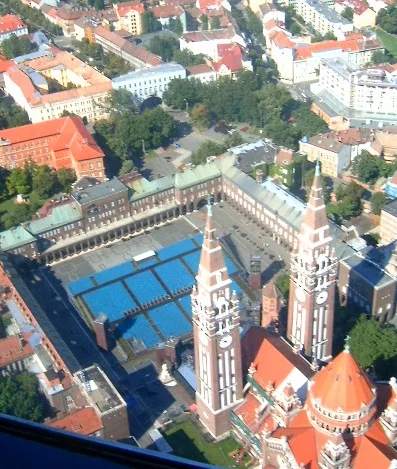
Dóm Square
Exactly twelve thousand square meters of red brick rose from the mud of a catastrophic flood to create a plaza with acoustics so perfect a whisper can travel the length of a cathedral.
Explore →
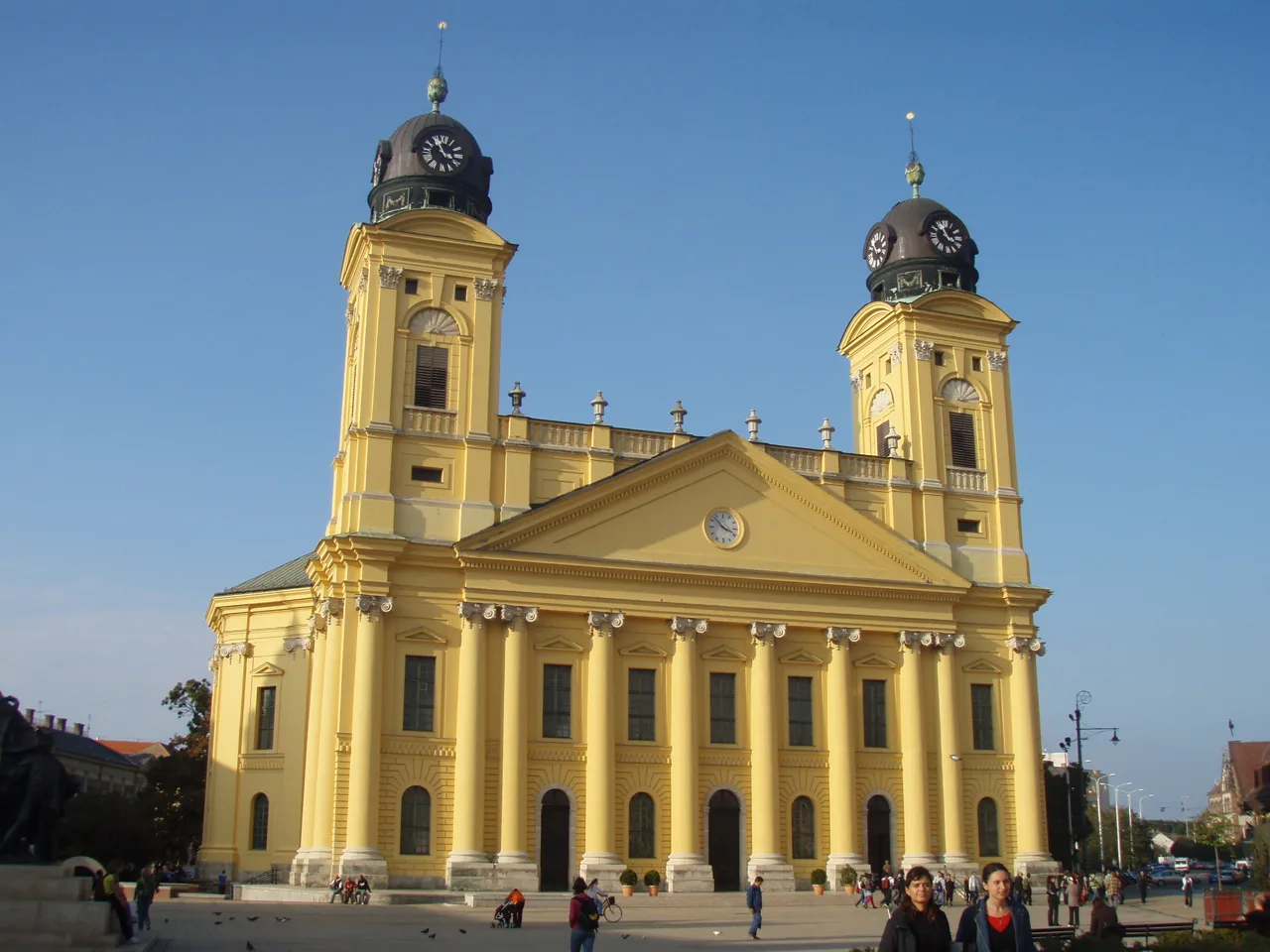
Great Reformed Church of Debrecen
A revolutionary leader once stood at this pulpit to abolish an empire, yet the room itself is so quiet and white it feels like standing inside a cloud.
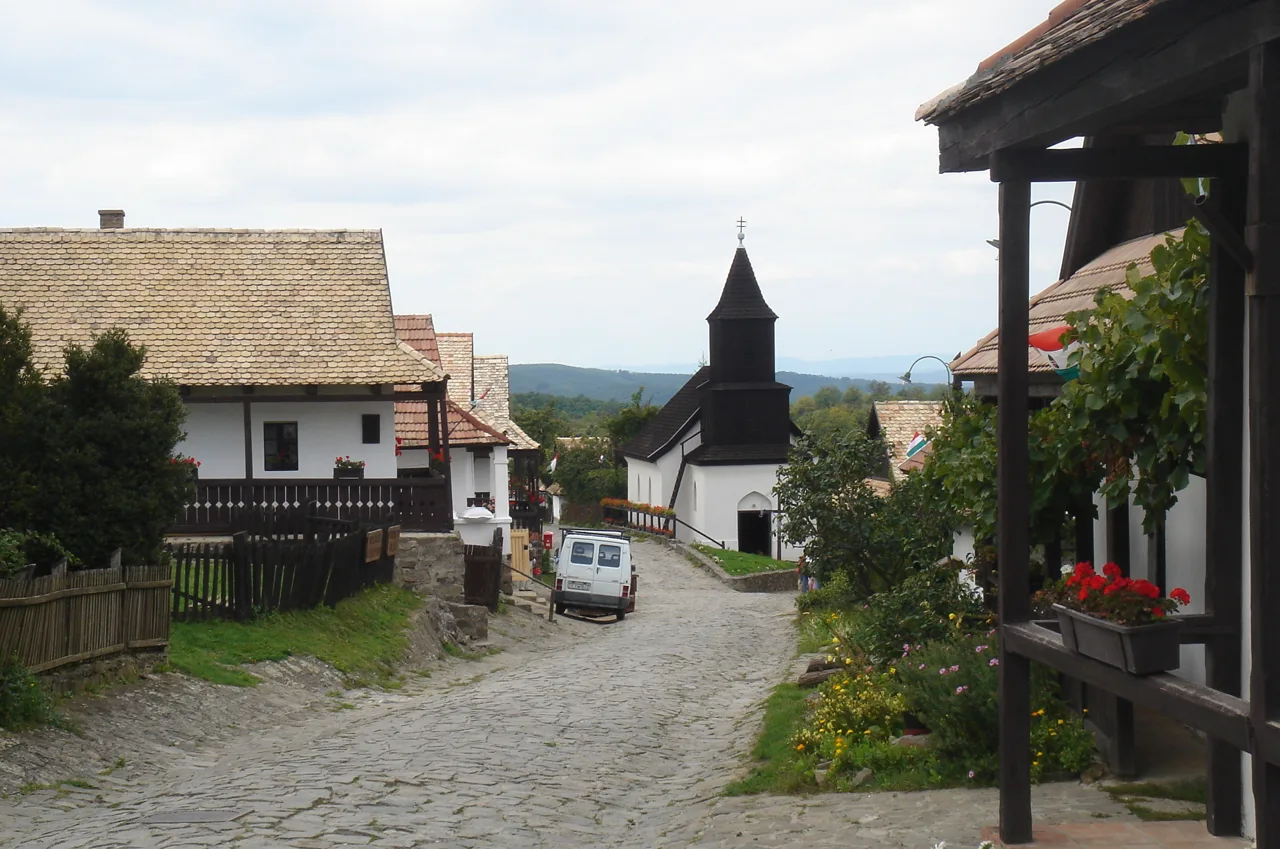
Old Village of Hollókő
A single spark once erased this entire village from the map, yet the residents rebuilt it exactly as it was, turning a flammable tragedy into a stone-clad sanctuary of Palóc tradition.
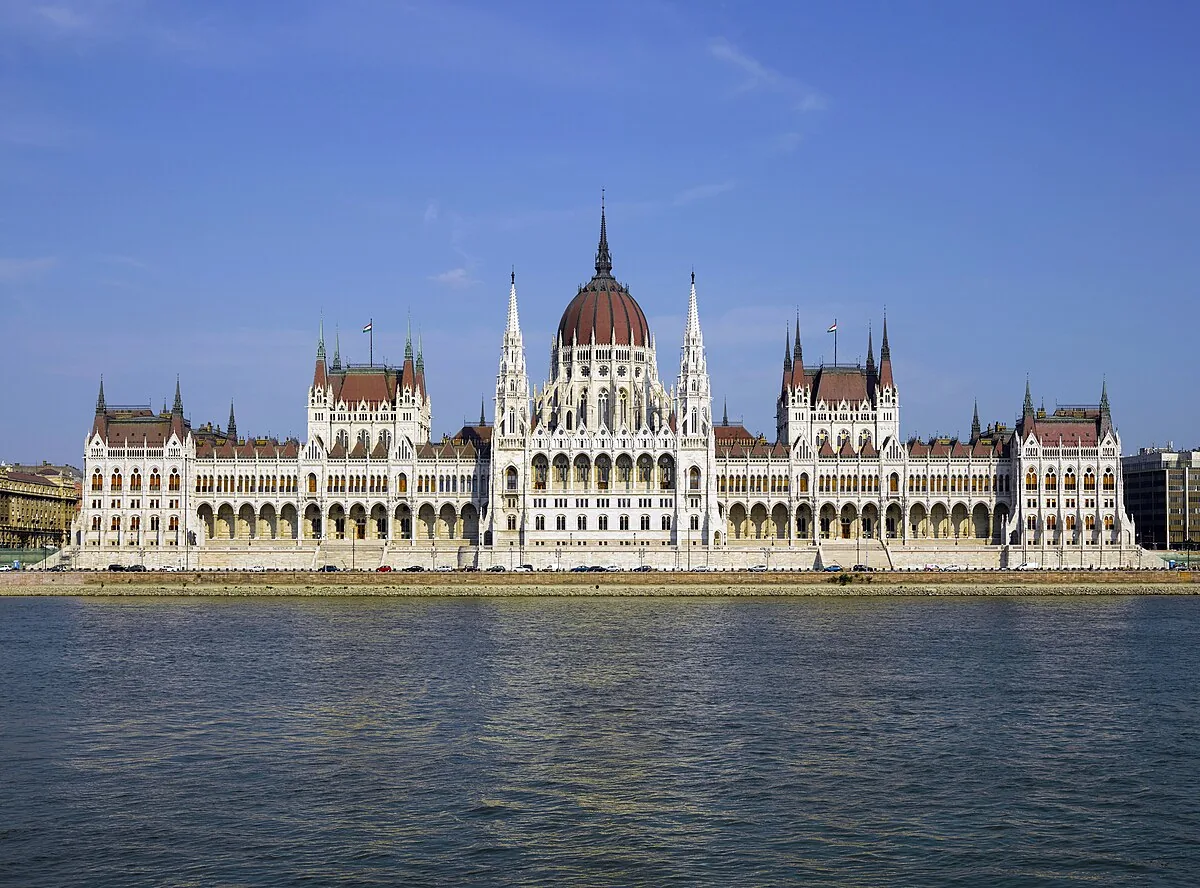
Hungarian Parliament Building
A colossal Gothic Revival sentinel on the Danube bank; constructed with 40 million bricks and 40 kilograms of 24-carat gold leaf; the 96-metre dome dominates the skyline of Pest; cross the Kossuth Lajos Square at dusk when the facade's 242 sculptures are up-lit; reflecting off the black river water while the sound of the evening tram echoes against the limestone piers.
Szechenyi Thermal Bath
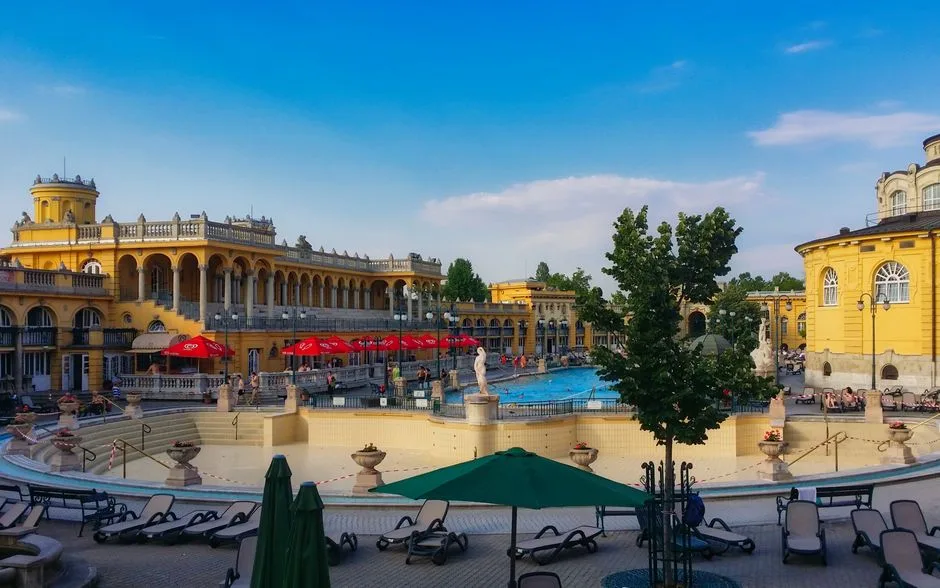
The largest medicinal bath in Europe is housed within a bright yellow Neo-Baroque palace in the City Park; its outdoor pools are fed by 76°C thermal springs surfacing from 1;246 metres below; enter at 6 am when steam rises in thick white plumes against the freezing winter air; the sound of old men playing chess on floating boards provides a rhythmic; local heartbeat.
Hortobágy National Park
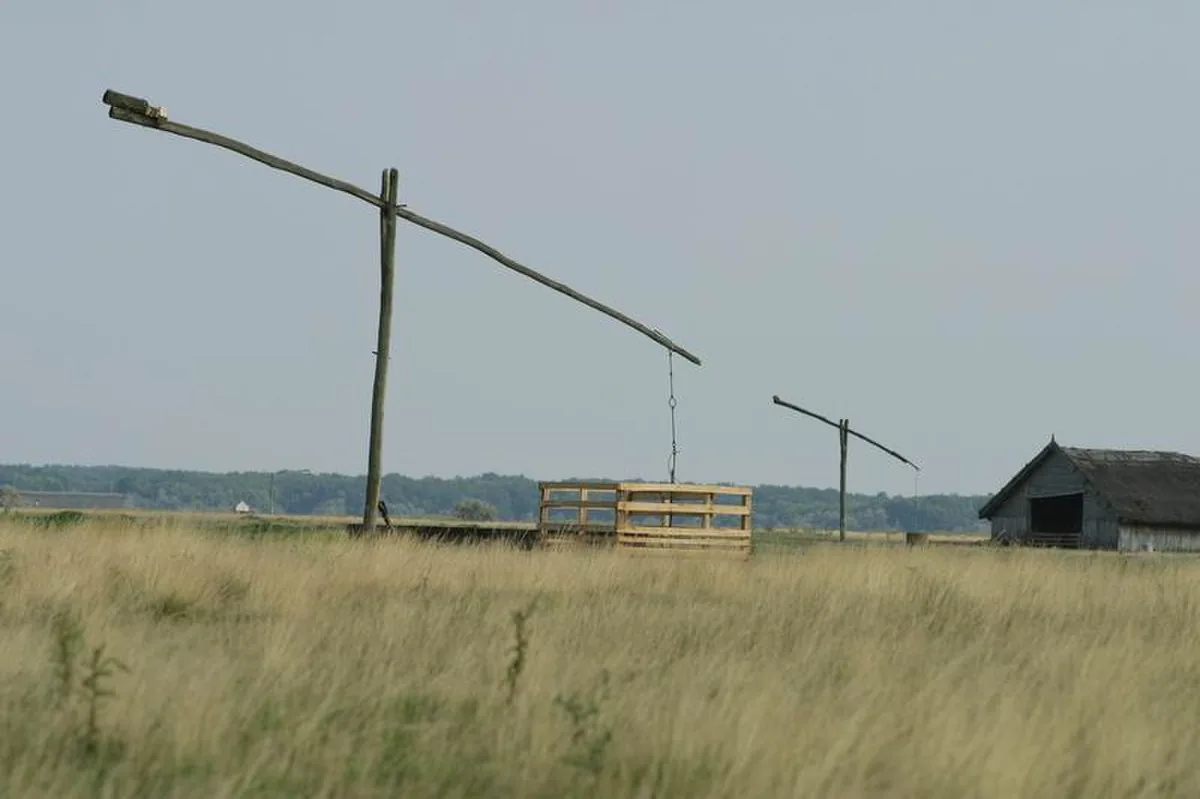
The largest semi-natural grassland in Europe; the Puszta is a 800-square-kilometre expanse of alkaline marshes and steppe; the Nine-Hole Bridge is a 19th-century masonry masterpiece spanning the swamp; stand on the horizon at sunset when the traditional Shadoof wells silhouette against a blood-red sky; the air carries the scent of dry grass and the low lowing of grey cattle.
Tokaj Wine Region
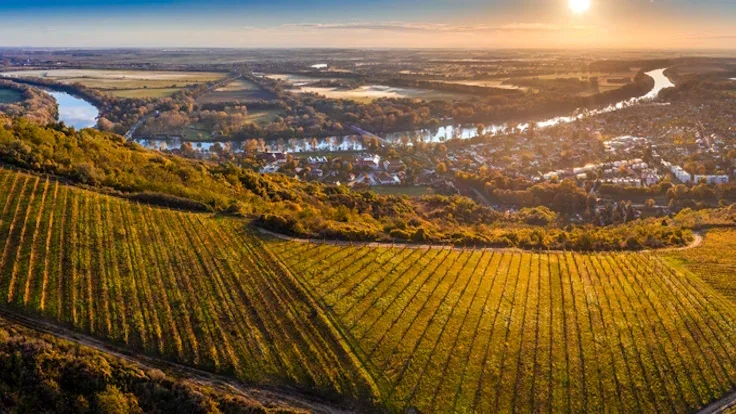
A UNESCO-listed landscape of volcanic slopes and deep; mould-covered labyrinths where the world's first botrytised wine has been produced since the 17th century; the cellars are carved into porous volcanic tuff and lined with Cladosporium cellare fungus; descend into the Rakoczi Cellar at midday; the smell of damp earth and sweet grape must is pervasive while the candlelight flickers in the thin; oxygen-starved air.
Pannonhalma Archabbey
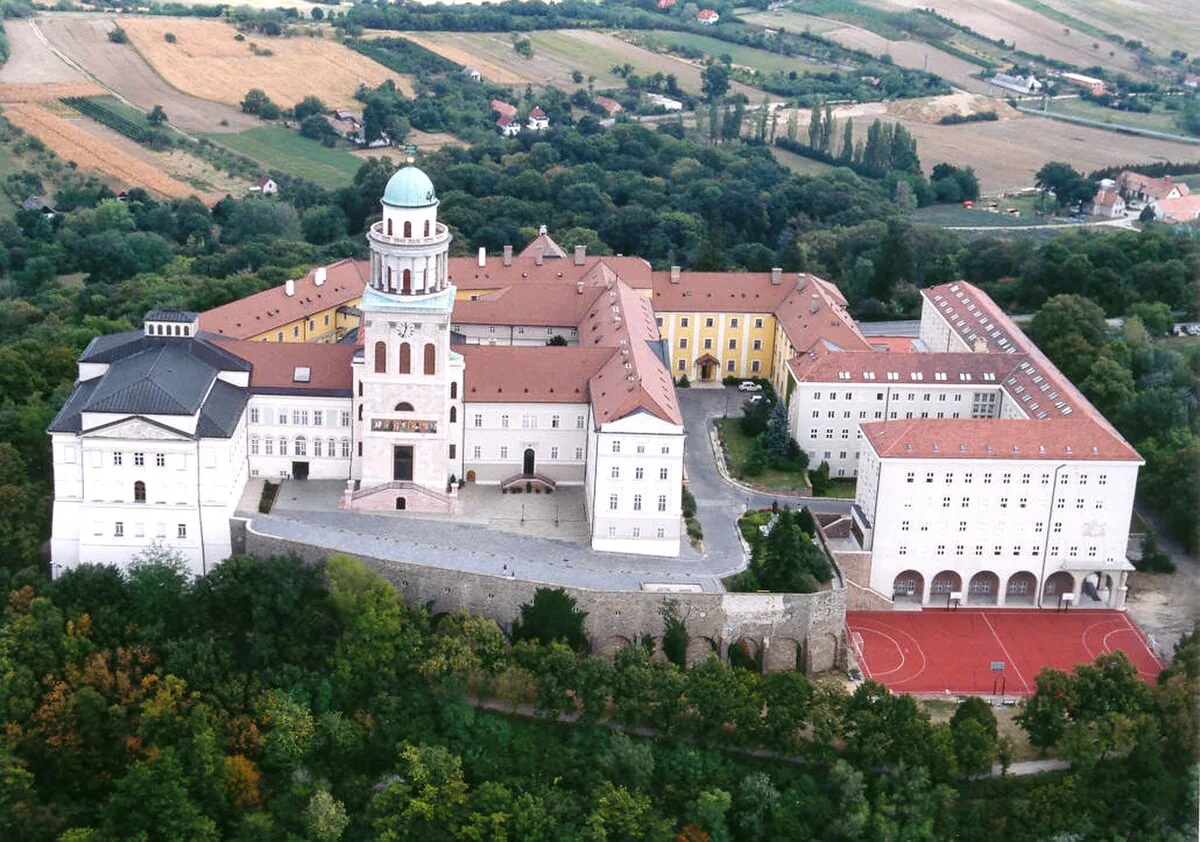
Founded in 996; this Benedictine stronghold features a 13th-century early Gothic cloister and a massive Neoclassical library holding 400;000 volumes; the site sits atop the 282-metre Saint Martin's Hill; attend the Latin vespers at 5 pm; the sound of Gregorian chanting vibrates through the Romanesque red marble pillars while the late sun turns the arboretum below into a sea of deep emerald.
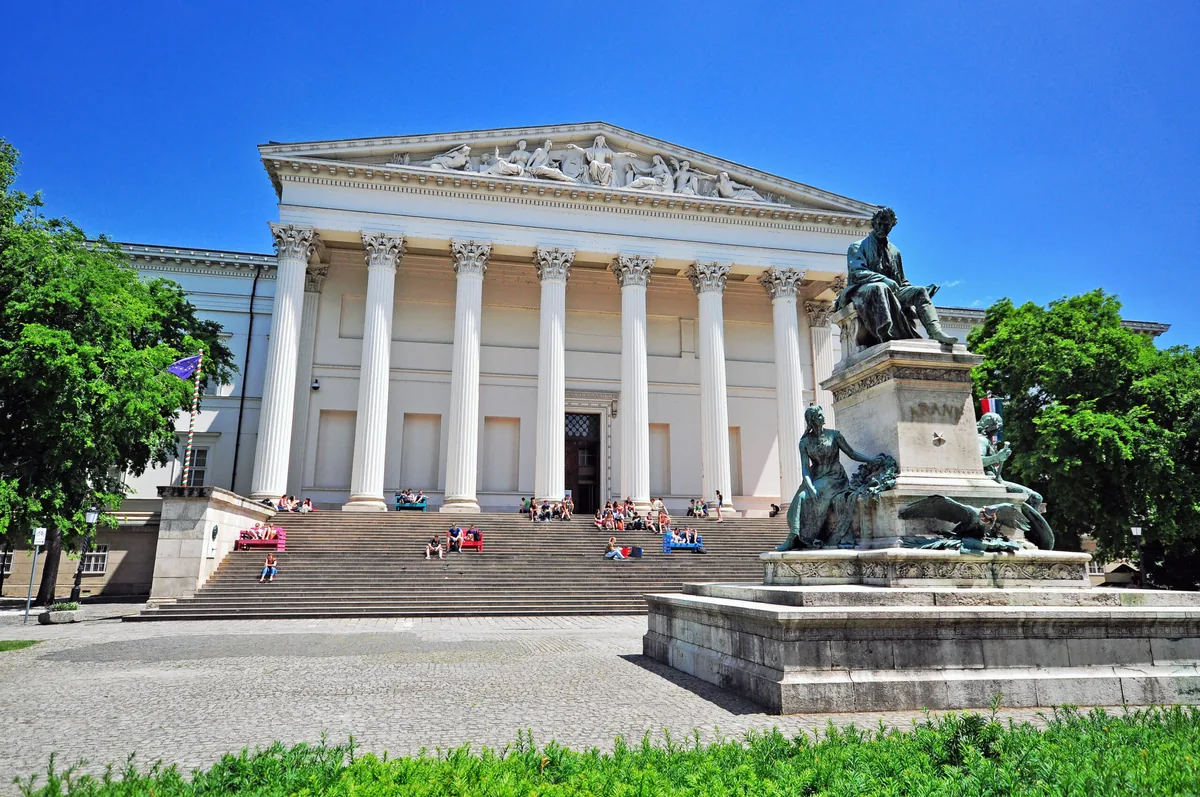
Hungarian National Museum
The Neoclassical cradle of the 1848 Revolution; this 1837 edifice houses the Monomachus Crown and the mantle of Saint Stephen; the grand staircase features frescoes depicting the apotheosis of Hungarian history; walk the Roman Lapidarium at opening; the clinical light through the tall windows highlights the jagged Latin inscriptions on moss-slicked basalt fragments; the silence is heavy with imperial weight.
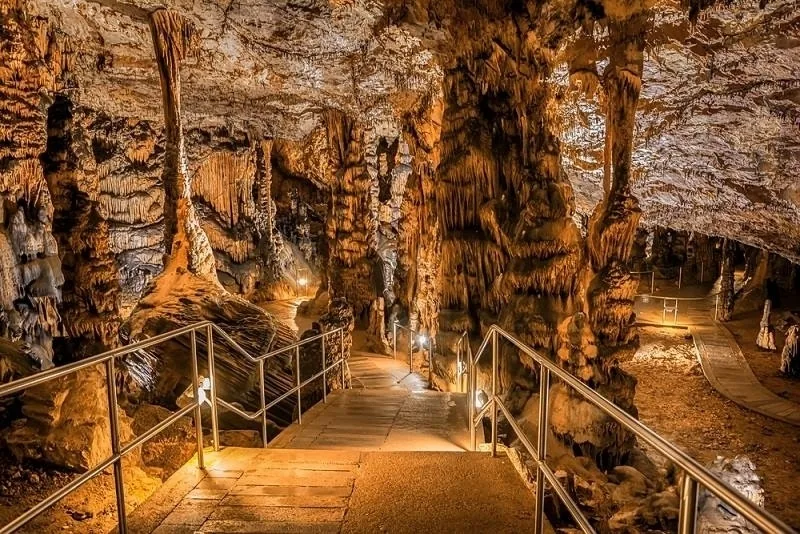
Baradla Cave
A 25-kilometre subterranean labyrinth of prehistoric stalactites and gargantuan limestone dripstones crossing the border into Slovakia; the 'Music Hall' cavern features acoustics so precise they host classical concerts; navigate the 'Giant’s Hall' at noon; the guide’s lamp reveals the glint of calcite crystals on the damp walls; the sound of constant water droplets hitting the cave floor is the only measure of time.
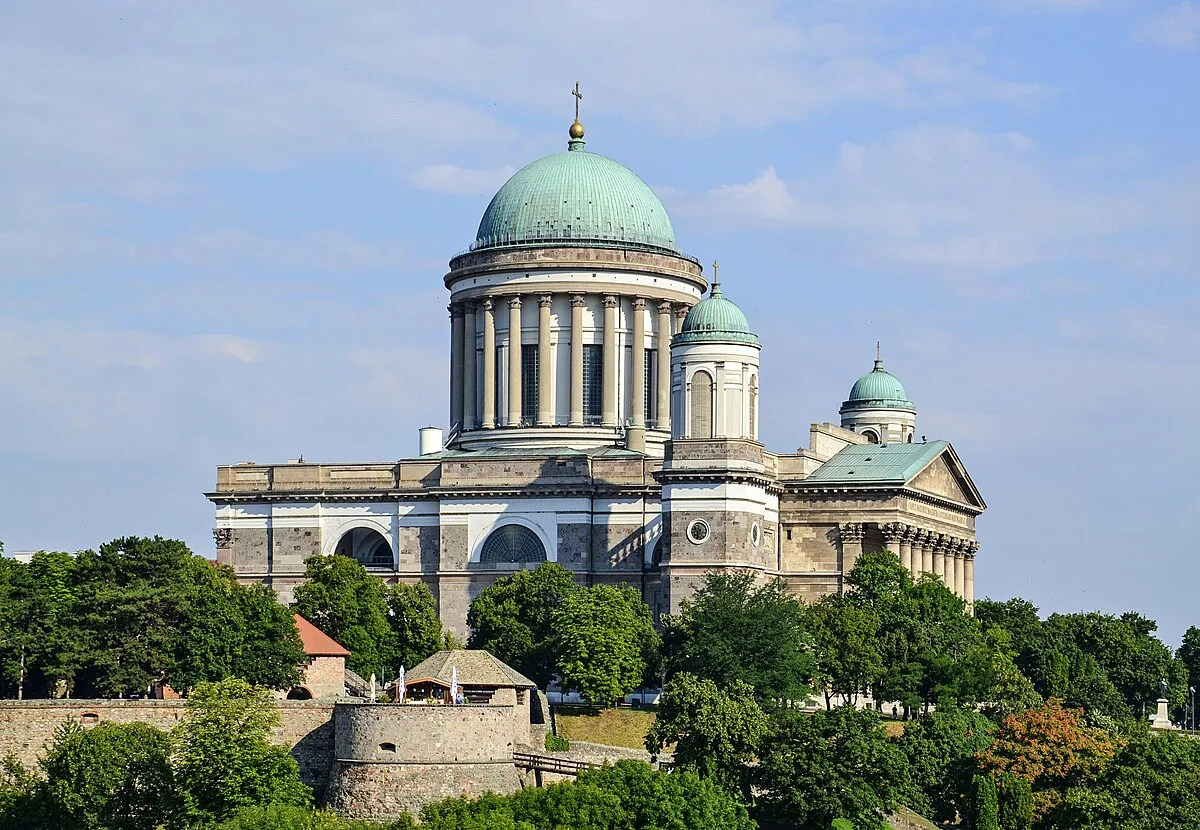
Esztergom Basilica
The largest church in Hungary is a 19th-century Classicist giant with 17-metre thick walls and a 100-metre high dome overlooking the Danube; the Bakócz Chapel is the only surviving piece of Hungarian Renaissance red marble architecture; climb the dome at 10 am; the view spans across the river into Slovakia while the scent of cold incense and old stone rises from the nave.
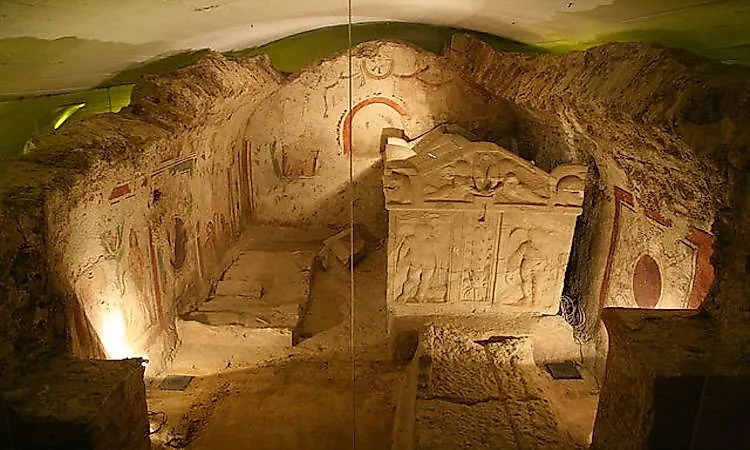
Early Christian Necropolis of Pécs
A 4th-century Roman burial complex featuring underground chambers and a unique 'Cella Septichora' with seven apses; the walls are decorated with early Christian murals of Daniel in the lions' den; descend the steel staircase at dusk; the subterranean humidity carries the smell of wet limestone; the low-voltage lighting casts long; dramatic shadows of the Roman masonry across the hand-painted vaults.
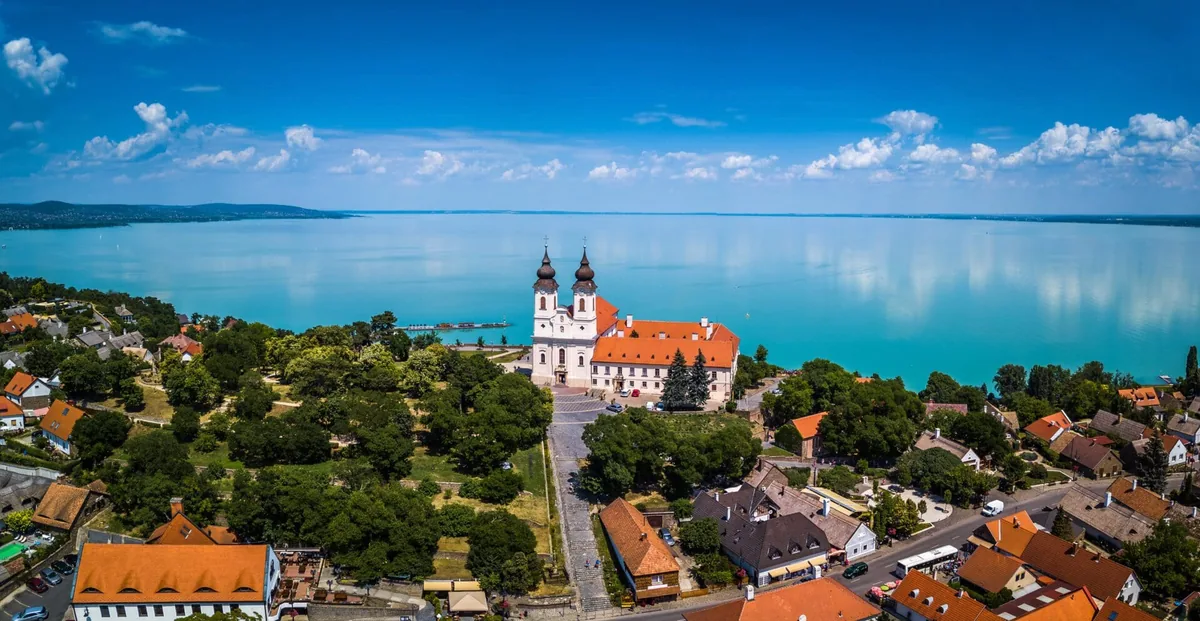
Tihany Peninsula
A volcanic promontory jutting into Lake Balaton; defined by its lavender fields and the twin-spired Benedictine Abbey founded in 1055; the echo at the hill’s summit is a local phenomenon resulting from the basalt rock formations; stand on the cliff edge at sunrise when the lavender scent is strongest; the lake below looks like hammered silver while the sound of the abbey bells rolls over the water.
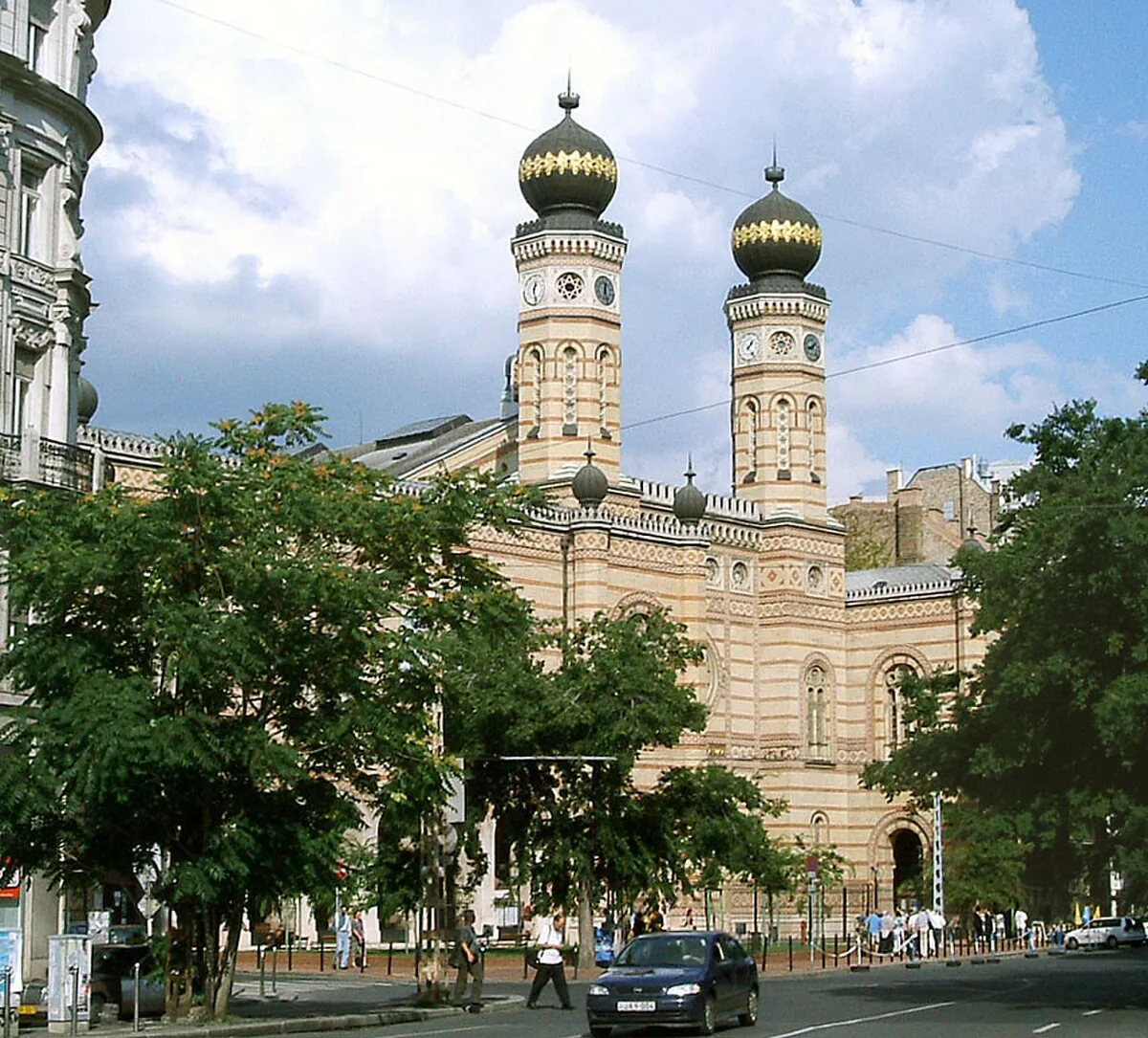
Dohány Street Synagogue
The largest synagogue in Europe is a Moorish Revival masterpiece from 1859; featuring twin towers topped with onion domes and an interior of hand-hammered copper and gold; the 'Tree of Life' memorial in the courtyard is a silver weeping willow; enter the nave at 4 pm; the light through the stained glass turns the interior amber; reflecting off the intricate geometric tilework of the floor.
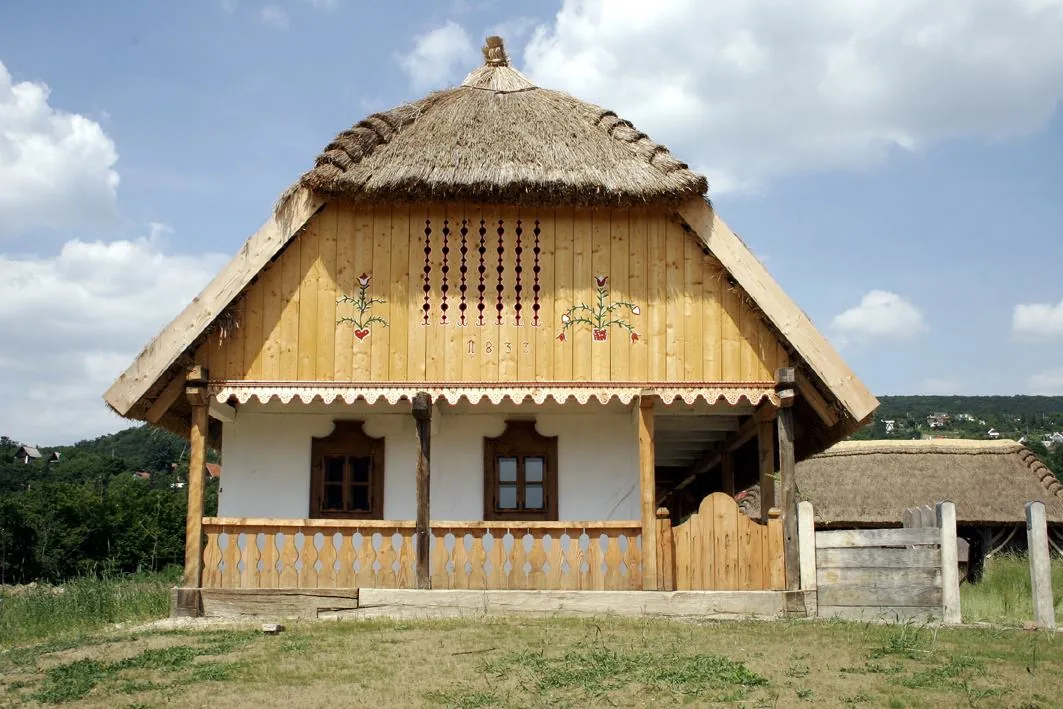
Skanzen Open Air Museum
The largest outdoor ethnographic collection in Hungary spans 60 hectares; recreating 18th-century village life with relocated timber houses and thatched mills; the site is organised into eight regional clusters; board the vintage steam train at 10 am; the smell of coal smoke and wet straw is evocative; the silence between the regional 'villages' is only broken by the creak of wooden farm tools.
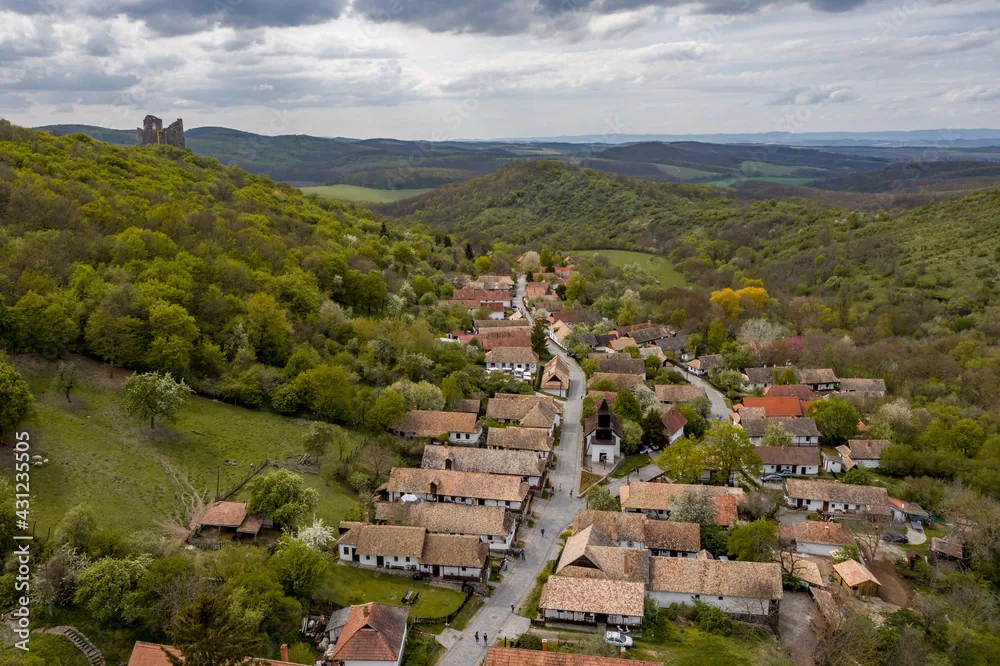
Old Village of Hollókő
A living 17th-century Palóc settlement of 67 whitewashed stone and timber houses with carved wooden porches; preserved in its medieval state; the village is dominated by the 13th-century castle ruins on the basalt cliff above; walk the cobblestone main street during the Easter festival; the residents wear hand-embroidered traditional costumes; the sound of folk violins echoes off the laterite-red roofs.
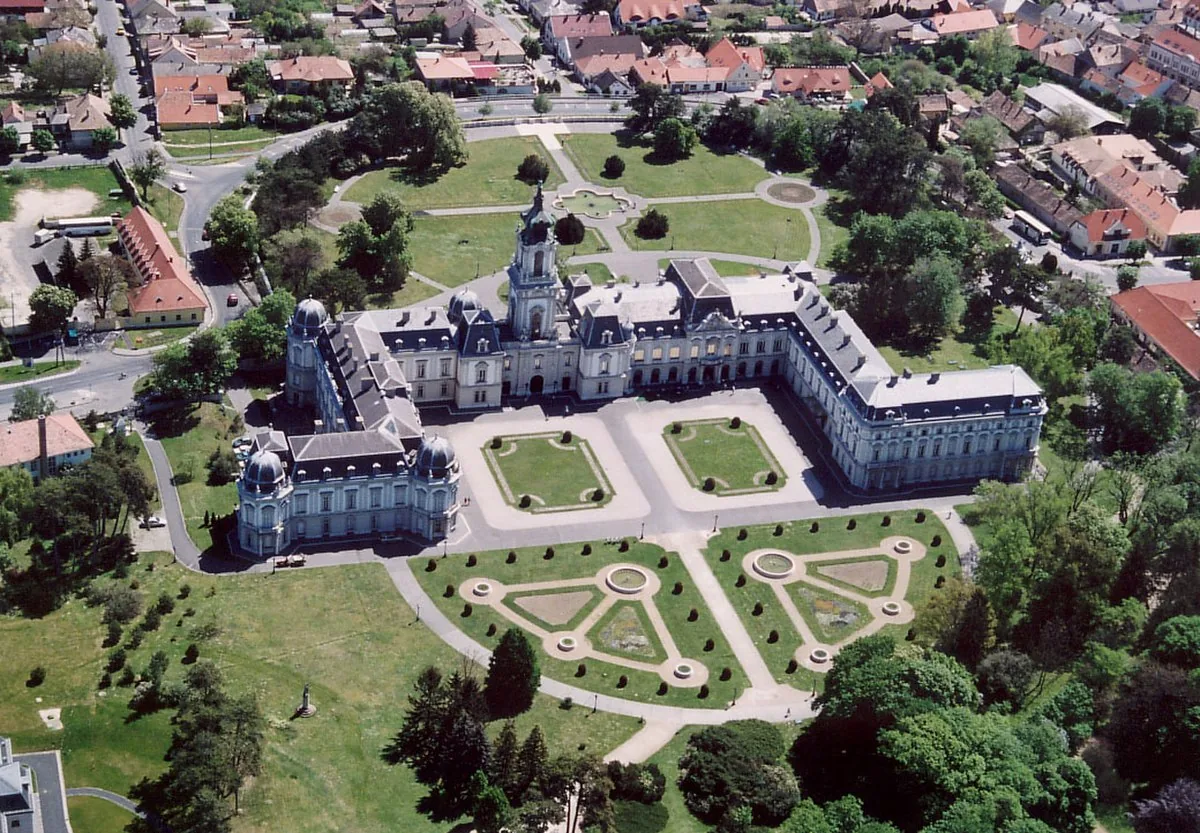
Festetics Palace
A 1745 Baroque palatial complex featuring 101 rooms and the massive Helikon Library with its hand-carved oak shelving; the facade is a riot of white limestone and copper-domed turrets; walk the mirror-lined ballroom at dusk; the low sun catches the crystal chandeliers; reflecting across the silk-lined walls; the smell of floor wax and old parchment is dense and aristocratic.
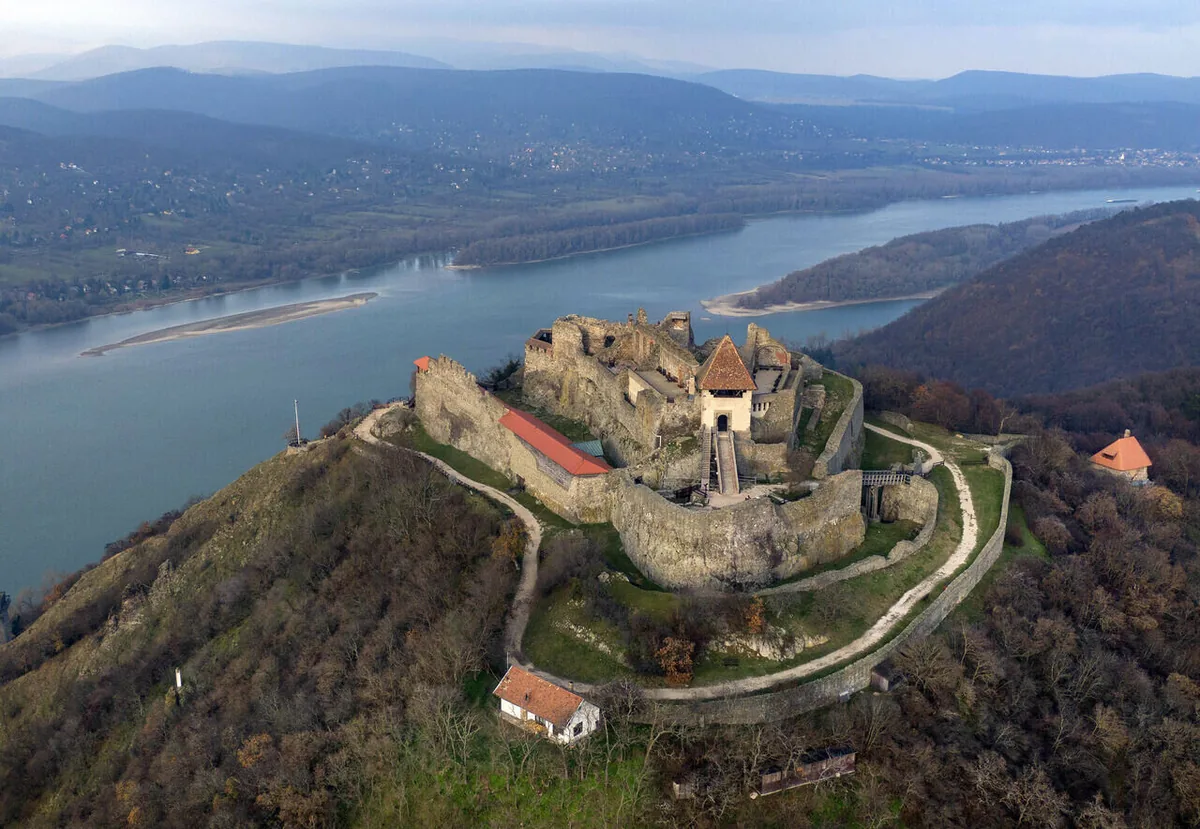
Visegrád Citadel
A 13th-century double-castle system perched 333 metres above the Danube Bend; where the medieval kings of Hungary kept the crown jewels; the stone ramparts offer a vertical view of the river's 180-degree turn; climb to the upper bastion at dawn; the pre-dawn mist clings to the Pilis Mountains; the sound of the wind through the battlements is the only distraction from the panoramic silence.
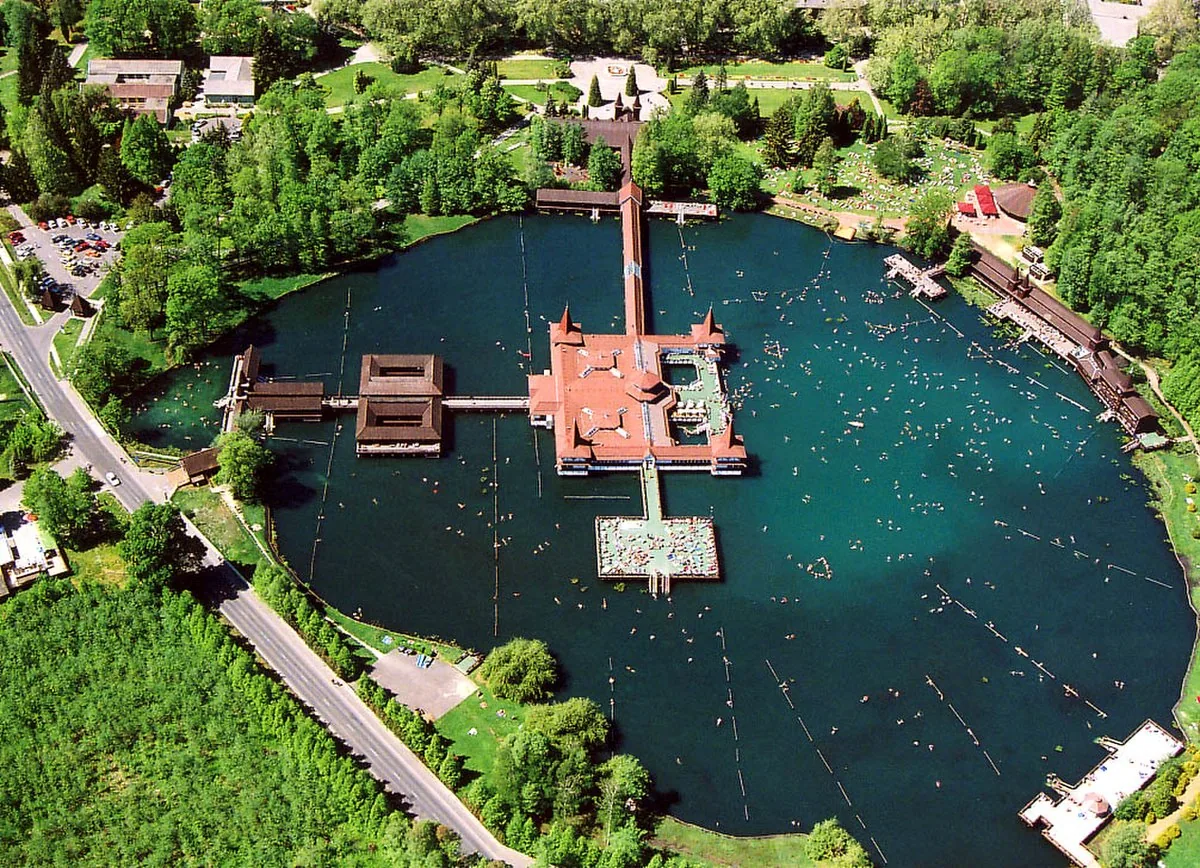
Lake Hévíz
The world's largest swimmable biologically active thermal lake; its 4.4-hectare surface is covered in Indian red water lilies; the water completely replenishes itself every 72 hours from a 38-metre deep cave; swim near the central bath house at 7 am; the water temperature remains a constant 30°C; the thick mist creates a sensory vacuum where you only hear the rhythmic splashing of distant swimmers.
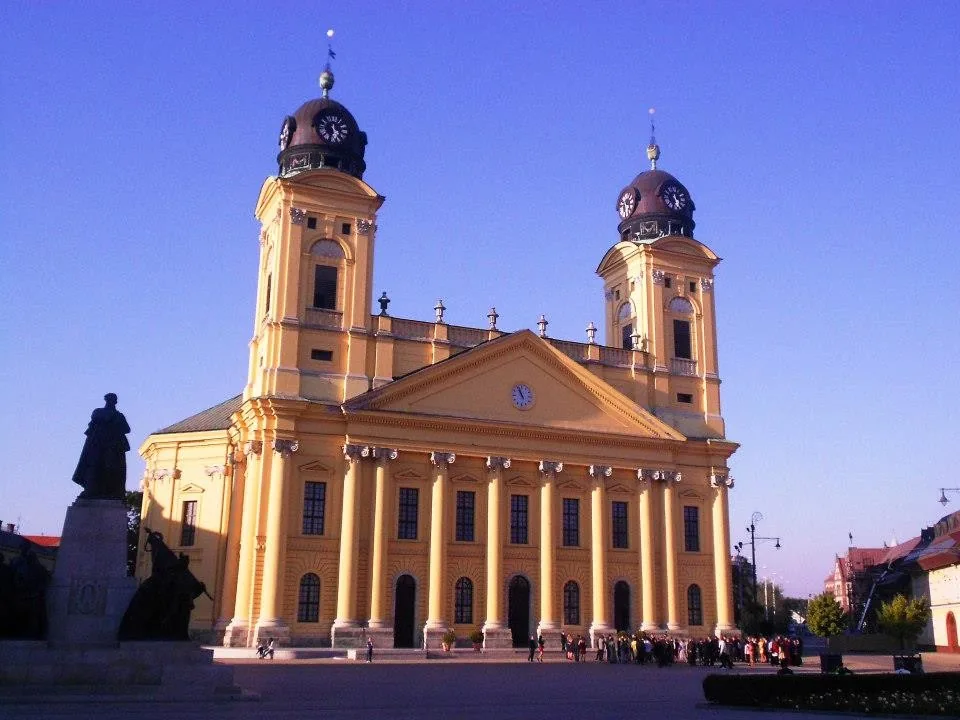
Great Reformed Church of Debrecen
The symbolic heart of Hungarian Protestantism is a 19th-century Neoclassical giant where Lajos Kossuth declared independence in 1849; the white-washed interior is stark and devoid of icons; emphasising the massive 5;000-pipe organ; sit in the oak pews at midday; the light through the tall; clear windows is blindingly bright; reflecting off the white walls with a clinical; austere clarity.
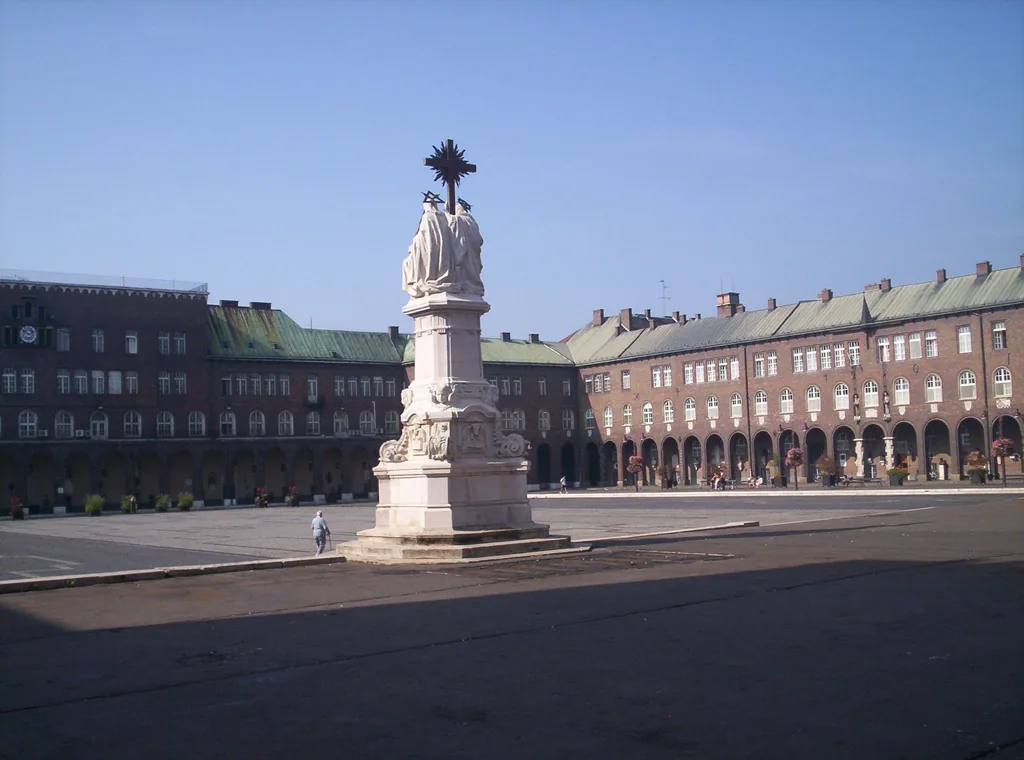
Dóm Square
A 12;000-square-metre Mediterranean-style plaza enclosed by the brick Votive Church and the musical clock of the University; the space is the same size as Venice's St. Mark's Square; walk the arcades at 6 pm; the sound of the musical clock’s mechanical figures provides a whimsical beat while the sunset turns the red-brick facades of the surrounding buildings into a deep terracotta.
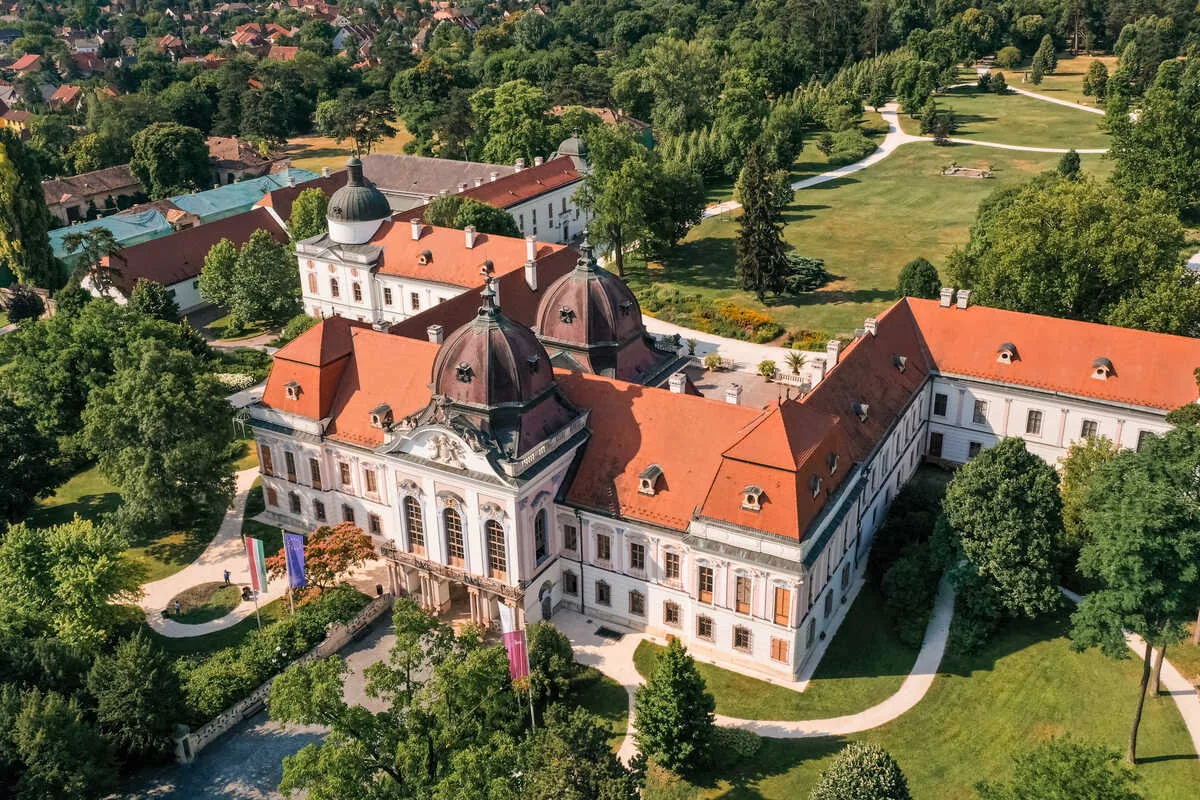
Royal Palace of Gödöllő
The 18th-century 'Hungarian Versailles' was the favourite summer residence of Empress Elisabeth (Sisi); its Grassalkovich-style architecture is defined by U-shaped wings and pink-and-white stucco; walk the royal stables at 3 pm; the smell of old leather and hay remains; the light through the arched windows illuminates the marble troughs; creating a silent; nostalgic link to the Austro-Hungarian elite.
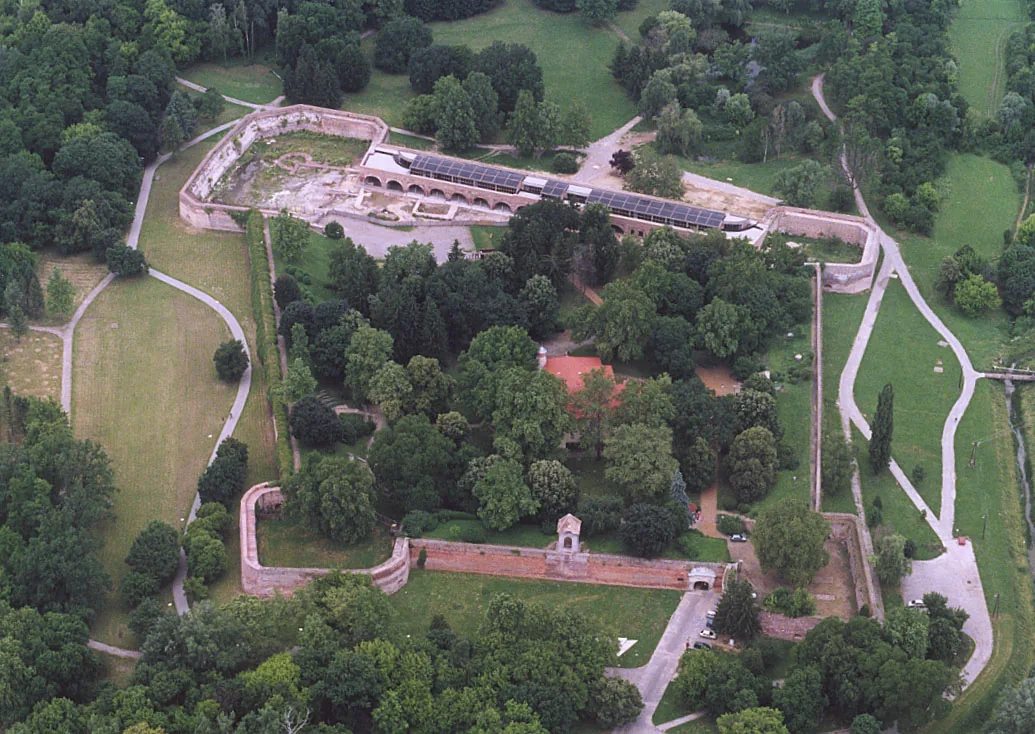
Szigetvár Fortress
The site of the 1566 siege where Sultan Suleiman the Magnificent died while battling Miklós Zrínyi; the fortress is a mix of medieval stone walls and Ottoman architectural insertions; visit the Mosque of Sultan Suleiman within the walls at twilight; the laterite-red earth and the moss-slicked basalt foundations absorb the heat; the silence of the southern plain is vast and military.
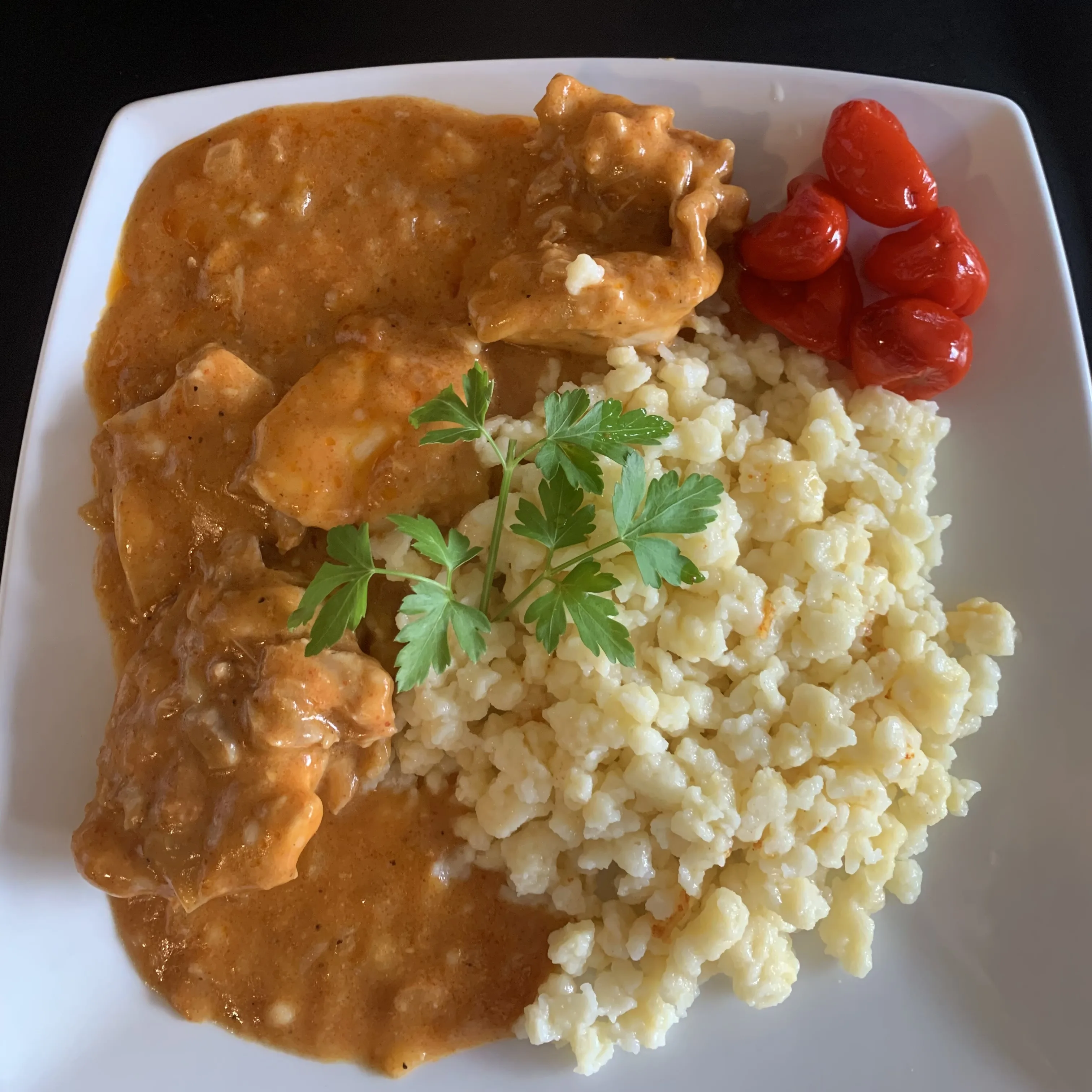
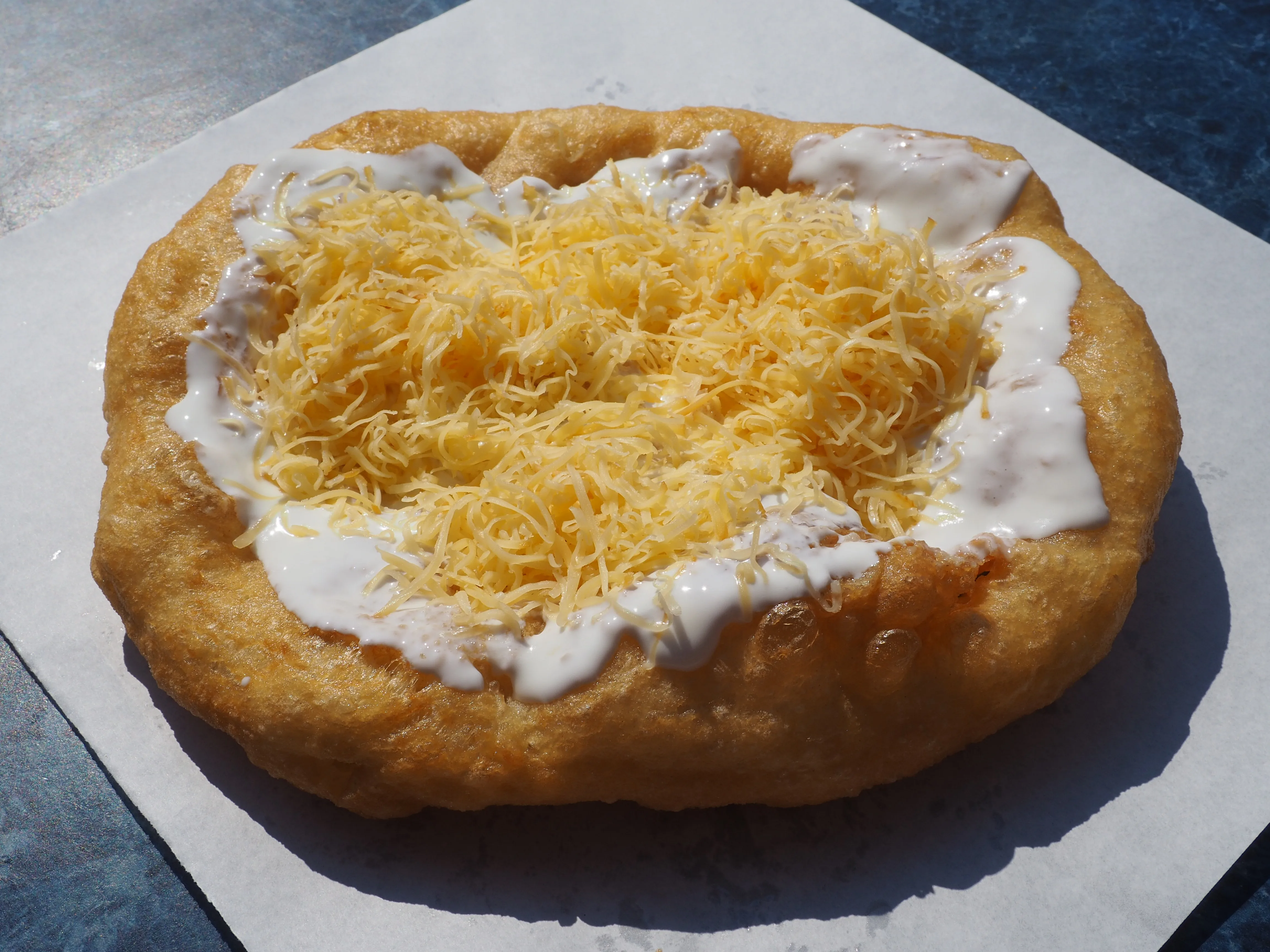
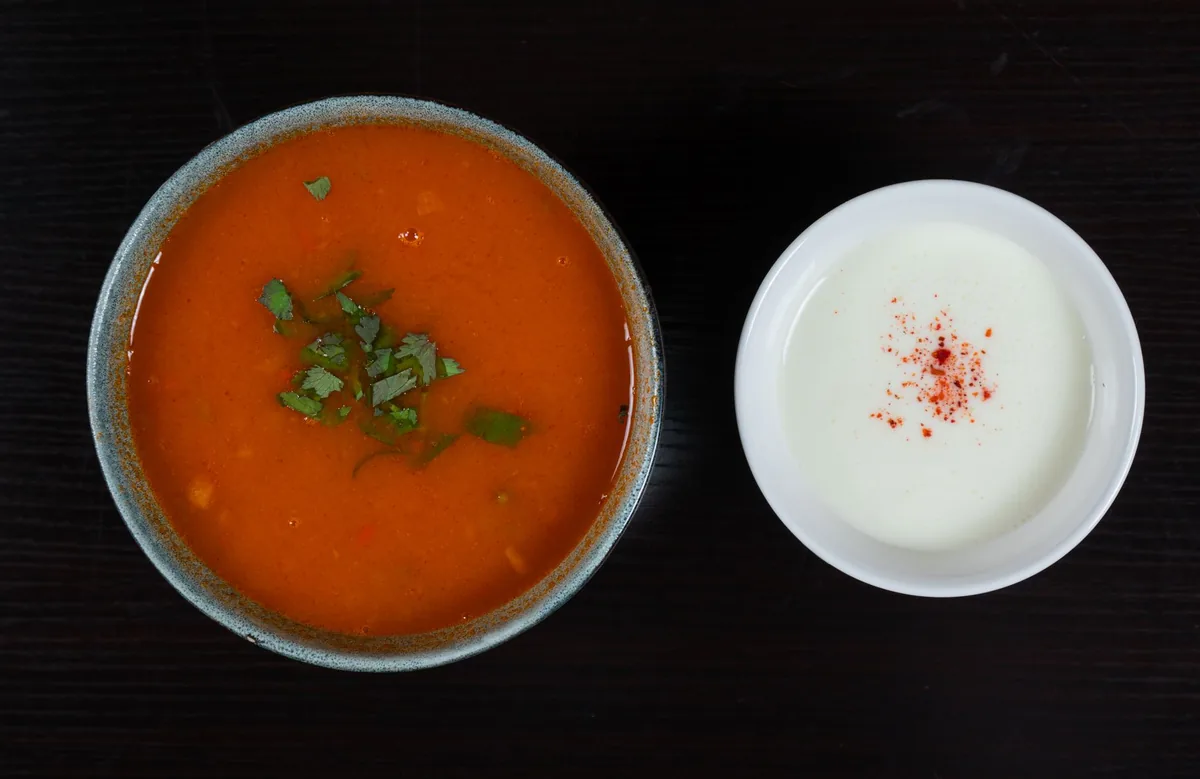
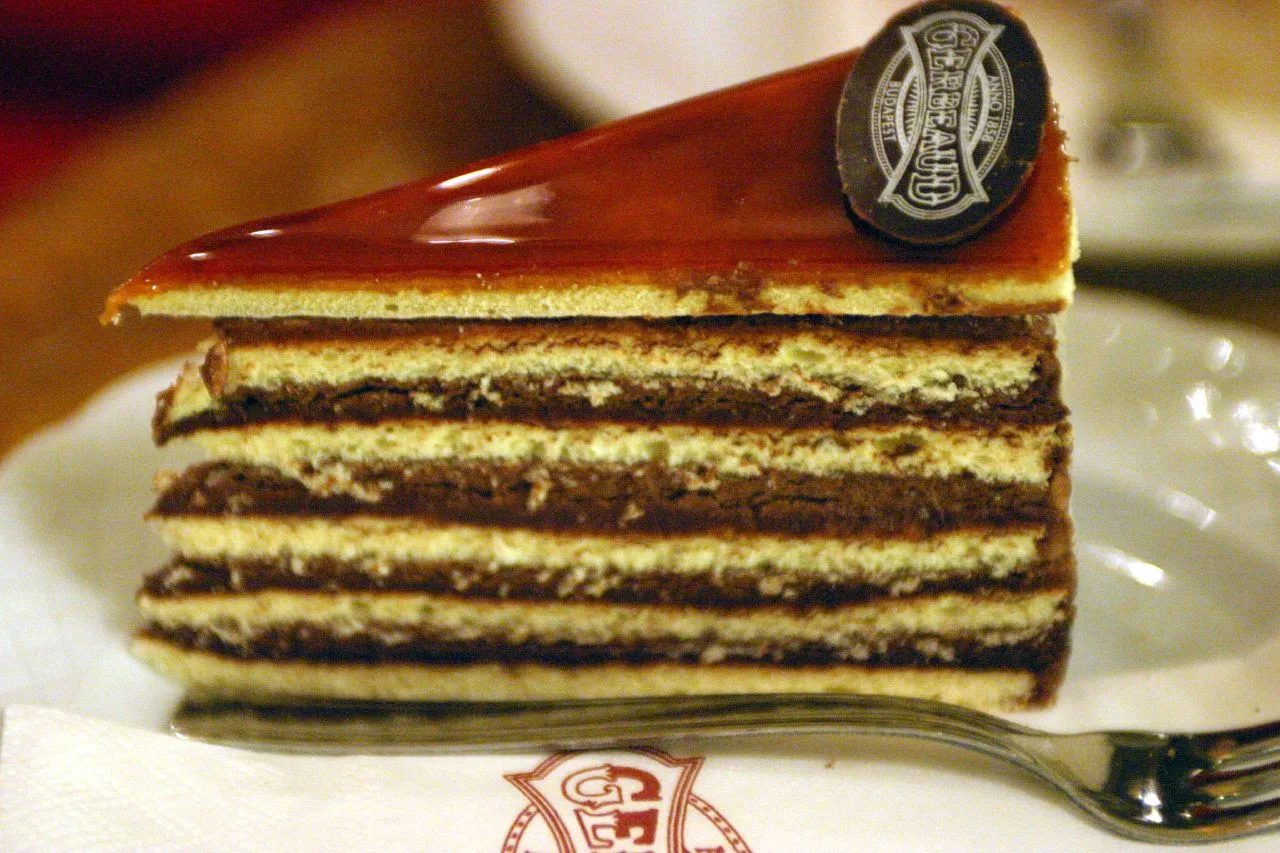
Cuisine
Must-Try Dishes
The flavours that define Hungary
Flights
Fly to Hungary
Compare prices across local & global booking platforms
✈ Flights to Hungary
🏨 Hotels in Hungary
Clicking opens the booking platform. WorldCurio may earn a commission at no extra cost to you.
Did You Know
Hungary Facts
Fascinating things most travellers never learn
Hungary invented the Rubik's Cube, the ballpoint pen (László Bíró, 1938), the hologram, the krypton electric bulb, and the carburetor — more per-capita Nobel inventions than almost any country.
Hungary's Lake Balaton is Central Europe's largest lake and called the 'Hungarian Sea'. It's so shallow (average 3.2 m) that it can be waded across in parts — yet it's 77 km long.