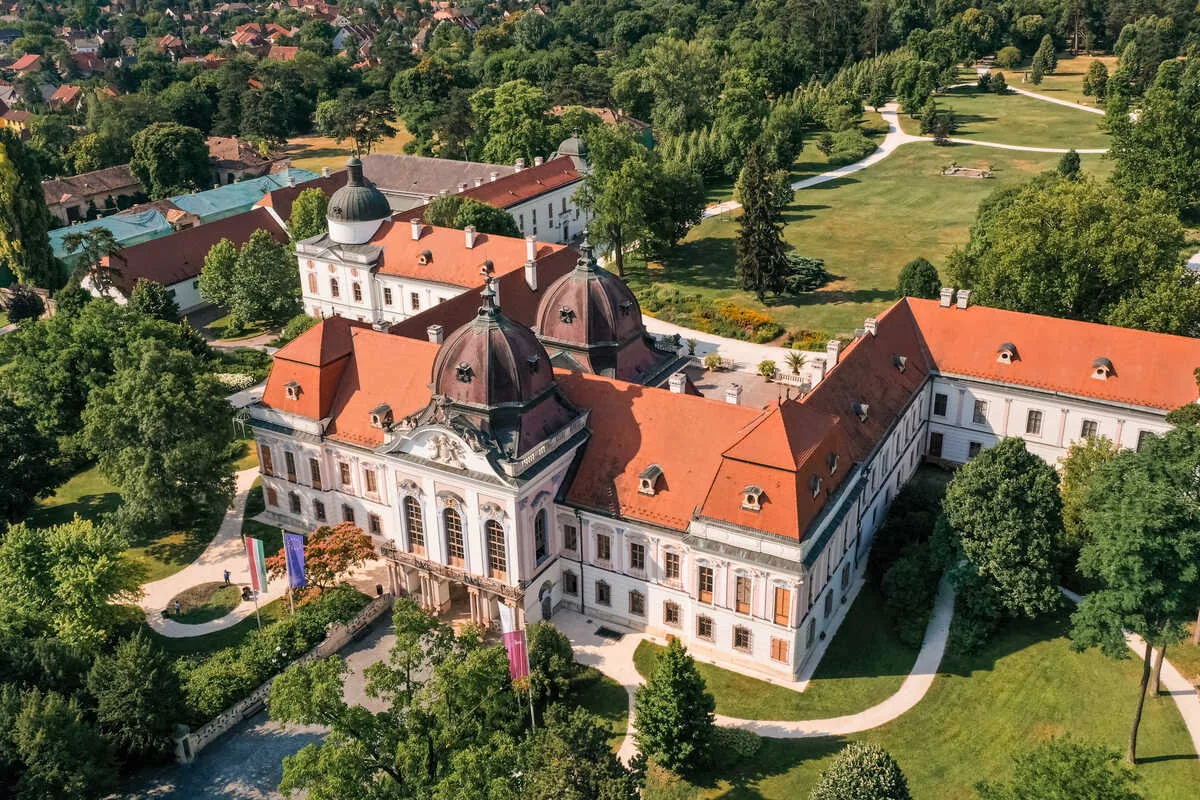
Empress Elisabeth used to escape the suffocating etiquette of Vienna by fleeing to this golden estate, where she could hide in violet-walled rooms and speak only the language of her Hungarian subjects.
About Royal Palace of Gödöllő
Antal Grassalkovich I broke ground in 1733, creating a new architectural standard for the Hungarian nobility that emphasized light and symmetry over fortification. His family held the estate for three generations, hosting Maria Theresa herself, before the line died out and the property transitioned through several aristocratic hands. In 1867, the palace entered its most famous era as the royal summer residence of the Austro-Hungarian monarchs. It was here that Franz Joseph managed the affairs of a crumbling empire while Elisabeth retreated into her poetry and equestrian feats. The twentieth century brought devastation; during the German and later Soviet occupations, much of the original furniture was burned for fuel or stolen. By the 1950s, a wing of the palace was used to house soldiers, and the grand theatre was used for storage. The fact that the royal apartments were meticulously restored in the late twentieth century is a reflection of Hungary's dedication to reclaiming its shattered imperial heritage.
What Royal Palace of Gödöllő actually is
Creamy white facades and double-curved Grassalkovich-style roofs rise with a soft, baroque elegance just thirty kilometers east of Budapest’s urban bustle. Known formally as the Royal Palace of Gödöllő, this sprawling estate remains forever tied to the ghost of Empress Elisabeth, the beloved 'Sisi' who found here the freedom she was denied at the rigid imperial court in Vienna. The palace sits amidst an expansive park where the sound of gravel underfoot and the rustle of century-old chestnut trees replace the roar of the city. Its walls are painted in a delicate 'Gödöllő yellow,' a hue that catches the morning light and gives the limestone a sun-kissed warmth even in the depths of a Hungarian winter. Rather than the intimidating military grandeur of many European seats of power, this residence feels like a grand country home designed for intimacy and escape.
Antal Grassalkovich I, a brilliant confidant of Empress Maria Theresa, began the construction of this U-shaped masterpiece in the 1730s to showcase his rising political influence. He pioneered a specific Hungarian Baroque style characterized by the central ceremonial hall projecting forward into the courtyard, a design that influenced noble mansions across the Carpathian Basin for a century. Along the Austro-Hungarian Compromise of 1867, the Hungarian state purchased the estate as a coronation gift for Emperor Franz Joseph and Empress Elisabeth. It quickly became Sisi’s favorite sanctuary, a place where she could ride her horses through the Gödöllő hills and speak Hungarian far from the prying eyes of the Habsburg ministers. After the fall of the monarchy, the palace suffered decades of neglect, serving as a Soviet barrack and later a nursing home, with its grand rooms partitioned by crude wooden boards. The restoration that began in the 1990s was nothing short of a resurrection, stripping away layers of grey paint to reveal the violet and gold leaf beneath.
Stepping into the Grand Hall , the scent of beeswax and old wood hangs heavy in the air, a sensory prelude to the opulence of the royal suites. The standout is the violet-colored walls of Sisi’s private salon, a shade she chose herself to match her favorite flowers. The light filters through tall windows, illuminating the delicate floral patterns of the silk wallpapers and the intricate parquet floors that creak softly under your weight. You get a strange sense of domesticity in the Emperor’s study, where the modest furniture suggests a man who viewed himself as the first civil servant of his empire. Moving toward the Baroque Theatre, one of the oldest preserved stages in Europe, the atmosphere shifts to one of theatrical mystery; you can almost hear the rustle of silk costumes in the wings. Those who come overlook the King’s Pavilion in the garden, yet standing inside its circular walls offers a quiet perspective on the palace’s symmetrical perfection. What stays with you is the walk through the upper gardens at dusk, when the palace begins to glow against the darkening forest.
Trains depart every thirty minutes
Trains depart every thirty minutes from Budapest’s Keleti station, arriving in Gödöllő in roughly forty minutes for a journey like a slow retreat into the past. Alternatively, the H8 suburban railway (HÉV) from Örs vezér tere offers a more local experience, rattling through the suburbs and fields before stopping directly across from the palace gates. Drivers can take the M3 motorway, though the old Route 3 provides a more scenic approach through the rolling hills of the Gödöllő Forest. Walking from the station, the path leads you through a small park where the palace first appears as a series of red-capped towers peeking over the treetops.
The Experience
How quiet the hills as soon as you step into the palace gardens, a quiet that explains why a weary Empress chose this place above all others. Inside, the space the museum is cool and carries the faint tang of polished brass and historical dust. You get a scale of the palace's history when you see the small, personal items on Sisi’s desk, letters and photographs that make the legendary figure feel like a living woman. From somewhere comes the rhythmic ticking of antique clocks in the corridors, marking time in a building that seems to have stopped it entirely. The light in the 'Gödöllő Room' has a specific, amber quality in the afternoon, making the white and gold carvings shimmer. It is a place that feels less like a museum and more like a house waiting for its inhabitants to return from a morning ride.
Why It Matters
Gödöllő is the largest Baroque palace in Hungary and a vital symbol of the 1867 Compromise that created the Dual Monarchy. It matters because it is the most tangible link to the cult of Empress Elisabeth, reflecting her profound influence on Hungarian national sentiment. Culturally, its Baroque Theatre functions as a rare survivor of eighteenth-century stagecraft, while the architecture itself defines the 'Hungarian Baroque' style.
Why Visit
Visit Gödöllő to experience the human side of the Habsburgs that the grand monuments of Vienna often obscure. While the Hofburg is a place of cold stone and power, this palace is a place of silk, gardens, and personal sanctuary. It offers the rare chance to see a royal residence through the eyes of a woman who valued her privacy more than her crown.
✦ Photo Gallery
Best Season
🌤 Of the autumn months, October is the most rewarding month, as the surrounding forests of the Gödöllő Hills turn into a sea of ochre and crimson, perfectly complementing the yellow facade of the palace.
Quick Facts
Best time to visit
Of the autumn months, October is the most rewarding month, as the surrounding forests of the Gödöllő Hills turn into a sea of ochre and crimson, perfectly complementing the yellow facade of the palace.
Getting there
In Gödöllő, Hungary; reach Gödöllő first, then continue to the site.
What's nearby
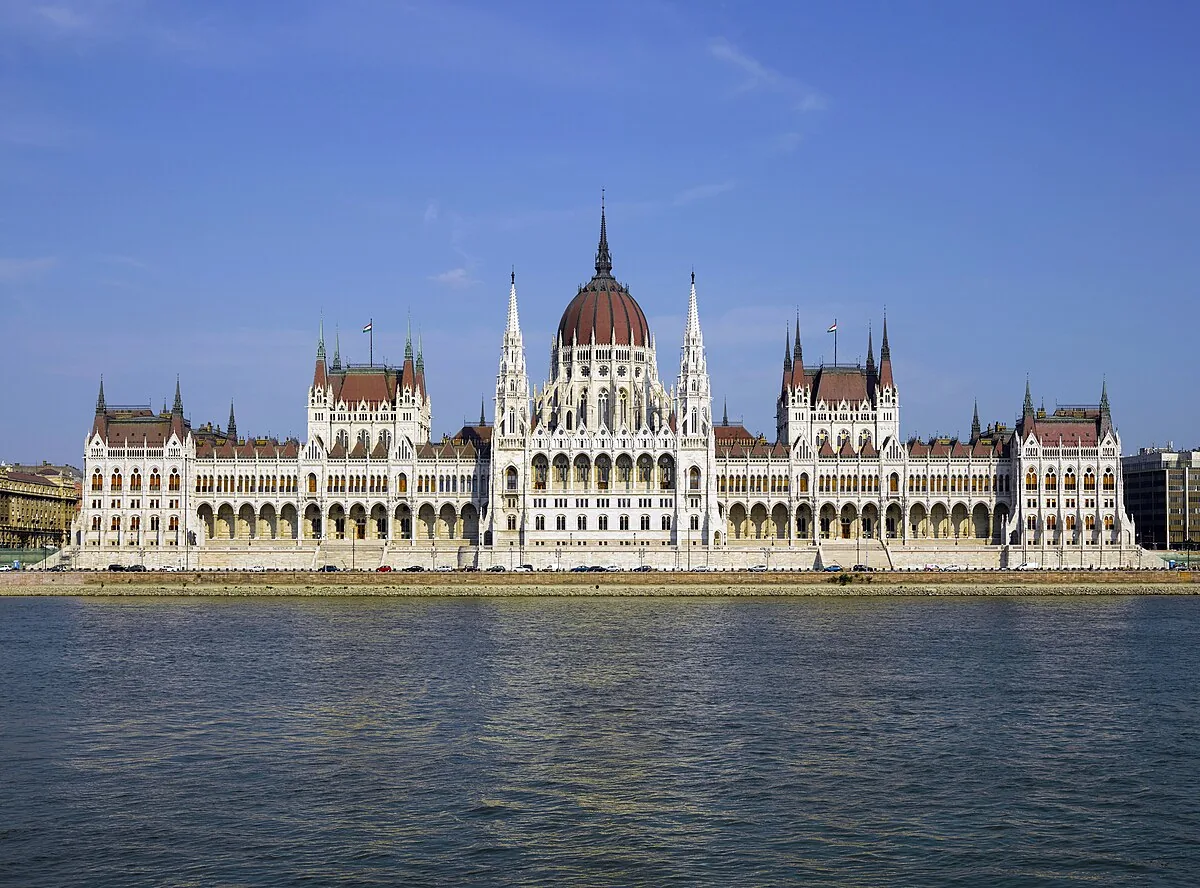
Dohány Street Synagogue, Hungarian National Museum and Hungarian Parliament Building are also in the area.
Location
Gödöllő, Hungary
Type
attraction
Coordinates
47.5961°, 19.3478°
Insider Tips
- 1
Book a ticket for a performance in the Baroque Theatre if possible; it is one of only a few in the world still using original-style wooden machinery.
- 2
Look for the 'secret' spiral staircase in the Empress's wing, which she used to bypass the formal halls and reach her horses in the lower gardens.
- 3
Take the time to walk to the Calvary in the park, a quiet spot that offers the best view of the palace's unique U-shaped layout.
- 4
Visit the palace cafe for a slice of 'Sisi cake,' a violet-themed confection that honors the Empress's favorite flavor.
- 5
Check the museum's schedule for the annual 'Baroque Days' in August, when the staff wears period costumes and the palace comes alive with eighteenth-century music.