“Russian Tsars once stationed a specialized guard of Cossacks here for the sole purpose of protecting a golden liquid they valued more than the security of their own borders.”
About Tokaj Wine Region
The volcanic soil of the Zemplén range sat dormant for millions of years before settlers realized the obsidian and rhyolite tuffs beneath the grass created a perfect radiator for vine roots. Written records of viticulture appear as early as the 13th century, but the region truly defined itself during the 1700s when the royal houses of Europe became obsessed with its sweet, medicinal elixirs. By the time Maria Theresa of Austria took the throne, Tokaj was the diplomatic currency of the continent, used to smooth over treaties and celebrate alliances. The 20th century brought hardship, as the iron curtain prioritized quantity over the painstaking quality required for Aszú production. Following the fall of the Berlin Wall, a group of international investors and local families collaborated to reclaim the ancient cellars, stripping away the machinery of the state to find the artisanal soul of the region still intact.
What Tokaj Wine Region actually is
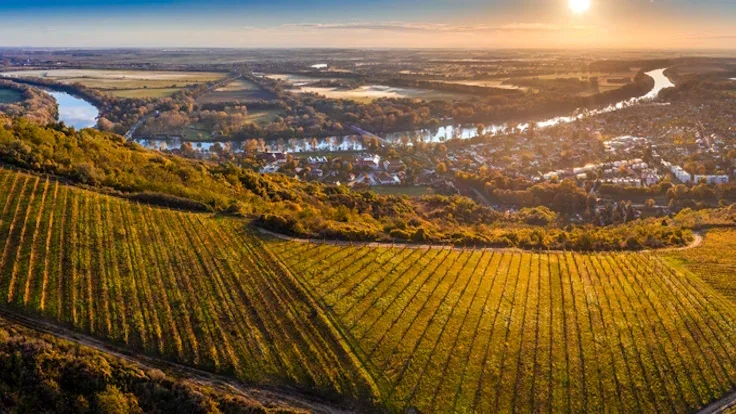
Rivers Bodrog and Tisza meet at the foot of the Zemplén Mountains, exhaling a thick morning mist that clings to the vines until the autumn sun burns it away. This moisture is the secret catalyst for a noble decay, a beneficial fungus that shrivels the Furmint grapes into sugary, raisin-like treasures. Volcanic slopes provide a jagged backdrop to a landscape dotted with white-washed villages and labyrinths of subterranean tunnels. Thousands of tiny cellars, their walls coated in a thick, velvety black mold, house the golden nectar that Louis XIV famously declared the wine of kings. Passing through these vineyards feels like navigating a living map of geological upheaval and viticultural patience.
Rivers Bodrog and Tisza meet at the foot of the Zemplén Mountains, exhaling a thick morning mist that clings to the vines until the autumn sun burns it away.
Legend suggests that the first Aszú wine was a desperate accident of war in the 17th century. As Ottoman forces approached, the harvest was delayed, allowing the grapes to shrivel on the vine under the influence of Botrytis cinerea. When the chaplain of the Rákóczi family finally pressed the rotted fruit, he discovered a liquid of unprecedented complexity. By 1730, the region had established the world’s first vineyard classification system, decades before Bordeaux followed suit. This prompted a golden age where the Russian Tsars kept a permanent detachment of Cossacks in the town of Tokaj to guard the shipments destined for the royal court in St. Petersburg. The region survived the phylloxera plague and the soul-crushing industrialization of the communist era by clinging to the ancient, laborious methods of hand-picking every individual shriveled grape.
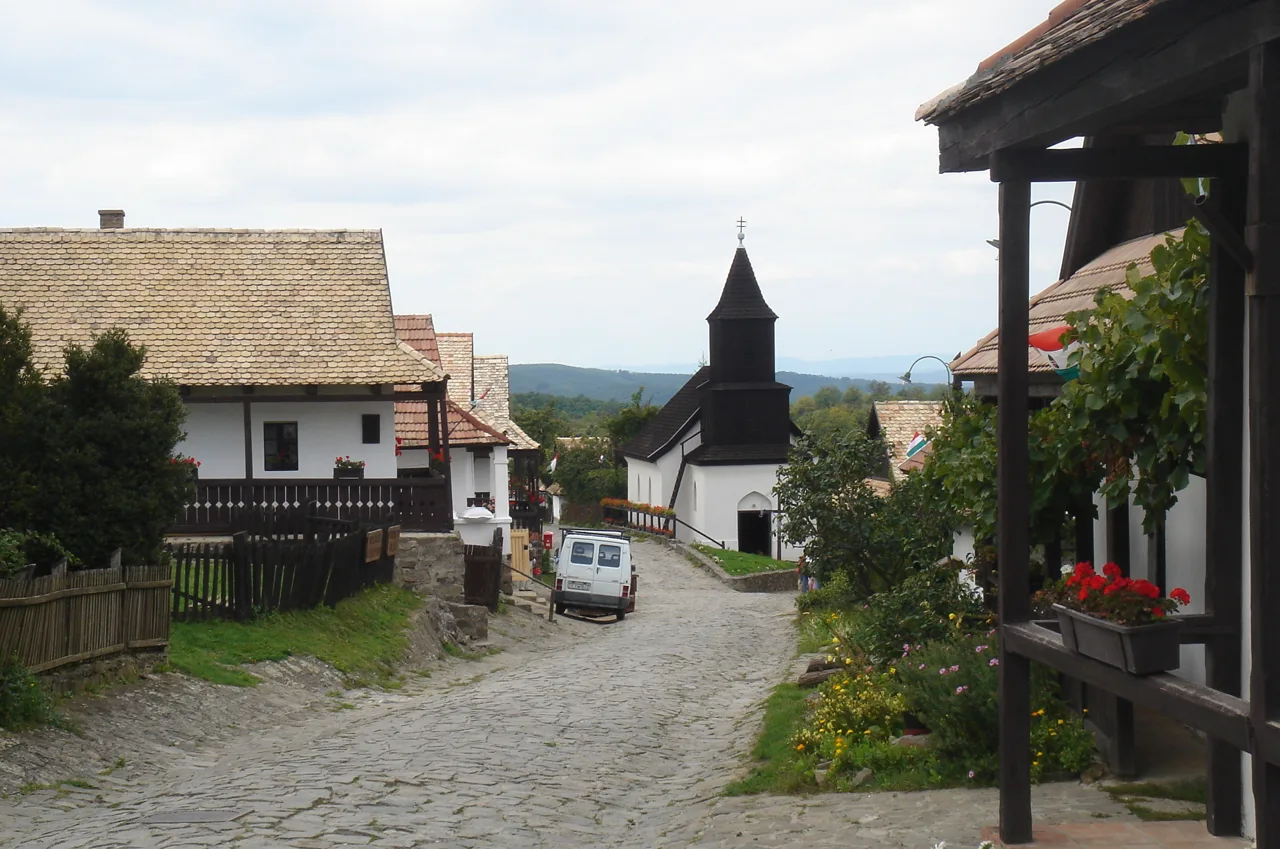
Descend the steep stone stairs into a traditional cellar and you will feel the temperature plummet to a constant, humid twelve degrees Celsius. The place smells of damp earth and fermenting fruit, while the walls are so densely covered in Cladosporium cellare mold that they look like they are draped in charcoal-colored suede. First, the silence is total, muffled by the soft fungus that regulates the cellar's humidity. Sampling a high-puttonyos wine involves a slow, viscous pour that clings to the glass like liquid amber. The taste is a startling collision of bright apricot acidity and deep, honeyed sweetness that lingers on the palate long after the glass is empty. Outside, the villages of Mád and Tolcsva offer quiet, cobbled streets where the sound of a distant tractor or a barking dog is the only interruption to the rural stillness.
Trains depart regularly from Budapest’s Keleti
Trains depart regularly from Budapest’s Keleti station, winding through the Hungarian plains for about two and a half hours before the distinctive bald peak of Tokaj Great Hill appears. Renting a car allows for more freedom to explore the smaller, family-run estates hidden in the folds of the volcanic hills. Most of the historically significant cellars congregate in the town of Tokaj itself, though the architectural marvels of the newer, modern wineries are scattered across the surrounding slopes. Navigation requires a slow pace, as the narrow roads often yield to the rhythms of local harvest equipment or wandering livestock.
Trains depart regularly from Budapest’s Keleti station, winding through the Hungarian plains for about two and a half hours before the distinctive bald peak of Tokaj Great Hill appears.
The Experience
You stand on a ridge overlooking the floodplains, watching the white fog creep across the Furmint leaves like a slow-moving tide. The light in late October is honey-colored and thin, illuminating the golden hues of the canopy and the dark, mineral-rich earth. You come across a sticky residue of sugar on your fingers if you touch a cluster of Aszú grapes, a tactile reminder of the labor involved in selecting them one by one. In the town of Tokaj, the sound of church bells marks the hour, echoing off the stone walls of manor houses that have seen centuries of vintages. Visitors often miss the small, nondescript cellar doors in residential backyards, which frequently lead to some of the most historic and atmospheric tasting rooms in the valley.
Why It Matters
Tokaj is the physical embodiment of the world's first demarcated wine region, a landscape that has been protected by royal decree since the early 18th century. It represents a rare instance where a specific microclimate, a unique fungal growth, and volcanic geology converge to produce something that cannot be replicated anywhere else on earth. Culturally, it is the liquid heart of Hungary, even mentioned in the national anthem as a gift from God.
Why Visit
Skip the crowded tasting rooms of the Rhine or the Loire for a place where history still feels unpolished and raw. Tokaj offers the chance to sit in a cellar that has been in continuous use since the Middle Ages, tasting a wine that literally changed the course of European diplomacy. It is a destination for those who want to understand how a tiny, shriveled grape can hold the weight of an entire nation's pride.
✦ Insider Tips
- 1
Look for the 'Wine of the Year' plaques in the village of Mád to find smaller, family-run producers who rarely export their best bottles.
- 2
Wear a heavy sweater even in mid-summer, as the volcanic cellars remain a biting twelve degrees regardless of the weather outside.
- 3
Request a taste of 'Eszencia', the self-run nectar collected without pressing, which is so thick it is often served on a glass spoon.
- 4
Visit the Synagogue in Mád, one of the most beautiful in the country, to see how the wealth of the wine trade influenced local religious architecture.
- 5
Ask a local winemaker about the 'Gönci' barrel; its specific 136-liter size is the traditional unit that defines the sweetness levels of the wine.