For more than a hundred years, Dubliners had to drop a half-penny coin into a turnstile just for the privilege of walking from one side of their own city to the other.
About Ha'penny Bridge
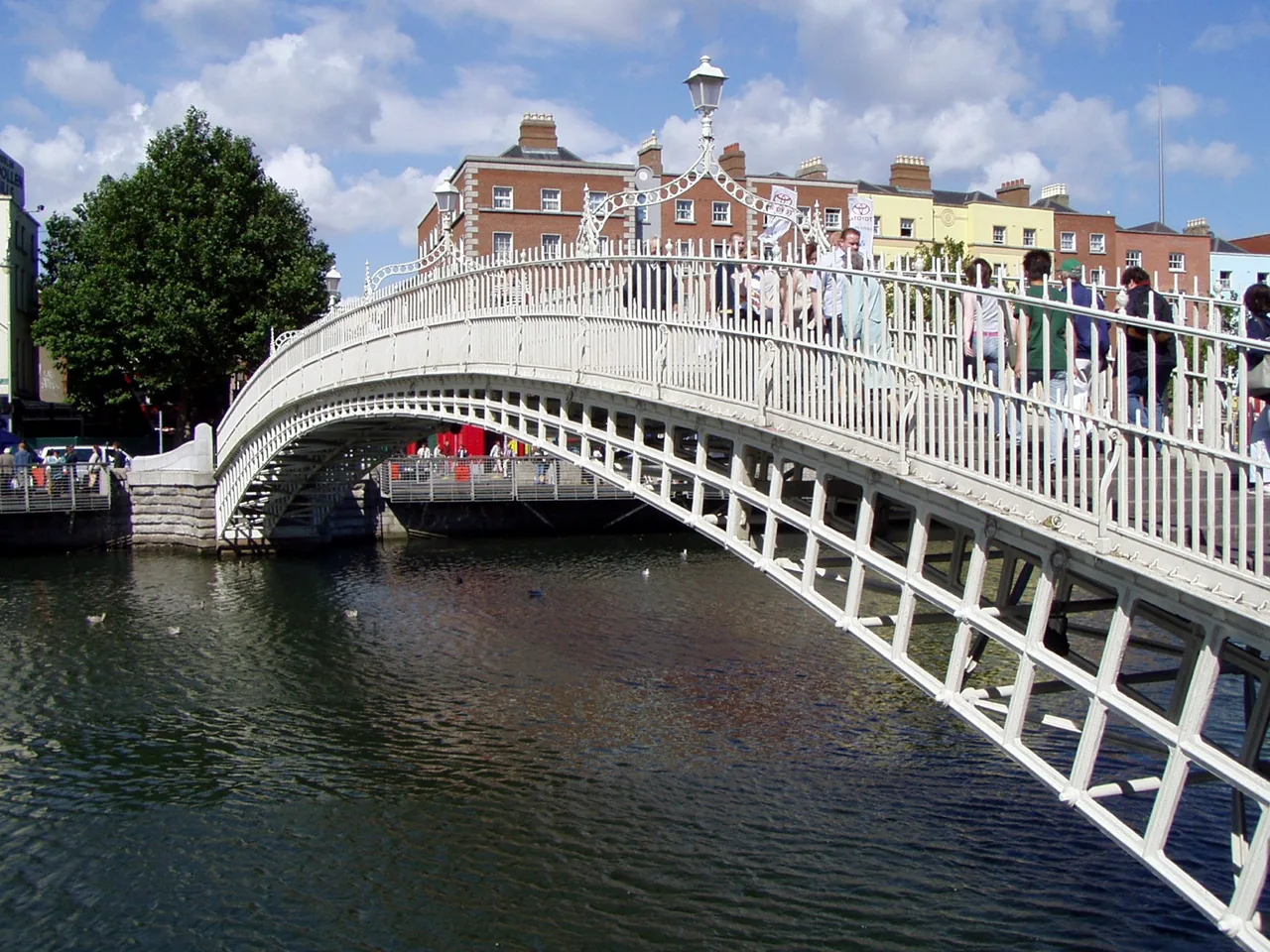
Designed by John Windsor and cast in Shropshire, the bridge was a feat of early nineteenth-century engineering, arriving in Dublin in sections to be bolted together over the river. It replaced seven ferries that had become a public hazard. The structure remained largely unchanged until 2001, when a major renovation revealed that eighty-five percent of the original cast iron was still intact. During this restoration, the bridge was stripped of decades of paint and reinforced to handle the modern load of 30,000 pedestrians who cross it every single day, ensuring the 'Iron Lady' of the Liffey would stand for another two centuries.
What Ha'penny Bridge is
Arching gracefully over the dark, tidal waters of the River Liffey, the Ha’penny Bridge is the fragile, cast-iron heartbeat of Dublin. Officially named the Liffey Bridge, it has been the city's favorite pedestrian shortcut for over two hundred years. The white-painted ironwork stands in stark, elegant contrast to the weathered granite quays and the modern glass facades that have sprouted along the riverbanks. It is a bridge that demands a certain pace, the deck is slightly springy underfoot, and the incline is just steep enough to make you pause at the apex. This is where the Northside and Southside of Dublin meet in a constant, flowing exchange of students, workers, and buskers.
Before 1816, the only way to cross the Liffey at this point was via a fleet of leaky, unreliable ferries operated by a man named William Walsh. When the city informed Walsh his boats were no longer fit for service, he was given a choice: repair the fleet or build a bridge. He chose the latter, commissioning a cast-iron structure from the Coalbrookdale foundry in England. To recoup his investment, Walsh was granted the right to charge a toll of one half-penny for every person crossing. This fee, the 'ha'penny', remained in place for over a century, enforced by turnstiles at either end. The toll was finally abolished in 1919, but the name stuck, outliving the currency itself and the man who profited from it.
Crossing the bridge at sunset is a Dublin rite of passage. A vibration of the city through the metal railings as the Liffey flows beneath, carrying the brackish scent of the Irish Sea. The three elegant lamps that crown the arch flicker to life, casting a warm, amber glow on the white paint. The rhythmic thud of hundreds of footsteps, a sound that has echoed here since the days of horse-drawn carriages. In the morning, it is a place of brisk efficiency; by night, it becomes romantic and slightly chaotic, with the neon lights of Temple Bar reflecting in the river. It is a narrow passage, forcing you into close proximity with the life of the city, where snippets of local conversation drift past in the breeze.
The bridge connects Bachelors Walk
The bridge connects Bachelors Walk on the north bank to Temple Bar on the south. It is centrally located and impossible to miss if you are walking through the city center. A large share of visitors encounter it while wandering between the Spire on O’Connell Street and the cobblestones of the cultural quarter. While the bridge is open twenty-four hours a day, it is best experienced on foot to appreciate the intricate iron scrollwork that was meticulously restored in 2001. It remains a pedestrian-only zone, a rare sanctuary from the bus and taxi traffic that clogs the nearby O’Connell and Grattan bridges.
The Experience
You feel a slight bounce in the metal deck when a large group crosses simultaneously, a trace of the bridge's delicate construction. The view from the center of the arch offers a perfect perspective of the Customs House to the east and the Four Courts to the west, framing the architectural history of the capital. A specific sound here, the metallic 'ping' of a coin dropped into a busker’s case or the clicking of locks as people try to leave 'love padlocks' on the rails (which the city council periodically removes to save the ironwork). It is the most democratic space in Dublin, where everyone from CEOs to street poets is funneled through the same narrow, iron ribs.
Why It Matters
The Ha’penny Bridge is the first iron bridge in Ireland and a symbol of the city's transition into the modern age. It represents the link between the Georgian elegance of the south and the commercial grit of the north. Its image is synonymous with Dublin, featuring in countless films, songs, and memories of those who have navigated the city's geography.
Why Visit
Skip the bus tours and walk the Ha’penny at dusk. It is the only place in Dublin where you can stand suspended over the Liffey without the roar of engines, feeling the actual pulse of the city’s movement. It is a rare piece of nineteenth-century infrastructure that still performs exactly the job it was built for.
✦ Photo Gallery
Best Season
🌤 Late December evenings are magical when the bridge is lit and the river mist catches the festive lights of the quays, though a bright September morning offers the best clarity for photographs.
Quick Facts
Best time to visit
Late December evenings are magical when the bridge is lit and the river mist catches the festive lights of the quays, though a bright September morning offers the best clarity for photographs.
Getting there
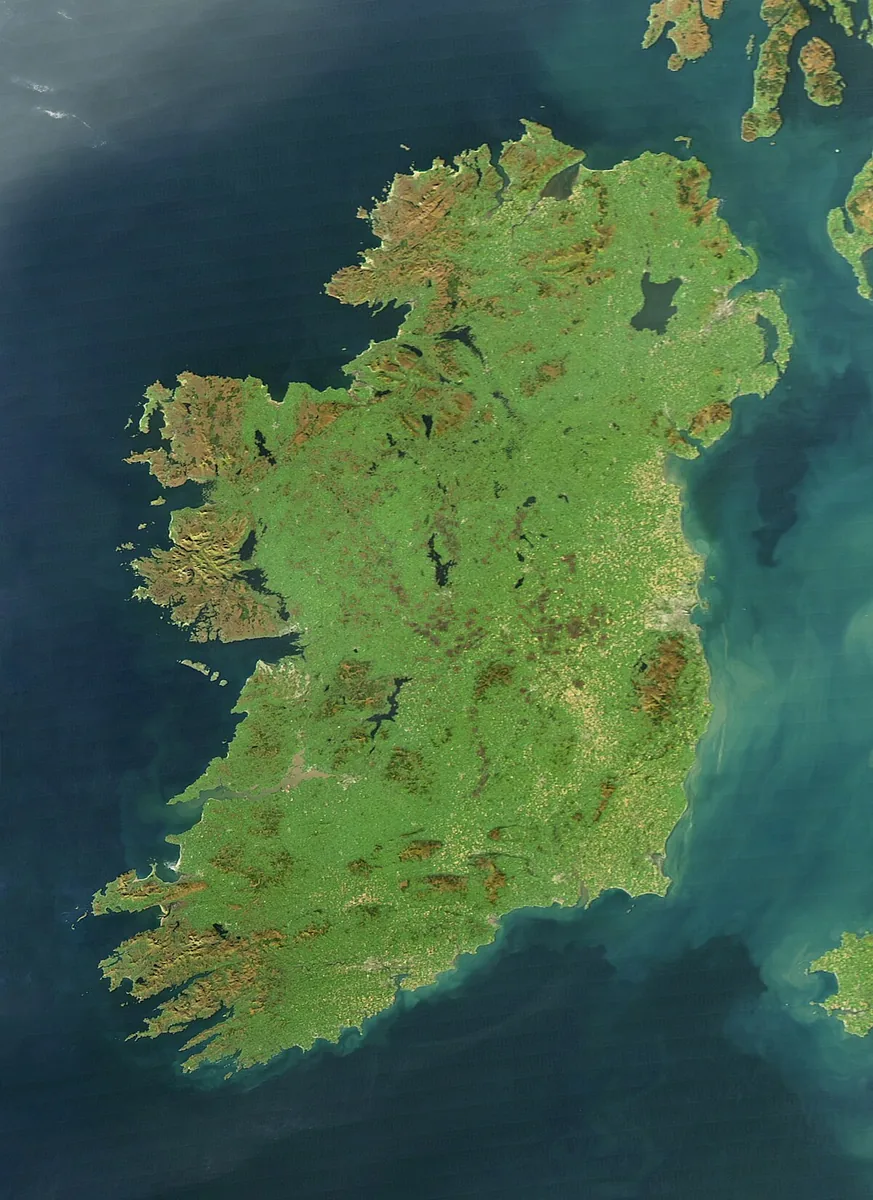
In Ireland (Northern Europe).
Location
Ireland
Type
landmark
Insider Tips
- 1
Avoid the bridge during the 5:00 PM commuter rush if you want to take photos without being jostled by busy locals.
- 2
Look closely at the ironwork to see the stamps of the Coalbrookdale foundry, the same company that built the world's first iron bridge.
- 3
Stand on the Bachelors Walk side (north bank) for the best view of the bridge with the Temple Bar skyline in the background.
- 4
Don't add a 'love lock' to the railings; the weight damages the historic cast iron and they are removed every few weeks.
- 5
Cross it after midnight for a rare moment of quiet and a stunning view of the city lights reflecting in the black river water.