“The museum holds an Iron Age body so well preserved that scientists analysed his last meal, which he ate over two thousand years ago.”
About National Museum of Ireland - Archaeology
The museum was established in 1890 and has been on Kildare Street since its Victorian building was completed. Its collections were assembled from centuries of finds across Ireland, including major hoards of Early Christian metalwork and prehistoric gold. The bog bodies were discovered in the 20th century in midland peat bogs.
In brief
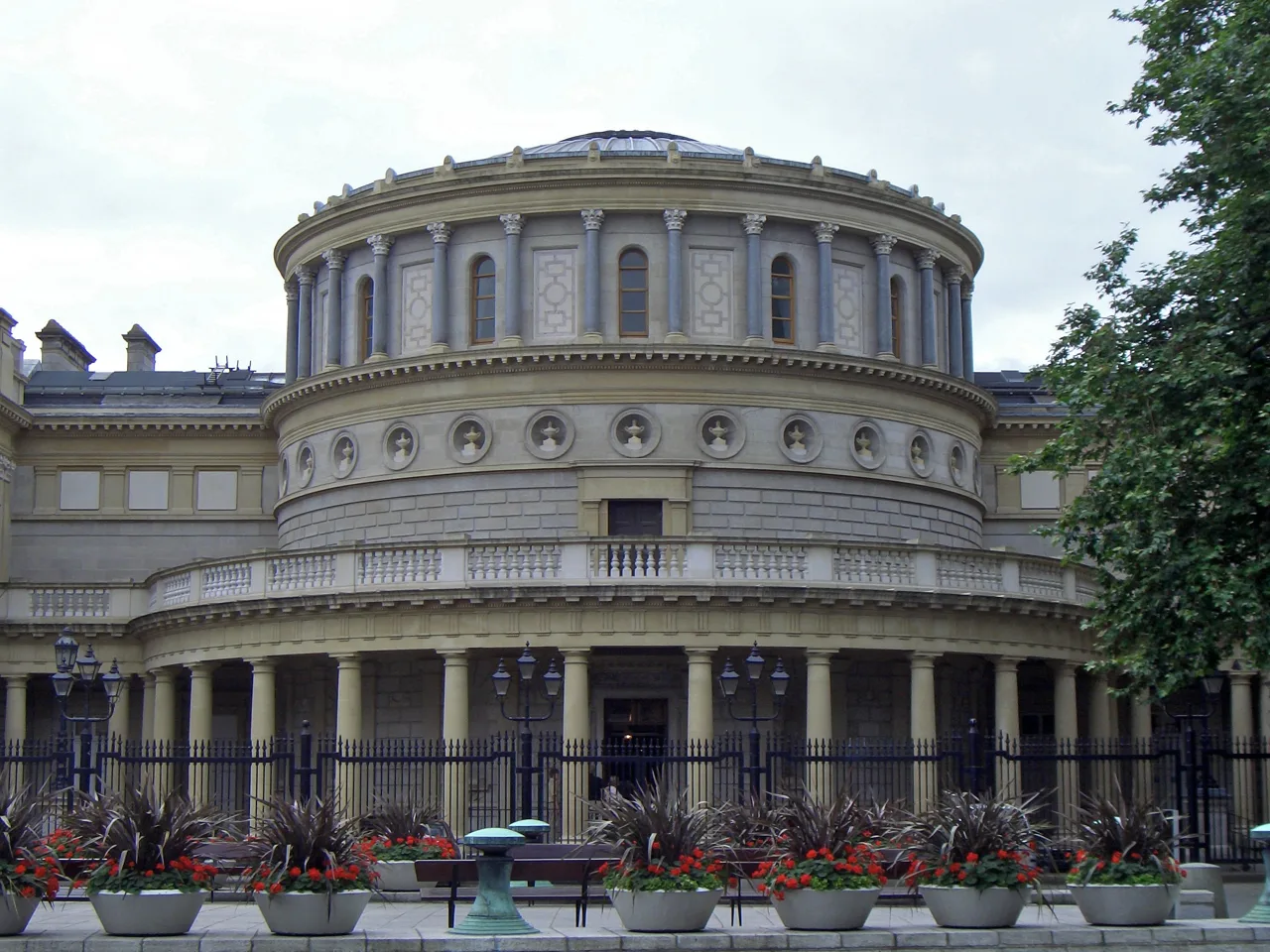
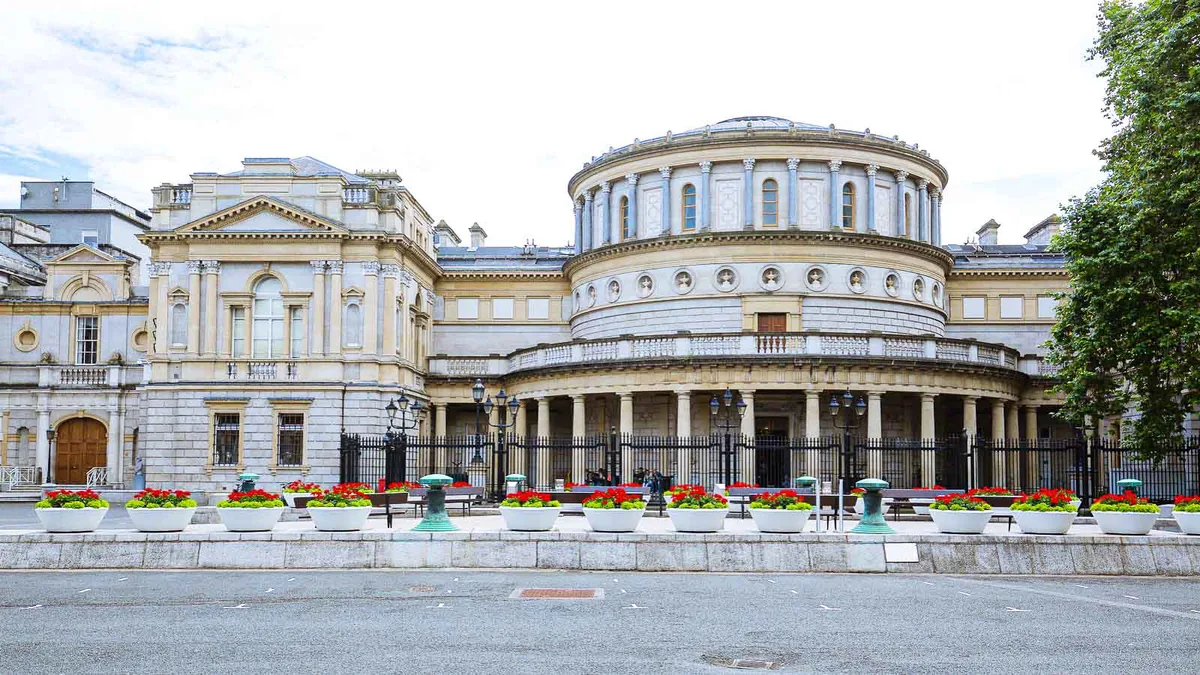
The National Museum of Ireland's archaeology branch sits on Kildare Street in central Dublin, in a Victorian Palladian building with a grand entrance hall and a mosaic floor under a glass-domed roof. The museum holds the country's most important prehistoric and medieval objects, including the Ardagh Chalice, the Tara Brooch and the Iron Age bog bodies.
The National Museum of Ireland's archaeology branch sits on Kildare Street in central Dublin, in a Victorian Palladian building with a grand entrance hall and a mosaic floor under a glass-domed roof.
The Objects That Define a Nation
The collection spans from the Stone Age to the late medieval period, and two rooms in particular stop visitors in their tracks. The Treasury holds the Ardagh Chalice, an 8th-century silver and gilt communion vessel of extraordinary craftsmanship, and the Tara Brooch, a decorated ring brooch from the same period that is considered one of the finest pieces of Celtic metalwork ever made. In another gallery, the Kingship and Sacrifice exhibit displays several Iron Age bog bodies, humans preserved in peat for over two thousand years with their skin, hair and fingernails intact. The preservation is so complete that forensic analysis has revealed their last meals. The museum is free and occupies a beautiful building, yet even on busy days certain galleries are remarkably quiet.
The Experience
The Treasury is small and dimly lit, which concentrates attention on the Ardagh Chalice and Tara Brooch under glass. The detail in the metalwork is astonishing at close range. The bog bodies exhibit is in a separate darkened gallery; the effect of standing near a preserved human from the Iron Age is unlike anything else in any museum. The building itself is worth seeing: the entrance rotunda has a mosaic floor and a colonnaded upper gallery.
Why It Matters
The museum houses the most important archaeological objects in Ireland, including masterpieces of early medieval metalwork and uniquely preserved Iron Age human remains. It is one of the great archaeological museums in Europe, and it is free.
The museum houses the most important archaeological objects in Ireland, including masterpieces of early medieval metalwork and uniquely preserved Iron Age human remains.
Why Visit
Ireland's greatest archaeological treasures, from the Ardagh Chalice to Iron Age bog bodies, in a grand Victorian museum in the centre of Dublin.
✦ Insider Tips
- 1
Start with the Treasury for the Ardagh Chalice and Tara Brooch.
- 2
The bog bodies gallery is the highlight for most visitors.
- 3
Entry is free; no booking needed.
- 4
Allow at least 90 minutes; the collection is deeper than it first appears.