Deep in the mountain forests of Wakayama, ten thousand bronze lanterns have been burning for centuries in front of a monk who hasn't been seen since the year 835.
About Okunoin Cemetery
Okunoin is the physical manifestation of the Shingon belief in the interconnectedness of all things. The cemetery began as a small clearing around Kukai’s retreat but quickly became the most prestigious burial ground in the country. During the Sengoku period, rival warlords who had spent their lives trying to kill each other were buried side-by-side here, seeking a peace in death they couldn't find in life. The forest itself is a protected ecological site, where the giant cryptomeria trees are considered as sacred as the stone monuments they shade. It remains a vibrant site of pilgrimage, where the daily rituals have continued without interruption through wars, fires, and the modernization of Japan.
What Okunoin Cemetery actually is
Two hundred thousand stone stupas sit sinking into the moss beneath a canopy of thousand-year-old cedars on the sacred peak of Mount Koya. Okunoin is not merely a cemetery; it is the largest and most atmospheric necropolis in Japan, marking the final resting place of Kobo Daishi, the founder of Shingon Buddhism. The area here smells of damp cedar, burning incense, and the cold, mineral smell of wet granite. The walk along a two-kilometer stone path where the line between the living and the dead is blurred by the rising mist. The sound is a low, constant murmur of monks chanting in the distance and the rhythmic drip of condensation falling from the high branches onto the silent stone markers.
eternal meditation here, 835
Kobo Daishi, also known as Kukai, entered eternal meditation here in 835, and his followers believe he is not dead, but waiting in his mausoleum for the arrival of the Future Buddha. For over a millennium, emperors, shoguns, and ordinary citizens have sought to be buried as close to him as possible to be among the first to hear the news of salvation. The cemetery has grown organically over twelve centuries, featuring everything from 12th-century stone carvings to modern corporate memorials for coffee companies and aerospace engineers. The Torodo, or Hall of Lamps, sits just before the mausoleum, housing over ten thousand lanterns that have been kept burning continuously for centuries, some donated by former emperors and others by anonymous devotees.
Crossing the Ichinohashi Bridge, the immediate transition into the sacred realm where you are expected to bow in respect to Kobo Daishi. You register the way the moss has claimed the older tombs, turning the granite into soft, green mounds that look like part of the forest floor. Overhead, the space is punctuated by the wooden clack of a monk’s staff or the ringing of a small bell by a pilgrim in white robes. The temperature drop as the cedar canopy thickens, blocking out the sun even at midday. What gets your attention is the 'Jizo' statues wearing hand-knitted red caps and bibs, placed by grieving parents to protect the souls of lost children. The most profound moment is standing before the mausoleum at dawn when the monks bring food to the 'living' Kobo Daishi, a ritual that has been performed daily for over a thousand years.
Mount Koya is reached via
Mount Koya is reached via the Nankai Railway from Osaka’s Namba Station, followed by a steep cable car ride and a short bus journey into the town center. The entrance to Okunoin is at the Ichinohashi-mae bus stop. Most people stay overnight in a 'shukubo' or temple lodging, which allows them to experience the cemetery at night when the stone lanterns are lit. Walking the path at 9:00 PM is a transformative experience, as the shadows of the cedars stretch across the tombs and the silence becomes absolute. The path is well-paved but can be slippery with moss, so sturdy footwear is necessary for the two-kilometer trek to the mausoleum.
The Experience
The sense of Okunoin is one of heavy, comforting antiquity rather than gloom. The smell of the mountain air, thin, cold, and infused with the smoke of sandalwood. A trace of the physical weight of the silence, which seems to press against your ears in the deeper sections of the forest. The light filters through the needles of the cedars in long, dusty shafts that highlight the floating incense smoke. The most surreal moment is finding the modern memorials, such as a giant stone coffee cup or a space rocket, which serve as a reminder that this is a living history. It is a place that makes the concept of a thousand years feel like a single afternoon.
Why It Matters
Okunoin is the heart of Mount Koya, a UNESCO World Heritage site and the primary pilgrimage destination for millions of Shingon Buddhists. It represents the height of Japanese religious art and forest management. Culturally, it is a unique archive of Japanese social history, where the gravestones of 12th-century poets stand near 21st-century industrial magnates.
Why Visit
The point is that this is the most beautiful forest in Japan, and it happens to be filled with the history of the nation’s soul. Okunoin is not about death; it is about the endurance of memory and the quiet power of nature to reclaim human effort. You come here to walk among the giants, both the trees and the spirits, and to feel the stillness of a place that has been praying for twelve centuries.
✦ Photo Gallery
Best Season
🌤 Early winter in December is hauntingly beautiful when a light snow covers the stone stupas and the red bibs of the Jizo statues pop against the grey and green landscape.
Quick Facts
Best time to visit
Early winter in December is hauntingly beautiful when a light snow covers the stone stupas and the red bibs of the Jizo statues pop against the grey and green landscape.
Getting there
In Mount Koya, Japan; reach Mount Koya first, then continue to the site.
Location
Mount Koya, Japan
Type
attraction
Insider Tips
- 1
Take the night tour led by a local monk; they share stories about the folklore and history that you won't find on any signage.
- 2
If you find the main path crowded, take the 'old' trail that runs parallel; it is much narrower and winds through the most ancient, mossy tombs.
- 3
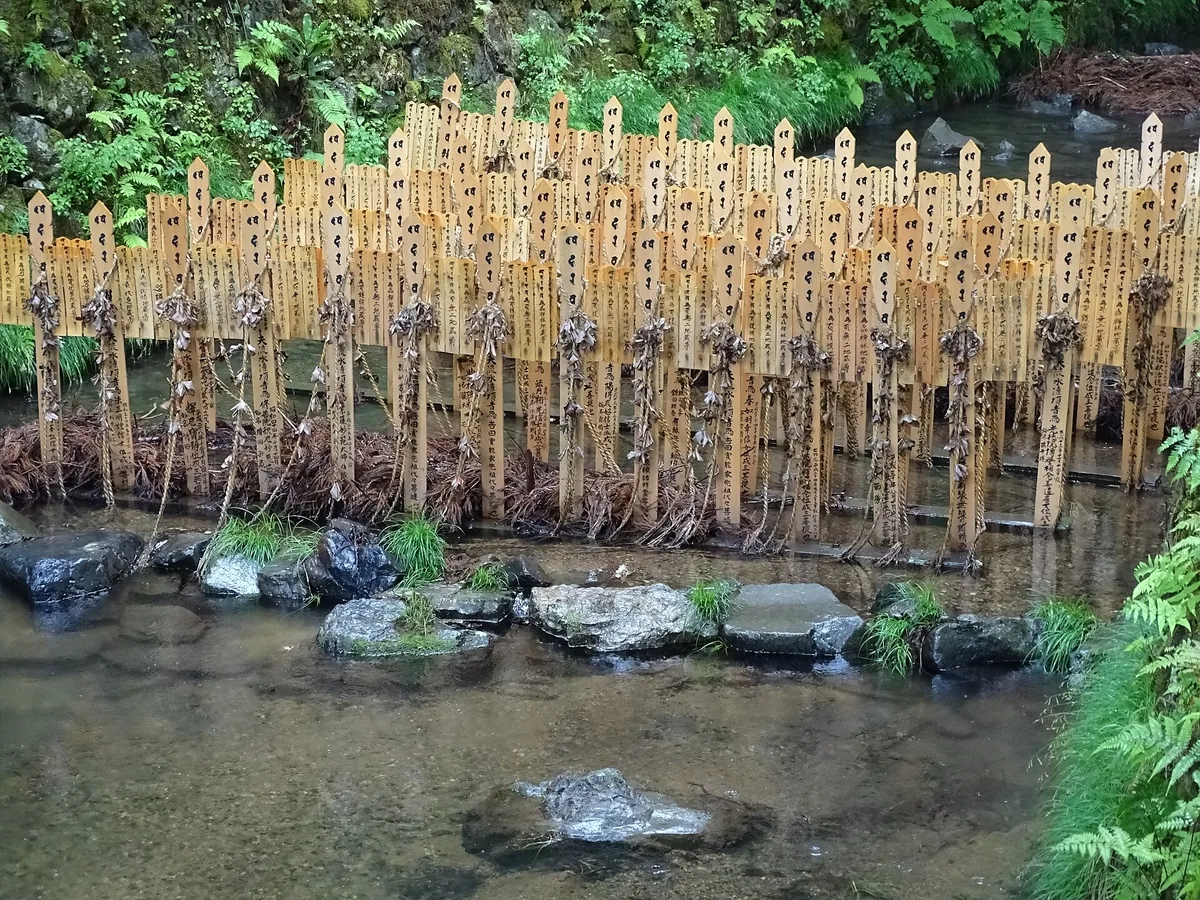
Wash the 'Mizukake Jizo' statues with water using the provided ladles to make a wish or offer a prayer for departed loved ones.
- 4
Check the bus schedule for the last return to the town center if you are walking the cemetery at night; it's a long, dark walk back if you miss it.