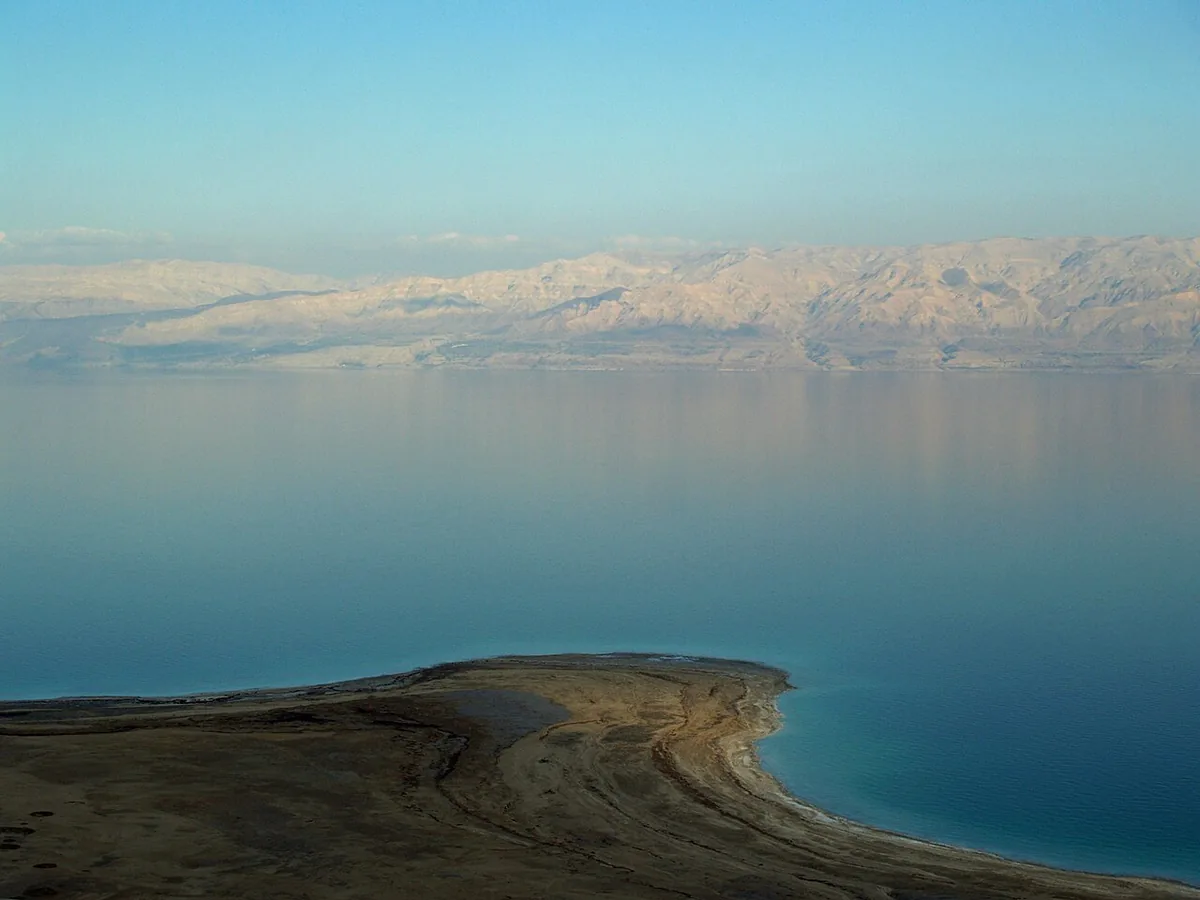
“Wadi Rum's red sand and towering rock have doubled for the surface of Mars in The Martian, Dune and more, and once carried T.E. Lawrence through the Arab Revolt.”
About Wadi Rum
People have lived in and crossed Wadi Rum for millennia, leaving rock inscriptions from the Thamudic and Nabataean eras. T.E. Lawrence operated here during the 1917-18 Arab Revolt, and his writings fixed the valley in the Western imagination. Bedouin tribes still inhabit the area, which became a UNESCO World Heritage Site in 2011 for both its landscape and its cultural record.
Wadi Rum
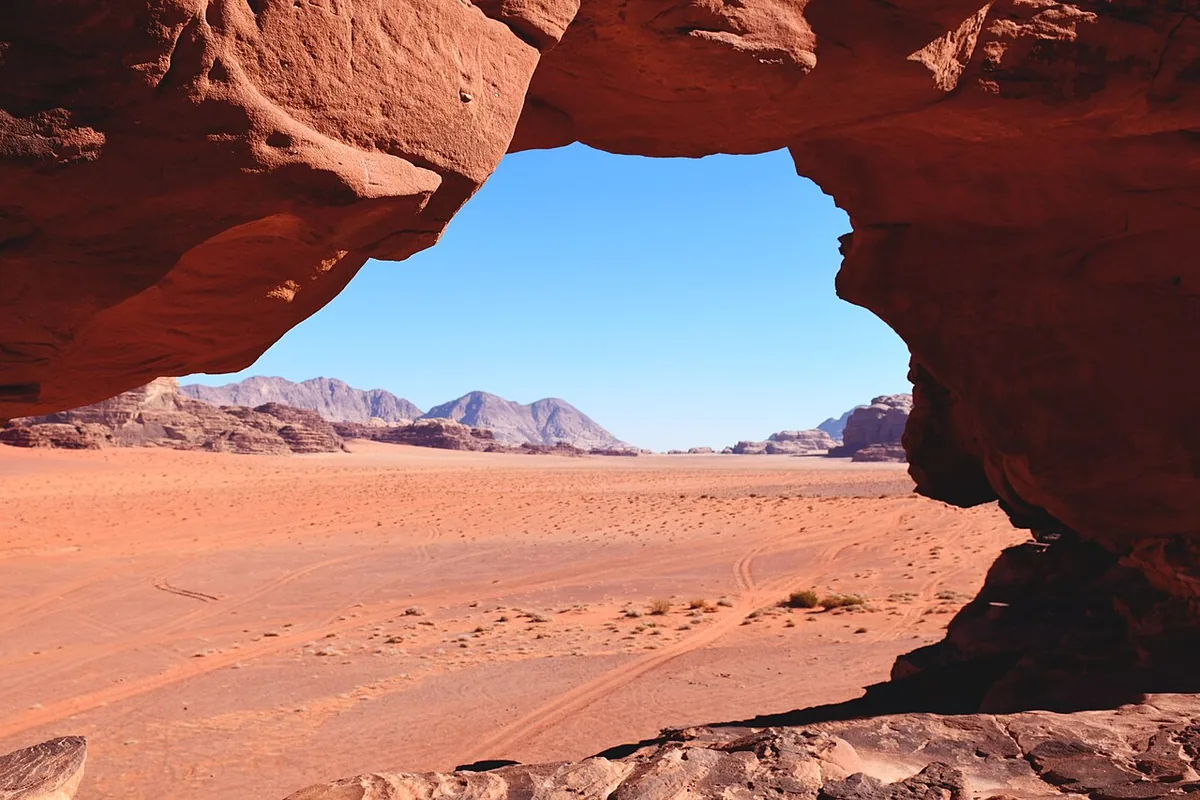
Wadi Rum, the 'Valley of the Moon', is a desert of red sand and towering sandstone and granite mountains in southern Jordan, home to Bedouin tribes and protected as a UNESCO site. Its alien landscape has stood in for Mars and other worlds in films from The Martian to Dune to Rogue One, and T.E. Lawrence passed through it during the Arab Revolt, lending it the 'Lawrence of Arabia' association.
Wadi Rum, the 'Valley of the Moon', is a desert of red sand and towering sandstone and granite mountains in southern Jordan, home to Bedouin tribes and protected as a UNESCO site.
How You See It
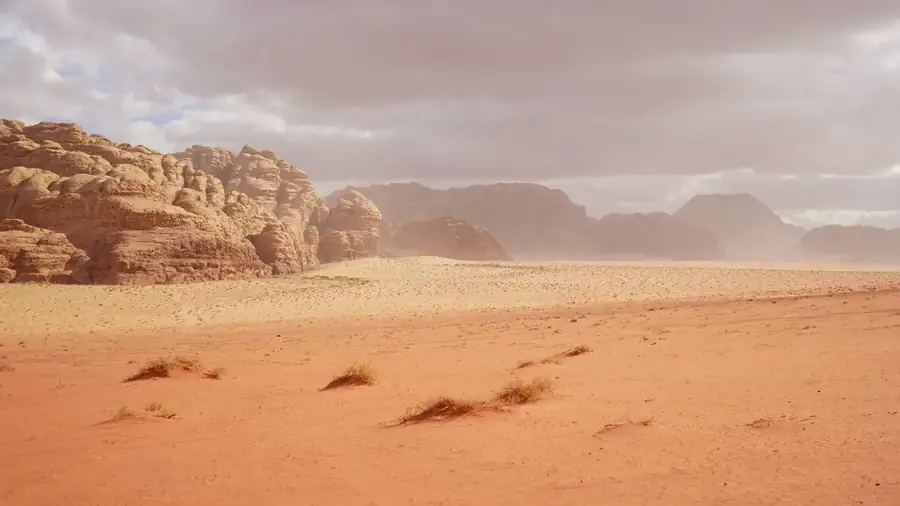
Most visitors explore by 4x4 with Bedouin guides, stopping at rock arches, narrow canyons with ancient inscriptions, and viewpoints over the dunes. Overnight camps, from simple to luxury bubble tents, let you sleep under some of the clearest night skies in the region.
The Experience
A 4x4 tour bounces you across open sand to rock bridges you can climb, slot canyons carved with ancient graffiti, and dunes that glow deep orange near sunset. Tea is brewed over a fire at stops. Staying overnight is the point for many: the silence is total and the stars, away from any city, are overwhelming.
Why It Matters
Wadi Rum is Jordan's signature desert and one of the most filmed landscapes on Earth, a UNESCO site valued for both its geology and the human history written on its rocks. It is also a living Bedouin homeland rather than an empty wilderness.
Wadi Rum is Jordan's signature desert and one of the most filmed landscapes on Earth, a UNESCO site valued for both its geology and the human history written on its rocks.
Why Visit
Few deserts combine this scale of rock formations, this depth of human history and this quality of night sky. Go with a Bedouin guide, stay at least one night to see the stars, and time your drive so you are at a high dune for sunset.
✦ Insider Tips
- 1
Stay overnight at a Bedouin camp; the night sky here is one of the clearest you will ever see.
- 2
Book a 4x4 tour with a local guide rather than trying to see it from the visitor centre alone.
- 3
Combine it with Petra and Aqaba, both within a couple of hours' drive, on a southern loop.