Clan Jetties of Penang — Malaysia
🏙️ ModernMalaysia

Clan Jetties of Penang

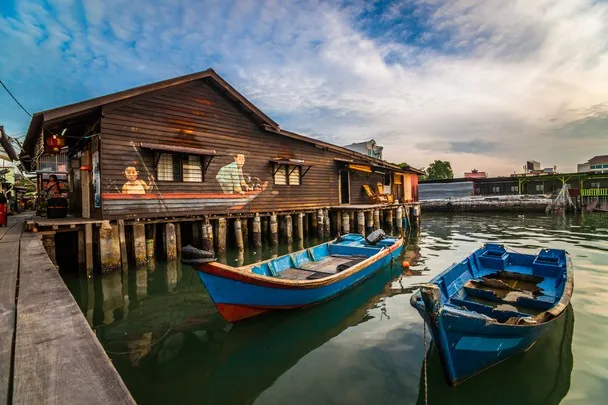
A series of 19th-century wooden piers extending into the sea; where Chinese immigrant clans built houses on stilts to avoid paying land taxes; the plank-ways are weathered grey and smell of salt and diesel; walk the Chew Jetty at sunset when the light hits the small temples at the end of the piers; the sound of water lapping against the moss-slicked timber is constant.

LocationMalaysiaTypeattraction🌤 December to February is the best window, as the North-East monsoon has subsided, leaving the skies clear and the water calm for the evening views.Search on Map

Families here have lived on top of the ocean for seven generations, building a city on stilts to escape the taxes and laws of the dry land.

About Clan Jetties of Penang

The jetties were once part of a much larger network of over a dozen piers, but many were lost to fire or the changing needs of the port. The Chew Jetty remains the largest and most famous, housing over seventy families who still maintain their traditional dialect and customs. In the early days, life was incredibly difficult, with residents relying on communal water taps and navigating slippery, dangerous walkways during monsoon season. The 2008 UNESCO designation changed everything, bringing infrastructure improvements and a surge of interest that has turned some houses into souvenir shops. Despite this, the core social fabric remains intact, with clan elders still making the most important decisions for the community.

Wooden walkways stretch like weathered fingers into the salt-thick air of the Malacca Strait, supporting a community that has lived between the tides for over a century. The Clan Jetties of Penang are a series of floating villages where the rhythmic creak of timber underfoot replaces the roar of the city. The air smells of drying fish, sea brine, and the sweet, heavy incense drifting from household shrines. You walk along narrow planks that vibrate with the movement of residents on bicycles, noticing how the houses are propped up on spindly, barnacle-encrusted stilts. The soundscape is an intimate mix of water lapping against the wood, the clatter of mahjong tiles from open doorways, and the distant hum of the ferry crossing to the mainland.

Wooden walkways stretch like weathered fingers into the salt-thick air of the Malacca Strait, supporting a community that has lived between the tides for over a century.

Clan Jetties of Penang in Malaysia — photo 2

Clan Jetties of Penang, Malaysia

Chinese immigrants from the Fujian province arrived in the late 19th century to work as laborers at the bustling George Town docks. Because they could not afford land and were often excluded from the established clan houses, they built their homes over the water, which was technically tax-free territory at the time. Each jetty was occupied by a specific family clan—the Chew, the Tan, the Lee—and became a self-governing enclave with its own temples and social hierarchies. During the early 20th century, the jetties were the primary logistics hubs for small-scale trade, with sampans and barges constantly docking at the end of the piers. They survived the Japanese occupation and several attempts at redevelopment, eventually becoming a centerpiece of Penang's UNESCO World Heritage listing in 2008. Today, while tourism has arrived, the jetties remain active residential neighborhoods where life is dictated by the rise and fall of the sea.

Walking down the Chew Jetty, you feel the gentle sway of the planks as the tide comes in, a reminder that the land ends beneath your feet. You notice the way the light reflects off the water and bounces into the shaded living rooms of the residents, illuminating family altars and faded photographs. The sound of a television inside a home mixes with the cries of seagulls circling the fishing boats at the pier’s end. You feel the heat of the tropical sun intensified by the humidity of the sea, making the shaded porches of the houses look incredibly inviting. You notice the colorful shrines dedicated to the Goddess of the Sea, adorned with fresh fruit and flowers. The most striking moment is reaching the end of the jetty at dusk, watching the lights of the Penang Bridge flicker to life while the village behind you settles into the evening.

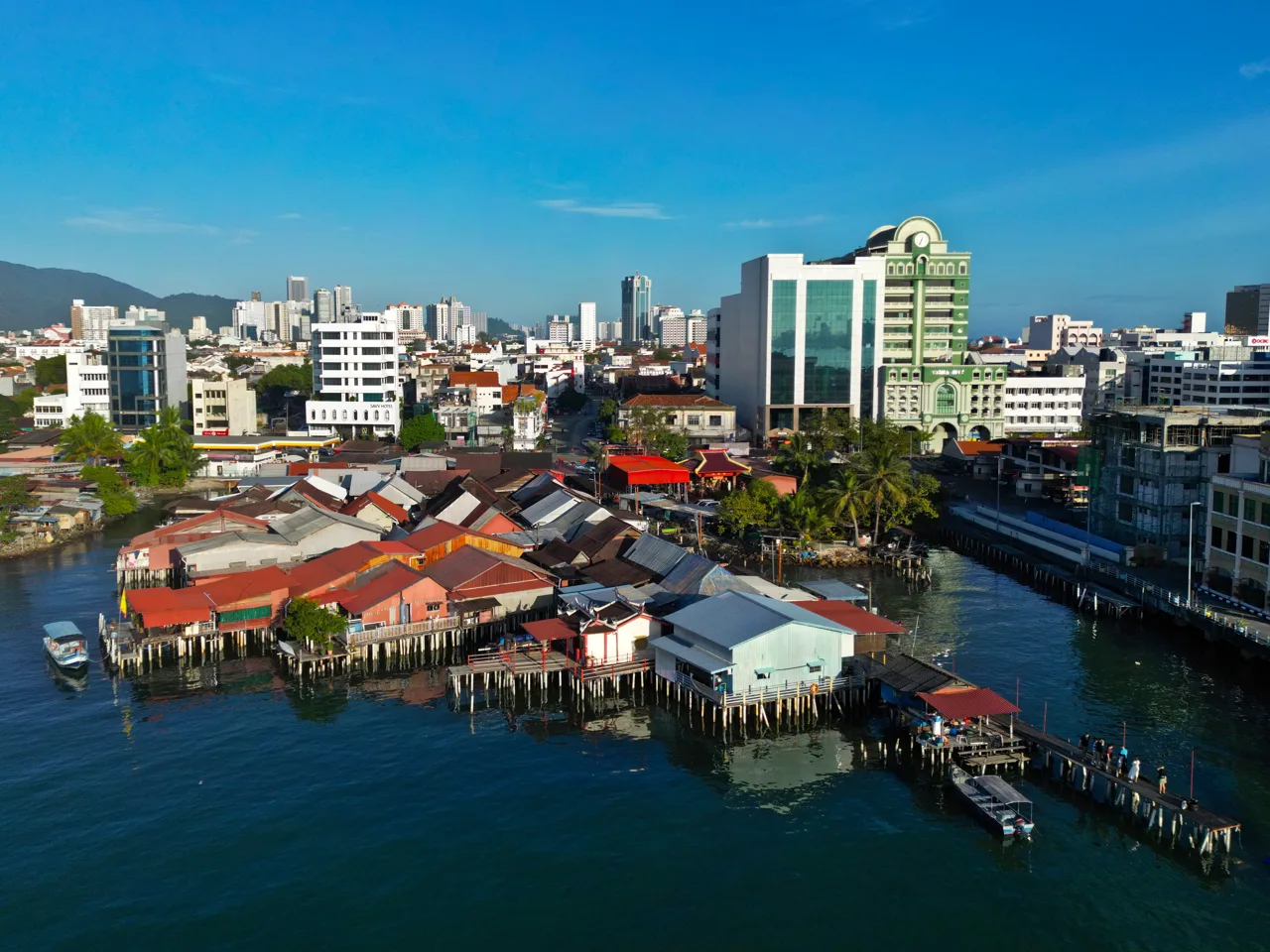
The jetties are located at the edge of the historic core of George Town, just a short walk from the central bus terminal at Weld Quay. Most visitors arrive on foot after exploring the street art and colonial architecture of the town. Taxis can drop you at the entrance to each jetty, but vehicles are not allowed on the wooden piers themselves. Arriving in the early morning allows you to see the community waking up before the day-trippers arrive, while the late afternoon offers the most dramatic colors as the sun sets over the harbor. Because these are private homes, visitors are expected to stay on the main paths and respect the privacy of the families living there.

The jetties are located at the edge of the historic core of George Town, just a short walk from the central bus terminal at Weld Quay.

The Experience

The atmosphere at the jetties is one of vibrant, lived-in history. You notice the smell of the air changes as you walk deeper—from the urban grit of Weld Quay to the clean, sharp scent of the open ocean. You feel the physical age of the wood, which has been patched and repaired so many times it looks like a quilt of different timbers. The light is constantly in motion, filtered through the gaps in the floorboards and reflecting off the passing boats. You notice the small vegetable gardens growing in pots on the porches, a stubborn bit of greenery in an aquatic world. The most evocative detail is the sound of a boat engine sputtering to life beneath your feet. It is a place that feels fragile and permanent at the same time.

Why It Matters

The Clan Jetties are a unique living monument to the Chinese diaspora’s resilience and their role in the maritime history of Southeast Asia. They represent the last of the traditional water settlements that once lined the coast of the peninsula. Historically, they provide a rare look at a social structure that predates modern urban planning and tax systems.

Why Visit

Visit because you want to see a community that refuses to be moved. While the rest of George Town is being gentrified into boutiques, the jetties remain a place where people still dry their laundry and fix their nets over the sea. You come here to see the sunset from a pier that has survived a century of storms and to realize that home can be anything you build with your own hands. It is the most authentic edge of Penang.

Insider Tips

  • 1

    Chew Jetty is the most tourist-friendly, but Tan Jetty is much quieter and offers a longer, more peaceful walk out to the water.

  • 2

    Try the 'fried durian' or traditional shaved ice at the entrance to Chew Jetty; it’s a local favorite that hasn't changed in decades.

  • 3

    The jetties are technically open until 9:00 PM, but visiting after dark is discouraged as it disturbs the residents.

  • 4

    Look for the small gaps between houses; they often lead to tiny, hidden shrines or views of the stilts that are invisible from the main path.

  • 5

    Pay attention to the tide schedule; seeing the jetties at high tide is a completely different experience than seeing them over the mudflats at low tide.

Free Travel Tools
Games & Discover

Featured

Conquer the World

195 nations. One dart. Build your empire.

New Game

FateLand

Three darts. The world decides your fortune, heartbreak & legacy.

FateLand
Fortune. Heartbreak. Legacy. Throw & find out.
Show on Map