“Under five hand-painted domes, seven thousand artifacts tell a story of a civilization that turned mathematics into lace and prayer into a thousand different styles of gold.”
About Islamic Arts Museum Malaysia
The museum's creation coincided with a period of intense cultural development in Malaysia, aiming to establish Kuala Lumpur as a global hub for Islamic scholarship. It houses one of the world's largest collections of Islamic-period books and manuscripts, including rare copies from the Mughal and Safavid empires. The building's design was influenced by the great mosques of Central Asia, but the white-on-white aesthetic is firmly modern. Over the last quarter-century, the museum has become an international partner for institutions like the British Museum, lending its Southeast Asian artifacts to help redefine the global narrative of Islamic history.
Overview
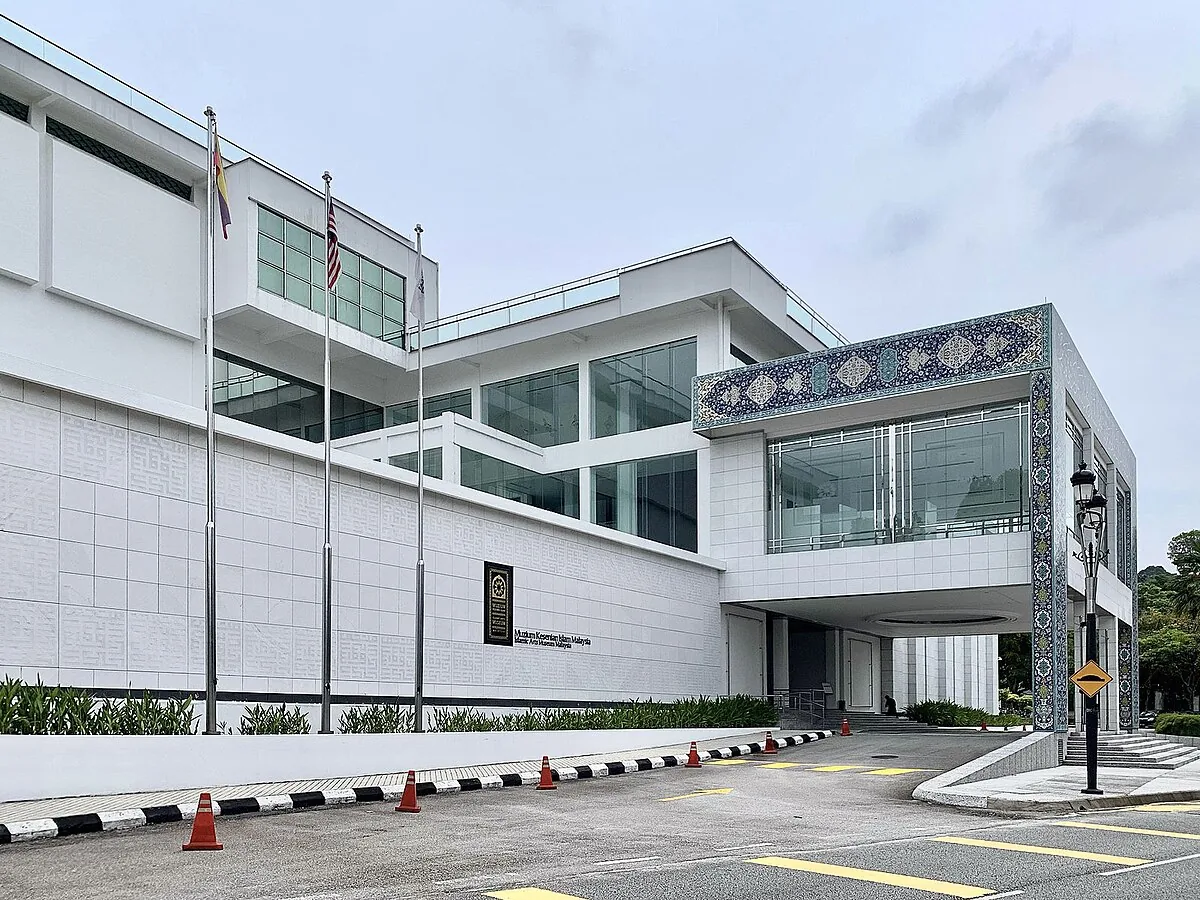
Turquoise domes and white marble walls rise gracefully from the edge of Lake Gardens, housing the most comprehensive collection of Islamic art in Southeast Asia. This museum is a celebration of the breadth of the Muslim world, stretching from the pillars of Hercules to the islands of the Malay Archipelago. Inside, the galleries are organized by theme rather than just chronology, allowing visitors to see the evolution of calligraphy, metalwork, and textiles across cultures. The building itself is a masterpiece of modern Islamic architecture, featuring five massive domes that allow natural light to wash over the exhibits. It is a place of profound quiet and aesthetic harmony, designed to showcase the beauty of a faith that has inspired centuries of artistic innovation.
Turquoise domes and white marble walls rise gracefully from the edge of Lake Gardens, housing the most comprehensive collection of Islamic art in Southeast Asia.
Opened in December 1998, the museum
Opened in December 1998, the museum was the result of a vision to create a center for Islamic culture that reflected Malaysia’s own moderate and multicultural identity. It was founded by the Albukhary Foundation, and since its inception, it has amassed over 7,000 artifacts. The museum intentionally highlights the 'Eastern' Islamic world, China, India, and Southeast Asia, which is often overlooked in Western collections. The architecture was a collaboration that utilized craftsmen from Uzbekistan to create the intricate hand-painted plaster domes. This connection to the Silk Road is visible in every corner of the museum, making it a physical bridge between the Arab heartlands and the diverse Muslim communities of Asia.
History
Walking into the entrance hall, The immediate calm of the high, vaulted ceilings and the cool marble floors. The interior is still and carries a trace of old parchment and beeswax. Right away, the incredible scale of the scale models of the world's most famous mosques, which are built with such precision you can see the tiny patterns in the tiles. The first thing you register is the Quran gallery, where the light is dimmed to protect the ancient gold-leaf manuscripts, some dating back to the 8th century. Something of the texture of the intricate woodcarvings and the weight of the Ottoman armor sets. Sound-wise in the galleries is a soft, muffled silence that encourages contemplation. The 'inverted' dome in the center of the building, a stunning feat of design that seems to pull the sky down into the museum. The restaurant on the ground floor offers a sensory transition, smelling of Middle Eastern spices and mint tea, providing a culinary extension of the art you’ve just seen. People generally overlook the intricate geometric tilework in the outdoor courtyards, which are perfect examples of the mathematical beauty inherent in Islamic design.
The museum is located within walking
The museum is located within walking distance of the Kuala Lumpur Railway Station and the National Mosque. It is easily accessible by the KTM Komuter train or a short taxi ride from the city center. The walk from the railway station is uphill but takes you through some of the city's most beautiful colonial and religious architecture.
The museum is located within walking distance of the Kuala Lumpur Railway Station and the National Mosque.
The Experience
The soft light from the turquoise domes creates a tranquil, bluish glow that settles over the marble corridors. You register the microscopic detail in the Persian carpets, where thousands of knots create a garden that never wilts. Something like a sense of peace in the calligraphy gallery, watching how a single word can be transformed into a bird or a flower through the sweep of a pen. The absence of the city's noise, replaced by the hushed footsteps of visitors from around the world. What sticks with you is standing beneath the central dome and realizing that every pattern you see is based on an infinite, geometric logic.
Why It Matters
The Islamic Arts Museum Malaysia is a vital cultural bridge. It provides a rare space where the art of the Malay world is given equal weight to the art of the Middle East, challenging traditional Eurocentric views of Islamic history. It is a product of the enduring power of beauty as a universal language of faith and identity.
Why Visit
This museum to see the side of Islam that is often missing from the news: the side that values beauty, science, and the delicate art of the hand. It is a strikingly beautiful space that offers a quiet refuge from the chaos of Kuala Lumpur, rewarding the curious traveler with a deep, aesthetic education.
✦ Insider Tips
- 1
The museum restaurant, Al-Amar, is considered one of the best Middle Eastern dining spots in the city; don't skip the Lebanese mezze.
- 2
Pay close attention to the jewelry gallery; the Mughal-era gemstones and gold work are among the most intricate you will ever see.
- 3
The museum shop is a great place for high-quality, authentic gifts like handmade tiles and silk scarves that are far superior to standard souvenirs.
- 4
Allow at least half a day; the collection is dense, and the mosque models alone can take an hour to fully appreciate.
- 5
The museum is right next to the National Mosque, so dress modestly if you plan to visit both in one trip.