A granite island in the sky, this mountain is so biologically diverse that a single square kilometer can contain more species than the entire United Kingdom.
About Mount Kinabalu
Low’s Peak was named after the British administrator who first braved the heights, but it was not until 1888 that John Whitehead finally reached the true summit. The mountain became a centerpiece of Kinabalu National Park in 1964, following the formation of Malaysia. In 2015, a significant earthquake struck the region, damaging the iconic 'Donkey’s Ears' rock formation and leading to a complete overhaul of the climbing trails to improve safety. Despite the modernization of the paths, the mountain remains a site of deep indigenous significance, and climbers are asked to treat the rock with the respect due to a cemetery of spirits.
What Mount Kinabalu actually is
Granite peaks rise abruptly from the steaming jungles of Borneo, creating a jagged crown that remains sacred to the local Kadazan-Dusun people. Mount Kinabalu is the highest point between the Himalayas and New Guinea, a botanical wonderland that hosts more plant species than all of North America and Europe combined. The ascent takes travelers through four distinct climate zones, from humid lowland forests to a stark, lunar landscape of bare rock at the summit. Clouds often cling to the mountain’s waist, isolating the peaks in a sea of white and giving the summit an ethereal, detached quality. The physical challenge of the climb is matched by the quiet, spiritual energy of the high altitude.
“Granite peaks rise abruptly from the steaming jungles of Borneo, creating a jagged crown that remains sacred to the local Kadazan-Dusun people.”
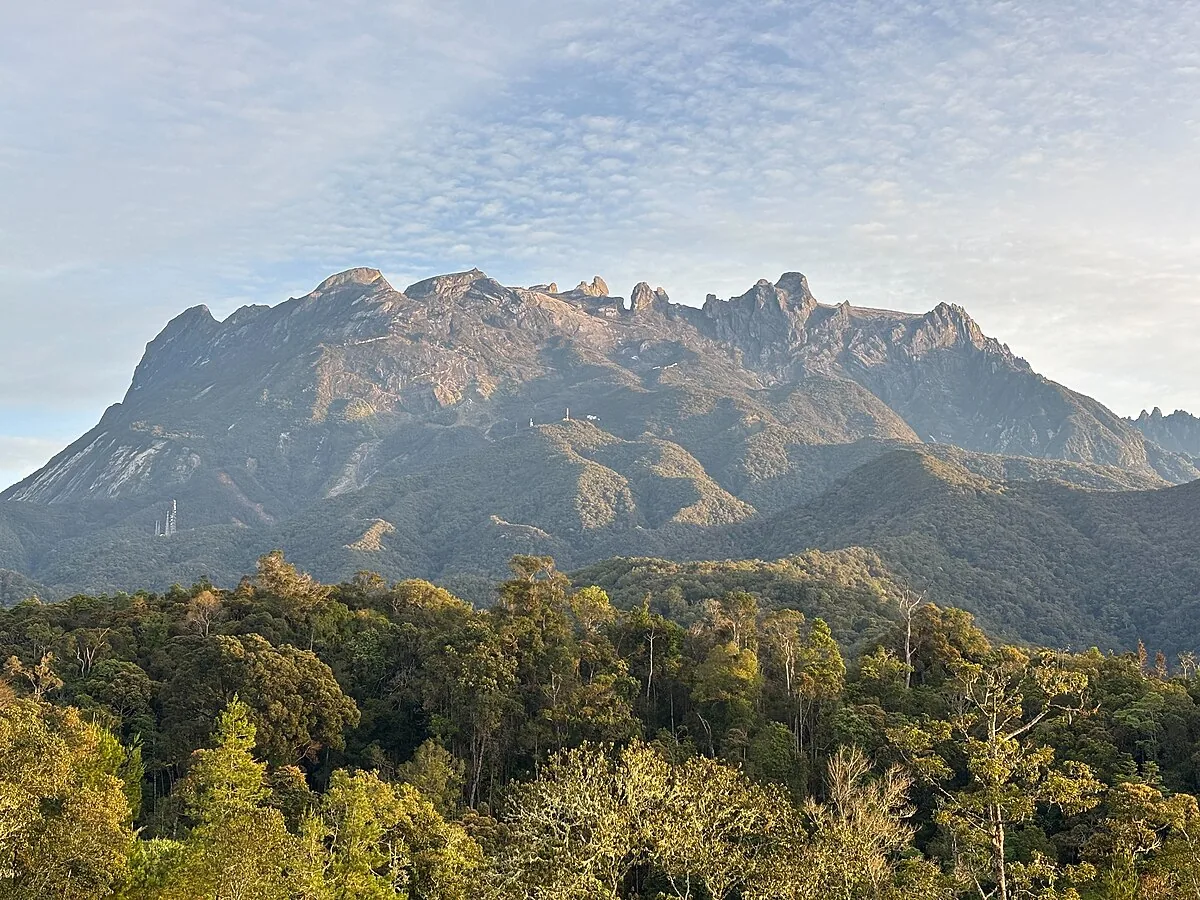
Mount Kinabalu, Malaysia
Geologically, Kinabalu is a young mountain
Geologically, Kinabalu is a young mountain, a massive block of granite that is still rising at a rate of five millimeters per year. For the indigenous people of Sabah, the mountain is 'Aki Nabalu,' the resting place of the spirits of their ancestors. They believed that the souls of the dead traveled here to find peace, and traditional rituals are still performed to appease the mountain spirits before major expeditions. The first recorded ascent by a European was made by Sir Hugh Low in 1851, though he did not reach the actual summit, Low’s Peak. Today, the mountain is a UNESCO World Heritage site, recognized for its extreme biodiversity, including the world’s largest pitcher plants and rare orchids that grow nowhere else on the planet.
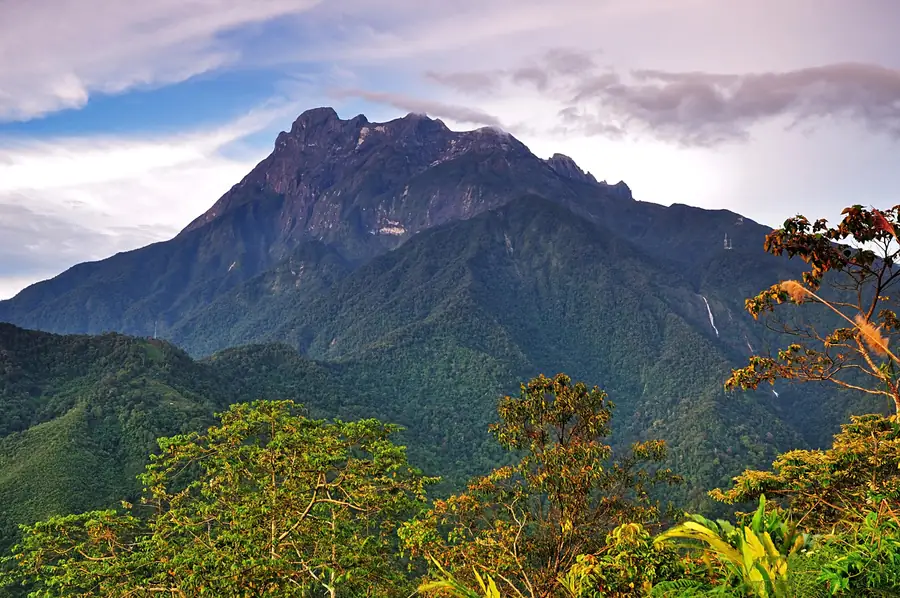
Mount Kinabalu, Malaysia
Starting the climb at Timpohon Gate,
Starting the climb at Timpohon Gate, the heavy, mossy humidity of the rainforest pressing against your skin. Here, the air is thick with the sounds of cicadas and the occasional call of a hornbill. As you climb higher, the forest thins into twisted, stunted trees covered in lichen, and the temperature drops sharply. You register the vibrant orange of the Kinabalu balsam flowers and the strange, carnivorous pitchers of the Nepenthes plants hanging from the vines. By the time you reach Laban Rata for the overnight stay, the air is thin and carries the scent of damp stone and pine. The final push to the summit begins in the pitch black of 2:00 AM, where The rough texture of the granite beneath your boots and the pull of the rope as you navigate the steeper slabs. The thing you pick up on is the silence of the high mountain, broken only by the heavy breathing of fellow climbers. When the sun finally breaks over the horizon at Low’s Peak, the granite glows pink and the shadow of the mountain stretches for miles across the clouds below. Kinabalu Park is located two hours by road from Kota Kinabalu, the capital of Sabah. Local buses and minivans depart regularly from the city, winding through the rolling hills of the Crocker Range. Most climbers book a two-day, one-night package through authorized operators, as permits are strictly limited and a mountain guide is mandatory for every person venturing toward the summit.
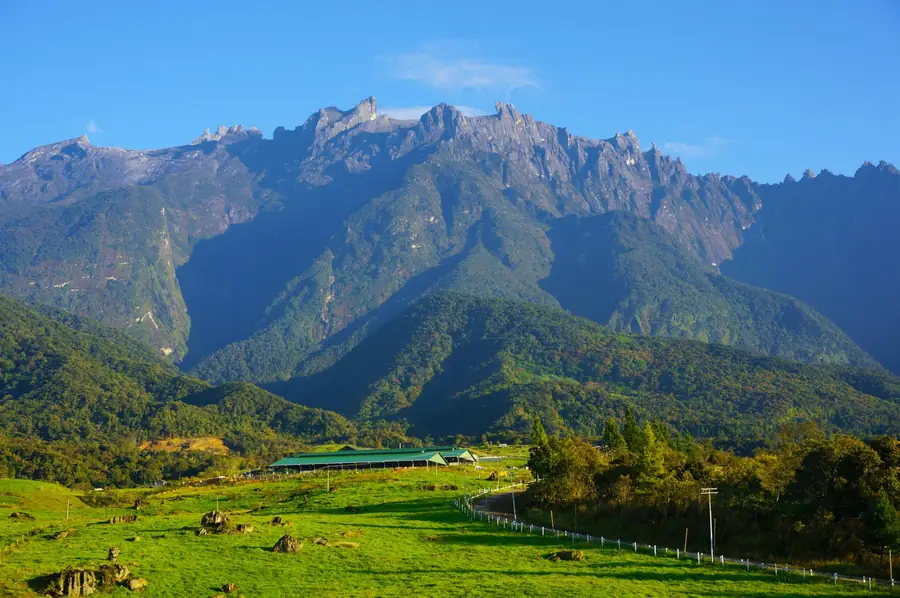
Mount Kinabalu, Malaysia
The Experience
The mist at the higher elevations feels like a cold damp cloth, a startling contrast to the tropical heat at the base. The first thing you register is the way your heart rate spikes in the thin air, a rhythmic thumping that accompanies the final climb toward the stars. The mass of the grit of the ancient rock under your gloves, cold and unyielding, as you pull yourself up the final ridge. The opening note is the stars above Laban Rata, which appear larger and brighter than you have ever seen them from the lowlands. The detail that stays with you is standing on the summit as the first light reveals the turquoise South China Sea sparkling on the horizon, thousands of feet below.
Why It Matters
Mount Kinabalu is a biological and cultural anchor for Borneo. It is one of the most important ecological sites in the world, serving as a sanctuary for thousands of endemic species. Culturally, it is the spiritual heart of the Sabahan people, representing the connection between the physical world and the ancestral realm.
Why Visit
Visit Kinabalu if you want to experience the full spectrum of the natural world in a single day. It is one of the few places on earth where you can trek from a jungle teeming with life to a sterile, beautiful alpine peak. It is a physical test that rewards you with a perspective of the planet that feels truly ancient.
Insider Tips
- 1
Book your climbing permit at least six months in advance; only 163 people are allowed to climb to the summit each day.
- 2
Bring a headlamp with fresh batteries; the most critical and scenic part of the climb happens in total darkness before dawn.
- 3
Train with stairs for several weeks before arrival; the 'path' is largely a series of steep, uneven stone steps that punish the knees.
- 4
Pack a pair of light gloves; they protect your hands from rope burn and the cold granite during the summit scramble.
- 5
Don't rush the descent; most injuries happen on the way down when legs are tired and the rock can be slippery from morning dew.